· 27 min read
How to run a ticketed open-studio weekend across several artists' spaces
You've got artists willing to open their studios, enough interesting work to build a weekend around, and a neighbourhood people would enjoy exploring. Selling one ticket for the whole thing seems straightforward. Then someone asks whether they can start at any studio, return on Sunday, or bring their partner into the demonstration that's already full.
Those questions need answers before you open sales. Run a ticketed open-studio weekend as one visitor offer with agreed rules at every participating space. Define what admission includes, confirm what each artist will deliver, and test how visitors move between studios without promising everyone immediate entry everywhere.
For a first edition, I'd keep the offer small enough to explain in an ordinary conversation. A dated pass, a manageable group of studios and useful opening hours are a better starting point than several overlapping passes and a timetable nobody has walked. You can add complexity when you know which parts people value.
The commercial question is whether visitors will pay enough for that organised experience to cover its costs. Artists selling work during the weekend doesn't automatically answer it. Their sales and your ticket income are separate unless you've explicitly agreed otherwise.
Decide why visitors would pay to enter
Open studios can be free, paid or supported by a mixture of funding. Don't assume that bringing several artists together makes an entry charge self-explanatory. A visitor needs to understand what the ticket buys beyond the opportunity to browse things they might purchase.
There are established free models. Cambridge Open Studios' participant guidance says visitors aren't charged admission and puts the chance to meet artists and discuss their work at the centre of the visit. That's its model, rather than a rule for every open-studio event. It does mean your paid offer needs a reason people can recognise.
You might provide access to studios normally closed to the public, a thoughtfully selected group of makers, scheduled conversations or demonstrations, and reliable visitor support across the route. Choose the parts you can actually deliver. A map is useful, but printing one doesn't by itself explain why someone should pay.
Cockpit's Open Studios information describes opportunities to visit working makers, learn about their processes and purchase directly. The useful lesson is how specifically the experience is described. Your offer needs that same clarity, even if its scale and funding are completely different.
Write a short description without the words "unique", "immersive" or "unforgettable" and see what's left. Can buyers meet the artists? Are demonstrations included? Will they see work in progress? Are there spaces they couldn't otherwise enter? Those details let someone judge the visit instead of asking them to trust an adjective.
Be equally clear about shopping. Admission shouldn't imply a purchase obligation, and buying a pass shouldn't imply a discount on artwork. If artists also run shops that remain freely accessible, identify which areas or activities require your ticket. Charging at a doorway that normally admits shoppers free needs a coherent explanation and the artist's agreement.
Choose artists for a coherent visit
Start with what people will encounter across the weekend. Six artists can provide variety without every studio needing a different discipline. What matters is whether each visit adds something you can describe and whether the artists are willing to welcome people who know very little about their work.
Ask a prospective participant to talk you through an ordinary visitor's first few minutes. Will they explain a process, show a sequence of work, answer questions or offer a scheduled conversation? Someone who wants only to display finished stock may suit a different event. Be honest about that before charging visitors for access to a working practice.
Consider location alongside artistic interest. An excellent studio far beyond the main route might be better offered as a separately planned visit. Adding it to the pass can make the whole offer harder to complete, especially if people rely on public transport. Don't use the number of participating artists as the only measure of value.
Shared buildings need particular attention. If four artists occupy one floor, visitors may experience that as one longer stop. Check which artists are participating, which rooms are included and how the building's own arrival and occupancy arrangements work. You can't treat four names in a brochure as four independent streams of visitor capacity.
Use a trial visit to assess the welcome as well as the work. Can a newcomer understand what they're seeing without specialist vocabulary? Is there space to pause without obstructing someone else? Artists don't need rehearsed sales scripts, but they do need to know what the paid event has promised visitors.
Once selected, collect accurate public descriptions and agree how corrections will be handled. Avoid announcing provisional participants as confirmed. If one studio still needs a permissions decision, finish that work before selling its inclusion. A smaller confirmed programme gives you a more reliable launch than a longer list of people who haven't agreed the practical details.
Agree the deal with every participating artist
Before announcing the weekend, get written agreement from each participating artist or studio operator. Enthusiasm in a group chat isn't enough to establish opening hours, staffing or who pays for a replacement if someone withdraws. These are independent businesses, sometimes sharing buildings with people who aren't participating.
Start with the public commitment. Record the space visitors can enter, the dates and hours, whether the artist will be present, and any promised demonstration. Explain how breaks work. If the artist needs to leave for lunch, another person must be able to welcome visitors and explain the work, or the published programme must show the closure.
Then agree the money. Will you pay a fixed participation fee, will artists pay to join, or will you share ticket receipts? If you share receipts, define the deductions and payment date. "A share of the proceeds" leaves too much room for disagreement about fees, refunds, advertising and central staff costs.
Keep artwork sales separate unless there is a deliberate commission agreement. Identify who sells the work, receives the payment, issues the receipt and deals with delivery or a later complaint. A visitor who buys a ceramic bowl from an artist shouldn't have to ask the central ticket desk whether it can be collected next week.
Explain exactly what promotion you need permission to use. Ask for approved images, the artist's preferred description, credit wording and permission for the stated channels and period. Permission to show an image on the event page shouldn't quietly become permission to print it on merchandise. Obtain appropriate advice where rights or licence terms are uncertain.
Also settle what happens if the studio becomes unavailable. Require prompt notice, identify who contacts visitors, and agree the financial consequences between you and the participant. That agreement doesn't decide what ticket buyers are legally owed. It gives your team a way to act without negotiating the entire relationship during a closure.
In Great Britain, HSE's event management guidance emphasises coordination, relevant information and competent supervision. Apply that thinking to the relationship between the central organiser and each studio lead. Local responsibilities need names attached to them, while decisions affecting the whole weekend need someone coordinating the response.
For a small first event, a clear participation agreement and an operating brief may do most of the practical work. Have the venue, insurer and relevant advisers confirm the arrangements that apply to your actual activities. Avoid copying a festival agreement that assumes you control buildings and staff you don't control.
Check the spaces as working studios
A studio can be a compelling place to visit because someone makes things there. That also means its normal working layout may be unsuitable for an open door and a stream of unfamiliar visitors. Visit every participating location before including it in the paid offer.
Walk the proposed public route with the artist. Decide which rooms are open and how closed areas will be kept separate. Look at tools, cables, materials, unstable displays and work drying on low shelves. An instruction to "be careful" doesn't resolve a layout that brings visitors into contact with a process they don't understand.
Discuss demonstrations individually. Watching someone draw is a different activity from standing near a kiln, cutting equipment or chemical process. The person competent to assess the activity should establish the controls, viewing position and whether it can run during ordinary browsing. Don't turn the event into a hands-on workshop just because a visitor asks to have a go.
Confirm permissions with the people who actually control the premises. A participating artist may rent one room while the landlord controls the stairs and entrance. Ordinary studio use may differ from the public event you're proposing. Check the proposed use, insurance, building arrangements and any local permissions before selling, with competent help where required.
Include the neighbours and non-participating tenants in practical planning. Visitors need a clear entrance that doesn't send them into somebody's private workspace. Deliveries must still reach the building. Agree where signs can go and where people can wait without blocking another business or a residential doorway.
Use the site visit to identify what the artist needs from you. A separate welcome person may let them talk properly with visitors instead of repeatedly checking passes and counting the room. Budget that role if the offer depends on those conversations. Calling the artist the host doesn't make every simultaneous task achievable.
Make the pass promise easy to understand
For a first weekend, consider selling a separate dated day pass for each day. That makes it easier to explain which hours apply and to compare demand across the weekend. A weekend pass can be sensible, but only if its extra rights and the resulting attendance fit your plan.
Let's use a fictional event called River Quarter Open Studios. It has six participating studios, open on Saturday and Sunday from 11:00 to 17:00, with last admission to each studio at 16:30. A day pass allows one visit to each participating studio on the selected day. Artwork, refreshments and hands-on workshops aren't included.
Visitors can choose which studios to visit and where to start. Admission is subject to each studio's local limit, so the pass doesn't reserve immediate entry. The public information says that clearly and explains how staff will help if a space is busy. The organiser still has to sell a number of passes the route can reasonably accommodate.
Decide whether a buyer can leave one studio and return later. In this example, ordinary repeat entry to the same studio isn't included. Staff can resolve an interrupted visit through the support process. If you want unrestricted re-entry instead, choose and test a method that recognises it without confusing a return visit with an unused admission.
Explain how children, companions and groups fit the offer. Even where entry is complimentary, people still need to be included in your attendance and room planning. Set appropriate supervision arrangements with the hosts. A family booking shouldn't create an unknown number of visitors because only the paying adults received tickets.
Keep limited demonstrations distinct from general browsing. A free reservation within a paid day pass can work if your booking and checking process supports it. Make clear whether the reservation is required, what happens to late arrivals and whether someone can enjoy the studio without attending the demonstration.
Our guide to multi-day event ticket types explains the extra care needed when day and weekend entitlements overlap. For an open-studio weekend, simplicity helps both the buyer choosing a visit and the artist answering questions at their own door.
Set sales limits from the busiest studio visit
Don't add the room capacities together and use that number as your pass allocation. Visitors choose where to go, stay for different lengths of time and may all want to meet the same artist. Empty space elsewhere doesn't give you more room at that artist's doorway.
HSE's crowd risk assessment guidance, written for Great Britain, addresses safe capacity, routes and expected visitor behaviour. Have competent people establish the limits and arrangements appropriate to each premises. A calculation about ticket revenue can't establish whether a studio is safe for the number you hope to admit.
Suppose River Quarter's smallest studio has an assessed arrangement allowing eight visitors alongside two staff. That's a fictional operating assumption, not a recommendation for other rooms. The eight visitor places include children and accompanying companions. The staff are part of the separately stated total of ten people.
The artist offers two reserved demonstrations, each with eight visitor places. That supplies sixteen demonstration places across the day. Selling eighty day passes wouldn't give every pass holder a demonstration place. If the demonstrations are a main attraction in your advertising, address that shortage before taking money, rather than relying on a footnote.
You could repeat the demonstration if the artist agrees and the cost and working time permit. You could make it a separately reserved option with clear availability. Or you could reduce its prominence and build a visit that remains worthwhile without it. Choose based on what buyers are being offered and what the artist can sustain.
Test ordinary browsing as well. Invite a trial group, observe dwell time, and see what happens when arrivals bunch together. Don't assume that an average visit time guarantees a steady turnover. Someone asking a detailed question about a commission may stay longer, and heavy rain may send several walking groups indoors together.
Set a conservative initial pass allocation and a review point before releasing more. Include complimentary admission and other routes into the event. The lead at each studio must have authority to pause entry, with a safe waiting or redirection arrangement. A paid pass shouldn't put that person under pressure to exceed the agreed limit.
Build routes around visits people can finish
The map should help visitors choose a satisfying visit. It doesn't have to persuade everybody to complete every studio. A shorter route with time to talk to artists may deliver more value than a rushed attempt to collect all six stamps.
For River Quarter, imagine a suggested afternoon with three studio visits lasting thirty-five minutes each, two walks taking eighteen minutes each, and a thirty-minute break. That's 171 minutes, or two hours and fifty-one minutes. A 12:00 start finishes at 14:51 under those invented assumptions, leaving time for a delay or an optional extra visit.
Walk the route at a relevant time before publishing those estimates. Measure between the public entrances, include crossings and hills, and check alternative accessible routes separately. Make clear that estimated visit lengths allow for choice. A visitor doesn't owe you a fast conversation because your suggested itinerary assumes one.
List each studio's individual opening hours even if most match. Keep last admission separate from closing. At River Quarter, arriving at 16:45 is too late for a new visit, although people already inside may remain until 17:00. Put that distinction on the map and confirmation so staff don't have to introduce it at the final door.
Explain transport in practical terms. Identify useful public transport stops, lawful parking where available, bicycle parking and any verified drop-off arrangements. Don't direct a sudden run of cars towards a studio because its address appears convenient on a driving map. Check whether the approach is appropriate for visitors.
Provide a printable version and a text list of locations, hours and contacts. Studio numbers should match on the ticket information, signs and route guide. Our guide to event maps that work without relying on colour develops that part of the design. A visitor should still know where they are going when they print the map in black and white.
Publish access information for every location
"Some studios have steps" isn't enough information for someone deciding whether to buy. Describe the actual experience at each site, including entrances, internal movement, toilets, seating and the route between locations. Make this available before payment, with a contact who can answer questions about the whole weekend.
Historic England's venue accessibility checklist recommends considering the route visitors take through a venue and checking more than the entrance. That is particularly useful when artists occupy converted workshops or older buildings. A step-free front door doesn't explain a demonstration upstairs or a toilet reached through a narrow passage.
Verify the information with the people responsible for operating the space. If a lift requires an attendant, establish who provides that person and when. If a different entrance offers step-free access, sign it and explain how visitors use it without arriving at a locked door. Information has to match what will happen during your event.
Discuss suitable adjustments with visitors and hosts when needed, and get advice on the duties that apply in your jurisdiction. Moving an artist conversation into an accessible room may improve the offer. A video or photograph shouldn't be presented as an equivalent replacement without considering what the visitor actually wanted to experience.
Set a clear companion-ticket arrangement and count those attendees in the relevant spaces. Consider waiting too. Someone unable to stand in a queue needs an arrangement the local lead understands, rather than a sympathetic reply from a central email address that never reaches the studio.
For the wording buyers receive, use our guide to writing event accessibility information before arrival. The objective is to help people make informed choices and request useful assistance. Avoid an event-wide accessibility claim that the least accessible participating location cannot support.
Price the weekend from the organiser's actual costs
Ticket income needs to pay for the work you are taking responsibility for. That may include participant fees, central staff, route information, marketing, insurance and support. Artists' existing rent and stock aren't automatically your costs, but their extra labour shouldn't disappear from the discussion simply because the studios already exist.
For a worked example, suppose River Quarter sells only dated day passes at $30 each. All figures in this example are invented US dollars, with tax treatment assumed to be included in the stated amounts. They aren't supplier quotes, benchmarks or a forecast for your event.
Assume the organiser keeps $27 from each paid pass after the budgeted selling charges and applicable taxes. A printed guide and admission card cost $2 per paid visitor. That leaves $25 per paid pass towards the weekend's fixed costs. Use the actual deductions and order pattern for your own sales rather than copying that allowance.
The fictional fixed budget is $1,200 for six $200 studio participation payments covering both days, $900 for staffing, welcome cover and central support, $300 for design and route information, $250 for promotion, and $350 for the agreed insurance and other fixed arrangements. Together, those costs are $3,000. No sponsor income, artist participation charges or artwork commission is assumed.
Those staffing allowances are example inputs, not recommended pay or hours. Cost the actual people needed for your opening hours and breaks, at the rates and conditions that apply. If that costs more, change the budget before deciding whether the ticket price works.
That means 120 paid day passes cover the stated $3,000 fixed cost. At 140 passes, $3,780 remains after selling deductions, and the visitor materials cost $280. Subtract those materials and the fixed budget, and $500 remains. At 100 passes, the equivalent result is a $500 loss.
This is the organiser's result under the stated assumptions. It doesn't include artwork revenue or establish that the artists have earned enough for their own time. The participation payments are included, while the artists' wider business costs remain theirs. Discuss whether the agreement works for both sides before treating the organiser's surplus as success for everyone.
Also allow for complimentary visitors properly. If twenty complimentary guests need the same $2 materials, that adds $40 without adding ticket receipts. At the fictional 140 paid-pass result, the remaining $500 becomes $460. Those guests must also fit the operating plan; a zero ticket price doesn't create free capacity.
Look at commitments when sales are weaker. If you print materials for 180 people but sell 100 passes, the materials cost is $360, rather than the $200 tied to those sales. The loss becomes $660 if every other assumption holds. Spending ahead of demand changes the cash outcome even when unused guides can be kept for reference.
Next, compare the budget with the number you can responsibly sell. Suppose your provisional plan supports sixty paid day passes per day, plus a separately assessed complimentary allocation. Across two days, 120 paid passes only reach break-even before the complimentary materials. You haven't proved the event is commercially workable by filling that allocation.
You would need to reduce costs, secure confirmed non-ticket income, change the paid offer or reconsider the price. Increasing the pass allocation requires fresh evidence that the studios and visitor experience can accommodate it. It shouldn't be the automatic answer to a spreadsheet showing a shortfall.
Build a payment schedule as well. Participation deposits, printing and promotion may be payable before ticket receipts are available. Keep enough money for delivery and the remedies you may owe customers. Expected artwork sales in someone else's business won't fund your support staff or refund a pass.
Set aside an appropriate allowance for unresolved costs and possible changes before describing the remaining money as available to spend. The example assumes its stated costs hold. An extra welcome shift, replacement printing or a new supplier charge reduces the result. Review those commitments before each spending decision, while you can still change the plan.
Keep artwork sales and image permissions clear
Artists should prepare for visitors who want to browse, talk, buy immediately or commission something later. Ask them to label work and explain how enquiries are handled. The event can make those conversations easier without promising sales or making every visitor feel they have entered a sales appointment.
Where artists sell directly, publish that arrangement. They need their own payment and collection process, with clear information about prices, delivery and the seller's terms. If the organiser takes payment on their behalf, establish the actual arrangement, accounting and customer responsibilities with appropriate advice before advertising that service.
Decide what happens when a work sells during the weekend. Can it leave immediately, or must it remain on display until closing? Either can be workable if the artist and buyer understand it. What won't work is promoting a specific piece as part of the visit and having no plan when somebody takes it home on Saturday morning.
Agree visitor photography rules with each host. Some artists may welcome photographs of the studio but want permission requested before detailed images of individual works. Others may have confidential commissions or people who don't want to appear in pictures. Put the relevant rule at the entrance and explain it in ordinary language.
Keep your own photography arrangements separate from visitors taking personal photographs. Tell artists and attendees what the organiser plans to capture and how it will be used. Our guide to event photography and video permission covers the wider planning questions. A ticket purchase shouldn't be treated as a blanket answer to every permission question.
If you're collecting buyer information, don't automatically hand the complete list to every artist. Establish what each person needs to deliver the event and keep newsletter choices separate. The UK's ICO guidance on limiting personal data explains the principle of collecting only what's needed for a stated purpose. The page is under review following legislative changes, so check current requirements for your operation.
Give every studio a workable admission process
Choose how a visitor first proves their booking and how later studios recognise the same pass. A central collection desk can exchange a ticket for a dated physical pass card, but it also creates another location and opening commitment. Requiring that detour may be unreasonable when buyers expect to start at any studio.
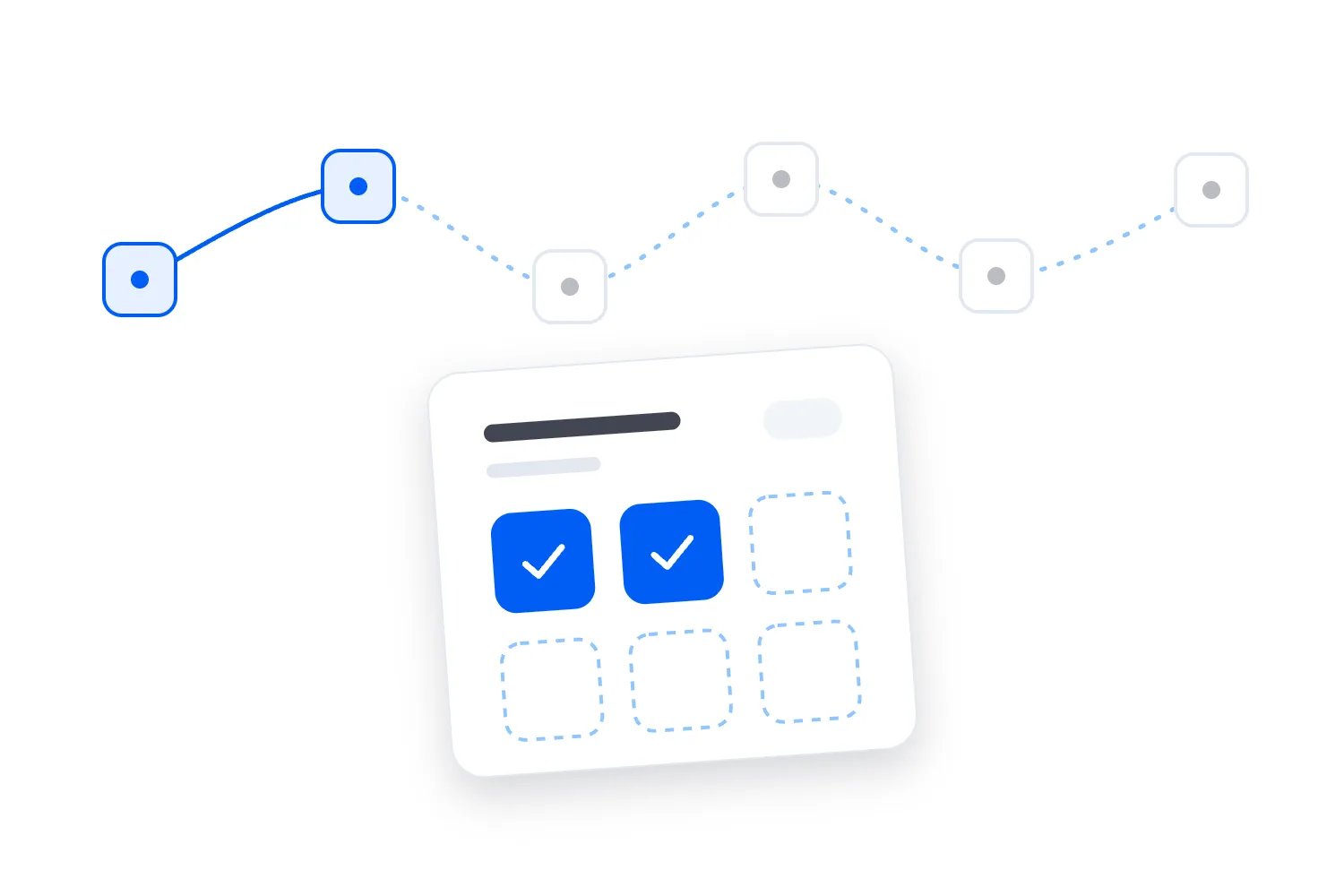
If each studio can activate a pass, every location needs the approved checking process, necessary permissions and someone trained to use it. For River Quarter's one-visit-per-studio offer, a dated numbered card with six studio boxes could record visits after the initial ticket validation. That is a proposed operating method requiring a real test, including replacement and misuse cases.
Keep the first activation distinct from the later studio marks. A code already used for initial admission may simply mean the visitor started somewhere else. Staff must be able to distinguish that legitimate situation from an invalid or duplicated pass card through the agreed process. They shouldn't repeatedly scan until something turns green or improvise a new rule at each door.
Loopyah's ticket sales and check-in tools send buyers confirmation emails linking to their QR tickets and let staff scan tickets using phones. Those capabilities can support the initial admission check. Before selling your pass, test the exact arrangement for several studios, including what happens after the first scan. Don't assume ordinary check-in automatically provides a reusable studio passport.
Room counting remains a local responsibility under the agreed plan. A stamp means a visitor has used a studio visit; it doesn't say whether they are still inside. The door lead needs the actual entry and exit process for deciding whether another person can enter. Keep those decisions separate from whether the person owns a valid pass.
Rehearse a wrong-day ticket, a lost pass card, a visitor without a working phone and a party arriving separately. Include a refunded ticket and an already busy room. Establish who can look up a booking, approve a replacement and pause entry. Test the actual devices and connectivity, with a defined fallback that your team and provider can support.
Keep booking information restricted to those who need it. An artist showing a pass card to a welcome volunteer doesn't require a copy of everyone's purchase history. Use the access controls available in the chosen system, and agree how temporary records or replacement-card notes will be secured and removed when no longer needed.
Follow one pass between two studios
Imagine a River Quarter buyer arriving at Studio 2 first. The welcome person validates the Saturday booking through the tested process, issues the dated pass card and records its number against the activation. They mark Studio 2 when the visitor enters, then count the arrival under the local room procedure. The visitor can browse without another booking conversation.
At Studio 5, the welcome person checks the pass card's date and unused Studio 5 box. If the room is at its limit, the visitor waits under the approved arrangement or chooses another stop. They haven't lost the Studio 5 visit simply because the room was full. The mark is made when admission actually happens.
That distinction deserves rehearsal. Marking a pass when somebody joins a queue could wrongly tell the next volunteer that the visitor has already been inside. If the person leaves the queue to use a toilet, they would have to dispute a visit they never received. Agree the point at which staff record entry and keep it consistent.
Now imagine the pass card is lost between studios. Refer the visitor to the nominated support person, who checks the booking and activation record and follows the agreed replacement procedure. Decide beforehand how the earlier pass card is identified and how staff are told it is no longer valid. If your proposed method can't control replacements reliably, simplify it or use a provider-supported alternative before launch.
Coordinate updates without making artists run the box office
Set one public support contact and one internal route for studio leads to report problems. The artist should know who deals with a payment query while they are talking to visitors about their work. A central organiser should know when a studio pauses admission rather than discovering it from a complaint.
Send ticket holders a practical arrival message with their selected date, opening and last-entry hours, where they can start, the route guide and the support contact. Explain anything they must arrange separately. Don't bury a required demonstration reservation below a paragraph about how excited everyone is for the weekend.
Loopyah's attendee email tools let you build a message and send yourself a test. Use that test to check the route link and the instructions on a phone. Someone still needs to verify studio changes, update the source information and make sure the affected ticket holders receive the correct message.
Give each public update a clear time and keep the map, event page and door instructions consistent. A corrected webpage won't help someone walking from an old printed map unless the approach signs and staff information are corrected too. Keep essential directions available to visitors who cannot open the latest link.
Plan for one artist withdrawing
An open-studio weekend can continue when one location closes, but that doesn't mean the change is unimportant. Consider how much of the paid offer disappears, what buyers were told and whether a particular artist was a principal reason people booked. Decide the response on those facts.
If a studio becomes unavailable before opening, stop directing people towards it and update the published route. Contact affected buyers with a clear explanation and the options available. Don't substitute a room displaying photographs and assume it fulfils a promise to meet an artist in their working studio.
Australia's ACCC guidance on selling event tickets explains that cancellations and significant changes can create refund rights, with the circumstances affecting the outcome. Other markets have their own requirements. Have a suitable policy and advice for where you operate; a general "programme may change" statement shouldn't be your entire response.
During the weekend, the local lead must deal with an immediate incident under the site's arrangements and contact emergency services where needed. The central team should then stop further arrivals, notify other studios and provide accurate visitor information. Don't send a waiting group to the next small studio until its lead confirms what it can accommodate.
If River Quarter's smallest studio closes at 13:00, the coordinator checks the reserved demonstration bookings and contacts those visitors directly. The general pass audience also needs to know that the location is unavailable. The support team records any agreed remedies so the issue doesn't disappear when volunteers finish their shifts.
Prepare a brief every host can use
Your participation agreement sets the relationship. The working brief helps someone make decisions at the door. Keep it short enough to consult during a busy period, with the current date and a named person responsible for corrections. Each studio needs its own details alongside the shared pass rules.
Use these fields as a starting point and complete them with the host:
Studio identity and public entrance. Include the number used on the route guide and the exact doorway visitors should use.
Opening arrangements. State both days' hours, last admission, artist attendance and the person covering agreed breaks.
Admission promise. Explain valid pass dates, first activation, studio visit marks, re-entry and the process for a lost or disputed pass card.
Local visitor limit. Record the assessed arrangement, who counts entries and exits, and when the lead pauses admission.
Demonstrations. List reservations, start and finish times, viewing arrangements and the late-arrival response.
Access and facilities. Include verified routes, assistance, seating, toilets and any changes staff must report immediately.
Artwork and photography. Name the seller, collection arrangements, permitted visitor photography and restricted areas or works.
Support and incidents. Identify the local lead, central contact, emergency arrangements and the update process if the space closes.
Run through the brief with the actual people staffing the weekend. Ask them to explain a day pass and deal with an already used first-entry code. Then ask what they would do if the artist leaves, the printer fails or several visitors arrive during a full demonstration. Confusion during rehearsal is useful information you can still act on.
Before launching sales, have someone unfamiliar with the plan choose a visit using only your public page. Can they tell what they are paying for, pick the correct day and understand whether the demonstration is reserved? Send them the draft confirmation and ask them to find their first studio.
After the weekend, reconcile ticket receipts and costs, pay participants as agreed, and ask hosts where the plan created unnecessary work. Look at queues, missed visits and buyer questions alongside paid attendance. Decide whether the next edition needs more studios, more time at the existing studios, or a simpler offer before asking artists to commit again.

Author: By the Loopyah Content Team
The Loopyah Content Team shares expert insights, practical guides, and industry updates to help event organizers create unforgettable experiences and stay ahead in the event planning world.