· 29 min read
How to organise a swimming meet with paid entries and spectator tickets

You've found a pool, clubs are interested and a coach has asked how many swimmers they can bring. The tempting answer is to look at the changing rooms, pick a number and open entries. But a swimming meet can run out of racing time long before it runs out of people willing to pay.
Start with the competition and the pool operator. Agree which rules apply, who can race, how the heats will run and how warm-up will be supervised. Then set the athlete entry limit and spectator allocation separately. A swimmer's payment needs to buy an accepted competition entry, while a spectator ticket needs to buy a clearly described place to watch.
For your first meet, I'd choose a small programme that an experienced swimming team can deliver properly. You can expand the next edition after you've measured the actual heat timings, entry demand and cost. Starting with too many races creates problems that extra ticket income may never cover.
This guide explains how to organise a swim meet as a paid event, using an invented adult club competition to work through entries, session capacity, admissions and the budget. The example figures are planning assumptions, not recommended safety limits, official competition rules or reports of an actual meet.
Decide what kind of competition you can credibly offer
The first thing you want to do is find your competition lead. This should be someone who understands the relevant swimming rules, officials and meet administration. If you're an event producer working with a club, agree who is actually promoting the competition and who owns the sporting decisions. Hiring a pool doesn't answer that question.
Write down whether you're offering a licensed or sanctioned meet, a club competition, a masters meet or another permitted format. Check that description with the appropriate governing body and insurer. The route depends on your location and intended participants. An event described as informal can still have requirements that affect who enters, who officiates and what the results mean.
For England, Swim England's licensed meet guidance explains that licensed competitions operate under its regulations and technical rules, with different levels serving different purposes. A promoter shouldn't promise qualifying times simply because electronic timing will be available. Confirm the licence, competition conditions and relevant recognition before making that part of your sales message.
In the United States, use the relevant swimming organisation's current requirements. For a USA Swimming competition, the rules and policies page includes amendments that supersede parts of the printed rulebook. Have your competition lead check the current position and local requirements for the event date. Don't assume that reading an old meet announcement establishes your own conditions.
Our example is a proposed adult club meet for experienced swimmers aged eighteen and over. It has a limited programme and no advertised qualifying-time status. Its organiser still needs the relevant approvals, competent officials and suitable insurance before selling anything. That adult-only choice simplifies this example; it doesn't establish that a particular governing body's approval process is optional.
Describe the sporting experience in terms an entrant can evaluate. Which strokes and distances are offered? How are age groups, eligibility categories and awards determined under the applicable rules? Can someone without an accepted entry time participate? Who checks eligibility? Resolve those questions before you let buyers choose races.
There is a separate commercial decision here. Are you selling a serious competitive opportunity, a first experience of racing, or a social club meet? Those audiences can need different programmes and support. Be honest about the standard. Experienced competitors won't be pleased to discover that the timing, officiating or result status differs from what the page led them to expect.
Our broader guide to running a ticketed amateur sports tournament covers the surrounding event decisions. Swimming needs additional attention to heat entries, access to the water and the pool's operating arrangements. Those are the decisions to settle with your swimming partner before borrowing a general tournament checklist.
Define an entry that buyers can understand
A person, a race entry and a spectator admission are different things. One swimmer might enter several races. One club contact might pay for a group of swimmers. One parent might buy several spectator tickets. If you use the word "entry" for all of them, even your own team can end up counting the wrong thing.
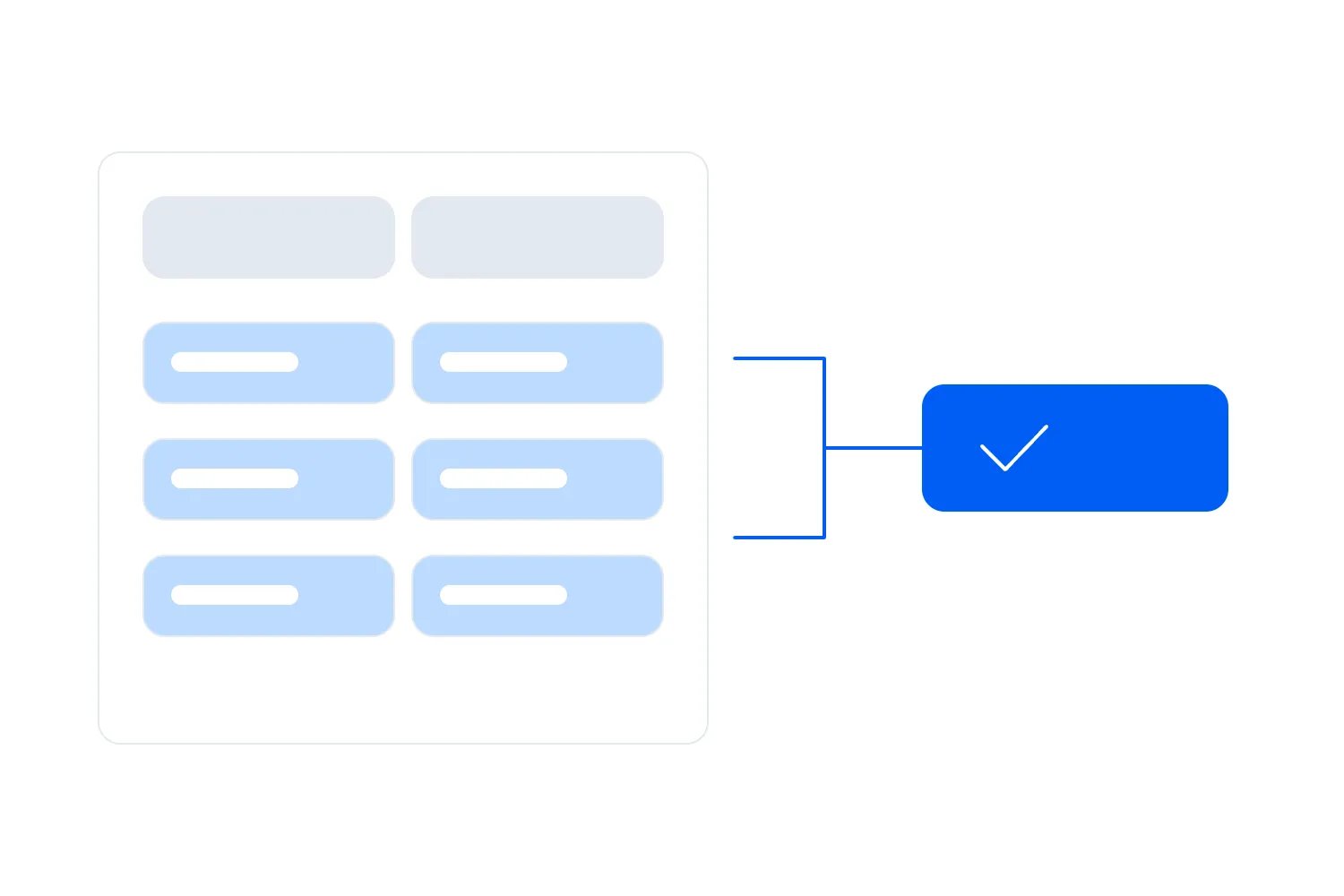
For the worked example, suppose the approved offer would allow up to ninety-six adult swimmers, each buying a $70 package covering four accepted individual races from a published programme. The swimmer chooses races through the competition entry process. No relays or finals are included. The competition lead must confirm that the programme and permitted event limits support that offer.
A package like that needs an acceptance process. Decide whether you collect payment only after entries are accepted, or take a clearly described application payment with a defined response and refund process. Have the arrangement checked against local consumer requirements and your payment provider's capabilities. An automatic receipt shouldn't leave someone guessing whether they are actually racing.
If you instead charge per race, say what happens when only some requested races are accepted. A swimmer who requested four and received two needs to see the accepted events and the correct payment adjustment. Keep any administration charge clear before payment and have the terms reviewed. Don't invent a charge after discovering that refunds create work.
Publish the entry deadline, eligibility checks, amendment window and oversubscription policy. Explain whether acceptance follows entry order, qualifying conditions or another approved method. If a club submits on behalf of swimmers, identify the person authorised to correct that submission and receive the acceptance list. Avoid different entry routes quietly applying different rules.
The confirmation should identify the swimmer and accepted races, the session, reporting requirements and the route for corrections. A club invoice confirms a payment relationship. It isn't a substitute for a checked competition record. Reconcile the names and events before publishing the programme, including any entries submitted through a different agreed channel.
Be explicit about what's excluded. In this example the swimmer package doesn't include a spectator seat for a friend, a meal or access to unrelated leisure facilities. Coaches attend through an agreed accreditation process. That information prevents the admissions team having to negotiate exceptions with people who reasonably understood "meet entry" differently.
Before launch, assemble a short meet conditions document that the competition lead can approve. It should answer the following questions in the same terms used on the entry page:
Who is eligible, what evidence is required and who resolves a disputed entry?
Which races can someone request, how many can be accepted and what does their payment cover?
When do applications, corrections and withdrawals close, and how does acceptance reach the swimmer?
How is oversubscription handled, and what payment adjustment follows a rejected request?
Which warm-up, reporting and competition requirements must the swimmer follow?
Where are results published, and how can a club raise a correction or formal protest?
What happens to the buyer's payment if the organiser cannot deliver the accepted programme?
Keep that document consistent with the checkout and confirmation. If the conditions say acceptance follows review but the receipt says the swimmer has a confirmed place, change the wording or process before launch. Have the appropriate people review the final terms for your location. The purpose is to help a buyer make an informed decision, not to hide the important restrictions in a document they find after paying.
Calculate heats before setting your swimmer limit
A heat is one race involving the swimmers assigned to the available lanes. An event can need several heats when more swimmers enter than can race together. Seeding is the process of assigning those swimmers to heats and lanes under the competition rules, often using their accepted entry times. You need the resulting programme to understand how much pool time you have sold.
Start with the races you want to offer and estimate demand for each. Then use the actual competition software and qualified officials to build a provisional programme. The important question is how long the complete session takes, including the slower heats, changeovers and required breaks. A total number of swimmers can't answer that on its own.
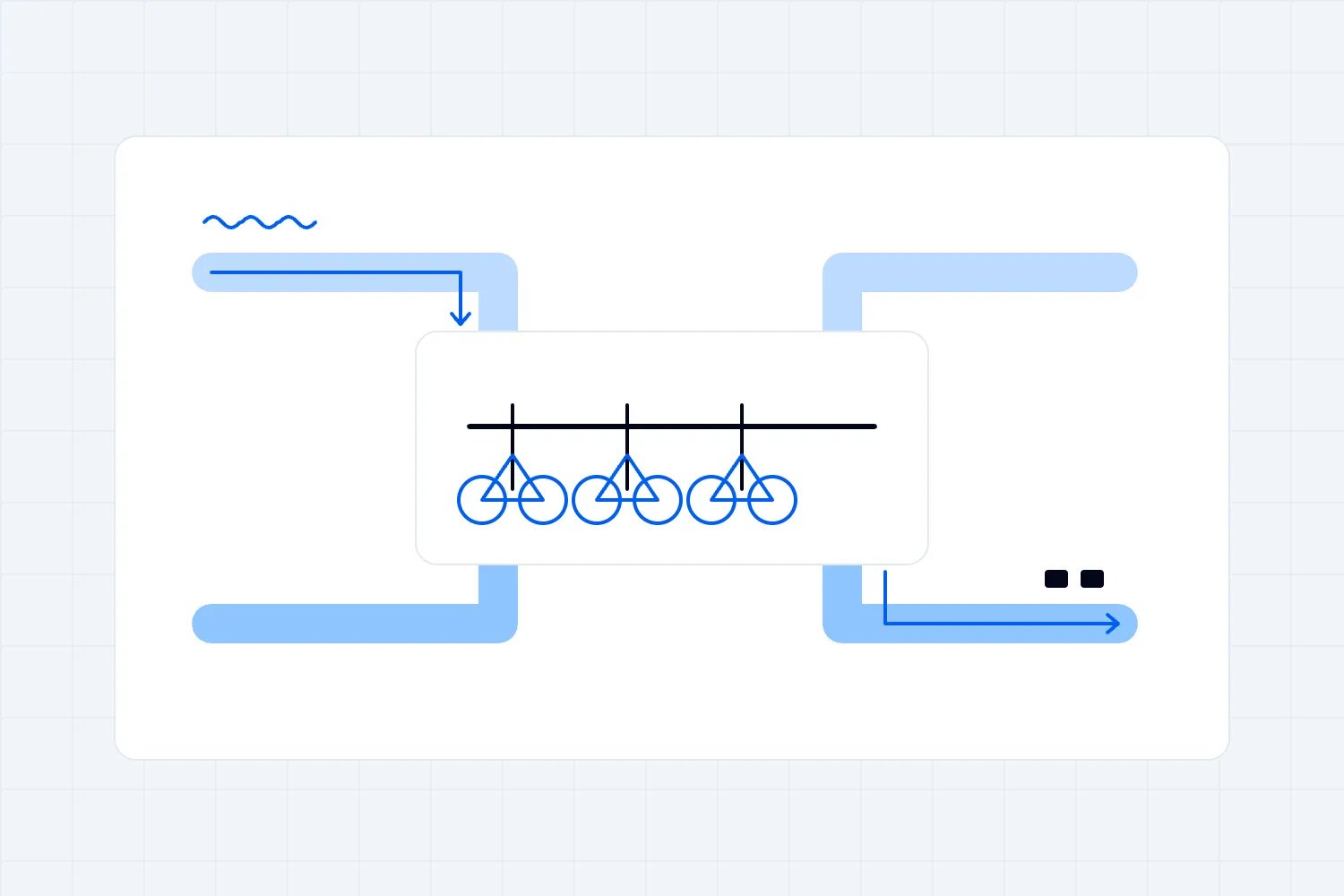
Here's a deliberately simplified arithmetic exercise. Ninety-six swimmers with four accepted races each create 384 individual swims. Imagine those swims divide evenly across eight event groups, with forty-eight swims in each group. An event group here means one set of entries that the approved rules allow to be seeded together. It isn't permission to combine categories whenever that makes your schedule easier.
With six competition lanes available, each group needs eight full heats. Eight groups therefore create sixty-four heats. If you split those groups further, the number of partially filled heats may rise. If the actual entry distribution is uneven, the calculation changes. Use the real category structure and entries when checking the session you intend to sell.
Suppose each heat is allocated an average three-minute block, covering the swim and the turnaround before the next heat. Include the final heat's finish and clearance in its block too. Sixty-four blocks would occupy 192 minutes. That is an invented timing assumption, not a claim about how fast your swimmers or officials can work.
Our proposed racing window is 10:00 to 14:30, which gives 270 minutes. Allocate thirty minutes within it for planned breaks. Under the three-minute assumption, that leaves forty-eight minutes for interruptions and other programme allowances. Those minutes must be checked against the actual duties and rules; they aren't automatically spare space for more entries.
Now change the average heat interval to four minutes. Racing alone takes 256 minutes, and adding the thirty minutes of breaks gives 286. The session is sixteen minutes longer than the entire window, before you retain any interruption allowance. The swimmer total hasn't changed. The programme has simply become slower than the assumption used to sell it.
That's why I'd set the entry ceiling after checking a realistic seeded programme. Ask the competition lead to estimate each heat using the expected slowest finish and the actual starting and clearance arrangements. Check the gaps between each swimmer's races, any mandatory session or daily restrictions, and the officiating team's ability to sustain the programme.
Then test a slower programme. What happens if a timing problem adds a delay, an event fills differently, or access arrangements require more time? Some of those issues need extra allowance; others require a different format. You can't solve every problem by asking the referee to start the next heat sooner.
Our six-lane calculation also assumes all six lanes are genuinely available for racing. If the agreed warm-down arrangements require a competition lane, rebuild the model with fewer racing lanes. For this fictional proposal, a separate suitable pool is assumed to be available and included in the operating plan. Without confirmation of that facility and its supervision, the example doesn't support selling the original programme.
Agree the pool booking around the whole meet
A pool quote needs to describe the event you'll actually run. Ask about exclusive use, the competition pool, any separate warm-up or warm-down water, changing facilities, spectator accommodation and the rooms needed for officials and administration. Confirm which spaces remain open to the public and how your participants are kept within the agreed areas.
For our proposed day, the venue booking is 07:00 to 17:00. The public racing window is much shorter. Staff need time to inspect the setup, test timing, brief workers and receive competitors. After racing, you still have result checks, presentations, changing-room departures and removal of equipment. A booking that finishes at the last race leaves no room for those tasks.
Get the equipment responsibilities in writing. Agree who supplies and checks lane ropes, starting equipment, timing equipment, backstroke flags, displays, public address and any other required competition equipment. Have the venue and competition lead confirm suitability, including pool dimensions and starting conditions. Ask specifically whether racing starts are permitted under the agreed conditions.
Britain's Health and Safety Executive publishes guidance on health and safety in swimming pools for those involved in pool operation and management. Use the relevant local framework with the pool operator. The event plan needs to fit the facility's procedures, rather than assuming that ordinary leisure operation covers a competition configuration automatically.
Name the person controlling the venue and the person controlling the competition. Agree who can stop water activity, who decides whether the facility can reopen and who communicates a delay. Have the competent providers establish lifeguarding, first aid and other cover for all occupied areas and hours. A race official's qualification doesn't by itself establish that they are covering a lifeguard post.
Check the costs people often discover late. Does the hire include changing-room cleaning, extra security, equipment installation, staff overtime and the separate pool? Are catering or sponsor rights restricted? Who pays if you need additional access time? Ask for the full event scope and the payment dates, with cancellation terms that match your ability to commit.
Walk the route for equipment too. A timing supplier may need access before swimmers arrive, and cables or cases can obstruct circulation if there isn't an agreed setup. Keep the technical desk, access routes and emergency equipment usable throughout. Don't let a tidy plan for an empty building become impractical once clubs arrive with bags.
Treat warm-up as a managed part of the programme
Warm-up needs its own plan, supervision and access rules. It isn't simply the period when the doors happen to be open before racing. Ask the competition lead and pool operator to agree who may use each area, when they may enter and which activities are permitted. Confirm the same arrangements for any separate warm-down pool.
For an example of how specific local requirements can be, Michigan Swimming's warm-up procedure calls for a designated supervisor throughout warm-up and distinguishes ordinary feet-first entry from starts in specified lanes. It also addresses supervision of separate warm-up areas. Those are Michigan requirements for the competitions described there, not a universal lane plan to copy into your meet.
Your published instructions should reflect your approved arrangement. State how swimmers are allocated, where coaches stand, who controls entry to the water and how a change is communicated. If warm-up is divided into groups, tell each club its allocation before arrival. Don't invite everyone to the same start time and expect the deck team to invent a fair sequence.
In our proposed timetable, 09:00 to 09:45 is reserved for warm-up, followed by preparation for the 10:00 racing start. That is a placeholder awaiting the relevant approvals. It doesn't establish that forty-five minutes can accommodate ninety-six swimmers. If the assessed arrangement needs longer, fewer simultaneous swimmers or additional groups, the timetable and entry offer have to change.
Follow a swimmer's actual route. They arrive, change, find their coach, reach their allocated warm-up and later report for their race. Where do they wait without blocking another group? Can they hear the instructions? Where do they go if they miss their allocation? Test that sequence with the people who will manage it rather than describing it only as "controlled access".
Keep the separate pool in the same exercise. A room labelled warm-down on a floor plan still needs suitable access, supervision and operating hours. If that pool closes early, the competition lead must review what it means for the remaining races. Admissions staff shouldn't start directing swimmers somewhere else because it looks less busy.
Budget the approved provision before confirming prices. If the meet only appears affordable when you leave warm-up cover out, you haven't found a saving. You've priced an event you cannot yet deliver. Reduce the programme, secure additional funding or find a suitable alternative before accepting paid entries.
Set a spectator allocation that includes everyone using the gallery
Spectator capacity should come from the venue's competent assessment for the exact event configuration. Ask about the viewing gallery, entrances, exits, accessible accommodation and the facility's overall occupancy. Confirm which workers and other attendees count towards each limit. A published seating figure may describe a different layout or exclude people your event needs to accommodate.
For a fictional allocation exercise, assume the venue approves a gallery occupancy of two hundred people, including gallery workers. Eight places are needed for those workers, and twelve are allocated to agreed guests and companions. That leaves 180 admissions available for public sale. These figures are invented, not a recommendation for staffing, companion provision or safe capacity.
Accessible viewing and companion arrangements must be resolved within the approved plan before release. Some public tickets may need a particular viewing position or associated companion place. Record those allocations consistently and adjust the remaining availability. Don't sell every ordinary seat and then discover that the only usable route or viewing space has been blocked.
Keep athlete and coach accommodation separate from the gallery promise. If swimmers are allowed to watch from the gallery between races, they use its capacity too. In this example, the organiser hasn't included unrestricted gallery access in swimmer entries. Any permitted movement needs an actual allocation and counting method agreed with the venue, rather than an assumption that athletes won't all visit together.
Decide whether spectators buy a full-day admission or a named session. Our example offers one session covering the advertised racing programme and presentation, with the opening time stated clearly. If you sell morning and afternoon admissions, allow time and staff for the actual changeover. Don't release another full allocation because the first ticket's printed end time has passed.
Re-entry deserves a practical test. Ask how the ticketing setup and venue counting process handle someone leaving and returning, a transferred ticket or a duplicate presented at another entrance. A valid payment record doesn't establish current occupancy. Brief staff on the agreed procedure and provide a supervisor for exceptions.
Make the viewing offer worth paying for. Can someone identify the race, see the relevant lanes and follow the result? Test the display and announcements from the seats you plan to sell. If a section has restricted sightlines, describe that accurately or change the allocation. Families shouldn't pay for a view that only works when everyone in front sits still.
Make athlete registration and ticket sales work together
Use the competition entry system for the sporting information the meet requires. That can include the swimmer's accepted identity, membership or eligibility details, entered events and entry times. The responsible competition team checks those records and produces the accepted programme. Choose the system and process with them, including any required results submission.
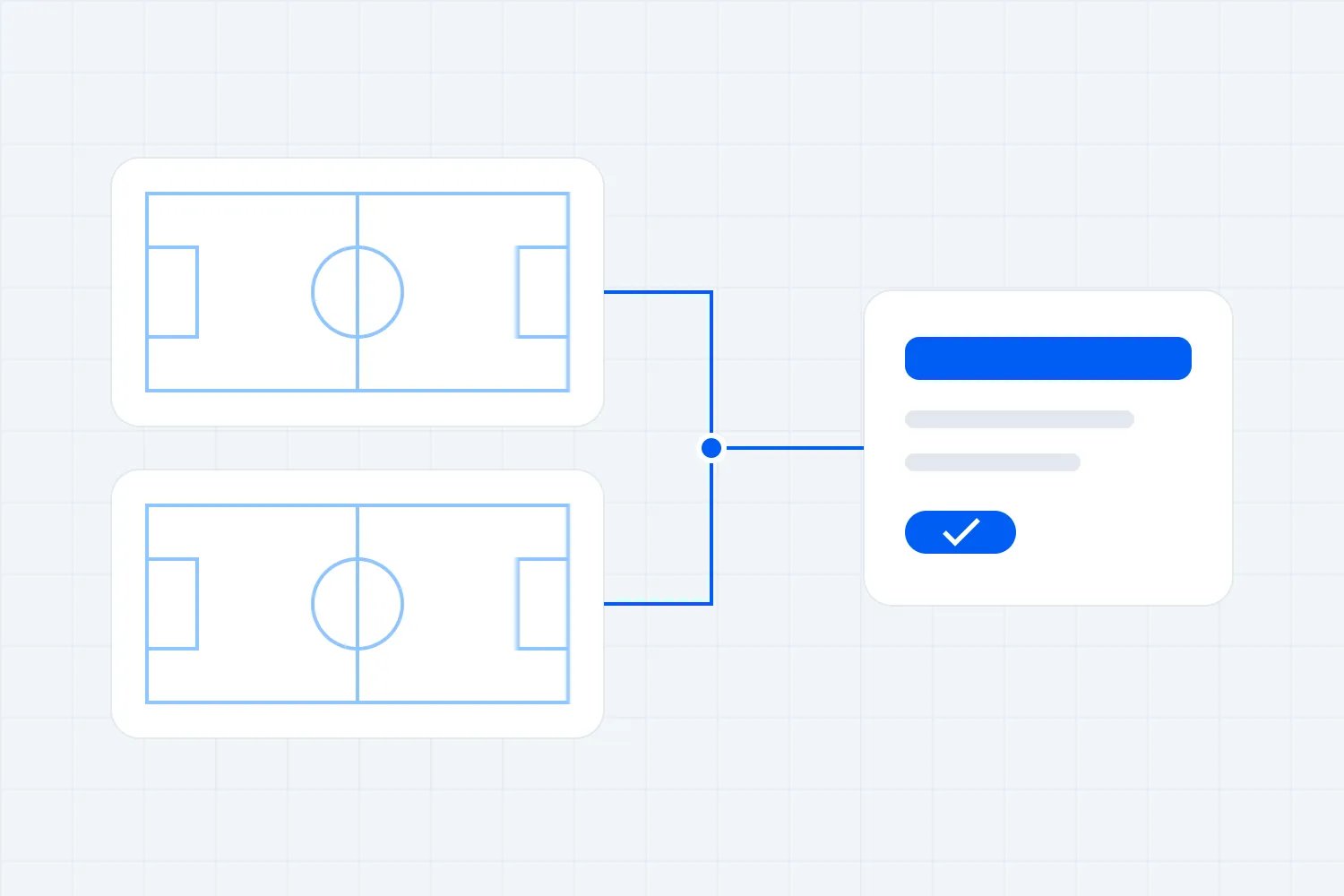
Spectator sales have a different job. Buyers need the session, price, quantity and admission conditions, followed by a ticket the door team can check. Loopyah's online ticket selling tools provide ticket types, prices and quantities, payment and QR tickets linked from the confirmation email. Door staff can be given check-in access to scan those tickets from their phones.
Set up the actual session products around the admissions plan. A ticket labelled only "adult" doesn't tell the buyer whether it covers the morning, the entire meet or a particular day. Test the full purchase with someone who hasn't seen the planning file. Ask them to explain what they bought and which entrance they'll use.
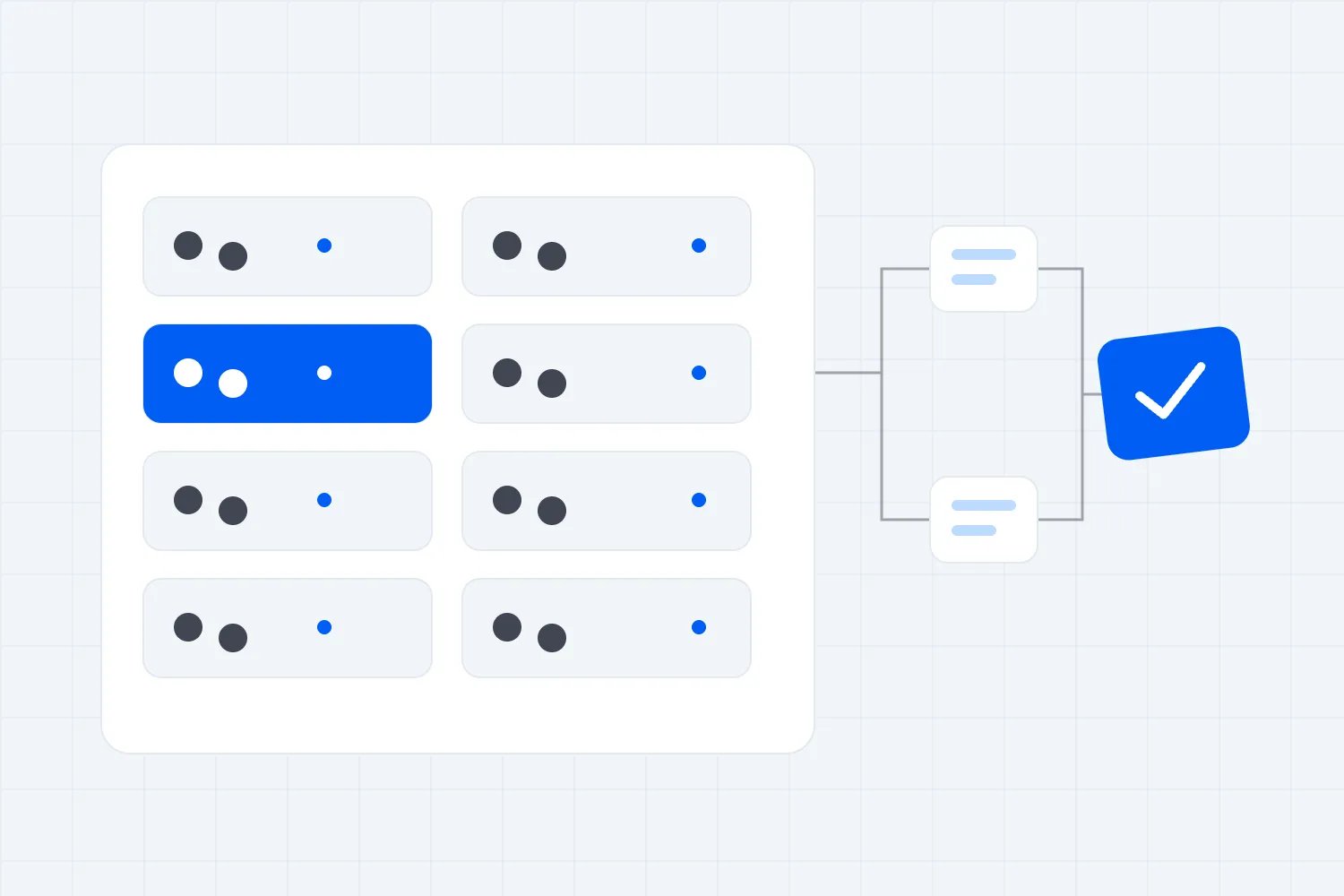
Don't treat spectator checkout as proof of sporting acceptance. Before adopting any combined payment arrangement, establish how accepted swimmer entries, changes and refunds will be reconciled with it. Race seeding, swimming eligibility checks and official result submission need a verified competition process agreed with your swimming partner.
Keep one agreed reference linking the accepted swimmer record to the relevant payment, where needed. Give each team access only to the information required for its work. The door team doesn't need the athlete's private medical information to admit a spectator, and the timing operator doesn't need a customer's full payment history to publish a result.
Test exceptions before launch. Run through a club paying for several swimmers, a rejected race request, an amended name, a spectator buying for someone else and a refund that changes admission. Confirm who owns each correction and how the other affected records are updated. A process that only works for the simplest purchase will create work at the busiest moment.
Build a budget that survives ordinary sales variation
Separate swimmer income from spectator income and apply the actual costs of each. A race package might carry competition administration, awards and a selling charge. A spectator admission has its own selling and attendance costs. Use current quotes and your chosen fee arrangement. The numbers below are invented in USD and aren't Loopyah prices or estimates of local pool hire.
Suppose fixed costs total $6,000. That includes $1,800 for the competition and separate-pool booking, $1,000 for assessed safety and medical provision, $1,000 for officials and timing, $600 for planning and meet management, and $400 for admissions work. Add $250 for awards, $250 for insurance and approvals, $200 for promotion, $200 for cleaning charged separately from hire and $300 of contingency treated as spent.
Those categories need the full staffing and supplier scope, including setup, breaks and pack-down. They don't prescribe how many qualified people a real meet needs. If some officials volunteer, record the agreed expenses and support honestly. Don't describe unpaid essential work as a permanently free resource, especially when you're assessing whether the event can be repeated.
Assume the $70 swimmer package has $10 of variable costs, including hypothetical selling charges, participant consumables and incremental administration. Each package then leaves $60 towards fixed costs. Assume a $20 spectator admission has $3 of variable costs, leaving $17. For simplicity, this example assumes no sales tax applies; include applicable taxes in your own calculation. It excludes income tax.
With eighty accepted swimmer packages and 120 paid spectator admissions, the event retains $4,800 plus $2,040 before fixed costs. Subtract $6,000 and the planned surplus is $840. That's after the listed delivery costs and the contingency allowance, but it isn't a promise of profit or a measure of cash currently available.
Now test weaker attendance. Seventy-two swimmers and ninety spectators contribute $4,320 plus $1,530, leaving a $150 loss. With seventy-two swimmers, ninety-nine spectator admissions would contribute enough to leave just $3 after fixed costs. That is a mathematical break-even point under these assumptions, not a sensible target if your estimates remain uncertain.
Check the upper limit as well. Ninety-six swimmers and 180 paid spectators would leave $2,820 after the assumed costs. You can't use that calculation to justify adding a swimmer or a gallery place beyond the approved limits. It only shows the maximum result for this particular commercial exercise if every available product sells at the assumed price.
I'd decide whether to go ahead using a cautious sales forecast backed by actual club interest and paid bookings. Ask clubs for realistic numbers and check actual spectator purchases rather than multiplying every swimmer by an imagined family group. Our event budget guide explains how to keep that forecast separate from supplier commitments and the payment schedule.
Check the cash separately. Imagine $2,500 of deposits must be paid before entries open, while the rest of the fixed costs fall due closer to the meet. You need an identified source for that first $2,500. Expected ticket income cannot pay an invoice before sales start, and a completed checkout doesn't mean the proceeds have reached your bank. Use the actual payment and payout dates in the working budget.
As entries arrive, distinguish paid and accepted packages from unpaid applications or expressions of interest. A club saying it expects to send twenty swimmers is useful demand evidence, but it isn't $1,400 you can spend. Equally, a payment that may need to be returned shouldn't be treated as money safely available for a non-refundable supplier commitment. Review the cash you can use after allowing for the relevant refunds and remaining obligations.
Protect the margin when you offer discounts or accept changes
A discount reduces the money left to pay the pool and staff. In the base case above, twelve swimmer packages discounted by $20 reduce the $840 surplus to $600. That assumes their variable cost stays at $10. Use the real selling-fee calculation if the charge changes with the discounted price.
Suppose an approved additional venue and staffing period would cost another $500. Without the discounts, that would reduce the base surplus to $340. Apply both the discounts and that extra cost, and only $100 remains. A small concession and a modest overrun can consume most of what looked like a comfortable return.
That doesn't mean every club discount is a bad idea. It means the decision should have a reason. You might offer a clearly limited club allocation that helps establish the programme, provided the accepted events fit. Compare what you expect it to achieve with the money you give up. Avoid discounting entries you were already likely to sell at full price.
Be careful with promises to accept late changes. A new race entry can create a partially filled heat and additional work even when the swimmer total stays within your headline limit. Have the competition lead approve amendments against the actual programme and published conditions. An admissions salesperson shouldn't accept the payment first and ask officials to accommodate it later.
Set your commercial decision dates around the contracts. Identify the point when pool hire or specialist staffing becomes substantially committed, then compare confirmed income and remaining credible demand. If you're short, make a specific decision about funding, a permitted smaller format or cancellation before another large payment becomes due. Keep buyer remedies separate from what a supplier might eventually refund you.
Plan accessibility and welfare before allocating space
Walk the full visit with the venue. Check the route from arrival to changing, poolside, the spectator area and toilets, along with emergency arrangements. Ask how someone requests an adjustment privately and who confirms what can be provided. Describe the actual facilities and relevant limitations on the event page, with a contact who can resolve questions before purchase.
The US Access Board's guide to accessible swimming pools and spas distinguishes access to the water from routes and supporting amenities. It concerns the built environment under the applicable US standards, rather than settling your event's operating arrangements. Elsewhere, use the relevant local requirements with the venue and appropriate advisers.
For a competitor, an accessible entrance doesn't answer how they reach the start, use the water or move between races. Have the competition team agree any classification, technical or assistance arrangements through the relevant rules. Don't ask a ticket seller to decide eligibility based on an access request, and don't promise an adjustment that the responsible team hasn't confirmed.
Welfare still matters at an adult meet. Name a reporting contact, agree conduct expectations and consider privacy in changing and treatment areas. Tell staff how to escalate a concern without discussing someone's personal circumstances over an open radio. Keep emergency contacts and sensitive information available to the people who need them, through an agreed restricted process.
If your actual meet includes children, develop a separate, suitable safeguarding plan with the responsible organisation. Swim England's Wavepower policy must be adopted by its affiliated clubs and organisations, and includes adult safeguarding as well as child protection. Other jurisdictions and governing bodies have their own requirements. Check the current version that applies to your event.
For junior participation, resolve supervision, changing arrangements, authorised collection, photography and reporting before entries open. A parent buying spectator admission doesn't establish who is supervising the swimmer. Equally, a club coach being present doesn't settle every responsibility outside the competition area. Record the handovers and brief the people who will actually manage them.
Decide how timing, results and corrections will work
Ask the competition lead to trace a result through the full process. The swimmer must be correctly identified in the accepted entry, assigned to the appropriate heat and lane, recorded by the approved timing arrangement and included in the checked result. A clear display at the finish is useful, but it doesn't resolve an incorrect identity or an outstanding official decision.
Test the actual equipment with its operators before meet day. Agree the permitted backup procedure with the officials, what happens when equipment fails and when racing must pause. Confirm who can authorise a result for release. Don't promise the same result status after changing the timing arrangement unless the responsible competition authority confirms that it is valid.
Tell clubs where to find provisional and confirmed results and how those are labelled. Explain the approved route for a query or protest, including any required deadline. Keep that route separate from ordinary customer support. A spectator asking why a display changed needs a helpful explanation, while an official challenge needs the procedure set by the competition rules.
For awards, allow the responsible officials to complete the relevant checks before the presentation. If a correction remains unresolved, decide with them what can be announced and tell the affected swimmers what happens next. Avoid creating pressure to declare a result simply because the gallery is waiting or a photographer is ready.
Agree the post-meet work too. The competition team needs to know who handles any required result submission, correction and entrant queries after the equipment leaves. Include that time in the management or technical scope. Publish only the information appropriate to the agreed results process, and keep private registration details out of public files. A proper finish to the meet includes resolving those records, even after spectators have gone home.
Sell the programme through clubs before chasing a larger audience
Start with clubs whose swimmers fit the proposed standard and eligibility conditions. Send a concise invitation with the approved programme, entry price, relevant result status and acceptance process. Ask the coach or club administrator whether the race choices and date work for their swimmers. Their answer can reveal a scheduling problem before you spend money promoting it more widely.
Keep interest and commitments distinct. If clubs need to consult their members, agree when they can return a realistic entry forecast. Give them the current entry page and a named contact for technical questions. A coach shouldn't have to interpret an attractive poster to discover which events are available or whether visiting swimmers are eligible.
For spectators, explain what someone can watch, the session hours and the viewing arrangements. Let confirmed clubs share that page with supporters after entries are accepted. Monitor paid admissions against the actual allocation. If club demand is strong but gallery sales are weak, find out whether supporters understand the offer before assuming that a broad advertising campaign will solve it.
Give clubs and spectators different arrival instructions
Clubs need the accepted entries, current programme, warm-up allocation, coach accreditation process and reporting instructions. Include the correction deadline and the contact for a problem on the journey. Have a recognised club contact acknowledge important changes, particularly when they affect a swimmer's first race or warm-up. Don't rely on a social post finding everyone.
Spectators need a shorter message explaining ticket retrieval, the entrance, opening time, parking, viewing arrangements and any restrictions. Explain how to request access support and where to get help if their phone or ticket fails. Keep unnecessary technical competition information out of that message so the essential arrival details are easy to find.
Loopyah's attendee email tools support event updates to ticket holders, separately from promotional emails to people who agreed to receive marketing. Use the appropriate event communication for practical spectator changes. Club entry contacts still need the sporting updates through the agreed competition process, particularly if their records are held elsewhere.
For our proposed meet, competitors report before their approved warm-up allocation. Spectators enter from 09:30 for racing scheduled to begin at 10:00. The programme runs to 14:30, with checked results and the presentation planned afterwards, finishing by 15:15. State which times are provisional and protect the remaining venue access for departures and clearance before 17:00.
Build one current programme and identify who maintains it. If a start moves, the officials, club contacts, announcer, admissions supervisor and customer support team need a consistent message. Explain what has changed and what the buyer should do. Don't send an updated start time while leaving the sales page advertising a conflicting one.
Rehearse the handovers and know when racing must stop
Before opening entries, test a complete fictional swimmer record through application, acceptance, payment, seeding and correction. Then test a spectator purchase through confirmation and door check. Resolve the handover between systems and people while there is time to change it. This is more useful than discovering on meet morning that nobody knows who can authorise an amended race.
Before the day, rehearse a failed timing component, an unavailable official, a closed warm-down area and a pool interruption. The relevant qualified people decide whether competition can continue and under which conditions. The commercial lead works out the buyer response once the safe and permitted options are known. Revenue pressure shouldn't decide whether the water reopens.
Use the venue's agreed emergency arrangements for immediate incidents. Separately, keep a decision record for a prolonged interruption, including who may approve extra spend, how long the booking can extend and what happens if the sold programme can't be completed. Our event contingency plan guide helps structure those commercial and communication decisions.
On the morning, have the responsible venue and competition leads confirm readiness before swimmers use the water. Check staff coverage, equipment, access routes, communications and the current programme. Give the admissions team a named supervisor who can pause sales or entry when instructed. Someone resolving a missing QR ticket shouldn't have to interpret a poolside emergency message for themselves.
After the meet, reconcile accepted race entries, completed races, swimmer packages and spectator admissions separately. Compare the actual heat intervals with the assumptions, and record why delays occurred. Review the final costs, buyer problems and staffing feedback before promising a larger programme. The next edition should be based on what the pool and team actually delivered, with the price adjusted to pay for that work.

Author: By the Loopyah Content Team
The Loopyah Content Team shares expert insights, practical guides, and industry updates to help event organizers create unforgettable experiences and stay ahead in the event planning world.