· 21 min read
How to run a paid-entry darts tournament
You've found a venue with boards, local players are interested, and the prize you want to advertise would certainly get attention. Now you need to work out whether the tournament can actually pay for itself and finish before the venue wants its room back. Those decisions are connected. More entrants bring more entry fees, but they also bring more matches, scoring duties and waiting around.
To run a paid-entry darts tournament, choose the playing format and test it against the boards and time you can genuinely provide. Then price the entry around those limits, publish the rules and prize commitment before taking payment, and put someone in charge of keeping the draw moving.
We'll use a small adult steel-tip singles event as the working example. You'll see how to compare formats, measure the playing area, plan match calls, protect the prize budget and sell an entry players understand. The numbers are hypothetical planning exercises, not suggested prices, standard match durations or evidence of what another tournament achieved.
Decide who the tournament is for
The first thing you want to do is describe the player you expect to enter. Local league regulars looking for a competitive open have different expectations from occasional players buying an afternoon out. Both can support a paid event, but mixing their expectations without explanation creates problems. One group wants proper competition; the other may feel its entry bought very little after an immediate defeat.
Choose singles or pairs, the intended standard and the eligibility rules. If you call the event a beginners' competition, explain what that means and how you will handle an entry that clearly doesn't qualify. If anyone meeting the published conditions can enter, say so. Avoid selling a friendly atmosphere as a promise that nobody strong will turn up.
Ask the local darts association what applies to your event. Sanctioning, eligibility, recognised officials and insurance conditions depend on the competition and location. A private event doesn't acquire governing-body approval because you copied its scoring rules. Get the relevant requirements clear before advertising ranking status, qualification opportunities or any formal affiliation.
For a first commercial edition, I would keep the entry offer narrow enough to explain in a conversation. One adult singles competition is easier to run than several overlapping divisions with different registration times. You can still make the afternoon welcoming through a clear briefing, a useful practice area and staff who help less experienced players find their next match.
Think about spectators separately. Are supporters included with a player entry, admitted free, or buying their own tickets? Is the final visible to everyone the room can hold? A spectator limit may need to be much lower than the venue's usual standing capacity once playing lanes, scorers and equipment occupy the floor.
Choose a format players will pay for
A straight knockout is simple. Lose a match and you're out. It uses fewer matches than a group competition, which can make it the sensible option when your room booking is short or your entrants mainly want a competitive draw. The weakness is obvious to a paying player who loses immediately. Explain the offer honestly rather than implying that every entrant gets an afternoon of match play.
Groups followed by a knockout give players more scheduled matches. They also require more board time and a published way to settle equal group records. Don't choose groups because the entry fee sounds easier to justify and then discover that the final cannot start until the bar is closing.
Consider a hypothetical field of sixteen players. A single knockout needs fifteen matches to produce a winner. Four groups of four need six matches per group, so twenty-four group matches. If the top two in each group advance, the eight-player knockout adds seven matches. That's thirty-one matches overall, before any consolation event or third-place playoff.
The arithmetic explains the cost of the offer. The group version gives each player three scheduled group opponents when the field remains complete and play proceeds under the stated conditions. It also creates sixteen more matches than the straight knockout. Those matches need space in the timetable and someone to record them.
A consolation draw can help early losers get another match, but it also creates another competition to administer. Specify eligibility, entry cost if any, prizes and the time it starts. Check that players cannot be required on two boards simultaneously. I would leave it out of an already tight first edition rather than announce it and cancel it halfway through.
There is also a difference between scheduled matches and guaranteed play. If a group opponent withdraws, the remaining players may have fewer matches unless you provide a replacement or another remedy. Explain that condition in the entry terms. Don't count a walkover as the same experience as playing a match when you describe what the fee buys.
Publish the number of legs for each stage. Best of three legs means the first player to win two legs takes the match; best of five means the first to three. Decide whether later rounds are longer before entry opens. A longer final can improve the occasion, but its extra time has to come from the booking you actually have.
Measure the boards and the room
For the steel-tip setup described here, use a recognised rules reference and have the competition lead check every board. The Darts Regulation Authority's current rulebook, in force from 31 March 2026, specifies a bull centre height of 1.73 metres and a horizontal throwing distance of 2.37 metres from the back of the raised oche to a plumb line at the board face. These are DRA specifications, not a claim that every darts format uses identical measurements.
The oche is the line or raised stop behind which a player throws. Measure the distance from the face of the board, not from the wall behind it. Account for any difference in floor level between the player and board. A familiar pub setup still needs checking when you are charging people to compete.
Walk the whole throwing lane. Players need room to take their stance, retrieve darts and return without crossing another thrower's path. The scorer needs a safe position and a readable scoring surface. Keep spectators, drink queues and routes to the toilets outside the playing lanes. A wall that can physically hold another board doesn't necessarily provide another usable match position.
Check the lighting while someone stands at the oche. Look for shadows across the board, glare in the player's eyes and reflections on a scoring screen. Test the fittings you will actually use during the event. A room inspection in daylight won't tell you enough about an evening competition under different lights.
Decide whether a practice board is separate from the competition boards. If your schedule assumes every board runs matches continuously, you cannot also promise unrestricted practice on them. Include practice space in the room plan and apply the same safe retrieval rules. Keep spare boards, fixing equipment and basic scoring supplies available, with a named person authorised to replace faulty equipment.
Great Britain's Health and Safety Executive advises organisers to assess crowd risks and venue suitability, including how people enter, move around and leave. Apply that thinking to your layout with the venue. Count players, supporters and staff together, then agree capacity and escape routes for the actual event arrangement.
Test the timetable before opening entries
Darts matches don't have a dependable finishing time. A short match can take longer than expected when players struggle to finish, and one delayed group can hold up the knockout draw. Work with the competition lead to estimate durations for the actual standard and leg format. Record where those estimates come from, ideally a rehearsal or relevant results from your own previous events.
Return to the sixteen-player group example. With four competition boards, you could allocate one group to each board. Each board then carries six group matches. If you use a provisional twenty-minute allowance per match, including changeover, the calculation gives two hours of group play. That is an illustration of the calculation, not a promise that each match ends within twenty minutes.
Test a slower case as well. At a thirty-minute allowance, the same six matches need three hours on each board. The difference is an entire extra hour before you can confirm the qualifiers. If your booking only works in the faster case, reduce the field, change the format before selling it, secure more time or add genuinely usable boards.
Build the order of group matches as well as their total. For a four-player group labelled A, B, C and D, one possible sequence is A against B, C against D, A against C, B against D, A against D, then B against C. Each pairing appears once. The sequence also shows why you need to inspect individual players' waits and marking assignments rather than assuming everyone has identical breaks.
Have the competition lead adjust that order for your rest requirements and scorer availability. A player should know when they can leave the playing area for food without missing a call. With groups on separate boards, a faster group may finish well before another. Tell those qualifiers how you will announce the knockout draw rather than letting them assume their next match starts immediately.
The later rounds behave differently. Four quarterfinals can run together on four boards, followed by two semifinals, then the final. You cannot divide the seven knockout matches by four and treat the result as elapsed time. Each round depends on the previous results, and the final is one match on one board.
Allow time to check the group standings, call players, resolve a disputed result and present the prizes. Include equipment trouble and the time everyone needs to pack down. If the venue has a hard finish, work backwards from that finish with a conservative scenario. Publish an estimated completion time alongside the parts of the schedule that are fixed, such as registration closing.
Agree a delay plan without giving yourself permission to rewrite the competition halfway through. You can move a match to another suitable board when the rules allow it, improve calls or correct an administrative hold-up. Shortening later rounds after people paid for a published format is a different decision. Set out any permitted contingency in advance and have its fairness checked by the competition lead.
Make scoring and disputes easy to handle
A board without a scorer can become an unused board. Decide whether trained staff score, players take assigned marking duties, or you use a combination. Marking means recording the score and remaining total during a match. Tell entrants about any required duties before payment, including what happens after they lose and whether they must remain available.
Don't rely on the room somehow finding a volunteer every time. Put the scorer's assignment in the match call, and have a spare person who can cover an absence or an entrant who needs assistance. If a qualified referee is required by your competition's rules, budget for that requirement rather than treating any available player as an equivalent substitute.
Choose a scoring method your team can operate confidently. A tablet can make the running total clearer, but it still needs correct input, power and an operator. Paper can work well when the marker understands the game. Test the backup method before doors open and decide how completed results reach the draw controller if the network fails.
Explain the basic playing rules at registration without turning the briefing into a lesson on every possible finish. Under the DRA rules cited above, the usual starting format is straight-in 501 and a finish at exactly zero on a double, unless the event format states otherwise. Your adopted rules should cover scoring, the order of throw and what happens when a player exceeds the remaining total.
Publish who decides scoring disputes and when players must raise them. Encourage players to query a doubtful score while the evidence is still visible and before removing darts. Don't invent your own universal correction deadline; use the rule set you adopted. The draw controller should receive an agreed match result rather than two competing accounts delivered several rounds later.
After each match, record the result, confirm it with the players and update the next call. For groups, decide the tiebreaking order before entries open, including what happens when the usual measures still leave players equal. Define how withdrawals affect previous and remaining results. A player should never discover the qualifying rule after learning which version would eliminate them.
Set an entry fee that covers the promise
Start with the costs you commit to delivering the advertised competition. Include the room, board hire or transport, lighting, officials, administration, marketing, insurance where required and prizes. Add the cost of your own work. A tournament can appear profitable when the organiser has quietly donated several days of labour.
Separate fixed costs from costs that change with each entry. In a hypothetical USD budget, imagine fixed costs of $600, including a guaranteed $200 prize fund, and an entry price of $30. Suppose variable costs, including payment costs in this fictional example, are $5 per paid player. Each entry then contributes $25 towards the fixed costs.
You would need twenty-four paid entries to cover that $600. Our working event can only accept sixteen players. At capacity it produces $480 in gross entry revenue and $400 after the assumed variable costs, leaving a $200 loss against the fixed budget. Selling every available entry doesn't fix the problem.
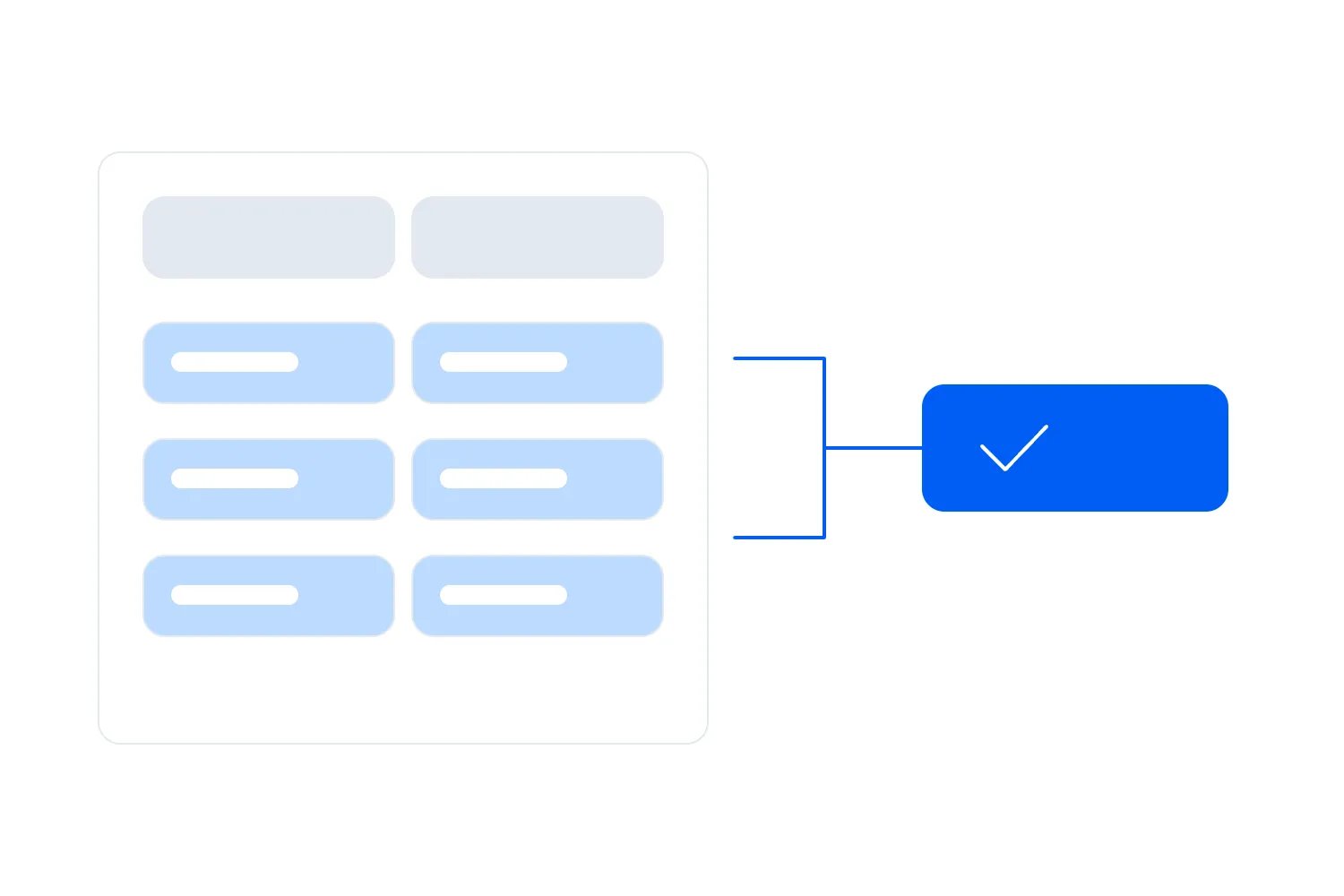
The chart compares those two counts under the same fictional budget. The longer bar isn't permission to sell more places. It shows that your required sales exceed the competition's approved capacity, so you need to change the costs, price or confirmed additional income before accepting entries.
| Label | Paid player entries |
|---|---|
| Approved playing capacity | 16 |
| Entries needed at $30 | 24 |
That is the decision to address before advertising. With those hypothetical costs and sixteen entries, the break-even price would be $42.50 per player, calculated as $600 divided by sixteen, plus $5 variable cost. That leaves no profit and no extra allowance for an unexpected bill. Whether your players will pay that amount is a separate question you need to test.
You could negotiate the room cost, find confirmed sponsorship, change the offer or choose a different viable format. You could also decide the event isn't ready. Don't simply increase capacity when the board schedule already limits the field. Our event budget guide explains how to develop the wider cost plan and track it against actual spending.
Run the budget at a lower sales figure too. With twelve entries at the same hypothetical $30 price and $5 variable cost, you have $300 towards the fixed budget, producing a $300 loss. Comparing twelve entries with sixteen makes the exposure clearer. It also tells you how much confirmed sponsor income or cost reduction would be necessary before the offer becomes workable.
Keep a separate cash plan showing when bills and prizes must be paid and when entry proceeds are available to use. Accounting profit doesn't mean the money arrives before the venue deposit is due. Avoid committing funds needed for potential refunds to a prize purchase you cannot reverse. Confirm payment timing with your providers and agree who can authorise a refund or a prize payment.
Treat refreshments and spectator sales carefully. If the venue keeps the bar revenue, those purchases aren't your income. If you receive a share, confirm the calculation and payment terms in writing. Count sponsorship only when the commitment is dependable, and separate cash from donated goods. A donated trophy reduces a cost; it doesn't pay the room invoice.
If a sponsor closes the budget gap, describe what you owe them and cost the work. A board sponsor may expect signs, mentions and photographs of its display. Confirm where the signs can go without distracting players or blocking sightlines, who approves the materials and what evidence you will deliver. Sponsorship money is useful only when the promised activity fits the tournament you can run.
Be precise about prizes and permissions
A guaranteed prize is a commitment you can fund even when sales disappoint. If you advertise a guaranteed prize fund, keep it in the budget as promised. Don't reduce it on the day because fewer players arrived. Consider the cash you need before the event as well as whether the final accounts might eventually show a profit.
An entry-dependent prize structure needs equally clear terms. Explain the qualifying entry levels, the prize at each level, when the relevant count is taken and how refunds or withdrawals affect it. Show those conditions before purchase, with worked examples where the calculation is complicated. Have the wording checked against the consumer rules that apply where you operate.
Publish the split between winners and other places, payment method and expected payment timing. State whether a prize is cash, merchandise or a voucher with restrictions. If sponsors provide prizes, confirm availability and any collection conditions. A headline prize description shouldn't leave the winner guessing what they have actually won.
Check local requirements for paid competitions and any additional promotions. The Gambling Commission's guidance on prize competitions explains the distinction between genuine skill competitions and lotteries under the law it regulates in Great Britain. It doesn't approve your tournament or establish the rules for other countries. A raffle, side bet or random prize promotion requires its own assessment.
Agree venue permissions covering the event you intend to run, including alcohol, music, opening hours and any activities outside the normal booking. Confirm responsibilities with the venue and relevant local authority rather than assuming its usual licence covers every addition. The same applies to insurance conditions, first aid arrangements and staff responsibilities.
Write a cancellation decision date into your operating plan. If sales are below the number that supports the event, decide while you can still notify players and handle refunds properly. Don't change a guaranteed prize into a conditional one to avoid that decision. Your refund policy should explain the relevant circumstances before buyers commit, while respecting their legal rights.
Sell entries with clear player information
The event page should let a player decide whether to enter without messaging you for basic details. Include the competition type, eligibility, leg format, scheduled matches, registration deadline, estimated finish, prize terms and any marking duties. Say whether players bring their own darts and explain the arrangement for anyone who doesn't have equipment.
Distinguish the purchase deadline from the registration deadline on the day. An entrant may have paid weeks earlier and still need to report to the competition desk before the draw closes. Explain what late arrival means, who to contact about a travel problem and whether a replacement or transfer is possible under the terms.
Keep player entry and spectator admission understandable. A supporter shouldn't accidentally buy a playing place, and a player shouldn't assume a spectator ticket enters them into the draw. Explain access to the final, re-entry and any age restrictions. Match the capacity offered for sale to the venue arrangement and playing schedule you have approved.
When you're ready to take payment, Loopyah ticketing supports ticket types and emails buyers a link to their QR tickets. Door staff can scan those tickets from their phones with check-in access. That handles paid admission, while your competition team still needs to confirm the player roster, produce the draw and manage scores.
Collect the information required to run the event and explain how you will use it. The Information Commissioner's Office describes data minimisation as limiting personal data to what you need under UK GDPR. For example, keep a player's contact details out of a publicly displayed draw and avoid asking every entrant for documents you have no operational reason to retain.
Tell buyers how published results, photography and future marketing will be handled, following the rules for your location. Receiving essential competition information isn't the same as agreeing to every future promotion. Give players a straightforward contact for access requests and questions that the event page doesn't answer.
Run registration and match calls consistently
Prepare the competition desk before the first player arrives. It needs the paid entry information, the latest eligibility decisions, the registration list and the rules. Give the person on that desk a way to contact the draw controller without leaving a queue unattended. Admissions questions and competition questions often need different answers.
Check the registered field against the paid roster and resolve missing or duplicated names before making the draw. If a replacement is allowed, document who approved it and update the competition record. Don't quietly add an unpaid friend because a paid entrant hasn't appeared yet. Apply the published deadline and absence procedure consistently.
Brief players on where match calls appear and how they confirm readiness. Use a visible call list alongside announcements where possible, and include the board, players and scorer. Define the response time and escalation before play begins. A loud room is a poor place to invent a fair procedure for deciding who heard their name.
Consider access through the whole event. Someone may manage the entrance comfortably but struggle to see the draw, hear a call or reach the scoring position. Discuss practical arrangements with players and the competition lead before the day. In England, Scotland and Wales, the government's Equality Act guidance explains the wider protection against discrimination; confirm the duties and sporting rules relevant to your event.
Keep track of board availability and results in one agreed competition record. A spare board helps only when the next players and scorer are ready and the competition rules allow the move. Tell the affected people about changes directly. Conflicting announcements from several helpful staff can leave an empty board while both players wait somewhere else.
Before opening doors, rehearse a complete match with your team. Register two test players, call them to a board, assign a scorer, enter a result and check that the right names reach the next round. Then try a wrong result and correct it using the agreed procedure. This exposes problems that a perfect-looking draw doesn't reveal, such as a result form with no match identifier.
Try the backup arrangements during that rehearsal. Unplug a scoring device, check the paper record and find the person responsible for the replacement. Confirm the draw remains available if the person carrying the main phone steps outside. Your recovery method needs to preserve completed results and current matches, not merely produce a fresh blank bracket.
Give staff a clear boundary for stopping play. An unsafe board fixing, someone crossing a throwing lane or a medical incident needs an immediate response from the responsible person. Agree how they alert the competition lead and venue, and how players receive the revised call. Financial pressure or a delayed final shouldn't push staff into continuing under conditions they have identified as unsafe.
During the final, preserve the same rules and working conditions you promised earlier. Manage spectators so the scorer can work and the finalists have room to throw. Have prizes ready, confirm the result and record payments. An exciting final is much easier to enjoy when nobody is looking for the person who knows where the prize money went.
Decide what to change before the next edition
After the room clears, compare the plan with what actually happened. Record paid entries, refunds, prize payments and the full cost of running the event. Separate money you earned from money the venue earned. Then look at match starts, delays and the time staff spent correcting records or finding players.
Ask players about the parts they bought the entry for. Was the standard appropriate? Did the format provide the expected amount of play? Could they follow the calls and understand the scoring decisions? A player can enjoy the venue and still decide the tournament wasn't worth entering again, so ask about those things separately.
Use the results to choose a specific change. If group play overran, review the match allowances and leg format before opening the next event. If marking caused repeated delays, budget for better coverage. If the advertised prize stretched the budget, reconsider the next edition's offer before selling it. Keep the promises made to this edition's entrants intact.
Before selling the next edition, ask the competition lead to approve the revised draw and the person responsible for the budget to confirm the price. Make both decisions using the same capacity, prize commitment and room booking, then open entries together.

Author: By the Loopyah Content Team
The Loopyah Content Team shares expert insights, practical guides, and industry updates to help event organizers create unforgettable experiences and stay ahead in the event planning world.