· 21 min read
Pre-event survey questions that help you improve a paid event
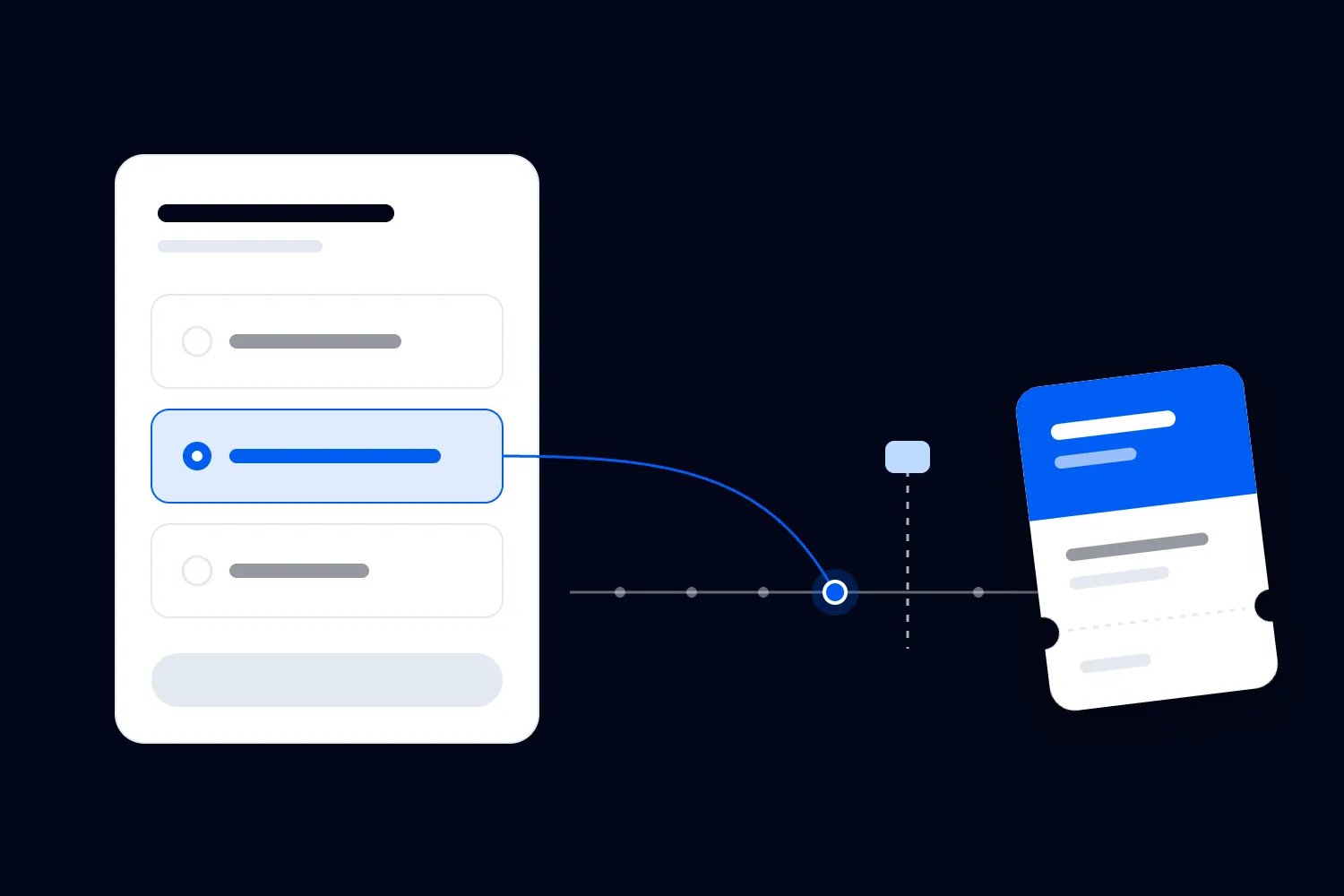
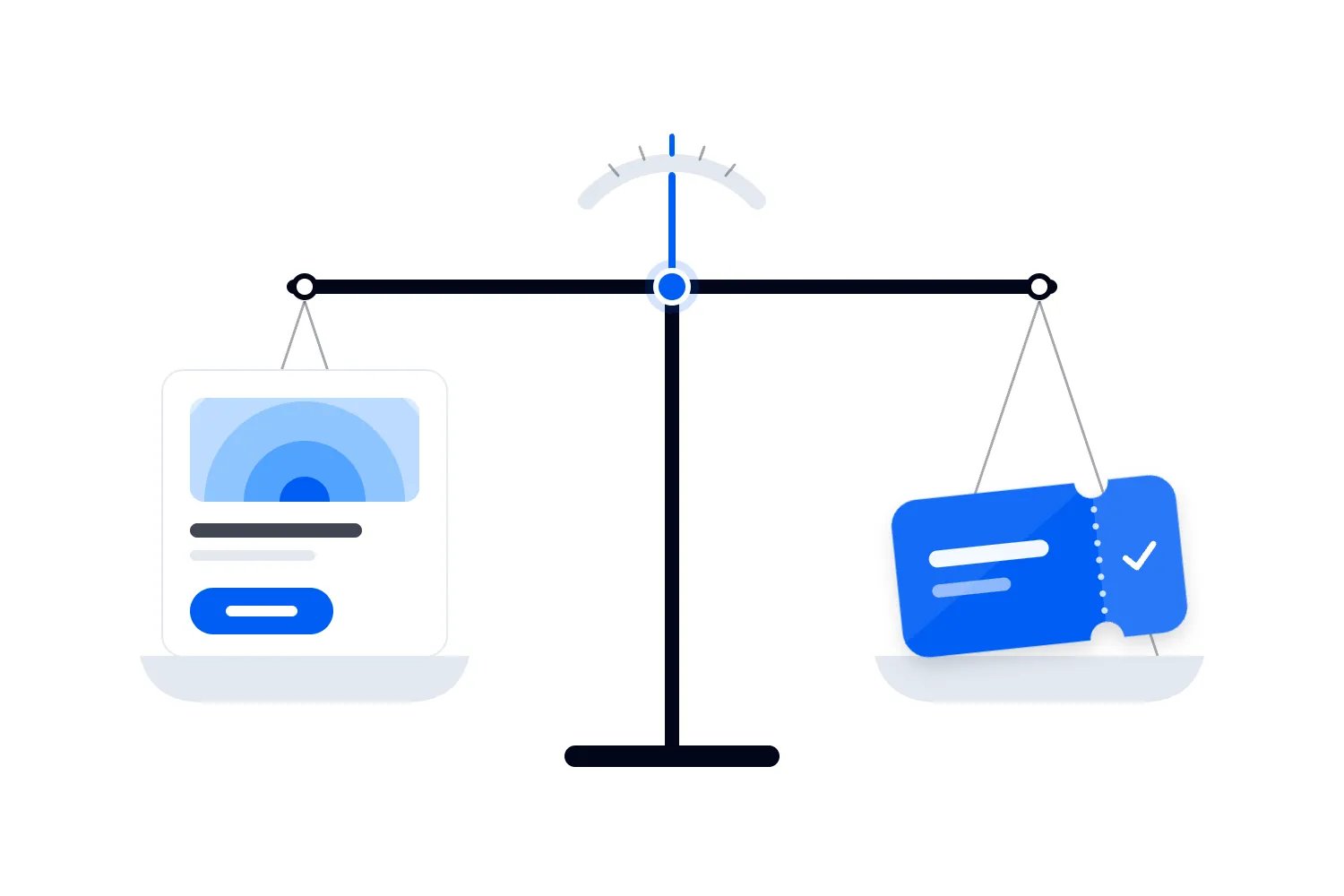
You've sold tickets, the programme is coming together, and someone suggests sending a survey. Sounds sensible. But what are you going to change when the answers arrive? If the room is booked and the schedule is fixed, asking people to choose a different venue or event time creates expectations you can't meet.
The best pre event survey questions help you make a decision while there's still time to act. Ask what attendees want to get out of the event, which available sessions interest them, and what information they need before arriving. Keep individual access requests and food requirements in a separate process where someone can respond and confirm the arrangements.
Below you'll find questions you can adapt for a paid conference, workshop, concert or festival, followed by a short survey template and a worked example. You won't need every question. Start with the decisions you haven't made, then choose the questions that help you make them.
Decide what the answers can change
Before writing the questionnaire, open your event plan and find the decisions that are still open. Perhaps a workshop facilitator can adjust the examples, your team can change the arrival email, or you can assign an extra host to the welcome area. Those are useful reasons to ask attendees for information.
For each question, write down who will read the answers, what that person can change, and the latest date they can make the change. If nobody owns the decision, the question probably doesn't belong in this survey. A fascinating answer is still wasted work if it arrives after the supplier's final deadline.
Say you're running a paid photography workshop. Asking about camera experience can help the tutor choose an appropriate starting point. Asking attendees to vote for an entirely different subject probably won't help once you've sold a workshop about portraits. You can improve the event people bought without reopening its basic promise.
A pre-event survey also serves a different purpose from a registration form. Registration establishes a booking. A preference survey helps you understand the experience people want. An operational request tells you that a particular person needs something arranged. Putting all of these in one long form makes it harder to explain what's optional and what happens next. Our event registration form template covers the booking and attendee details separately.
Use your event planning checklist to check the deadlines before sending anything. The catering deadline, room allocation deadline and final attendee email don't have to happen together. You may need an early question about an optional lunch booking and a later question about arrival information, each directed to the relevant people.
Questions about why people bought a ticket
Start with the reason someone is coming. It gives the rest of their answers context and can reveal a difference between what you think you're selling and what buyers expect. Don't assume that everyone at a professional event wants networking, or that everyone at a music event came for the headline act.
What made you decide to book this event?
Use a short text response if you want people to describe their motivation in their own words. If you need categories for planning, offer specific choices such as a named performer, a practical skill, the subject, spending time with friends, or meeting people in the industry. Include another reason and allow people to skip.
Ask this before showing your full list of programme benefits. Otherwise, you may encourage people to repeat the reasons you've just supplied. Pew Research Center's guidance on writing survey questions explains how wording, response options and question order can influence answers. Your own description of the event can accidentally become the answer you're measuring.
What would make attending worthwhile for you?
This works particularly well as an optional text question. A workshop attendee might want to finish a usable project. A conference attendee might want help with a problem at work. These answers give speakers and hosts something more specific to work towards than a general request for an enjoyable day.
You aren't promising to deliver every desired outcome. Read the answers against the event description and identify what you can reasonably support. If someone expects individual consultancy from a group workshop, clarify the format before the event. That conversation is easier before they arrive expecting something you never intended to sell.
Is this your first time attending one of our events?
Offer first time, attended before, and prefer not to say. Use the answer when you can change the welcome experience. New attendees may need a clearer explanation of how the night works, while returning attendees may already understand the venue but need to know what's different this time.
Don't ask simply to decorate a report. If your ticket records already tell you enough, use those records appropriately instead of asking again. Remember that a buyer's history may differ from the history of the person using the ticket, especially where someone has booked for friends or colleagues.
Questions about the programme and experience
These questions are useful while you can still adjust the content or help attendees choose between things already available. Tell respondents whether you're gathering preferences, taking a reservation, or offering a binding choice. The distinction matters when rooms, equipment or instructor time are limited.
Which of these announced sessions interests you most?
Show the actual sessions with short, comparable descriptions. Ask for one choice if you need the strongest preference, or a limited selection if attendees can attend several. Add undecided where appropriate. A vague session title can produce a weak response even when the underlying subject is useful.
Treat this as an indication of interest unless you've explicitly built a reservation process. Someone selecting a workshop hasn't necessarily booked a place. If a popular session needs controlled entry, explain the separate booking process and capacity. Don't let a casual survey answer become an accidental promise of admission.
How familiar are you with this topic?
Describe the levels through experience. For a practical class, options might be never tried it, tried it with help, use it independently, or use it regularly in paid work. These descriptions help a tutor more than beginner, intermediate and advanced, which different people interpret differently.
Use the answers to adjust examples, preparation guidance or support. If the event has advertised a particular level, keep teaching at that level. A group of experienced respondents doesn't justify changing a beginners' workshop into an advanced class after everyone else has bought the original offer.
What would you most like the speaker or tutor to explain?
Ask for one problem or question. This gives contributors a manageable way to respond without asking attendees to write a programme for you. Group similar answers and send a concise briefing to the speaker, with identifying details removed unless there's a clear reason and appropriate permission to share them.
For a practical workshop, encourage people to describe what they're trying to do and where they get stuck. For a conference, ask how the subject affects their work. Avoid collecting confidential client information or proprietary documents through a general survey. A useful question doesn't need someone's entire business history.
Which of these available activity formats would you choose?
Only list formats you could deliver, such as a guided exercise, an audience discussion, or a demonstration with questions. If you have no intention of changing the format, ask what preparation would help people participate instead. Voting for a format that cannot happen is frustrating for everyone.
For concerts and festivals, the equivalent might be interest in an existing daytime programme or an optional activity. Keep the main event clear. Survey responses should help you run the programme you've sold, while ideas for a future edition can go into a separate question with that purpose stated.
What information would help you choose your sessions?
Offer the level, expected outcome, format, duration, or equipment required, plus an optional other answer. If the timetable is already settled, this may be the most useful programme question you can ask. Better descriptions can help people make a suitable choice without changing the timetable at all.
Update the public programme where the answer would benefit everyone. Then tell booked attendees where to find it. Our event programme template guide explains how to set out the information people need to understand the day. The survey helps you find the missing detail in your version.
Questions about arrival and participation
Arrival questions help you prepare information and staffing. They shouldn't require attendees to research answers you should already provide. Publish the venue address, opening time, entry conditions and available travel information first, then ask what's still unclear. A survey is a poor substitute for a complete event page.
How do you currently expect to travel to the venue?
Offer relevant choices, including public transport, walking, cycling, taxi, being dropped off, driving and not decided. Use this for decisions you can still influence, such as highlighting station directions or explaining the drop-off point. Don't imply that a transport preference reserves parking or guarantees a shuttle place.
People's plans can change, so avoid treating the result as an exact transport forecast. Check it against actual bookings where you sell parking or transport separately. Survey interest can help you investigate a service, but you still need confirmed arrangements, clear prices and a booking process before promising one.
Which arrival information would be most useful?
Ask about the entrance, step-free route, parking arrangements, public transport route, bag policy, or another missing detail. Someone might need this information for themselves or for a companion. You don't need to ask for a diagnosis to learn that your entrance instructions are confusing.
Respond by making the information easy to find, with a contact route for individual questions. If one person cannot identify the accessible entrance, resolve it directly and check the public instructions. Waiting for enough survey respondents to mention the same problem would leave a known barrier in place.
Which part of the published arrival window do you expect to use?
Give choices that fit the event's actual opening and start times. This can help an operations lead consider the welcome desk or door staffing. Describe the answers as intended arrival times, and keep your staffing plan able to handle changes. People won't necessarily arrive when they expected to.
For a concert, clearly distinguish doors opening from the performance starting. For a workshop, distinguish optional early arrival from required check-in. Never use this question to quietly narrow the entry period someone bought. If the admission conditions change, communicate that change directly rather than hiding it in a questionnaire.
What would help you feel ready to take part?
A text answer can reveal uncertainty about equipment, clothing, participation or what happens on arrival. At a beginner dance event, people might want to know whether they need a partner. At a drawing workshop, they might be unsure whether materials are included. Answer the question before they spend money unnecessarily.
Read these responses promptly. Some will need a public clarification, and others will need a private reply. If the survey is anonymous, provide a separate contact route so people can ask for a response. An anonymous text box can't support a conversation with someone you cannot identify.
Keep access and food requests separate
Preference research and individual arrangements need different handling. You can summarise interest in a session without knowing who selected it. You cannot reliably arrange a specific person's access support or meal through an anonymous result. Give attendees a clear, monitored way to make those requests and explain when they'll hear back.
For access, a useful invitation is, "Please contact our access team if you'd like to discuss an adjustment or information you need to attend." Provide the actual contact method in your event communications. Explain relevant venue arrangements publicly so people can assess them without first having to disclose personal information.
Ask what arrangement the person needs, and avoid demanding their medical history through a standard survey. Confirm what you can provide, who is responsible and whether anything remains unresolved. A submitted form isn't the same as a confirmed arrangement. If a request arrives close to the event, give an honest response about the options available.
For food, distinguish an optional menu preference from an allergy or other requirement that needs an individual discussion. If catering is included, tell people how to contact the responsible team, what information that team needs, and when to send it. Someone choosing a vegetarian option hasn't answered every possible question about what they can safely eat.
The Food Standards Agency's allergen guidance for food businesses covers allergen information and handling practices in England, Northern Ireland and Wales. Work with your caterer on the rules and arrangements that apply where your event operates. A survey count doesn't replace that process or establish that a meal is suitable.
Individual requests can also reveal sensitive information. The UK's Information Commissioner's Office explains that special category data includes health information and religious beliefs, with additional conditions for lawful processing under UK GDPR. Check the requirements in your jurisdiction before collecting it. Don't assume a general consent checkbox covers every use.
Choose a short survey for your event
Here's a practical starting point for a paid workshop. Ask what the attendee hopes to achieve, how much experience they have, which advertised topic interests them most, what they'd like the tutor to explain, and what preparation information is missing. Leave the final text question optional and explain that the tutor will review the answers before the class.
For a conference, you might ask the reason for booking, the sessions of greatest interest, the kind of people attendees hope to meet, and what they need to choose their sessions. Only include the networking question if your team can use the answer to plan introductions or hosted discussions. Avoid asking for detailed professional profiles unless the activity requires them.
For a concert or festival, focus on information and activities around the programme. Ask which existing optional activity interests them, what arrival information they need, and what they're unsure about before attending. There's little value in surveying the booked audience about a replacement headliner when the artist is contracted and the tickets name that artist.
You can include a future-event question if you have a genuine decision to make, but label it accordingly. "Which of these subjects would you consider for a future workshop?" means something different from asking what people want at the event next week. Keep that distinction visible in the question itself.
Don't copy the whole question bank into one form. A short questionnaire focused on your event is easier to explain, easier to answer and easier to use. Estimate completion time by testing it with someone who hasn't written it. If that person needs to stop and interpret the choices, fix the wording before announcing a time estimate.
A copyable workshop survey
Here's wording for the portrait workshop example that you can adapt once you've checked your programme and deadlines. Replace the topic choices with subjects the tutor can actually cover. Keep the response options in plain language and use a short text box for the final question. This example gathers preferences; it doesn't reserve sessions or handle individual arrangements.
Opening message: "Help our tutor prepare for Saturday's portrait workshop. Your answers will help us choose examples and clarify the preparation instructions. Taking part is optional and won't affect your booking. Please reply by Tuesday. We won't ask for your name in this questionnaire. For a private reply or individual arrangements, contact the event team through the contact details in your booking email."
Use that anonymity wording only after confirming the form doesn't collect identifying details. Add the completion time you measured in testing and link your actual privacy information. If you identify responses, replace the sentence about names with a clear explanation of that setup.
What would you most like to be able to do after this workshop? Write a short answer, or skip this question.
Which description best matches your experience with portrait photography? I've never tried it, I've tried it with help, I can do it independently, or I use it regularly in paid work.
Which advertised topic would you most like the tutor to explain in more detail? Choose window lighting, posing your subject, camera settings for portraits, or undecided.
What's one question you'd like the tutor to answer? Please avoid including confidential information about clients or other people.
What information do you still need to prepare for the workshop? Tell us what's unclear about the published preparation instructions, or leave this blank.
Closing message: "Thank you. We'll email the final preparation instructions before Saturday. For a reply to an individual question, please use the contact details in your booking email." Provide the separate, monitored contact route for individual requests. If you can't offer a private reply through the survey, state that clearly. Then people can choose the right way to contact you. Have someone outside the planning team check the final wording before you invite booked attendees.
When should you send a pre-event survey?
Work backwards from the decision deadline. If the tutor needs time to adjust a practical exercise, send the questionnaire early enough to review the answers and prepare the materials. If you only need to clarify arrival information, the useful window may be later. There isn't one sending day that suits every event.
Set the response deadline before the internal deadline. Your team needs time to read comments, resolve unclear answers and decide what to change. Check the supplier's schedule too. Asking about an optional meal after the caterer has closed orders will give you a list of requests you may be unable to fulfil.
For an event selling tickets over a longer period, decide how later buyers will participate. You might include the survey link in a follow-up while the relevant decisions remain open, then replace it with the final preparation information. Don't leave a closed questionnaire in an automated message that new buyers still receive.
Keep important updates independent of survey participation. Everyone needs the final entrance instructions or equipment list, including people who didn't reply. If a preference led you to improve those instructions, send the improvement to everyone affected. Requiring people to finish a questionnaire before they discover essential event information creates an unnecessary obstacle.
Write the invitation and test the form
Explain why you're asking, what can still change and when responses are useful. For example, a workshop invitation could say, "Our tutor is choosing examples for Saturday's portrait class. Please tell us your experience and the problem you'd most like help with by Tuesday. Taking part is optional and won't affect your booking."
Add an accurate completion estimate after testing, the survey link, and a separate route for access or catering requests. If you plan to send a reminder, check whether your survey setup can identify respondents without contradicting your privacy statement. Otherwise send a general reminder that acknowledges people may already have replied.
Test the form on a phone and using a keyboard. Check that every option has a clear label, errors explain how to fix the problem, and submitting produces a confirmation. The W3C Web Accessibility Initiative's forms tutorial explains these basics, including instructions and grouping related controls. A visually tidy form can still be difficult to complete.
Keep answer choices distinct. "Beginner" and "some experience" can overlap; descriptions of actual experience are clearer. Give people a way to say they're undecided or that a question doesn't apply where that's a reasonable answer. Don't force a confident answer out of someone who hasn't made the decision yet.
Ask one thing at a time. "How useful are our session descriptions and travel instructions?" combines different subjects, so you won't know which one needs work. Split the question if both decisions matter, or remove the less useful part. Read every question with the decision owner before sending it.
If you use Loopyah's attendee email tools, you can build an email containing a link to your chosen survey and schedule the send. Choose the audience and send while answers can inform decisions. The survey tool collects the responses; don't assume an email campaign automatically knows who completed an external form.
Also check who receives the invitation. One person may have bought several tickets without being able to answer for everyone attending. Ask them to share an appropriate general survey link with their group, or use attendee contact details where you legitimately hold them. Make it clear whether you want one response per booking or per attendee.
Be accurate about anonymity and privacy
Only call the survey anonymous if the actual setup supports that description. A form may collect email addresses automatically, require a login, or attach identifiers to personalised links. Even free text can identify someone through what they write. Check the settings and test the response export before describing how the survey works.
If you need a name or booking reference, say why. Collecting contact details for an optional follow-up is different from quietly attaching them to every opinion. Tell people who will use their answers, what they're for and how to find the relevant privacy information. A practical explanation is more useful than a vague promise that you value privacy.
The ICO's guidance on data minimisation says personal data should be adequate, relevant and limited to what's necessary for the stated purpose under UK GDPR. Apply the appropriate rules where you operate, and decide what you actually need before choosing fields. Your programming team probably doesn't need attendees' home addresses to choose workshop examples.
Limit access to identifiable responses and set a retention approach that fits the purpose and applicable requirements. Give a tutor a summary of the learning questions, rather than forwarding an export containing food requirements and contact details. Keeping the workflows separate makes it easier to share useful information without exposing unrelated personal information.
Turn the responses into decisions
Start by counting valid answers to each question, including partial responses where useful. Keep the denominator visible. If people could select several topics, those selections won't add up to the number of respondents. A blank answer is missing information, not a vote against the topic or evidence that someone has no requirements.
Compare the respondents with the audience you invited using information you can appropriately access. If most replies came from returning attendees, the answers may tell you less about first-timers. If group buyers answered on behalf of whole tables, don't treat each answer as the view of every person holding a ticket.
You also need to distinguish preference from commitment. Interest in an optional paid class doesn't establish willingness to pay its actual price. An intended arrival time isn't a transport booking. Use the survey to identify the next decision, then collect a real booking where capacity or spending depends on a commitment.
For text responses, group repeated themes and retain useful exceptions. "I don't understand what to bring" might appear in several forms. Summarise the underlying problem, then check your preparation email. Don't reduce everything to a word count; a single detailed comment may explain a confusion that shorter answers couldn't describe.
A worked example for a paid workshop
Imagine a portrait workshop with tickets already sold. The tutor can still choose the demonstration examples and preparation guidance, but the advertised level, location and subject are fixed. You ask about experience, intended outcome, the topic attendees most want explained and missing preparation information. This is a hypothetical planning example, not a reported customer result.
The responses suggest two different needs. Some attendees want help positioning a subject near a window, while others are worried that they don't own studio equipment. The tutor can demonstrate the lighting technique with the materials already advertised. Your team can clarify what equipment is provided and what attendees should bring, without changing the workshop's promise.
One respondent asks for a different location. You can't move this event, but you can acknowledge the suggestion if they provided a contact route and record it for future venue research. Don't present that request as a vote you lost or a promise you broke. The invitation should already have explained which decisions were open.
Meanwhile, an attendee contacts the access team separately. Their request gets a named owner and a direct response. It doesn't wait for the tutor to finish reading survey comments. That separation lets the programme improve through collective feedback while individual arrangements receive the attention and confirmation they need.
When the workshop ends, ask what actually happened. Did the preparation instructions help? Did the examples answer the question people brought? A post-event survey can examine the delivered experience, while your pre-event responses explain the expectations people arrived with. Keep those measures separate when you review the event.
Before sending your own survey, choose the first unresolved decision and the date it must be made. Write the question that will help its owner act, test it with someone outside the planning team, and check the response process. Once you know how the answer will improve the event, the invitation becomes much easier to write.

Author: By the Loopyah Content Team
The Loopyah Content Team shares expert insights, practical guides, and industry updates to help event organizers create unforgettable experiences and stay ahead in the event planning world.