· 21 min read
How to run live polls that improve a paid conference session
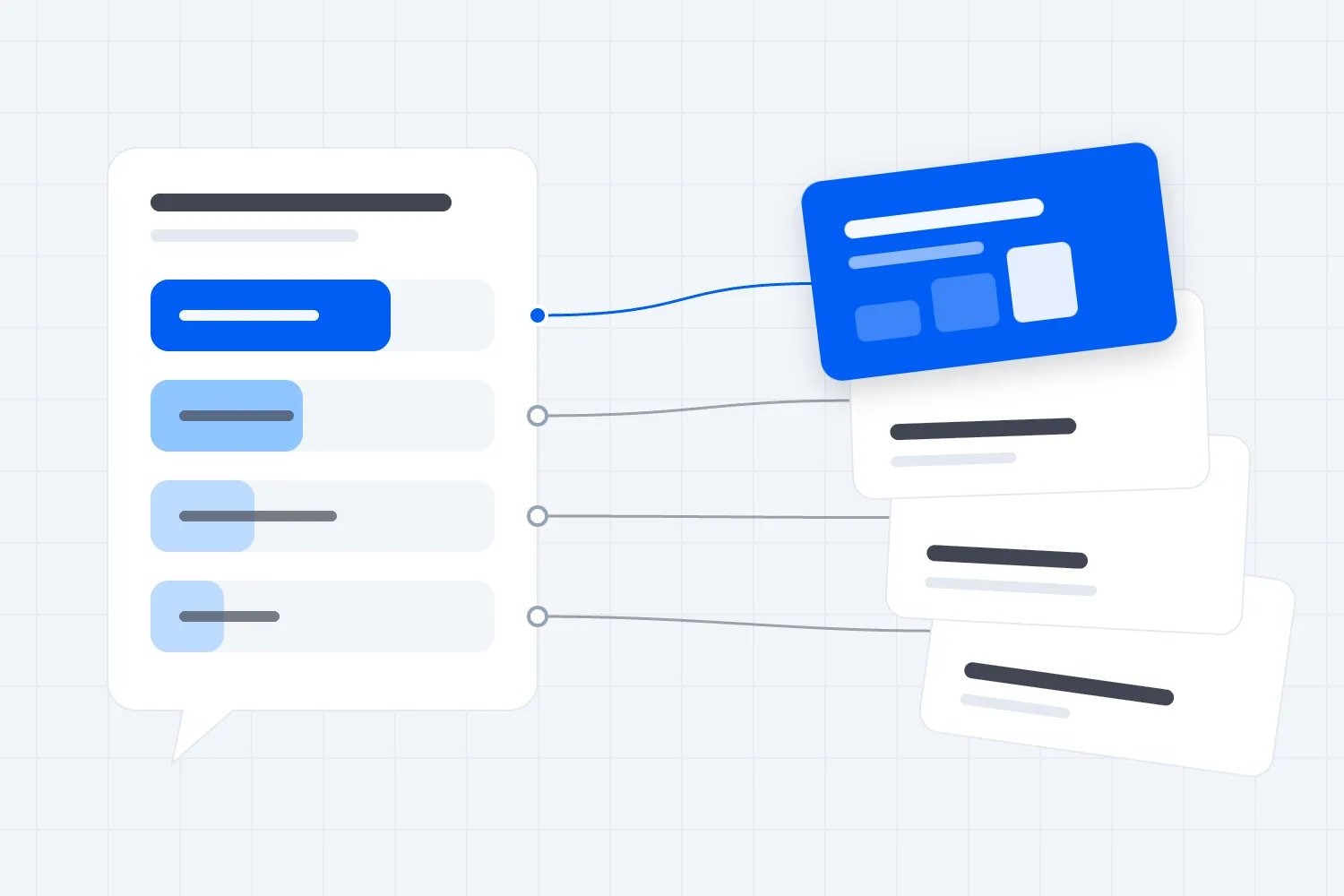
So you've booked a speaker for your paid conference, and they've asked to add a few live polls. Fine. But what happens after the audience votes? If the answer is "we show the results and move on", the poll probably needs more work.
Run a live poll when the answers will help your speaker make a useful decision, explain a difficult point or explore a disagreement. Write that response down before you choose the polling software. Then prepare the question, test how people will answer and rehearse what happens if the result surprises you. That's how you turn a room full of phone taps into something attendees can actually use.
This event live polling guide focuses on what happens inside a paid conference session. We'll work through a fictional example, improve the wording of several questions and cover the production details that usually get missed. The aim is a session worth paying for, with enough time left to explain what the answers mean.
Start with the decision your speaker will make
Imagine you're producing a conference for independent venue managers. One session promises to help them decide whether to accept an additional private booking. The speaker plans to discuss staffing, access and the effect on an existing public event. Those are useful subjects, but the audience may already know some of them well.
A live poll can help the speaker find the part that needs more explanation. Ask attendees which consideration they would check first in a fictional booking request. Their choices give the speaker somewhere specific to begin. The poll also gets people to make the same kind of decision the session promises to teach.
Compare that with asking whether everyone is enjoying the conference. You might get a pleasing result, but it tells the speaker very little about the booking decision. Save overall event feedback for a setting where attendees can answer honestly and your team can act on it afterwards.
For each proposed poll, finish this sentence privately: "If the audience chooses this answer, the speaker will..." Write a response for every available choice. You might explain a common mistake, compare different assumptions or spend more time on a difficult example. If all the responses are identical, reconsider whether you need the poll.
Cornell University's classroom polling examples include checking understanding, uncovering misconceptions and prompting discussion. Those are useful purposes to borrow for educational sessions. Classroom teaching doesn't establish that polling will improve your conference's renewals or ticket revenue, so judge your own use against the session promise.
You can learn about attendees' interests earlier through pre-event survey questions. Use those answers to prepare the programme. Use a live poll for a decision that benefits from hearing from the people attending this particular session, while the speaker can still respond.
Write a situation people can answer without guessing
In our fictional session, the venue has received a request for a private reception before an evening public performance. The client wants the same entrance and bar. The room must be cleared and reset before public doors open. Your speaker wants to explore whether the reception is worth accepting.
An early draft of the question might read: "What's the biggest problem with taking extra bookings?" That leaves too much open. Someone thinks about contract terms. Someone else remembers a difficult client. Another attendee chooses staff availability because their own venue is short of people. Their answers concern different situations.
A stronger version asks: "Before agreeing to this reception, which missing detail would you establish first?" Then show the relevant case facts and choices. Now attendees know the task is identifying missing information, rather than guessing whether the speaker likes private hire.
Keep the case on screen while people answer. If the detail that matters disappeared on the previous slide, you're partly testing memory. For an online audience, give them the same information in an accessible text format so they don't have to choose between reading the case and finding the poll.
Cornell's guidance on effective questions recommends connecting questions to the learning objective and avoiding vague or loaded wording. Apply that here by testing the actual booking judgement you promised to teach. Don't ask attendees to interpret an ambiguous sentence and then treat their confusion as a knowledge gap.
Ask someone unfamiliar with the session to answer the draft. Have them explain what they thought you were asking and which facts they used. If they need an explanation of the question before they can start, rewrite it. Your speaker won't have time to clarify a different interpretation for every person in the auditorium.
Make the answer options explain something useful
For the reception case, possible choices might be the client's preferred drinks, the time required to clear and reset the shared spaces, the design of the invitation, and whether the reception has a photographer. The reset time is the relevant missing detail under these stated conditions. But the other options are so weak that people can answer without examining the problem.
Use plausible alternatives instead. Ask whether attendees would first establish the available reset time, the staffing cost, the likely bar income or the cancellation terms. Each matters to accepting the booking. The speaker must now explain why a time conflict could prevent delivery before the financial comparison becomes useful.
There's a qualification here. The question only works if the case makes that order defensible. If the speaker has left the existing performance's access arrangements unclear, attendees may reasonably prioritise another condition. Tighten the case or accept that the exercise invites several good answers. Don't quietly change the facts after voting.
Avoid options that overlap. "We need more staff" and "The team is already fully booked" could describe the same problem. If attendees split between them, the result looks like disagreement when the wording created it. Use choices that represent genuinely different decisions or make the question open ended.
Pew Research Center's guide to writing survey questions explains how wording, answer categories and their order can influence responses. It recommends clear questions and response options that cover reasonable answers without overlapping. These principles help you write a cleaner live poll, although a conference audience isn't a representative survey sample.
Include "I need more information" when that is a legitimate response. Include "This doesn't apply to my role" when asking about attendees' own work. Those answers mean different things. Combining them makes interpretation harder and pressures people to choose a substantive answer even when the question doesn't fit.
Keep an ordered scale in order. If you're asking how frequently someone does a task, the choices should progress consistently. For an ordinary list of independent options, consider whether the first answer gets an unfair advantage. Check how any randomisation works before rehearsing, because attendees may see a different order from the projected slide.
Choose the format for the answer you need
A single choice question works when you need attendees to prioritise one thing. In the reception example, asking what they would establish first creates a useful tradeoff. Letting them tick every sensible consideration would produce a different discussion about completeness, which may be worthwhile elsewhere in the session.
Say explicitly whether people should select one answer or several. Don't leave them to discover the rule after tapping the screen. If multiple answers are allowed, explain that the displayed totals may represent selections rather than separate people. The speaker needs to understand that distinction before commenting on a result.
A ranking question asks for more effort. Use it when the order itself is worth discussing and attendees have enough information to compare the choices. Asking a room to rank every possible booking risk can consume the time you meant to use explaining how to assess the first one.
Open text is useful when you don't know which answers to offer. You might ask, "What missing condition would stop you accepting this reception?" But give people a clear limit on what to submit, such as a short description of the condition. A broad invitation to share anything makes a live debrief difficult.
Avoid projecting unreviewed text. An answer may contain a client's name, a confidential commercial detail or an abusive comment. Assign someone to review submissions before showing them, and let the speaker work from selected examples. If nobody can moderate, use a closed question or keep the text private for later review.
Word clouds suit some light prompts, but the largest word isn't necessarily the most useful answer. Different phrases can mean the same thing, and similar words can describe different problems. For a decision with consequences, grouped responses with a spoken explanation are usually easier to interpret than a screen full of floating nouns.
Brief the speaker on every likely result
The useful preparation begins after the question is written. Ask the speaker what they will say if the room overwhelmingly chooses the expected answer, divides between plausible options or chooses something the speaker considers wrong. Prepare for low participation too. Each result should lead somewhere intelligible.
If most attendees choose reset time in our example, the speaker can acknowledge that they spotted the immediate constraint and show how to calculate whether the handover is workable. There's no need to pretend the room struggled. Move into the more demanding question of what must be agreed with the client and venue team.
If attendees divide between reset time and staffing cost, explain how those decisions relate. A profitable booking can still be impossible to deliver on time. Once delivery is feasible, staff cost belongs in the financial assessment. That explanation connects the answers rather than treating the lower bar as evidence of foolishness.
If an unexpected option wins, ask what assumption people made. A volunteer may point out that the bar team handles the reset, or that the venue has a separate entrance you failed to mention. Acknowledge the ambiguity and restate the case. Your job is helping people reason through a decision, and that includes correcting the exercise.
Write a fallback explanation that works without any votes. The speaker can compare the two strongest choices and show the deciding fact. This also helps when the room is quiet. Avoid putting an attendee on the spot just because the expected discussion hasn't appeared.
Give the speaker permission to say, "That result needs a closer look." They don't have to explain a surprising pattern immediately. A colleague can check whether the right question was open, the options displayed correctly and the responses came from the intended audience before anyone draws conclusions.
Run the poll at a pace people can follow
Tell attendees why you're asking before opening voting. In this case, the speaker might say, "Choose the detail you'd establish first. We'll use the answers to decide where to spend more time in this example." That gives people a reason to participate and an honest expectation of what their answer changes.
Explain how to enter, whether voting is optional and whether answers appear with names. Read the question and options aloud. Then stop talking long enough for people to think. A speaker who continues explaining while the vote is open can influence answers and make it harder for attendees to read.
Keep results hidden until voting closes when you want independent initial answers. If attendees can watch a favourite option pull ahead, you won't know how many selected it after seeing other people's choices. There are sessions where watching opinion develop is the purpose. Make that choice deliberately and describe it accurately.
Agree an opening cue and a closing cue with the person operating the poll. The speaker shouldn't have to turn around repeatedly to ask whether the screen has changed. A simple acknowledgement from the operator is enough. Put these responsibilities into the event team briefing, alongside who fixes access problems.
Allow for reading, entering the poll, deciding and submitting. Rehearse the complete sequence rather than timing only the voting window. If the session is running late, remove a lower priority poll and keep the explanation for the remaining one. Rushing every answer usually leaves the audience with results they haven't had time to consider.
When the vote closes, describe what appeared before interpreting it. Say which answer was most common and whether the room was divided. Then explain the reason, show the consequence in the case and connect it to what attendees should do in their own venue. The bars alone can't make that connection.
Make participation accessible without singling people out
A QR code is convenient for many attendees, but it shouldn't be the only way into the poll. Show a short address and entry instructions as well. Provide the question in text, and test the response form using the accessibility features your attendees may rely on. Test the actual setup, including any sign in screen.
W3C's accessible events and presentations guidance recommends describing relevant visual information and allowing time for people to process it. For polling, read the options aloud and describe the results. Avoid saying "as you can see" and leaving anyone who can't read the projected display without the explanation.
Keep the question and options readable from the back of the room. Use labels as well as colour, and avoid a result display that depends on distinguishing similar shades. If the polling interface can't show the case and answer options clearly together, supply the case through another accessible format before the session.
Offer a way to take part without a personal device. Depending on the question and venue, that might be anonymous response cards, a staff member collecting an answer privately or simply deciding privately and following the explanation. Explain the route to everyone. Nobody should have to disclose a disability publicly to receive an alternative.
A show of hands can work for an ordinary, low stakes question, but it doesn't preserve anonymity. Don't switch a sensitive anonymous poll to public voting because the network failed. Keep the case hypothetical or discuss prepared responses instead. The fallback must respect the original reason people agreed to answer.
For hybrid sessions, check the complete experience for both audiences. Remote attendees need the question, entry route and explanation in time to participate. If a stream delay makes a shared vote impractical, plan separate windows and explain which responses the speaker is discussing. Don't silently close the poll before online attendees have heard the question.
Be precise about privacy and sponsor access
Decide whether you actually need names attached to answers. A speaker choosing which concept to explain can often work from a room total. Connecting that answer to a ticket buyer introduces another purpose and more information to manage. Convenience isn't a good reason to collect it.
Check what anonymous means in the tool you're using. The projected screen might hide names while the account owner can still see them in an export. Test the reporting view and the attendee experience before describing the poll as anonymous. If you can't verify that claim, use a more accurate explanation of who can see responses.
For organisations subject to UK GDPR, the ICO's data minimisation guidance says personal data should be relevant and limited to what the stated purpose needs. The ICO flags this guidance as under review following legislative changes. Check the requirements that apply to your event rather than treating a polling setting as a complete privacy assessment.
Tell attendees whether responses are being recorded, who receives them and how long you plan to keep identifiable information. Make skipping the question straightforward. For a teaching exercise about a fictional venue, there's usually no reason to ask people to disclose their employer's actual income, contracts or staffing problems.
Agree sponsor boundaries before the event. A sponsored session can contain a useful educational poll, but the sponsor shouldn't quietly receive named answers because they funded the stage. Keep any optional request for contact separate and explain what will happen. Someone choosing an answer has participated in a session; that alone doesn't explain permission for unrelated follow up.
Keep the session's editorial promise clear when a sponsor supplies a question. A prompt asking which product attendees prefer can easily become a sales exercise, especially when the speaker treats the sponsor's answer as correct. Ask whether the question would still help the room if the sponsor's name disappeared. If it wouldn't, describe that part of the programme honestly before people choose the session. For the venue example, you can discuss the booking decision without making attendees endorse a supplier, reveal a purchasing plan or become somebody's next sales lead.
If you later share the results with speakers or partners, remove unnecessary details and retain the question wording and context. Be careful with small groups, where a job title or unusual response could identify someone even without a name. Consider whether the useful lesson can be shared without distributing the underlying submissions.
Test the room and rehearse the failure
Test from an attendee's device on the connection attendees will use. The production laptop's dedicated network doesn't tell you whether the audience can reach the poll. Check the entry address, any access code, the open question and the submission confirmation. Try a fresh browser session so saved permissions don't hide a problem.
Confirm that your chosen plan supports the expected audience, the required question types and the operator access you need. Read the current terms and settings before buying. A rehearsal with colleagues can test the sequence, but it doesn't prove the network will handle a full room. Ask the venue how attendee connectivity will be managed.
Separate the display from the control screen. The audience should see the question or approved results, while the operator manages the poll privately. Close notifications and unrelated tabs on the presentation computer. Reset rehearsal responses before doors open, and verify the reset rather than assuming an empty looking slide means the data has gone.
Give the operator a short, clear running order with the exact question text and the point at which it opens. Confirm whether the speaker advances the slides or waits for the operator. A poll with the wrong options can look entirely normal until someone in the room notices that the answers don't match the spoken question.
Also decide who can change a question after rehearsal. A speaker making a last minute edit must tell the operator, who checks that the projected version and voting version still match. Keep the final wording together with the running order. Otherwise the room can vote on yesterday's choices while the speaker reads today's slide, and the result won't mean what either person thinks it means.
Check what attendees see after submitting. A clear confirmation helps them return their attention to the speaker. If answers can be changed, agree when that stops and avoid calling early responses final. If the tool allows repeated submissions, decide whether that fits the exercise and how you will describe the total. Don't advertise unique voters unless you can substantiate that description.
Then rehearse a failed poll. The speaker should know when to stop troubleshooting and continue with the prepared comparison. The operator can investigate privately while the session proceeds. If voting returns later, use it only if it still serves the discussion. There's no obligation to reopen a question whose explanation is already complete.
For a paid conference, reliability is part of delivering the programme. Spending scarce session time rescuing an optional poll can damage the main teaching. Use the hybrid event rehearsal checklist to test access, sound and backup plans for both audiences before doors open. Staff should know which problems need immediate escalation during the session.
Read the result without claiming too much
The answers tell you what the people who submitted chose under that question's conditions. They don't automatically describe every attendee, every ticket buyer or the wider industry. Someone may have arrived late, chosen not to answer or been unable to connect. Keep that limitation in the language the speaker uses.
Report the response count alongside any percentage you discuss. Don't say "the conference believes" when you mean "the people who answered this session poll selected". If the response count is low, use the answers to begin a conversation and avoid presenting a confident portrait of the room.
Separate knowledge, confidence and satisfaction. Asking "How confident are you about assessing a booking?" measures reported confidence. It doesn't show that people can do it correctly. Asking which condition they would check first reveals a specific judgement under the case facts. Asking whether they enjoyed the session measures something different again.
You can ask the same question after the explanation, but describe the result carefully. People have heard the speaker's preferred reasoning and may remember the answer. Others may have joined or left. A change in the room totals doesn't establish that each individual learned, or that the improvement will last after the event.
A stronger follow up asks attendees to apply the reasoning to a different case. For example, make the reset feasible but introduce a staffing commitment that conflicts with the reception. Now the audience must assess the new facts. The speaker can explain why the first question's answer shouldn't be copied mechanically.
Save the wording, answer options, voting conditions and response count with the result. Without that context, a screenshot can become misleading when someone puts it into a sponsor report or sales deck. Keep fictional exercises clearly labelled when you reuse the session material, especially if the case resembles a real business.
A complete poll brief for the venue session
Here's how you could put the reception example into a speaker brief. Label it as a fictional exercise so nobody mistakes the scenario for a customer result. The public performance is already contracted. The reception would use its entrance and bar, and the team hasn't confirmed how long clearance and reset will take. The question concerns the first check before agreeing to the additional booking.
Use the question, "Which detail would you establish first before accepting the reception?" Offer "Whether clearance and reset fit before public doors", "The additional staffing cost", "The likely bar income" and "The reception's cancellation terms". Read every option aloud without adding a reassuring comment beside your preferred choice. Such a comment can answer the question before anyone votes.
The prepared explanation starts with feasibility. If the spaces cannot be ready for the contracted performance, the proposed reception can't proceed as described. The speaker then explains that staffing cost, bar income and cancellation terms still need assessment. Choosing the first check doesn't make the other work optional. This matters because a compressed poll can accidentally teach a much broader rule than you intended.
For the next question, change the facts explicitly. The venue team has confirmed the reset is possible, but nobody has priced the extra work. Ask what information the operator needs to assess the booking's financial contribution. Now staffing cost becomes relevant to the immediate decision. Attendees can see why using the facts matters more than remembering the previous winning answer.
If someone challenges the first question, invite the reasoning without asking them to name their employer or disclose a real contract. They might reasonably check cancellation terms early because of a condition you hadn't considered. The speaker can acknowledge that practice and explain the narrower assumption in the exercise. A useful discussion can include disagreement with the question itself.
Review what the poll changed before using it again
After the session, ask the speaker and operator what they actually did with the answers. Did the vote reveal a misunderstanding they explained? Did it lead to a useful comparison? Did the room identify an ambiguity? These observations are more useful for improving the next session than simply counting how many polls ran.
Compare the rehearsal plan with the delivery. Note any access difficulty, unclear wording or interruption that cost teaching time. Ask for attendee feedback about the session's usefulness separately. Someone can find the poll easy to use while still leaving without the practical explanation they expected from their ticket.
Keep the questions that produced a useful response, and rewrite or remove the ones that didn't. If a question repeatedly produces the obvious answer, make the case more demanding or use the time for another example. If the answers are scattered because the options overlap, fix the wording before deciding the audience needs more basic teaching.
Before your next speaker briefing, choose one real session and write the response to each possible answer. Then run the question with someone who hasn't seen the deck. You'll discover whether the choices support a useful explanation before attendees spend their paid session helping you find out.

Author: By the Loopyah Content Team
The Loopyah Content Team shares expert insights, practical guides, and industry updates to help event organizers create unforgettable experiences and stay ahead in the event planning world.