· 27 min read
How to run a paid conference across several local hubs
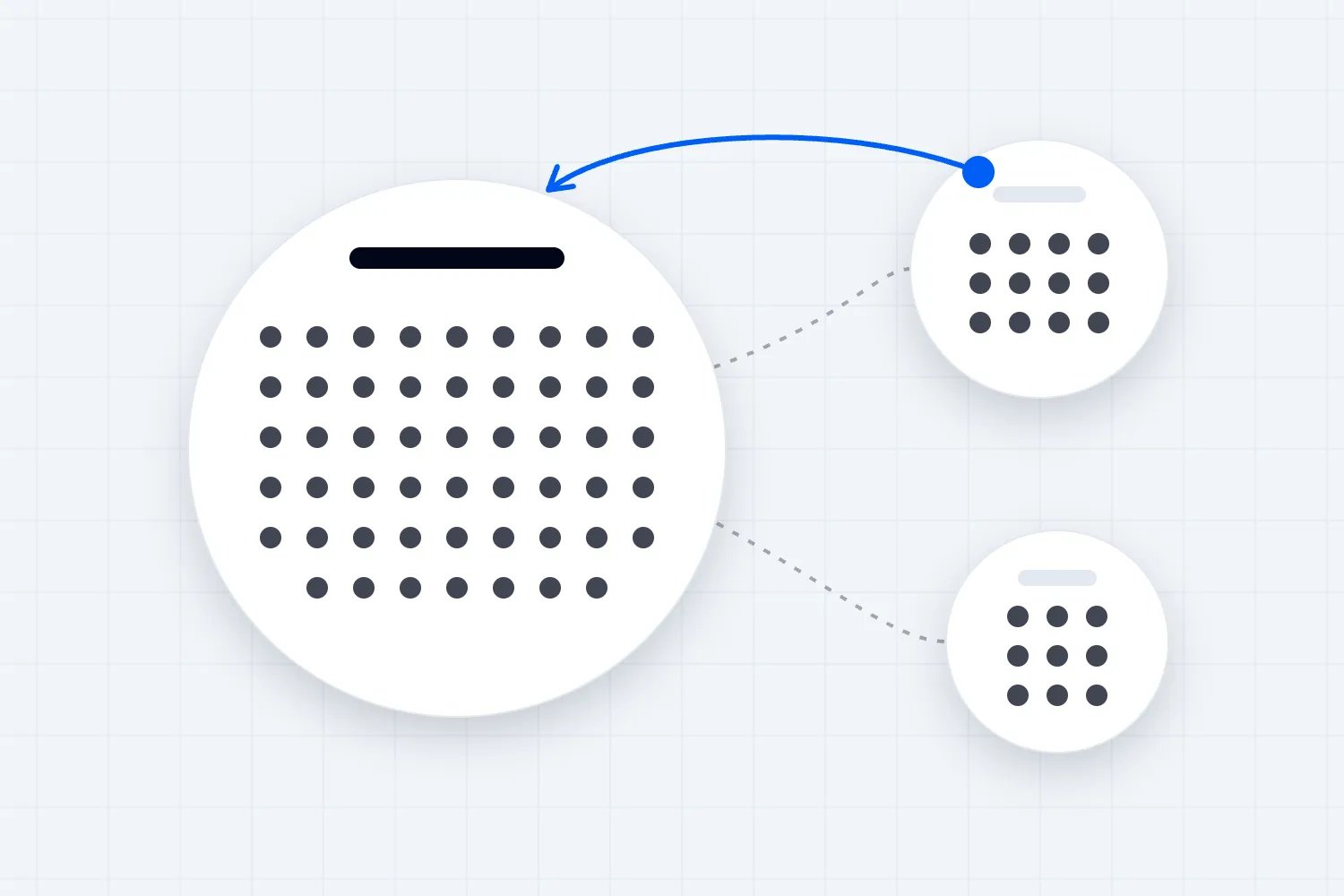
So you've got a conference people want to attend, but asking everyone to travel to one city makes the ticket harder to sell. A local partner offers to host a room, show the main talks and bring together people who would otherwise stay home. Another partner wants to do the same. Now you're planning several physical events that need to work together.
Start by agreeing what each local host will deliver, what its buyers are paying for and how the money will cover the work. Then build the shared sessions around those local rooms, with proper opportunities to contribute and a tested plan for losing a connection. Buying a streaming service comes after those decisions.
The attraction is easy to understand. Attendees can meet people nearby while joining a larger programme. The commercial problem is that each room needs a venue, a team and enough paying buyers. Sharing a keynote doesn't make those bills disappear, and a familiar conference name doesn't tell a local host who should pay them.
This guide walks through that decision using a fictional professional conference, the Civic Practice Forum. It has one main venue and two proposed local hubs, North and South. The budgets, attendance figures and timings are invented planning examples in US dollars. They're here to show how the decisions connect, rather than suggest market rates or results you should expect.
Decide why someone would buy the local ticket
A multi-hub conference brings people together in several physical locations and connects parts of their programmes. You might hear it called a hub-and-spoke event, with one main venue supplying shared content to smaller rooms. Those smaller rooms still need an event worth attending.
Ask a prospective buyer what the local room makes possible. Perhaps they can discuss the day's material with practitioners from their region. Perhaps a local facilitator will help them apply it to their own work. Perhaps travel to the main conference is simply too expensive. Each reason suggests a different offer, budget and programme.
For the Civic Practice Forum, the local promise is a day with nearby professionals, selected live talks from the main stage, facilitated practical sessions and a chance to put questions to the shared speakers. It doesn't include every activity at the main venue. Buyers won't meet its exhibitors or attend its evening reception.
That is a useful distinction to make before choosing a price. Calling the local ticket the full conference would create expectations the smaller rooms cannot fulfil. Calling it a cheap viewing room would also miss the local discussions you're paying a facilitator to run. Describe what happens there in ordinary words.
If all buyers want is to watch a talk, compare the local room with selling individual online access. The room adds costs and asks people to travel somewhere. There needs to be a reason for both. Our guide to planning a paid hybrid event covers the separate decision about serving people who join on their own devices.
Don't assume local demand because the main conference has a mailing list. Ask the proposed host who it can reach, what those people already attend and which part of this offer they would pay for. A partner with an enthusiastic social account may still have no route to selling enough professional conference tickets.
Before committing, write a short description of the local day and test it with the intended buyers. Record objections about the date, topic, travel, price and participation. Expressions of interest can help you revise the offer. They aren't paid bookings, so keep them separate from the sales forecast.
Choose a host arrangement you can actually manage
The first thing you want to settle with a partner is its job. Are you hiring a local delivery team, appointing an independent host or sharing responsibility for a jointly produced event? Those arrangements give people different reasons to spend money, make decisions and take commercial risks.
If you hire a host for a fixed fee, you might keep ticket income and pay the agreed local bills. The host needs a defined scope and instructions about extra spending. You carry the sales risk unless the agreement says otherwise. It would be unfair to demand an open-ended local sales campaign after buying only venue coordination.
An independent local host might instead sell its own admission, cover its local costs and pay you for shared content and services. That needs much more than a viewing link. Agree use of the event name, the promised experience, customer responsibilities, reporting and what happens if either side cannot deliver.
A shared revenue arrangement can work too, but specify what is shared. Gross ticket receipts, money after particular deductions and profit after all agreed costs are different amounts. A percentage without a defined calculation leaves the most expensive part of the conversation until after the event.
For our fictional Forum, the main organiser coordinates the shared programme. Each local host runs its venue and local sessions under an agreed brief. The commercial agreement identifies the ticket seller and the party responsible for buyer support. We'll examine one possible payment arrangement later, without suggesting it suits every partnership.
Keep the first version manageable. A capable host with a clear audience is more useful than an impressive list of cities. You need time to check the room, train the team and rehearse together. Adding locations faster than you can do those jobs makes the advertised offer less dependable.
Ask the people who will do the work to join the planning conversation. The partner's director may agree enthusiastically while its venue manager has no staffing budget and its technician has never seen the programme. Approval by someone senior doesn't establish that the local day can be delivered.
Divide central and local responsibilities before booking
Write the responsibilities around actual tasks. The main organiser might own speaker bookings, the shared running order, the production supplier and announcements affecting every venue. The local host might own room access, admissions, its facilitator, catering and the practical arrangements for people in its building.
Then look for the tasks between them. Who tells a speaker that a local attendee needs a directly accessible document? Who authorises an extra technician call? Who answers a complaint about a shared talk that the local room couldn't hear? These are the questions broad phrases such as local delivery tend to hide.
Give every task one person who must see it through, even when several people help. Include a deputy and a contact method. The local host shouldn't have to guess whether a production problem belongs to the conference director, the streaming supplier or someone who finished their shift at lunch.
Safety needs its own clear arrangements. Great Britain's HSE says that where control of a venue is shared, respective responsibilities should be clearly assigned, with effective liaison and shared safety information. Check the duties and requirements that apply to each location with competent local advisers. A commercial agreement cannot simply make statutory duties disappear.
In practice, the local lead needs authority to respond to a problem in the building immediately. They shouldn't wait for the main stage to finish before following the venue's emergency procedures. Agree how they tell central control what has happened and how central control avoids directing people towards an affected location.
For ordinary programme changes, use a different process. A local facilitator can adjust the pace of a discussion within its agreed slot. Moving the shared interview changes what every other room receives, so it needs coordination. Put both examples in the host brief so people understand the boundary.
Review the workload as well as the names. Someone checking people in cannot also spend the same arrival period testing the incoming sound. A small team may combine duties at different times, but the running order should show when each job happens and who covers the overlap.
Write a host brief someone can run the day from
The agreement records what the businesses have accepted. The operating brief tells the people on shift how to deliver it. Keep the current version easy to find, with a date, named contacts and the next update deadline. Don't make a local facilitator search a long commercial contract to find their return cue.
For North, the opening of that brief could read: "North admission is for this venue only, with up to 70 audience places in the approved layout. Shared content begins at 9:30. The local lead confirms readiness privately to the central show caller, the person cueing the shared programme, before the opening. If that confirmation is missing, central production calls North directly rather than assuming silence means ready." The confirmation deadline needs to be agreed in your own production plan.
The next part explains the work: "After the opening talk ends at 10:10, the facilitator runs the supplied case exercise. Send the selected question through the agreed private route before the 10:40 rejoin. Use the approved local material while waiting for a delayed shared session, and ask central control for a revised cue." Attach the actual exercise, submission instructions and alternative activity. A brief that refers to missing files is unfinished.
Then write the exceptions in terms staff will recognise. A wrong-location ticket goes to the named booking contact. A change affecting shared session times goes to the show caller. An urgent problem in the building follows the venue's emergency arrangements immediately. Include who covers each contact during breaks and the alternative number if the usual service is unavailable.
Walk a local team through that brief without explaining the gaps aloud. Ask them to find the attendance limit, the next shared cue, the missing-audio contact and the buyer-support route. If the answers depend on someone remembering a planning call, add them. If two documents disagree, correct the source and withdraw the old instruction.
Update the relevant people when a change matters. A revised local exercise might only concern facilitators, while a moved shared start affects every room and its buyers. Name who receives each change and how they acknowledge it. The purpose is a team that can act on the same current information during a busy day.
Set a minimum local experience
Your main venue can look different from the local rooms. What matters is whether each room can deliver its advertised day. Write a minimum delivery brief before asking partners to find the cheapest suitable space.
Include the programme, attendance limit, seating, sightlines, clear speech, access arrangements, facilities, staffing and support. Explain the local activity in enough detail to judge the room. A discussion workshop may need tables and clear movement routes. A theatre layout that suits a keynote may make that workshop awkward.
Check capacity against the final layout and the venue's applicable requirements. The Forum's main room is planned for 160 attendees, North hub for 70 and South hub for 60. For this example, assume the venues have confirmed those attendance limits for the approved layouts. They are not general safe capacities. Adding the numbers doesn't tell you where people want to buy.
Inspect the audience view. Can someone at the back read the shared slides? Can people hear questions from their own room and other hubs? Does the local screen show useful content during a break? Test with the furniture and equipment you intend to use, rather than relying on photographs of a different setup.
Accessibility depends on the complete experience. The W3C's working guidance on accessible remote and hybrid meetings considers the platform, shared materials and how hosts run the meeting. It also advises providing accessible materials directly, rather than relying only on screen sharing. A caption option in software doesn't establish that captions are readable on your local screen.
Ask about access requirements early and explain verified arrangements for each location. Confirm how someone requests assistance, obtains materials or submits a question without using an inaccessible interaction tool. Involve relevant users and specialist help when checking those arrangements. Don't describe the whole conference as accessible merely because one building has step-free entry.
Put unresolved items in the approval record. If South hub hasn't confirmed its listening support or room layout, that location isn't ready to sell the same promise as North. Resolve the gap, state a suitable difference in the offer or delay that hub. Don't leave the buyer to discover the difference on arrival.
Cost each hub before agreeing the revenue split
Start with the local costs, then add the central services the hub requires. Venue hire, facilitation, room production and check-in don't become free because the keynote is shared. Equally, the central team shouldn't charge every hub for the same supplier invoice without showing how the allocation works.
Separate costs that remain fixed from costs that change with attendance. Ask for complete quotes covering the agreed work, including rehearsals, setup, pack-down and any applicable charges. Include staff preparation and the central support needed for local questions. Otherwise the event can appear profitable while people quietly supply unpaid extra days.
Here's one possible North hub budget for the fictional Forum. A ticket costs $180. Assume $30 per final paid admission covers all costs that vary with sales in this simplified example, including the applicable tax and transaction amounts and the agreed per-person provision. That leaves $150 per paid admission before fixed costs and the central payment. The example has no complimentary places or extra cancellation or dispute charges. Budget those separately if they apply.
North's complete local fixed delivery bill is $4,400. Its agreed payment to the central organiser is $1,200 plus $35 for each final paid admission. That means North has $115 per paid admission towards $5,600 in fixed costs. There is no assumed tax recovery or other income in this example.
At 60 final paid admissions, North has $6,900 after attendance-related costs and the per-person central payment. Subtract the $5,600 fixed amount and it has $1,300 left. It needs at least 49 paid admissions to cover those costs, because 48 leave $5,520 and 49 leave $5,635. Its 70-place allocation makes that arithmetically possible. It doesn't make the sales likely.
Now check the central side. At 60 paid admissions, North pays the organiser $3,300. Assume supporting North adds $2,600 to the central bill. That leaves $700 towards the central business. Together, the host's $1,300 and that $700 produce $2,000 from adding North, before any other shared conference costs.
You can check the same result without the internal payment. Sixty tickets leave $9,000 after the $30 attendance-related cost. Subtract North's $4,400 local fixed bill and the $2,600 additional central cost. The result is $2,000. The $3,300 transfer moves money between partners; it isn't another cost of the combined event.
This is an example of evaluating one added hub, not a complete conference profit forecast. The main venue and common programme still need their own budget. Build South separately, then combine the figures without counting transfers twice. A profitable main room shouldn't hide a local arrangement that its host cannot afford.
Agree sales deadlines, cash and final payment
The partners can have different results even when they share one conference. At 45 final paid admissions in our example, North keeps $5,175 towards its $5,600 fixed amount and loses $425. The central organiser receives $2,775 against its additional $2,600 cost and has $175 left. The combined result from North is a $250 loss.
That difference matters before you sign. If central income improves with every hub while local hosts carry most of the downside, hosts may accept more risk than they understand. Show the cautious case to both sides. Agree whether anyone provides a guarantee, what it covers and what happens when a location falls short.
Use actual commitment dates to decide when to proceed. A venue cancellation deadline, a technician booking and a catering confirmation may fall on different days. Ask what you can still save at each point. A low-sales review is useful only if the available choices are real and the team knows which promises have already been made to buyers.
Define the count used for final payment. In our example it means paid admissions remaining after agreed cancellations and refunds for the settlement, the final calculation between partners. It doesn't mean every booking ever created. Agree how complimentary places, refunded purchases, disputes and sales corrections affect the payment, including any later adjustments.
Keep cash timing visible. A host can forecast a surplus and still have no money for its venue deposit because the contract sends it its share after the conference. Write down who collects receipts, when transfers become due and how refunds will be funded. Check the actual ticketing and payment arrangements before offering a date.
Don't solve weak demand by quietly cutting the experience buyers paid for. If you propose closing North or moving its attendees, assess the existing offer, venue suitability and customer obligations first. Tell affected buyers what has changed and what options they have under the terms and applicable law. A place at another venue may be impractical for someone who chose North to avoid travel.
For a first edition, I would rather have fewer properly funded hubs than an impressive launch map followed by emergency cuts. Keep the next location as a later decision until its host can demonstrate demand, delivery and cash. Announcing it early creates work and customer expectations before you know whether either business can support them.
Make every ticket identify a location
A buyer needs to understand where their admission is valid before paying. Use the location in the ticket name and repeat it in the confirmation. If North admission covers only North, say so. Don't let the shared event name imply that buyers can walk into any room.
State the actual inclusions near the purchase choice. For the Forum, North admission includes its local venue, the listed shared talks, facilitated sessions and the specified refreshments. It excludes main-venue admission and the main reception. Any replay, certificate or additional activity needs its own confirmed description.
Keep availability separate by location. Empty places in South don't help a North buyer unless a transfer is suitable and approved. Check the receiving room's availability, any price difference, the existing ticket and the instructions already sent before changing a booking. Update the relevant teams so the old and new records don't create conflicting admissions.
Choose who sells each location's tickets deliberately. One seller can simplify the public purchase journey, but still needs an agreed process for distributing local information and money. Separate local sellers can reflect independent host businesses, but buyers need clear details about who they are buying from and who handles changes or complaints.
Test the proposed arrangement with the ticketing service before announcing it. Confirm location limits, staff access, refunds, transfers, reporting and the payment process you actually require. Don't infer a multi-party settlement system from a page that says it supports several ticket types. The partners' agreement and the technology need to describe the same operation.
Include group purchases in the test. An employer might buy several North places while one colleague expects South. Decide whether the buyer selects a location for the whole order or for each admission, and make that clear before checkout. Confirm how each attendee receives the right information and how the team corrects a mistake. The buyer's billing address doesn't establish where every colleague plans to attend.
Provide a human route for an incorrect purchase. Someone who accidentally selects South shouldn't have to explain the entire partnership to a door worker. Give staff a support contact and a clear rule about which changes they can authorise. Record approved exceptions so the next shift doesn't reverse them.
Use the same location names everywhere. North hub, North satellite and Civic North might look interchangeable to the team but like different products to a buyer. Pick one public name, pair it with the address and keep it consistent in the programme, confirmation, reminder and signage.
Build a programme that lets every room contribute
The easiest multi-hub programme to produce is a main-stage broadcast with local coffee breaks. It may also leave local buyers wondering why they paid to sit in front of a screen. Plan the moments when gathering locally improves the day, then connect those moments to the shared programme.
For the Forum, the opening shared talk runs from 9:30 to 10:10. Local facilitated work follows from 10:10 to 10:40. Every hub then rejoins for a moderated discussion until 11:00. These example locations share the same date and time zone. The timings are planning choices, not recommended durations for every event.
The local exercise asks each room to apply the talk to a practical case. Its facilitator selects a question or finding to send to the shared moderator before the rejoin. The main speaker can then respond to something the local rooms actually discussed, rather than deliver an unrelated second talk.
Protect time for that contribution. If the main room uses the whole discussion slot before checking the local feed, the advertised participation has disappeared. Put the local contributions in the running order and brief the main host about how they will receive them. Let the moderator select and combine related questions without promising every attendee a live answer.
Keep local facilitation practical. Explain the task, materials, intended result and what the facilitator should send centrally. Include the time they must finish and an alternative if the shared talk is delayed. A local host needs enough freedom to help its group without rewriting the programme during a live connection.
Use local relevance carefully. North might discuss a regional example while South uses a different one. Both should still address the shared session's question. If a sponsor wants to replace one hub's workshop with a sales presentation, assess that as a change to the paid offer, with central approval and clear buyer information where needed.
If your locations span time zones, check the schedule for the actual event date and tell each audience its local times. A convenient main-stage start can be an unreasonable opening elsewhere. Our hybrid conference time-zone guide explains the separate scheduling work. Don't promise equal live access to a programme one hub cannot reasonably attend.
Specify the connection in both directions
A room receiving a picture proves very little about participation. Your supplier needs to know which locations send speech, video, slides or questions back, who chooses what appears and whether that changes during the day. Describe those tasks before comparing equipment packages.
At the Forum, a question from North must reach the main moderator, be heard by the speaker and be audible in South as well. North's audience also needs to hear the answer without the sound playing through its speakers being sent back into the call. Have a qualified production supplier design and test the audio routing for the actual rooms.
Give the supplier a session-by-session brief. Include slides, videos, captions, interpreters where arranged, local microphones and every planned change between shared and local work. Ask how each element reaches the audience. A successful speaker video call doesn't establish that embedded media or readable captions will survive the complete production route.
Test connectivity in the rooms with the venue and supplier, including expected competing use and any access restrictions. Ask what the backup connection can actually support and whether it relies on the same equipment or service as the main one. There is no universal bandwidth figure that makes every multi-room production reliable.
Keep the production conversation separate from the public discussion. Technicians and hosts need a private way to report problems and receive cues. Agree a second contact route that still works if the main meeting service fails. Save the essential numbers and instructions where local teams can use them without that service.
Secure access also needs deliberate setup. The UK's National Cyber Security Centre recommends protecting meeting administrator accounts and controlling who can join. Its guidance includes two-step verification and keeping meeting links out of public spaces. Ask your provider to apply suitable controls while checking that authorised external hosts can still connect.
Test the host permissions you will actually issue. A local technician may need to send sound but shouldn't automatically be able to end the whole conference or admit unknown people. Staff need enough control to do their jobs, a named administrator for problems and instructions that survive a change of operator.
Clear content rights and attendee information
Tell speakers and rights holders how the event will use their work. A talk delivered once to a room, shown live in several paid venues and made available afterwards involves different proposed uses. List the actual locations, audiences, materials and intended availability before asking for approval.
The World Intellectual Property Organization's copyright guidance explains that protected works generally require authorisation for use, subject to applicable exceptions or licence conditions. For this event, check permission for the uses you propose rather than assuming the speaker's attendance fee covers them. Get appropriate advice where rights or jurisdictions are unclear.
Include material inside the presentation. A speaker's slides may contain photographs, clips or music supplied by someone else. Ask who is checking those permissions and by when. If a passage cannot be cleared for the shared rooms, resolve it with the speaker before the programme depends on it.
Separate live delivery, recording and later reuse in the brief. The Forum initially sells live attendance without a replay. If you want an approved recording as a backup, agree that use too. Having a file doesn't establish permission to play it in several commercial rooms or distribute it afterwards.
Local hosts also need rules about the shared event's name and materials. Specify approved promotional copy, logos and speaker descriptions, who may make changes and when use ends. A local sponsor shouldn't assume it can reuse a speaker clip in an advertisement because it helped fund the room.
Ask sponsors to approve the actual location coverage before the event. A package at the main venue doesn't automatically include a table, speaking slot or attendee information at every hub. List the agreed placements and local work, confirm who supplies the assets and record who checks delivery. If a local host sells its own sponsor package, check for conflicting promises before both businesses take payment.
For attendee information, decide what each organisation needs and why. North's check-in team needs relevant North admission information. A local sponsor asking for every conference buyer's details is a different request. The UK's ICO data-sharing checklist asks organisations to consider purpose, minimum information, recipients, safeguards and retention. Its guidance is under review following legislative changes, so check current local requirements for your arrangement.
Write down the agreed access, customer notices, retention and deletion responsibilities. Limit sensitive access-request information to those who need it to provide the agreed support. A commercial partnership doesn't automatically justify sharing every buyer record. Tell attendees when a question, name or image may be transmitted to other rooms, and provide an appropriate alternative for participation.
Rehearse with every hub in the same session
Test locations together before the final delivery decision. Separate calls can establish that each venue connects to the supplier, but miss what happens when all rooms send questions, change speakers or return from local work at once. Use the people, devices, permissions and room setup planned for the event.
Start with the buyer's journey at each site. Someone who wasn't involved should be able to identify their location, follow the confirmation, find the entrance and get help. Test ticket validation through the provider's approved procedure, including an incorrect location and an authorised transfer. Don't create real charges merely to improvise a test.
Then rehearse a complete shared and local sequence. A speaker presents slides, North contributes, South responds and each room begins its exercise. Test the cue for returning to the shared programme. Ask audience testers to report missed speech, unreadable content and unclear instructions in concrete terms.
Use our hybrid event rehearsal checklist for the underlying audience checks, then add the multi-hub tasks. Every local facilitator should practise submitting a contribution. Every operator should receive a private cue. Every local lead should know who can approve a change affecting its ticket holders.
Record failures with an owner and a retest. If South cannot hear North's microphone, identify the affected route and repeat that exact exchange after the supplier fixes it. A technician saying the settings are corrected isn't the same as a listener in South confirming that the question is audible.
Give each hub a readiness record. Include the approved offer, room checks, staffing, access arrangements, ticket instructions, production results, permissions and unresolved issues. Name who accepts the final arrangement. Don't let the main venue's successful rehearsal stand in for a location that hasn't tested.
Plan for one hub losing the programme
Work through a local failure and a shared failure separately. If North loses its connection while the main room and South continue, its local host needs a useful activity and an honest message. If central production fails, every hub needs coordinated instructions. One generic technical difficulties slide won't cover both.
Agree what local hosts can do immediately. They might pause, explain the problem and bring forward an already prepared local discussion. Give them a route to report the failure and obtain the next update time. The activity should be suitable for the people present and shouldn't depend on the connection that just failed.
A fallback changes delivery, so check it against the paid promise. A local exercise may help people use the waiting time without replacing a missed keynote. A recording may be unavailable, uncleared or missing the live questions people bought. Don't promise that every outage can be solved by emailing a replay.
In the Forum rehearsal, deliberately disconnect North through a safe supplier-led test. Can its host explain the change, run the prepared activity, contact central support and rejoin without interrupting another room? Then rehearse a central interruption. Record who decides whether to wait, change the shared schedule or stop the affected part.
Keep safety decisions local and immediate under the agreed venue procedures. Programme coordination mustn't delay an evacuation or another necessary response. Central staff need to know the affected location and whether it can continue, while the local lead manages people in the building.
Agree who assesses customer remedies and funds them when a material part of the offer isn't delivered. Follow the published terms and applicable requirements rather than inventing a universal outage threshold. Keep a record of the affected sessions, locations and messages so support can respond to what each buyer experienced.
Send clear instructions and decide what to repeat
Each hub needs its own arrival information and support contact. Include its address, doors, local programme, access information and any materials attendees should prepare. Put the location and date near the top. A main-venue map is no help to someone attending South.
Loopyah's attendee email tools let you send event updates to ticket holders. Use the relevant event audience and check a test message before sending. The host arrangement still needs an agreed owner for the wording, audience selection and local changes, so every partner doesn't send a different explanation.
Afterwards, review each location's sales, attendance, costs and outstanding customer obligations. Count people in the room from its admission records, rather than treating one connected production account as one attendee. Check the final payment between partners against the agreed sales calculation and any subsequent corrections.
Complete promised follow-up before treating a hub as closed. If attendees are owed worksheets, a response to an unanswered question or an agreed customer remedy, give that task a person and a date. Let the local host confirm completion centrally. A shared conference can otherwise finish with each organisation assuming the other sent the final message.
Ask local buyers about the parts only this format provides. Was meeting nearby practitioners useful? Could they follow shared sessions and contribute as described? Did local work connect to the speaker's material? Read those answers with the production and support records before expanding.
Make the next-hub decision with the host that would carry the work and the risk. If an existing room couldn't cover its costs or deliver the promised participation, resolve that first. The next edition should have a confirmed local offer, funded delivery and a host ready to run it before another location appears on the ticket page.

Author: By the Loopyah Content Team
The Loopyah Content Team shares expert insights, practical guides, and industry updates to help event organizers create unforgettable experiences and stay ahead in the event planning world.