· 28 min read
How do you support wheelchair charging at a festival?
Your festival access page says wheelchair charging is available. A ticket holder arrives with their own charger, asks where to plug it in and discovers that the only socket is behind a catering counter. The caterer is about to close. Nobody knows whether that supply will stay on after the headline set.
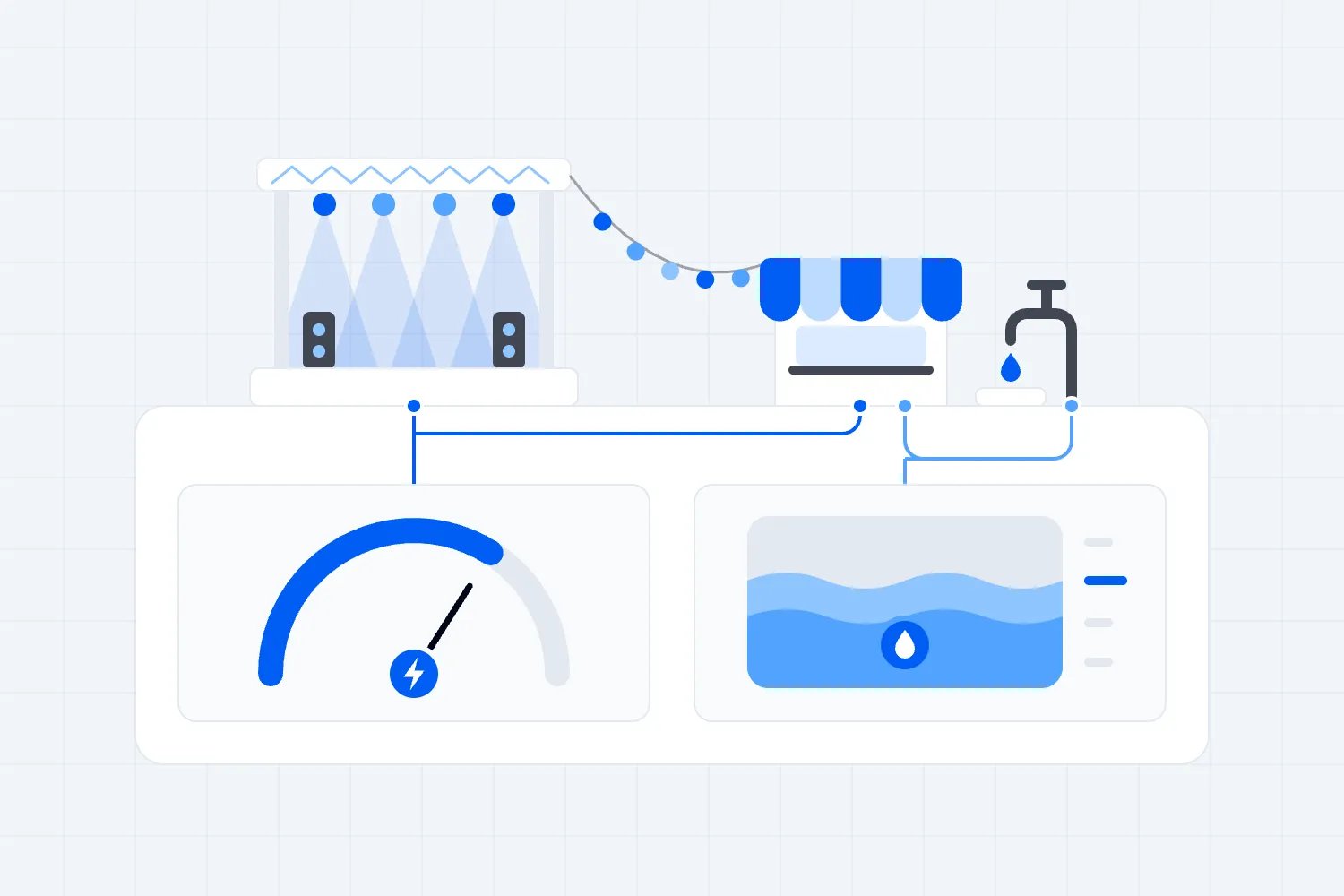
You can avoid that conversation by treating charging as a service you have to deliver throughout someone's visit. Agree the equipment and electrical arrangements with suitable specialists, choose a location people can actually reach, and explain the hours and limits before they buy. Then connect the service to equipment hire, help on the day and the journey home.
The first thing you want to establish is what you're offering. A place to charge someone's own wheelchair, a wheelchair hire service and a response to a breakdown involve different work. Your team needs a clear answer for each. An access volunteer shouldn't have to work it out while someone waits with a low battery.
This guide walks through those decisions, with a supplier brief, a fictional festival example and practical checks before opening. It concentrates on the organizer's job. The charging method, equipment suitability and technical safety arrangements need the people qualified to assess them, using the instructions for the actual equipment.
Define the mobility support you will provide
Start with the tasks an attendee might need help with. They may want somewhere suitable to charge their own equipment during a long day. They may be hiring a device for the weekend. They may need directions over a changed surface, help contacting their equipment provider or assistance arranging departure after a fault. Don't assume all these requests can go to the same desk and receive the same answer.
Write a short description of your proposed service before asking for quotes. Say which festival days it covers, whether camping is involved and whether the public will use it while remaining in their own equipment. Include the support available after the performance finishes. Ask your access adviser and prospective providers to identify gaps before you publish the offer.
Keep the general site work in view. Charging won't compensate for a route that becomes impassable, or a viewing area somebody cannot enter with their device. Our event accessibility checklist covers the wider visit. Use this guide to work out the extra arrangements behind the specific mobility support you intend to advertise.
A useful internal service description distinguishes four offers. The first is an assessed charging location with agreed operating hours. The second is equipment hire, if contracted. The third is an access contact who coordinates practical problems. The fourth is specialist assistance, whose scope depends on the provider you have actually booked. None automatically includes personal care, transfers, repairs or transport.
You don't have to pretend your festival provides every service. You do have to investigate requests properly and describe the resulting arrangements accurately. If the supplier offers telephone advice but no on-site repairs, say that. If hire must be reserved directly with the provider, make that route easy to find before someone commits to travel.
Ask a disabled access adviser and relevant attendees to review the proposal. Pay people for commissioned work. Invite questions about the actual visit, such as reaching the charging point after dark or keeping equipment nearby during a rest. One person's review will identify useful issues; it cannot establish that every attendee's requirements have been covered.
Ask about equipment needs without turning it into a medical interview
Your planning questions should help somebody explain what they need to do. Ask whether they want charging information, equipment hire details or a conversation about moving around the site. Offer a private reply by email or phone. People should be able to read the general service description without first completing an access application.
For a specific charging enquiry, your specialist may need the equipment model, the charger details and the intended period of use. Explain why that information is needed and who will review it. Let the attendee or their equipment provider supply the relevant instructions. A volunteer looking at a connector cannot establish compatibility just because it appears to fit.
Ask when the person expects to arrive and leave, and whether they are camping. Those details help you identify whether your service hours match the visit. They don't establish how long their battery will last. Avoid predicting range from the programme or telling somebody they should be fine until the evening. That assessment belongs with the user and the appropriate equipment specialist.
Give advance enquiries a realistic planning date, especially when a supplier needs to arrange hire equipment or additional support. Explain what happens to later requests too. A planning deadline should help you prepare. It shouldn't silently turn into an instruction for staff to reject every question received afterwards.
Keep the information with the people delivering the arrangement. An electrical contractor may need charger specifications. A hire provider may need details relevant to the agreed device. A gate steward may need only the location and contact for a confirmed collection. Don't copy the entire private conversation into a general crew briefing or put someone's diagnosis on an equipment label.
Confirm the outcome in writing. Name the service, location, hours and any remaining checks. If you are still waiting for the supplier to answer, say what remains unresolved and when you will follow up. An acknowledgement is useful, but it isn't a reservation or a technical approval. Make that distinction clear to the person receiving it.
Choose a location people can reach and use
A charging location needs to work as part of the festival. Ask your access adviser, site manager, electrical contractor and safety team to review it together. Include the journey from the main activity areas and the journey out afterwards. A convenient place for a generator may be an inconvenient place for an attendee spending part of their day there.
Walk the proposed approach under the conditions your event will create. Include barriers, vendor queues, temporary flooring and the evening layout. Check whether the route stays available during crowd releases and vehicle movements. If production normally closes that route after the main performance, resolve the conflict before calling the charging point available until late.
Think through the space while somebody is using it. They may need to remain in their wheelchair. They may have a companion, bags or other equipment with them. Ask the access professional to assess the approach, position and circulation space for the intended use. Don't decide that a facility works because an empty wheelchair can be parked beside a table.
People also need to know what else is there. Describe shelter, lighting, nearby toilets and any seating that is actually provided. Be clear about whether music remains audible and whether food can be brought into the area under the assessed arrangements. These details help somebody plan a charging stop without assuming it doubles as a quiet room or a personal care facility.
Keep charging provision distinct from storage. Someone leaving a charger with the team needs to know how it is identified, secured and returned. Someone remaining with their device needs a usable place to wait. Someone asking to leave their wheelchair needs an individually agreed arrangement, rather than a suggestion to transfer into whatever chair happens to be nearby.
Use the same location name everywhere. If the signs say Riverside Access Hub, the event guide and radio instructions should use that name too. Add readable directions alongside the map. A symbol showing a plug won't tell somebody which gate to use, whether the path has changed or how to reach the team when their phone battery is low.
Give the electrical contractor a service brief
The electrical contractor needs more than a request for extra sockets. Describe the expected use, operating period, equipment information available and location. Ask them to assess the installation and agree how it will be inspected, handed over and managed. Your production team needs to understand which changes require the contractor to review the arrangement again.
In Great Britain, HSE's event electrical safety guidance addresses suitable equipment, environmental conditions, temporary supplies and cable routing. It places responsibilities on organizers and others using electrical equipment. Use that guidance with your competent contractor. Events elsewhere need the requirements and qualified advice appropriate to their jurisdiction.
Have the contractor confirm the intended simultaneous use. A count of sockets on a wall doesn't tell your access team how many charging positions can operate. Ask for an understandable service limit and the process for accepting equipment within it. Don't ask volunteers to add extensions, reset protective devices or rearrange the supply when demand increases.
Also agree who controls the timetable. A supply may be physically installed but scheduled to go off when a stage closes. Put the required operating hours in the production plan and get the responsible supplier to confirm them. Include setup checks, public use and the agreed end of service. Removal belongs after that sequence has finished.
Ask what happens when a trader, sponsor or production team requests the same space. The person allocating power and the person allocating the footprint both need the current brief. If the charging area is reassigned, the replacement needs assessment before anyone moves the sign. A decision made at the production desk can otherwise leave the access team promising a facility that has disappeared.
Record the handover in plain language. Your access lead should know which positions are available, whom to call about a fault and who can authorize reopening. They don't need to be taught electrical troubleshooting. A clear instruction to stop offering an affected position and contact the contractor is more useful than a folder of technical material nobody on that shift understands.
A brief you can take to the planning meeting
Use the following questions to prepare the conversation. Fill in the answers with the responsible providers and keep the approved version with the event instructions. A blank answer identifies work still needed; it doesn't mean the task belongs to whoever notices it first.
What service are we offering, on which dates, and during which public operating hours? Include camping arrangements if relevant.
Where is it, and who has assessed the location, the approach and the route out after dark?
Which equipment information must be reviewed before use, who reviews it, and how does the attendee receive confirmation?
What has the electrical contractor approved for simultaneous use, and who can authorize a change to that arrangement?
Who provides shelter, lighting, signs and staff, and who confirms that these are ready before opening?
Who answers equipment questions, who deals with installation faults, and how does each team acknowledge a request?
What is the response when a position becomes unavailable, and who tells people whose arrangements are affected?
How does the service finish, who handles outstanding cases, and who authorizes removal?
Send the completed brief back to the teams whose answers it records. Ask them to correct assumptions before accepting the work. For example, the electrical contractor might have quoted installation and a scheduled inspection, while your draft assumes somebody will remain on site all evening. That difference affects the response you can promise when a position stops working. Resolve the attendance and callout terms before publishing them.
Follow the instructions for the actual battery and charger
There isn't one charging timetable you can apply to every powered wheelchair or mobility scooter. Equipment differs. Ask the user and the relevant provider for the instructions that apply to the actual device, battery and charger. Have your specialists resolve compatibility and operating questions before the event wherever possible.
For example, Permobil's charging guide for its specified AGM wheelchair batteries describes regular evening or overnight charging and says normal charging should last at least eight hours. It gives instructions for that equipment. Those details aren't a festival-wide charging schedule, a rule for other batteries or permission to leave an event installation operating without an agreed management plan.
That example matters because a short stop during a performance might not meet someone's equipment requirements. Don't advertise a quick top-up as if it restores a guaranteed distance or percentage. Explain the facility you can provide and let the person discuss the charging period with their equipment provider. If your hours don't support the requested arrangement, investigate an appropriate alternative before confirming it.
London Fire Brigade's health care equipment fire safety advice has a section specifically on lithium batteries in electric wheelchairs and mobility scooters. It warns about damage and overheating, recommends the supplied charger and says charging must not obstruct escape. It also identifies warning signs such as bulging, smoking and fizzing. This is advice for that battery context, rather than evidence that every mobility device uses lithium.
Ask your competent safety team and equipment provider to settle any apparent conflict between general advice and a device's instructions. The solution might require a different assessed location, supervision arrangement or service. Staff shouldn't improvise a compromise, remove a battery or alter a charger. If you cannot confirm an appropriate arrangement, tell the attendee what remains unresolved and keep working through the responsible lead.
Your public information can ask people to bring the correct charger for their equipment and contact you about specific requirements. It should also explain the support you have arranged. Avoid language that transfers every practical problem to the attendee while the festival continues to advertise charging without qualification.
Contract equipment hire as its own service
If you're offering wheelchair or mobility scooter hire, ask an appropriate provider to specify the service. The provider needs to understand your terrain, routes, hours and collection points. Ask how they assess the suitability of the offered equipment and what information they need from the customer. A photograph of the device is not enough to make that decision.
Agree who takes the booking and payment, who confirms the reservation and who answers a change request. If customers contract directly with the hire company, explain that clearly on your festival page. Your access desk can help someone find the provider without pretending it can approve a hire booking that lives in another company's system.
Ask what the hire includes. Delivery, setup, instructions, charging arrangements, cleaning, collection and support may have separate conditions. Find out what happens if equipment develops a fault, arrives late or proves unsuitable during the provider's assessment. Include the actual response arrangements and hours in your agreement, rather than relying on a general promise of customer support.
A hire device cannot automatically replace someone's own wheelchair. Their equipment may provide positioning, controls or support a general hire model doesn't. Don't tell staff to solve a breakdown by fetching a spare chair and moving the person into it. Let the attendee explain their requirements and involve the appropriate provider or care support for decisions outside the event team's competence.
Confirm the return process with the journey home in mind. A provider collecting equipment at the access hub before the attendee's transport arrives creates an obvious problem. Agree where the person can continue to use the hired equipment, when the hire ends and how the handover connects with departure. Check the collection vehicle's access against the festival's vehicle restrictions.
Keep reserved, available and unavailable equipment separate in the provider's records. Suppose an invented hire allocation contains ten devices, seven already reserved and one removed from use. That leaves two available for new bookings, subject to the provider's suitability checks. It doesn't leave three, and none of the seven reserved devices should be promised as an emergency spare without an agreed alternative for its customer.
Ask the provider to explain how that record stays current across shifts and customer enquiries. Your team needs an accurate availability answer, not copies of personal hire records. A direct confirmation from the provider is better than a volunteer remembering that there were several chairs beside the desk earlier in the afternoon.
Make the responsibility handovers explicit
One access lead should coordinate the service, with named cover during breaks and after shift changes. That person needs authority to reach production, security, the electrical contractor and the equipment provider. They don't have to perform every task. They do need to know who has accepted responsibility when a request moves between teams.
Write the roles in terms of actual decisions. The electrical contractor assesses the electrical installation. The equipment provider handles the agreed equipment questions and hire support. The access lead coordinates the attendee's request. Event control manages the wider site response under the event plan. The departure team confirms the arrangements within its own control.
A handover should include the problem, the person's current location, the agreed contact method and what has already been confirmed. Share only the details necessary for the task. Ask the receiving person to acknowledge it. Telling an attendee that somebody has been called doesn't establish that the right person received the message or can act on it.
For ordinary assistance, the Michigan government's disability etiquette guidance advises asking before helping and waiting for acceptance and instructions. It specifically cautions against grabbing a wheelchair without permission. Use that principle in your briefing. Speak to the attendee and ask what would help, rather than taking control of their equipment because the area is busy.
Practise a request that crosses two teams. Someone has a hire booking, but the provider's collection point appears behind a closed barrier. The access lead checks the booking route with the provider and the physical route with site operations. The attendee receives a confirmed answer. Sending them to security with a vague instruction to explain the problem simply starts the conversation again.
Your wider event-day help desk plan can support this coordination. Add the mobility service's hours, contacts and current location to the instructions the help desk uses. Keep private equipment details out of the general reference. A steward needs enough information to connect a request with the right team without broadcasting it over the public radio channel.
Write the public offer before you open ticket sales
Buyers need to know what your arrangements mean for their visit. Describe the charging location, hours, route and how to ask about equipment. Explain whether there is a hire provider, whether advance reservation is required and where to find its conditions. Keep these facts near the other access information, rather than making somebody search through camping terms for a sentence about power.
Distinguish confirmed services from work still being arranged. If you are choosing a provider, say when you expect to confirm the service and give people a contact for questions that affect booking. Don't display a charging symbol and then explain privately that nobody has agreed to supply it yet. That gap can affect a person's ticket and travel decisions.
Include any limits beside the provision they qualify. A daytime charging area doesn't imply overnight service for campers. A service for personal mobility equipment doesn't automatically cover every medical device or general phone charging. If somebody asks about another essential device, refer the question to the appropriate specialist rather than broadening the offer through a casual email reply.
Be careful when writing equipment admission policies. In the United States, the Department of Justice's mobility devices guidance distinguishes wheelchairs and manually powered aids from other powered options. It explains access requirements and says safety restrictions for other powered devices must reflect actual risks. Review the rules relevant to your event with appropriate advisers; a policy for recreational scooters isn't a substitute for that work.
Give attendees the practical information needed to plan, without presenting a request form as automatic approval or refusal. Explain who replies, the expected response process and how to raise an unresolved question. If you use an advance planning date, make clear that later enquiries are still considered. Don't let the booking page promise something the access inbox cannot arrange.
Use your pre-arrival accessibility guide for the checked route and service details. Link to the current version from the event page and remind ticket holders before travel. If something material changes after purchase, explain the change directly to affected people and review the available options. Quietly deleting the earlier promise doesn't resolve their booking.
A worked service plan for a fictional festival
Imagine a paid, one-day music event called Riverside Sessions. Everything in this example is invented, including the names, hours, equipment allocation and costs. They show how decisions connect. They are not capacity standards, market prices or evidence that the arrangements suit a real site.
The festival opens to attendees at noon and the final set ends at 10pm. There is no overnight camping. The organizer contracts a staffed Riverside Access Hub, an assessed charging area and a separate equipment hire provider. Public service continues until 11:30pm. Any person still needing assistance after that time has a named duty lead; the team cannot simply pack up around them.
The access lead, electrical contractor and safety team agree the actual installation and operating arrangements before the offer is published. The provider reviews equipment enquiries within its scope. The site team checks the route from the hub to the pickup point, including lighting and vehicle controls. The opening time alone doesn't answer any of those questions.
The service description
The hub is on a paved route reached through the East Gate. The access team checks the event layout and publishes text directions alongside the map. The description identifies the shelter and nearby toilet information. It says amplified sound from the festival remains audible. The organizer doesn't call the hub a silent room or promise facilities that haven't been arranged.
Charging is available for agreed personal mobility equipment within the assessed setup. Attendees are asked to bring the correct charger and contact the access team about equipment requirements. There is no advertised universal charger, guaranteed charging time or promised battery range. If the provider needs further information, the team explains the outstanding question before confirming the individual's arrangement.
Hire bookings are made directly with the contracted provider. It confirms suitability, equipment, payment terms, collection and return with each customer. In this example, it has ten devices in its agreed allocation, with seven reserved and one unavailable. Its remaining two devices cannot be described as guaranteed replacements for any wheelchair brought to the event.
What the attendee reads
The public wording should be shorter than the internal plan. For this fictional event, the organizer could use the following notice once every statement has been confirmed. Replace the named location and contact instructions with your real arrangements, and link to the checked route description and actual hire provider when publishing your own version.
"Wheelchair charging is available at Riverside Access Hub from noon until 11:30pm on the festival day. The hub is reached through East Gate along the paved route described in our access guide. There is no overnight camping or overnight charging service at this event. Amplified music remains audible at the hub.
"Please bring the correct charger for your equipment. Contact the access team through the event page if you want to discuss charging requirements before attending. We will check equipment questions with the appropriate provider and confirm the arrangement with you. We cannot promise a full charge or a particular battery range from a visit to the hub.
"Wheelchair and mobility equipment hire is booked separately with our contracted provider, who confirms suitability, availability, collection and return. A hire booking is separate from your festival admission ticket. If you need help on the day, ask the East Gate team to contact the duty access lead. They can also discuss an agreed departure arrangement if your plans change."
That notice lets somebody distinguish the charging offer from equipment hire without reading your supplier contract. It also gives them a way to ask the next question. Have the access team review the notice against the internal plan before it goes on the event page. If a statement isn't confirmed, change the wording and identify who will resolve the missing arrangement.
The operating day
Before noon, the responsible contractors complete their checks and hand over the service. The access lead confirms the location, working contacts, supplier attendance and route with event control. The front gate receives the current directions. If the installation isn't ready, the team reports the problem and changes the public answer while it is resolved; it doesn't open an unassessed substitute.
During the event, staff record requests and agreed actions through the access lead. They check availability before directing someone to a charging position. They don't estimate battery range or change the electrical arrangement. The equipment provider handles questions within its contracted service, and the electrical contractor deals with installation faults.
At 9pm, the access lead checks outstanding arrangements with the relevant teams. That is this fictional festival's chosen planning checkpoint, not a recommended deadline for every event. It gives them time to identify a delayed pickup or equipment return issue while the evening suppliers are still available. It doesn't require attendees to finish charging or leave before the last set.
The hire provider has agreed to support returns until 11:30pm, with an extension process controlled by the duty lead. Its collection vehicle doesn't enter the public route until site operations authorizes it. The contractor's power removal starts only after the access lead and event control confirm the agreed service has finished and any unresolved case has a confirmed arrangement.
Selected costs in the example
Suppose the organizer allows USD $900 for the agreed electrical installation and checks, $650 for the shelter and route lighting, $720 for additional access staffing and $300 for the provider's contracted attendance. These invented selected costs total $2,570. A separate $430 contingency brings the planned amount for these lines to $3,000. Neither figure represents a complete accessibility budget.
The example excludes equipment hire paid directly by customers, wider site access works, toilets, transport, other access services and tax. A real quote may group the work differently. Ask what each supplier includes before comparing totals, and check that the same staffing or installation cost hasn't been counted twice in separate departments.
That budget helps the organizer choose a defined service before committing to it. It doesn't justify charging attendees an access surcharge or treating unresolved access needs as optional extras. Review the event's obligations and actual requests separately. If a cost changes, decide how to deliver the arrangement or address the affected booking before changing the public description.
Agree what happens when the plan fails
A charging point can become unavailable. Equipment can develop a fault. Weather can change the route. Write response arrangements before opening, then practise who receives the report and who can make the relevant decision. The attendee needs somebody to stay responsible while the technical and practical questions are resolved.
For an installation fault, staff stop offering the affected position and call the responsible contractor under the agreed procedure. They don't keep trying different sockets or ask a food vendor for an extension lead. The access lead checks the consequence for anyone already relying on that position and coordinates the next action with the contractor and equipment provider.
If equipment shows a possible battery problem, staff follow the assessed incident plan and call the appropriate response. They shouldn't touch, open, disconnect or move suspect equipment unless the responsible trained responders direct them within their competence. Prioritize people and use the event's emergency arrangements. An access desk script cannot replace the site's fire and emergency plan.
For an ordinary breakdown without signs of an immediate emergency, ask the attendee what has happened and contact the appropriate provider. Keep the person informed about who is responding and the next update. Don't promise that a manual hire chair will be suitable, or that any vehicle can take them home. Those questions need the person's agreement and the relevant provider's assessment.
If the route changes, site operations and the access adviser need to check the alternative before staff direct people along it. A shortcut used by crew might cross a working vehicle area. An apparently dry route may end at an unsuitable threshold. Explain what is known while the route is checked, and offer the assistance your team has actually confirmed.
Record decisions rather than speculation. Note the affected service, location, responsible team and next action. Keep unnecessary health details out of incident summaries circulated for operational review. Where a person has requested a follow-up, give them a working contact and make sure the next shift can find the relevant record without making them repeat the entire conversation.
Keep departure support available after the music stops
The charging plan has to connect with leaving. Ask what happens if a person needs more time, the hire return is delayed or their booked transport fails to arrive. Your team may not control the transport company, but it does control when the hub closes, when lighting disappears and when the supplier starts removing equipment.
Agree a departure procedure with the access lead, site operations, security and the relevant providers. Name the point where a request transfers to the duty lead after normal service hours. That transfer needs an accepted arrangement, including a place the attendee can use and a contact who remains available. An empty desk with a telephone number isn't the same service.
Check the physical connection to pickup. Our guide to accessible event drop-off and pickup covers vehicle access and the route to the event. For mobility support, add the equipment handover. Who confirms the hire has ended? Where is the person's own equipment? Can the arranged transport accommodate the actual equipment under the provider's conditions?
Keep private arrangements private while making the general process clear. Staff can explain how to contact the departure lead without asking someone to announce their transport problem to a queue. If a person wants a companion involved, follow their wishes. Don't assume the companion can resolve equipment handling or transport questions that require a provider.
Include late cases in supplier agreements. A quote that ends with the final song may exclude the period when you most need the provider. Ask what support is available if departure extends beyond the contracted hours, who authorizes extra work and how that team is contacted. Confirm the arrangement while you can compare options, rather than negotiating during the last vehicle movement.
When the service closes, event control should know that the agreed public provision has finished and any remaining case has an accepted handover. Only then should the relevant removal proceed under the production plan. This requires coordination with the people managing the site, not a volunteer making a judgement that the area looks empty.
Send useful updates and test the service before opening
Once the arrangements are confirmed, send ticket holders the current access information in time to plan. Include the mobility service's location, hours and contact, with a link to the detailed guide. Ask group buyers to share the public information with the people attending. Don't ask them to gather everybody's private equipment or health details on your behalf.
Loopyah's attendee email tools support event updates to ticket holders and let you send yourself a test. Use that to communicate the checked service and later changes to the relevant audience. The equipment assessment, hire reservation and on-site response still need the people responsible for delivering them. An email announcing charging doesn't confirm an individual's technical arrangement.
Before sending, test whether the message answers a practical question on a phone. Can a person find the location without interpreting an image? Are the service hours clear? Does the contact route reach somebody who knows the current offer? Check the linked guide too. A correct email attached to an outdated event page leaves readers with conflicting answers.
Run a service rehearsal with the people actually working the first shift. Ask them to handle a request for charging, an enquiry about a reserved hire device and a report that the route is blocked. Use invented customer details. You are testing whether they reach the responsible person and give a confirmed answer, rather than whether they can remember a long policy.
Then follow the visitor route after setup. Check the signs, opening arrangements, staff positions and the equipment provider's handover. Ask the contractor to confirm the installed service against the agreed brief. If something has changed, return the question to the responsible specialist and correct the affected public information. Don't mark a facility ready solely because the tent and sign are in place.
After the festival, review the requests that couldn't be resolved as planned. Separate an unclear description from a supplier failure, a route problem or insufficient operating hours. Those need different fixes. Keep the verified service records for the next planning decision under your retention arrangements, and remove personal information when it is no longer needed.
Before the next ticket launch, confirm the service with the next venue and providers. Recheck the hours, route and departure support even if the festival name is unchanged. Ask the access lead, site manager and providers to confirm those answers before the event page goes live.

Author: By the Loopyah Content Team
The Loopyah Content Team shares expert insights, practical guides, and industry updates to help event organizers create unforgettable experiences and stay ahead in the event planning world.