· 21 min read
How much turnaround time should you allow between conference sessions?
Your speaker finishes on time, the audience applauds, and the next presenter is already waiting outside. According to the agenda, everything is fine. Inside the room, someone still needs to collect the microphones, clear the stage, load the presentation and let the next audience sit down.
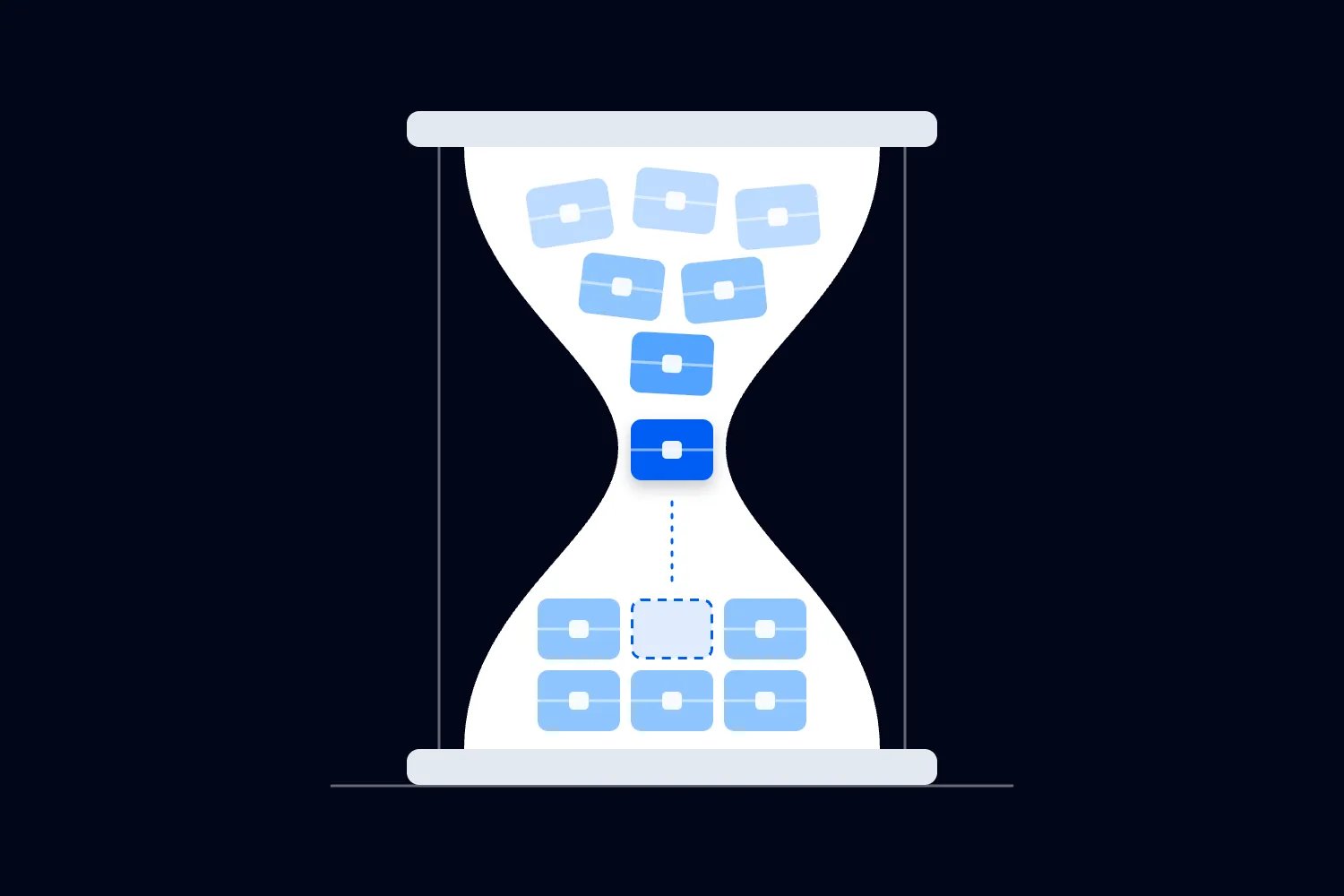
Conference room turnaround needs enough time for that actual sequence, plus a deliberate allowance for small delays. There isn't one gap you can apply to every session. Work backwards from the next start, establish when the room must reopen, and time the work that has to happen before it does.
For a paid conference, this is part of delivering what you sold. A workshop that starts late may lose the exercise people booked it for. A rushed microphone change can make a panel difficult to follow. Adding another session only improves the programme if your team can prepare the room between sessions.
This guide focuses on the room itself. If you're building the wider timetable, our event agenda guide explains how sessions and breaks fit together. Here, we'll work through clearing, resets, technical checks and the decision to reopen, with a fictional example you can adapt to your venue.
Start by defining when the room is ready
The end of a talk and the end of a turnaround are different moments. Your next session cannot start simply because the previous speaker has stopped speaking. The room needs to reach a condition the incoming team can use.
Write that condition with the people responsible for delivering it. For a presentation, it might mean the outgoing audience has cleared, the correct slides are on the presentation computer, the speaker has a working microphone, and the audience can enter without crossing equipment movement. A practical workshop may also need materials on tables and tools checked.
Be precise about reopening. You might allow attendees into their seats while the presenter reviews notes, but hold them outside while furniture moves across the entrance. Agree which tasks can continue after admission and which require the room to stay closed. That choice affects how you measure the gap.
The UK Health and Safety Executive's guidance on crowd controls says pedestrian routes should be clear and exits unlocked before admission. Treat those conditions as part of the reopening check. A producer's wish to recover time cannot replace the venue's assessment of whether people can enter safely.
Assign one person to collect the confirmations and tell the door team when admission can begin. Other people still make decisions within their responsibilities. The sound technician confirms audio, for example, while the venue lead confirms any unresolved room issue. A clear reopening instruction prevents the audience entering because someone saw the clock and assumed everyone else had finished.
Count the work before choosing the gap
The first thing you want to do is describe the change between the outgoing session and the incoming one. Don't start with a blank calendar block and ask the crew to make everything fit inside it.
Walk the room with the venue and production leads. Where does the outgoing speaker go? Who removes their microphone? Can attendees stay seated? Does the next session use the same stage arrangement? Where are the incoming chairs, workshop packs or demonstration equipment stored? A change that sounds small in an email may involve a long trip to a service cupboard.
Record the tasks in the order people will perform them. Include retrieving equipment, disposing of used materials, checking the floor and handing control to the next team. If a room needs cleaning, establish the required standard and who supplies the staff. Our event cleaning checklist helps separate venue responsibilities from the work your event team must arrange.
Ask each lead what needs to happen before their task can begin. The technician might load slides while cleaners collect rubbish, provided they work in separate areas. They may need furniture movement to finish before checking microphone positions. Those dependencies determine the elapsed time, even when individual jobs sound quick.
Also record who does each job. One technician cannot check the outgoing speaker's recording, fit the next speaker's microphone and support a second room simultaneously. A plan that overlaps those tasks has silently added staff you haven't booked. Resolve that before you approve the timetable, rather than expecting someone to move faster on the day.
A worked example of a room changeover
Suppose a fictional paid conference uses the same room for a talk followed by a panel. The next session must start at 11:00. Your team has rehearsed the following sequence for this example. These are invented planning assumptions, not recommended timings or an industry benchmark.
The outgoing audience needs four minutes to clear. Once the room is clear, a separate room crew takes six minutes to reset the furniture and remove rubbish. At the same time, the audiovisual technician takes eight minutes to prepare the next presentation and microphones. The crew and technician have confirmed that these particular tasks can overlap without obstructing each other.
After both teams finish, the room lead takes two minutes to complete the final readiness check. You've then allowed three minutes of unused reserve for a minor delay before reopening. The incoming audience needs five minutes to enter and settle. Nothing else in this example uses that reserve in the planned sequence.
The elapsed gap is therefore four minutes, then the longer of six and eight minutes, then two, three and five. That adds up to 22 minutes. To start at 11:00, the outgoing session must finish at 10:38. The planned room check finishes at 10:52, reserve runs until 10:55, and admission takes place between 10:55 and 11:00.
If the same person performs the six minute reset and eight minute technical preparation, the tasks must run consecutively. The total becomes 28 minutes, so the previous session needs to finish at 10:32. The difference comes from a specific staffing constraint. You cannot claim the shorter gap while keeping the longer sequence.
| Label | Minutes |
|---|---|
| Separate crews with overlapping preparation | 22 |
| One person with consecutive preparation | 28 |
Source: the fictional planning calculation explained above. Both totals include four minutes to clear, two for the final check, three unused reserve and five for admission. Preparation takes eight elapsed minutes with the assumed overlap, or fourteen minutes consecutively. Replace every assumption with your own observed sequence before using either total.
Test whether tasks can really overlap
The interesting part of that example is the apparent saving. Both plans contain the same work. The shorter plan works only because different people can complete independent tasks at the same time.
Take a panel reset. A technician can prepare spare microphones outside the room while a talk continues, provided there is suitable equipment and somewhere to work. They cannot remove the microphone the speaker is still using. If you have one set of equipment, the handover remains part of the turnaround until that restriction changes.
Furniture creates similar constraints. Placing panel chairs on stage while a separate crew tidies the back of the room may be practical. Moving a heavy table through the aisle people are using to leave is a different proposition. Let the venue and crew determine the safe sequence instead of drawing overlapping bars and treating them as permission.
Check the shared access points too. Two teams may be independent in staffing but dependent on the same service door. If one brings in furniture while the other removes equipment, both cannot necessarily use that route as planned. Include the trip through the doorway when you rehearse, rather than timing only the work after everything is already beside the stage.
Some preparation belongs earlier in the day. Put approved presentations on the playback computer, brief moderators and check incoming equipment before the previous session begins where possible. This reduces the work left for the gap. It still needs a booked person and a confirmed time. Calling a task advance preparation doesn't make its resource requirements disappear.
Treat different format changes differently
A series of talks using the same seating arrangement can have much less room work than a talk followed by a hands on workshop. That doesn't establish a standard short gap for talks. You still need to know whether speakers change computers, whether the audience changes and which checks remain.
For a talk followed by another talk, test the presenter handover. The outgoing speaker may want to unplug their laptop before the next deck is available. Questions might continue around the lectern. An assistant who guides the speaker to a separate conversation area can help keep that area available without cutting off a useful conversation abruptly.
For a talk followed by a panel, test the positions and equipment people will actually use. Confirm the chair arrangement, moderator position, water placement and microphone allocation. If the panel changes how people enter the stage, include that route in the rehearsal. A plan that works for the outgoing speaker's lectern may need adjustment for several seated guests.
For a workshop reset, count used materials and the incoming activity. Clearing worksheets, collecting equipment and setting out fresh packs can require access to every table. Consider running workshop blocks in a room that stays in the same arrangement. Keeping a stable layout may be more practical than repeatedly paying staff to change it.
For repeated sessions, keep the used and unused workshop materials separate as you reset. Count what the next group needs against its confirmed allocation before opening the room. An apparently tidy table can still be missing the item that makes the exercise possible. Ask the workshop owner to confirm the usable setup, especially when participants share equipment. That check gives the room lead a specific answer about readiness instead of discovering the shortage after the session starts.
A divided ballroom introduces another decision. Opening a partition may affect both rooms, their sound and the equipment around the divider. Ask the venue to confirm the full change procedure and the time it needs. If the reset cannot fit the programme, reserve a longer closed period or change where the session happens before tickets go on sale.
Make the technical check specific to the next session
A screen showing a desktop doesn't tell you whether the presentation is ready. Check the first thing the audience will need to see and hear, then the parts of the session most likely to behave differently, such as a video, demonstration or remote contribution.
Ask speakers for the actual files and equipment requirements in advance. Agree whether your playback computer or their own device will run the session. Then rehearse that arrangement. A backup copy is useful only if someone can open it, display it and play its audio through the system the audience will hear.
Microphones need a speaker handover too. In its guide to presentation microphones, Shure explains that lectern microphone positioning may need adjustment between presenters of different heights. It also advises wireless microphone users to check how they sound while moving around. Include the incoming speaker in the check instead of assuming the previous person's settings will work unchanged.
For a remote guest, arrange an earlier test on the device and connection they will use. Zoom's test meeting guidance covers checking the connection, video and audio. Your production team still needs to verify the guest's contribution through the conference room system and any broadcast output. A successful private call doesn't demonstrate that the audience will hear the correct feed.
Decide what the team does if that check fails. A prepared local presentation may replace a live demonstration if it still delivers the session you advertised. Agree the change with the content owner beforehand. Don't leave the technician to redesign the session while the moderator introduces it.
What changes when the audience stays seated?
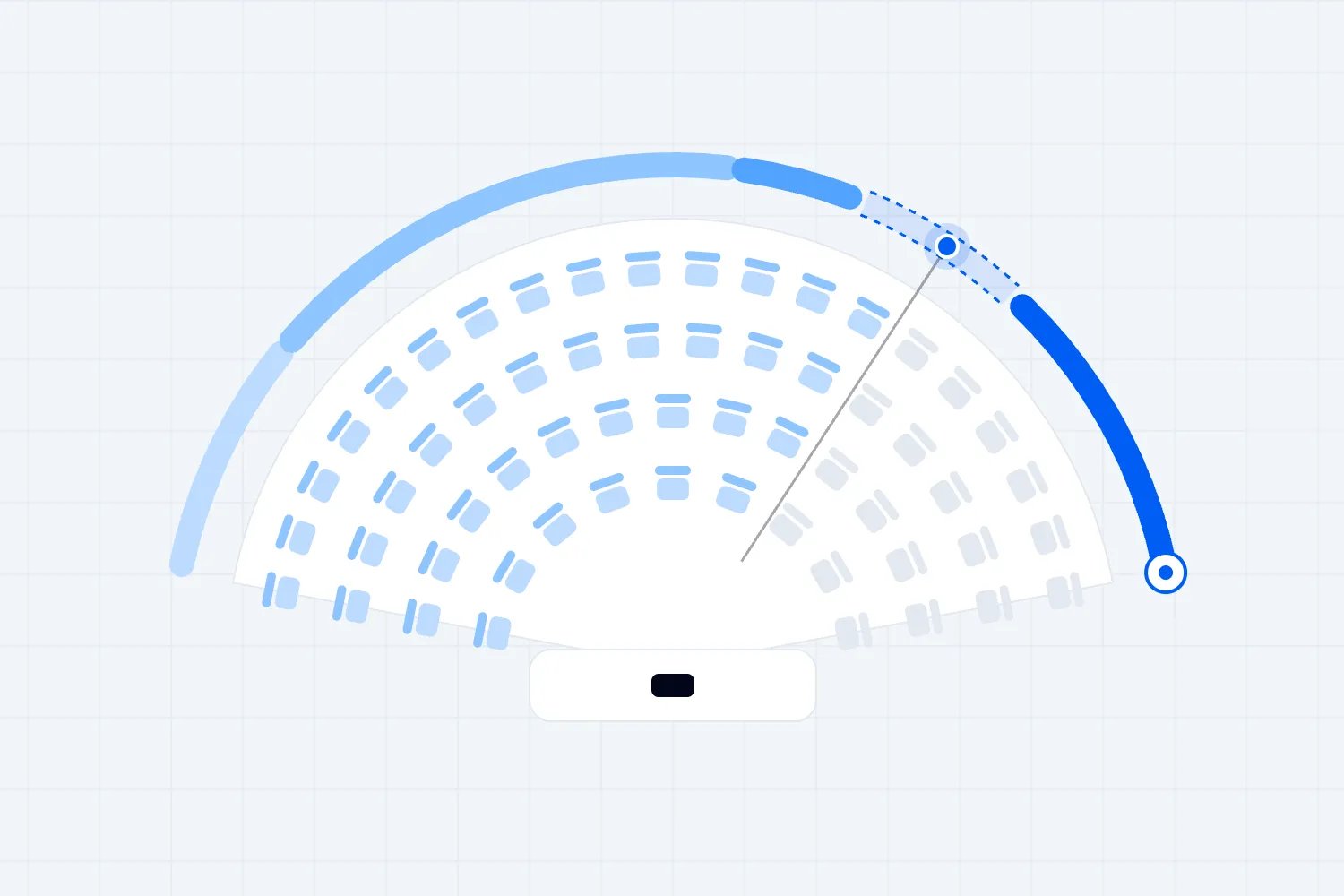
Keeping the same audience in the room can remove some departure and admission work. It also changes the conditions under which your crew works. Test that version separately instead of subtracting the audience movement allowance from a full reset and assuming the result is usable.
For example, a moderator might introduce the next speaker while a technician changes a presentation on the existing computer. That can work when the equipment and speaker are ready, the change is quiet and the audience has a clear view. It is a poor fit when the crew needs to carry furniture through occupied rows or the speaker needs an audible technical rehearsal.
Ask what people will experience during the gap. If the programme promises a continuous block, a brief explanation from the host may be enough. If you've advertised a break, staying seated shouldn't become the only way someone can hear the next introduction. State when the next content begins and keep that time consistent with the published programme.
The outgoing speaker needs an agreed place to continue conversations. Otherwise, an apparently efficient seated handover can leave a group gathered around the lectern while the next presenter waits to connect equipment. Brief the speaker and host about the move beforehand so the audience receives a clear, friendly invitation to continue elsewhere.
Sometimes the simplest change is to retain the same furniture for both sessions. A lectern and panel chairs can coexist if the venue, technical team and speakers agree that the arrangement works. Check sightlines and the incoming speaker's route during preparation. Avoiding a reset is useful only when the resulting room still supports each session properly.
Include access and cleaning in the readiness decision
A room reset can change something attendees relied on earlier. A newly placed chair might block an agreed route. A screen moved for a panel could make captions difficult to see. Check the arrangement for the session you're about to admit people to.
W3C's accessible events checklist covers accessible routes, suitable positioning, assistive listening arrangements, interpreters and captioners. It also asks organisers to coordinate the connections those services need. Confirm any changed arrangement with the relevant provider before reopening. The timing belongs in your plan wherever the check must happen after the reset.
This is a good reason to keep arrangements stable where possible. If an interpreter's position, caption display or listening system works for both sessions, avoid moving it for a cosmetic stage change. Ask the people providing the service what they need to remain effective when the speaker or format changes.
Cleaning can also determine when admission is possible. HSE's guidance on cleaning and slips advises leaving smooth floors dry after cleaning or excluding pedestrians until they are dry. A warning sign alone does not make a wet entrance ready for use. Discuss spills and drying time with the venue rather than assigning an optimistic cleaning duration in the timetable.
Keep the reopening report factual. "Rubbish collected, entrance still wet" tells the room lead what remains unresolved. "Cleaning nearly done" invites a guess. The same principle applies to technical work. "Slides ready, microphone check outstanding" is useful information even if it means you must hold admission while the check finishes.
Rehearse the awkward change before publishing the programme
You don't need an audience watching every rehearsal to learn whether your reset is plausible. You do need the real arrangement, the actual work and the people who will carry it out. An empty room with furniture already waiting beside the stage can conceal most of the problem.
Choose the transition with the biggest change, or the least flexibility, and rehearse it first. Put equipment where it will be stored. Use the planned service route. Include the outgoing speaker returning equipment and the incoming speaker getting into position. Ask the team to report when each task finishes so you can see where people wait for one another.
Record separate times for clearance, preparation, the final check and admission. Those observations help you change the plan sensibly. If preparation takes longer because furniture is stored too far away, move the storage if the venue agrees. If the technical check takes longer because a device is untested, fix the advance preparation. Adding staff to a task that is waiting for another task may save nothing.
An empty room rehearsal cannot establish audience clearance or admission time. Estimate those with the venue using the expected occupancy, approved routes and comparable observations, then validate them during the event. Don't describe a stopwatch measurement of furniture movement as a tested end to end turnaround.
Keep a reserve after the required work. Set it with the people doing that work, based on what remains uncertain. A reserve can absorb a small late finish or a repeated check. It cannot credibly cover an entire untested room conversion while also protecting a fixed start time. Change the format or allow a longer gap when the uncertainty is that large.
Book the people and room access your plan assumes
Once you've tested the sequence, check that the bookings actually support it. The venue may provide reset staff, but your agreement needs to say when they are available and what they will do. "Room setup included" might describe the morning arrangement without covering changes between sessions.
Ask for the turnaround requirements to appear in the venue's operating documents. For a hotel conference, our banquet event order guide explains how to record setup, service and approved changes. Attach the room plans and session times so the venue is confirming a specific task rather than a general intention to help.
Check supplier calls across the whole event. If several rooms change at once, identify which technician stays in each room and who handles issues outside them. A shared technician may be appropriate for a simple programme, but the agenda must allow them to reach every assigned job. The busiest changeover deserves that check more than the quietest one.
Also confirm access before the first session and after the last. You may be able to prepare afternoon equipment during the morning, but only if the room, storage and staff are available. A restricted loading window or another booking in the same room could remove that option.
Compare the cost of the feasible alternatives. More crew might reduce a changeover, while keeping one layout could avoid the reset entirely. A second room may allow preparation during the preceding session. Use actual supplier quotes and venue terms. The cheapest headline room hire can become expensive if it requires repeated changes your programme cannot absorb.
Protect the changeover when details arrive late
An agreed room plan can become unworkable when someone approves a small request without checking its consequences. An extra panel guest needs a seat and microphone. A different presentation device needs a connection check. Workshop handouts delivered in sealed boxes still need unpacking and distribution before attendees can use them.
Set a clear process for those requests. Ask the speaker or session owner to describe the change, then have the room and technical leads confirm what extra work it creates. The producer can approve it once they understand the effect on preparation, staffing and the next start time. Someone must also tell the team doing the work.
Use the fictional panel as an example. If an added guest makes technical preparation take eleven minutes instead of eight, the overlapping plan now needs 25 minutes overall. The six minute furniture reset still finishes first, so reducing it would not recover the lost time. You need to reduce the technical work, begin it earlier where possible, or change the surrounding schedule.
If the added guest can use a microphone already prepared and an existing chair position, the timing might remain unchanged. Confirm that with the people responsible rather than charging every request an automatic delay. The purpose of checking changes is to understand the actual consequence and keep the plan accurate.
Once a change is approved, update the room instructions people will use. Replace the old layout and identify the current session requirements. A message to the producer alone doesn't update the technician's microphone allocation or the venue crew's furniture order. Check that both teams received and understood the revision before relying on it.
Keep a final point after which new requests need a specific decision from the responsible producer. Choose it around your preparation schedule and tell speakers what it means. A deadline is useful when it leaves time to test accepted changes and explain declined ones. A date nobody checks only creates another version of the plan.
Give the door team a clear reopening instruction
The audience should not discover that a room is closed by reaching the entrance and asking whoever happens to be there. Tell the door team the expected reopening time, where people may wait and who will confirm that the room is ready.
Keep admission separate from the advertised session start. In the fictional example, the panel starts at 11:00 and admission begins at 10:55. A door host who receives only the first time may keep everyone outside until the panel is due to begin. The plan then loses the five minutes it allowed for entry.
Use a short, shared update. The room lead might say, "Panel room ready. Admission can begin at 10:55." If there is a hold, name the unresolved issue and the next update time. The host can explain the delay calmly without promising a start the production team cannot yet confirm.
Put those instructions in the event run of show, alongside the relevant technical and stage actions. The run of show covers the wider event; the room turnaround entry should identify the specific readiness confirmations and the person authorised to reopen this room.
If the queue grows, involve the venue's responsible team rather than opening early to remove pressure at the door. They need to manage the waiting area and keep routes usable while the room finishes preparing. A good plan includes somewhere appropriate to wait, especially where the incoming audience could meet people leaving the previous session.
Decide what happens when the previous session overruns
The reserve only helps if everyone understands what it protects. In our fictional overlapping plan, the previous session should finish at 10:38. If it ends at 10:41, the same clearance and preparation sequence can use the three minutes of reserve and still begin admission at 10:55, provided nothing else runs late.
If it ends at 10:44, the sequence finishes three minutes later than that admission target. There is no remaining reserve to spend. Starting the panel at 11:00 would require an actual change, such as a rehearsed shorter preparation sequence. Simply deleting three minutes from the entry allowance would contradict the plan you already tested.
Agree the available choices before the event. You might shorten an optional introduction in the outgoing session, use a simpler approved stage setup, or delay the next start and explain the change. Confirm who can approve each option and what it means for the session people bought. Keep required checks in place while choosing between those options.
Give moderators a clear finish instruction and a way to act on it. Ask them to close questions early enough to finish within their allocation. A host cannot reliably protect a turnaround if the speaker believes their speaking time excludes introductions and questions.
Don't automatically take recovery time from the next session. That presenter may have an exercise or a contractual commitment you cannot shorten. Look at the programme's agreed flexibility and fixed finish times. If you need to revise a public time, tell the people affected and update the information they are using. Quietly allowing every room to drift creates conflicting instructions for the rest of the day.
Record what happened and change the next plan
During the event, record when the previous session actually finished, when clearance ended, when the room was ready and when admission began. Note any work that exceeded the estimate and why. A delay caused by missing furniture needs a different response from one caused by a speaker refusing to finish.
Review those observations with the venue and crew while they are still specific. Were the incoming materials ready? Did the room lead have the confirmations needed to reopen? Was the technical team waiting for equipment that should have been available earlier? Keep the discussion on the sequence and the agreements people were working from.
Use what you learn to change the next comparable turnaround. Keep the same timing only when the room, format, staffing and audience assumptions remain credible. A successful morning handover between talks doesn't establish the time needed for an afternoon workshop reset.
Before you publish your next conference programme, pick its most demanding room change and ask the team to walk through it with you. Establish the reopening time, test the work before it, and leave the audience enough time to get seated. If the gap does not fit, change the programme while you can still explain it clearly to ticket buyers.

Author: By the Loopyah Content Team
The Loopyah Content Team shares expert insights, practical guides, and industry updates to help event organizers create unforgettable experiences and stay ahead in the event planning world.