· 21 min read
Banquet event order template: agree the delivery details
You've sold dinner tickets, chosen the menu and told the venue when guests arrive. Then the banquet manager asks whether the speakers eat with the audience, the caterer wants a final meal count, and someone mentions that clearing the room costs extra. Everyone has agreed to an event. They haven't necessarily agreed to the same event.
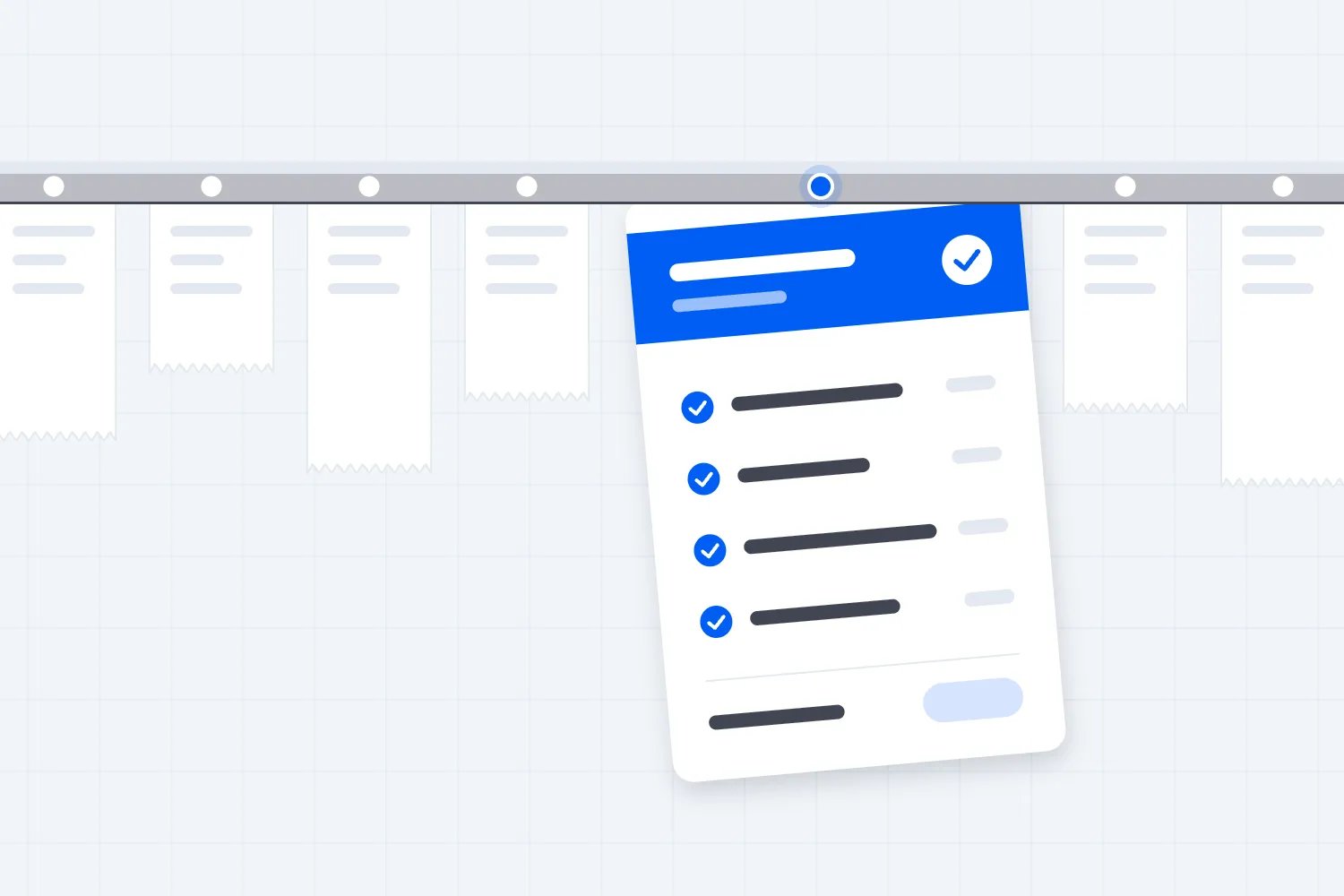
A banquet event order, usually called a BEO, records the instructions your venue and catering teams need to deliver the booking. A useful BEO connects the room, meal quantities, service schedule, equipment and agreed charges, with named people who can approve changes. It should be specific enough that the manager working your event can act without reconstructing months of emails.
This guide includes a reusable banquet event order template and a worked paid dinner example. The aim is to get a service your guests can enjoy and an invoice you can explain. You'll also see what to confirm before accepting the order, particularly where attendance, guaranteed charges and actual meals differ.
What does a banquet event order do?
Venues use different names and formats. You may receive a function sheet, catering event order or event specification containing much of the same information. Ask how your venue uses the document and which departments receive it. The name matters less than whether the people setting tables, cooking dinner and running the room have consistent instructions.
A BEO can form part of your commercial agreement, depending on its wording, the other documents and applicable law. Don't assume it is automatically binding everywhere or that it replaces your signed contract. Before accepting it, confirm which document takes priority if the BEO conflicts with the venue agreement, catering terms or approved quotation.
For example, a catering contract may define the cancellation charges while the BEO lists Saturday's menu and service times. A later BEO might also change the guaranteed number or add labour. Read those changes as purchasing decisions. A familiar form with a signature box can still alter what you owe.
Keep the wider catering contract terms available when checking the order. The BEO should translate the agreed arrangement into delivery instructions. Questions about liability, cancellation or disputed terms need resolving in the agreement with appropriate local advice, rather than disappearing into an operational note.
The event's run of show has another job. It coordinates the whole programme, including presenters, sound, lighting and audience movement. Your BEO contains the venue and catering detail that supports it. Reference the current run of show and check shared timings whenever either document changes.
Start with the people entitled to a meal
Before completing the template, reconcile your ticket records with the food you're buying. Total tickets sold may include admission without dinner, while the dinner count may include complimentary guests. Your crew might eat earlier from a separate menu. These differences are normal, but a single box labelled "guests" conceals them.
Consider a fictional paid industry dinner. There are 180 dinner ticket holders, 12 complimentary dinner guests and eight speakers joining the same meal. That creates demand for 200 guest dinners. Another ten working crew receive separate meals before doors. These figures are illustrative throughout this guide, rather than catering benchmarks.
The venue might seat 220 diners in the approved layout, but that capacity doesn't mean you have ordered 220 dinners. Equally, a guarantee of 200 dinners doesn't mean only 200 people will enter the building. Staff, suppliers and other attendees still matter when the venue assesses occupancy and safe access.
Record each number with a label that explains its purpose. Your expected attendance helps plan arrival and service. Your confirmed meal demand describes what guests are entitled to receive. Your guarantee establishes a payment commitment under the agreed terms. The quantity prepared comes from the caterer's accepted production plan, including any specifically agreed additional meals.
If those numbers differ, explain why. An event can expect 190 diners and still owe for 200 guaranteed meals. It can also have a minimum spend that exceeds the price of either quantity. The person checking the invoice needs the commercial rules as well as the attendance report.
Our guide to calculating catering quantities covers the earlier calculation. Use the BEO to record the accepted result, with separate totals for guest meals, crew meals and any other service. Don't use a hoped-for no-show rate to reduce food for guests who still hold a dinner entitlement.
A banquet event order template you can copy
Use the sections below in a shared document, or compare them with the venue's own form. Replace the square brackets and remove fields that genuinely don't apply. Keep unresolved items marked as pending, with an owner and deadline. An empty field can look like nobody requested the item.
For multiple functions, identify each separately. A reception, dinner and next morning's breakfast can share contacts and contract references, but they need distinct room, count and service instructions. Otherwise a change to breakfast attendance can accidentally reach the dinner team as a revised guest total.
Event identification and approval
Event name: [name used on the booking and invoices]. Event date: [full date]. Function: [reception, dinner or other service]. Venue and room: [name, address, room and floor].
Booking reference: [reference]. BEO version and issue time: [version, date, time and time zone]. Status: [draft, approved or superseded]. Prepared by: [name and role].
Organizer's operational contact: [name, mobile and backup]. Organizer's spending approver: [name, authority and contact]. Venue duty manager: [name and contact]. Catering service lead: [name and contact].
Referenced documents: [signed agreement, accepted quote, menu version, floor plan and run of show]. Document priority: [agreed order if instructions conflict]. Approval required from: [named representatives and method].
Counts, guarantee and deadlines
Expected people attending this function: [number and basis]. Confirmed guest meals: [paid dinner guests, complimentary dinner guests and speakers]. Separate workforce meals: [number, recipients and service location].
Guaranteed chargeable quantity: [number and category]. Minimum spend: [amount, currency and qualifying items]. Billing rule: [how the guarantee, actual increases and minimum interact under the agreement].
Meal choices: [exclusive counts for each ordered dish]. Dietary arrangements: [reference to the restricted access meal list and caterer's confirmations]. Additional prepared meals: [accepted quantity, menu and charging basis, or none agreed].
Final count deadline: [date, time and time zone]. Submit to: [person and channel]. Confirmation required: [written acknowledgement]. Later changes: [request method, availability decision, price and authorized approval].
Room, access and equipment
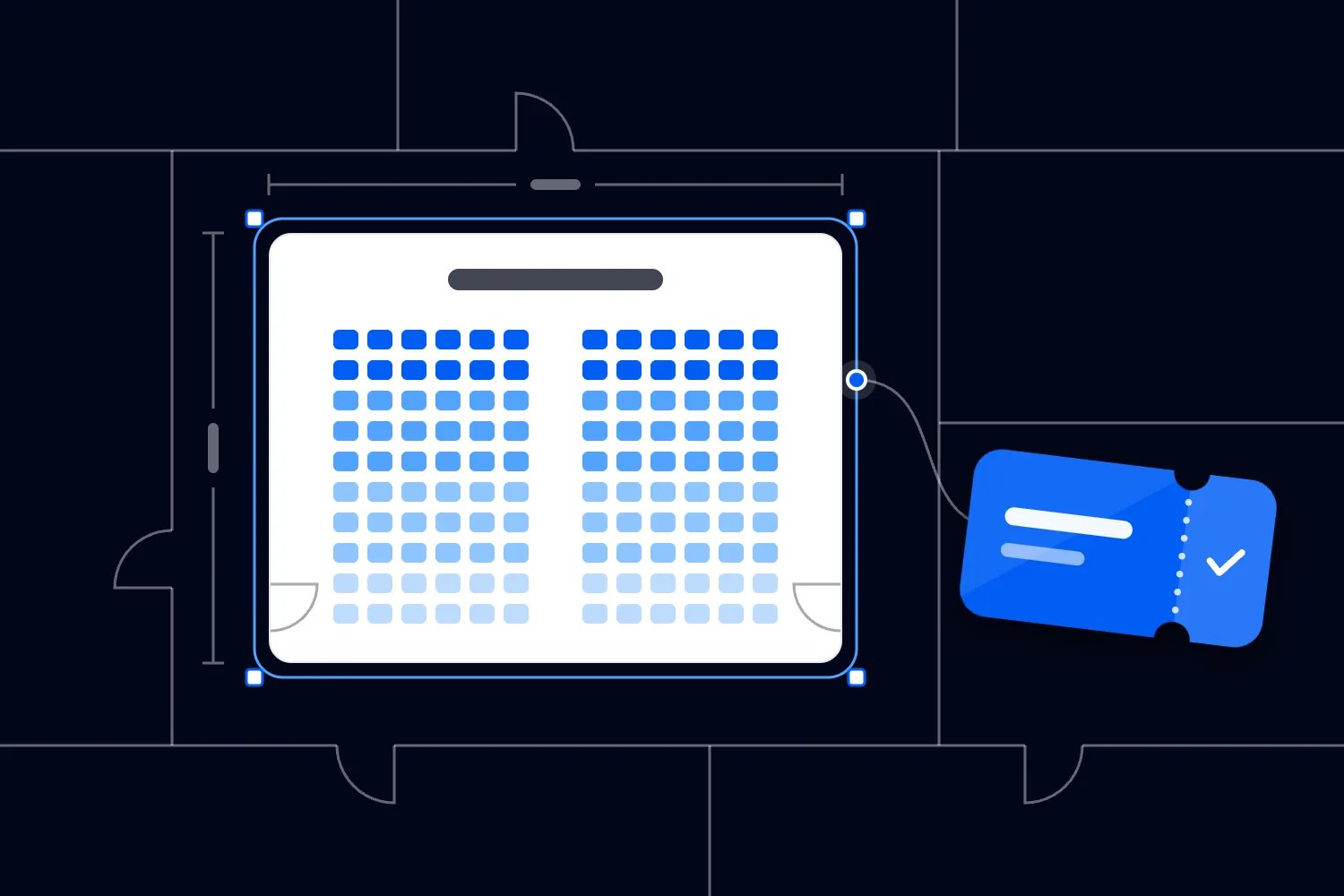
Approved room layout: [dated plan reference]. Tables and places: [quantities and identifiers]. Stage, catering stations, service routes and accessible routes: [locations shown on the approved plan].
Access: [supplier arrival time, loading entrance, booking procedure and unloading contact]. Setup complete: [time]. Room inspection: [time and attendees]. Public doors: [time]. Pack-down and room handback: [times and conditions].
Venue supplies: [furniture, utilities, kitchen access, refrigeration or other confirmed items]. Caterer supplies: [equipment and service items]. Other suppliers provide: [items, supplier names and handover contacts].
Inventory and returns: [quantities, condition check, return location and collection time]. Breakage or missing equipment: [recording method and agreed charging basis]. Unconfirmed facilities: [owner, action and resolution deadline].
Food, drinks and service
Menu: [approved dishes, courses and version]. Service style: [plated, buffet or another agreed format]. Portions: [agreed basis]. Guest menu information: [who supplies it and who approves it].
Service schedule: [ready time, opening cue, course times, clearing windows and close]. Programme contact: [person who communicates timing changes]. Delayed service procedure: [who assesses options and confirms revised instructions].
Dietary meal handover: [kitchen lead, guest identification method, service lead and confirmation process]. Allergen questions: [trained contact and information location]. Substitutions: [confirmation, allergen review and guest communication procedure].
Drinks: [included items, quantities or duration, service location and exclusions]. Guest purchases: [payment arrangement]. Organizer account: [authorized purchases, spending limit, reporting and closure]. Alcohol responsibilities: [approved operating arrangements and named lead, if applicable].
Staffing: [roles, agreed numbers or service commitment, start and finish times]. Break cover: [arrangement]. Overtime: [approval, rate basis and recording]. Clearing and waste: [assigned duties, locations and final condition].
Prices, changes and completion
Approved charges: [food, drinks, labour, room, equipment, delivery, setup, clearing and other items]. Currency: [currency]. Tax and service charges: [rates, calculation basis and whether included]. Estimated total: [amount and assumptions].
Payments: [amounts already paid, how credited, outstanding deadlines and invoice recipient]. Variable charges: [unit prices, measurement, supporting records and approval process]. Exclusions: [items not supplied or charged separately].
Change record: [request, requester, date, revised instruction, cost effect, schedule effect and approval]. Updated attachments: [versions]. Distribution: [recipients and acknowledgement]. Previous instructions withdrawn: [method and responsible person].
Completion: [service record, equipment returns and room inspection]. Invoice reconciliation: [organizer and supplier contacts, evidence required and agreed timing]. Outstanding matters: [specific issue, owner and deadline].
Complete the template with a realistic dinner example
For our fictional industry dinner, the approved room plan has 20 tables with ten guest places each. All 200 guest dinners use those places. The ten crew meals happen in a separate working area before public entry. This keeps the meal order consistent without pretending that the crew disappear from the venue's wider occupancy planning.
The organizer confirms the guest dish split as 160 chicken dinners and 40 plant-based dinners. Those are mutually exclusive meal choices totalling 200. Allergy arrangements are recorded separately against the relevant meals, so an attendee with an allergy doesn't accidentally become an additional dinner in the total. The caterer must confirm each request it can accommodate.
In this example, the guest meal price is USD 45 and crew meals are USD 15. The accepted guest guarantee is 200, producing USD 9,000, and the ten crew meals add USD 150. Separately agreed room and service charges total USD 1,200. The example subtotal is therefore USD 10,350 before applicable tax.
These are invented prices for explaining the form, with no claim that they reflect market rates. The fictional agreement has no additional minimum spend or percentage service charge. A real BEO should state the actual terms explicitly. Copying our total while adding an unstated minimum would make the example useless for budgeting.
Suppose the event is on Saturday, with the final guarantee due at noon on the preceding Tuesday in the venue's local time. Write the actual calendar date on the BEO. The organizer emails the count to the banquet manager, who confirms the quantity, dish split and charges in writing. Silence isn't the acknowledgement the teams agreed to use.
The room opens at 18:00, guests take their places at 18:45, and the first course is scheduled for 19:00. Crew meals are served at 17:00. Each time belongs in the catering schedule, with the presenter brief reflecting when service needs the audience seated and when clearing would disturb a speaker.
Filled operating instructions for the example dinner
Here is how the main service instructions could read once the fictional teams have agreed them. Names identify example roles, not real suppliers. The organizer would add the actual event date, contacts and document references before approval. The prices remain those in the worked example above.
Function: paid industry dinner in the main dining room. Guest dinner guarantee: 200. Crew meals: ten, served separately at 17:00 in the agreed crew area. Guest menu: 160 chicken dinners and 40 plant-based dinners, with confirmed dietary instructions on the restricted meal list.
Setup: venue supplies the agreed 20 tables and 200 guest chairs. Caterer supplies the accepted linen and service equipment quantities. Organizer supplies table identifiers and the seating list. Banquet manager checks the setup against the approved plan before accepting the room as ready.
Supplier arrival: caterer uses the booked loading entrance and calls the venue duty manager on arrival. Venue staff confirm the unloading route is available. Caterer reports any missing facility or delayed delivery to the duty manager and organizer before making an alternative arrangement that changes cost or service.
Readiness and service: banquet manager confirms the room is ready before 18:00 doors. Floor manager starts seating at 18:45. First course is scheduled for 19:00, subject to confirmation between the catering lead and floor manager. Both agree any changed service time before staff begin serving.
Guest questions: servers refer ingredient or allergy questions to the catering lead. Confirmed special meals use the agreed guest identifier and table reference. Servers check the handover against the restricted meal list and involve the lead whenever the identity or meal instruction is unclear.
Completion: caterer clears its service items and waste as agreed. Venue and organizer inspect the room at handback. Supplier records any authorized extras and equipment issues for reconciliation. The approved subtotal is USD 10,350 before applicable tax, subject only to changes accepted through the agreed approval process.
You would still attach the actual course schedule, supplier inventory and room handback time. They are deliberately described as agreed references here because copying invented equipment quantities or a venue's unknown closing time would create instructions nobody has checked.
Agree how the kitchen will handle dietary requests
"Dietary requirements covered" is too vague for a service instruction. The kitchen needs to know what it has agreed to prepare, and the serving team needs to identify the correct recipient. Ask the caterer to explain the full process, including ingredient changes, cross-contact controls and who answers questions during dinner.
The Food Standards Agency's allergen guidance for food businesses covers England, Wales and Northern Ireland. It explains information duties for food businesses and handling allergens. Follow the requirements applicable to your event's location and service format, and ask the caterer to confirm how its team will meet them.
For the dinner example, a restricted meal list can associate a guest identifier and table with the agreed meal instructions. The BEO references that list rather than reproducing sensitive details in every departmental copy. The banquet manager must still make the necessary information available to the staff responsible for preparing and serving the meal.
Don't let a plant-based label substitute for an allergy assessment. A dish can suit someone's dietary preference and contain an ingredient another person must avoid. Likewise, guests can have overlapping requirements. Record the confirmed meal solution for each affected guest while keeping the main dish totals reconciled.
Late requests need an honest answer. If a guest reports an allergy at the table, the server should involve the trained catering contact. The organizer shouldn't invent reassurance or promise that removing an ingredient makes the meal suitable. Agree what the guest can be offered after the caterer checks, including when no suitable meal is available.
Identifiable allergy information can reveal health data. The UK's Information Commissioner's Office explains the protection of special category data, including health information. Confirm the applicable privacy requirements, limit access, explain necessary sharing and agree retention. A whole attendee export rarely belongs in a kitchen instruction pack.
Check the room as it will operate during dinner
A floor plan needs to represent the tables, stage and catering stations that will actually be present. Ask the venue to confirm the layout for your event, including service movement and access requirements. A room's advertised maximum capacity doesn't establish how many guests your particular dinner arrangement can accommodate safely.
The UK's Health and Safety Executive says in its venue and site design guidance that shared responsibilities should be clearly assigned. It also identifies exits and circulation as factors affecting capacity. Record the relevant responsibilities and the approved plan reference, then coordinate changes with the venue's responsible person.
At the site visit, walk the supplier's route. Check how delivery reaches the kitchen, who opens the loading entrance and whether other suppliers share the same lift. An access time that works for furniture delivery may clash with food unloading. Ask the teams to resolve that conflict before both vehicles arrive together.
Then walk the guest route, including arrival, seating, toilets and food service. The US Access Board's guidance on accessible routes explains how these connect accessible spaces under US standards. Your venue must assess the rules that apply locally. For the BEO, specify the agreed arrangement and who maintains clear routes during setup and service.
For example, if a table position changes to improve access, update the seating reference used for dietary meal delivery. If a buffet station moves, reassess its queue and service route. A small furniture change can affect several teams, which is why the final walkthrough should include both the venue manager and catering lead.
Make the service schedule workable for the programme
The first thing you want to do is distinguish "ready" from "serve". A room ready at 18:00 means guests can enter an inspected, prepared space. It doesn't tell the kitchen to send the starter. The BEO needs an agreed service time or cue, with a named person communicating it.
For our example, the banquet lead confirms readiness before doors. At 18:45, the event floor manager asks guests to take their places. The host finishes the welcome before the planned 19:00 first course. The catering lead and programme lead agree how they will communicate if seating or the welcome runs late.
Discuss realistic recovery options beforehand. Perhaps the welcome can be shortened, or a later speech can move until after clearing. The kitchen should explain the operational limits for delaying the food. Don't write "hold dinner until ready" without asking what that would require and whether the proposed service remains safe.
The UK government's food hygiene guidance for businesses explains that food businesses must operate a food safety management system. Your BEO should reference the caterer's agreed service arrangements and responsible lead. It shouldn't replace that system with an organizer's improvised temperature instructions or an unconditional promise to hold food indefinitely.
Include clearing in the timing conversation. Servers collecting plates can interrupt a quiet presentation and occupy the route a speaker needs to reach the stage. Agree suitable windows, then brief the host accordingly. The best plan depends on your programme and room, rather than a universal number of minutes between courses.
Show who supplies each item and facility
Equipment gaps often begin with an innocent assumption. The venue says tables are included; the caterer assumes that includes table linen. By the time the missing linen is discovered, your cheapest option may have disappeared. Assign each item to a supplier and check quantities against the approved room plan.
For the fictional dinner, the venue provides tables and chairs, while the catering package includes linen, crockery, cutlery and glassware. The BEO states those responsibilities and references the accepted equipment list. If a separate rental company delivers anything, name the person receiving it and checking its condition.
Facilities deserve the same care. Confirm the caterer's access to the actual preparation area, refrigeration, water, power and washing facilities it requires. Get unresolved requirements checked by the responsible suppliers. A note saying "kitchen available" doesn't explain whether the equipment and access suit the menu they've agreed to deliver.
Decide who clears tables, handles waste and returns hired items. Those tasks can overlap without anyone accepting the complete job. Record the required room condition and handback time, including what happens to items awaiting collection. The organizer needs to know whether the venue's access period covers that final collection.
Confirm drinks and separate functions without confusing the team
If guests receive a welcome drink before dinner, describe that as its own service. Give it a location, opening and closing time, quantity or package basis, and a responsible lead. Make clear whether every dinner guest is entitled to it and whether an alternative is included for guests who don't drink alcohol.
Then explain what happens during dinner. A water service, a drinks package and a guest-paid bar involve different instructions. Staff need to know which purchases are covered and which require payment. A guest shouldn't discover at the bar that the drink described on the event page meant something narrower than they understood.
For a consumption-based organizer account, specify who can charge to it and how the supplier reports the running amount. Agree when the named approver receives a warning and what happens at the limit. A spending cap only works operationally if the bar team knows whether to stop organizer-funded service, seek approval or offer guest purchases.
Separate function records also help when attendance differs. A speaker might attend a reception and leave before dinner. A crew member might receive an early meal while working through the reception. Ask the banquet manager to confirm which function each quantity belongs to, so updating one count doesn't silently change another service.
Treat a late change as a new instruction
On Friday, the fictional organizer receives six additional dinner requests. The guarantee deadline has passed. Those requests don't authorize the kitchen to increase production, and they don't establish that the room can accommodate more diners. The organizer first asks the venue and caterer to confirm what is possible.
Suppose the venue approves an updated layout with six additional places, and the caterer accepts four chicken and two plant-based meals. The dish totals become 164 and 42, making 206 guest dinners. Crew meals stay at ten. Update every affected count and plan reference, rather than adding a comment that simply says "six extra".
If the supplier agrees the same USD 45 guest meal price, the six meals add USD 270. Our fictional subtotal becomes USD 10,620 before applicable tax, assuming all other charges stay unchanged. The organizer needs written confirmation of that assumption. Additional staffing or equipment would require its own approved price.
Record the request, accepted service, total cost effect and named approval. Issue the revised BEO, identify what changed and ask the venue and catering leads to acknowledge it. Someone must withdraw the earlier working copies. Calling the new file "final" won't help a server holding yesterday's printed plan.
An emergency during service needs a faster agreed process. Decide which organizer can approve urgent expenditure and how the decision will be recorded afterwards. Separate that commercial authority from the supplier's responsibility to stop unsafe service. Nobody should wait for a spending approval before raising an immediate safety concern.
Make sure the approved version reaches the next shift
The person who sold you the booking may finish work before your dinner starts. Ask who receives the approved BEO after that handover. Your named sales contact can remain helpful, but the duty manager needs the current instructions, attachments and authority to resolve delivery questions while guests are in the room.
Send a revision message that identifies the changed instruction in plain words. For the six additional dinners, say that the guest guarantee increases to 206, list the revised dish totals and identify the new room plan. Include the accepted cost increase. The recipient can then check the change against the kitchen and room instructions they hold.
Ask each lead to confirm receipt and understanding of the changes affecting their team. A delivery receipt tells you a message arrived. It doesn't confirm that the kitchen replaced its count or that the banquet manager has the revised seating plan. You need that confirmation before assuming the additional guests can be served.
Printed copies need an owner too. Decide who replaces them at the kitchen pass, service station and duty office, where those copies are used. Label superseded documents so staff can identify them. Keep the approval history for records without leaving old instructions mixed into the working pack.
If a replacement manager takes over during service, include current issues in the handover. An unserved meal, a delayed course or an approved account extension can matter more than the original planning notes. The incoming manager should know what has already changed and who approved it, before the next instruction reaches the team.
Review the final BEO with the delivery team
Before approval, ask the banquet manager to talk through the event using the order. Who receives the food delivery? Which count reaches the kitchen? How does a server find a guest's confirmed meal? What happens if the host is still speaking when dinner should start? Specific answers reveal gaps that reading alone can miss.
Check the BEO against the approved quotation and payment records. Verify the guarantee, applicable minimum, tax treatment, service charge calculation and credits for deposits. Ask about any new line. Then compare the complete commitment with your event budget, including the cash needed before the event.
After dinner, reconcile the invoice with the approved order and recorded changes. Keep the service record, authorized extras, staffing hours where relevant and equipment return confirmation. If attendance fell below the guarantee, distinguish that disappointment from a billing error. If an unsupported charge appears, identify the line and request the agreed evidence.
Send the current approved version to the people delivering the event and confirm they can access its attachments. Your final conversation should settle the remaining pending items, assign any follow-up and establish who is in charge on the night. Then the venue can prepare the room and the caterer can prepare dinner using instructions you've actually agreed.

Author: By the Loopyah Content Team
The Loopyah Content Team shares expert insights, practical guides, and industry updates to help event organizers create unforgettable experiences and stay ahead in the event planning world.