· 21 min read
How to combine two paid event formats into one clear ticket offer
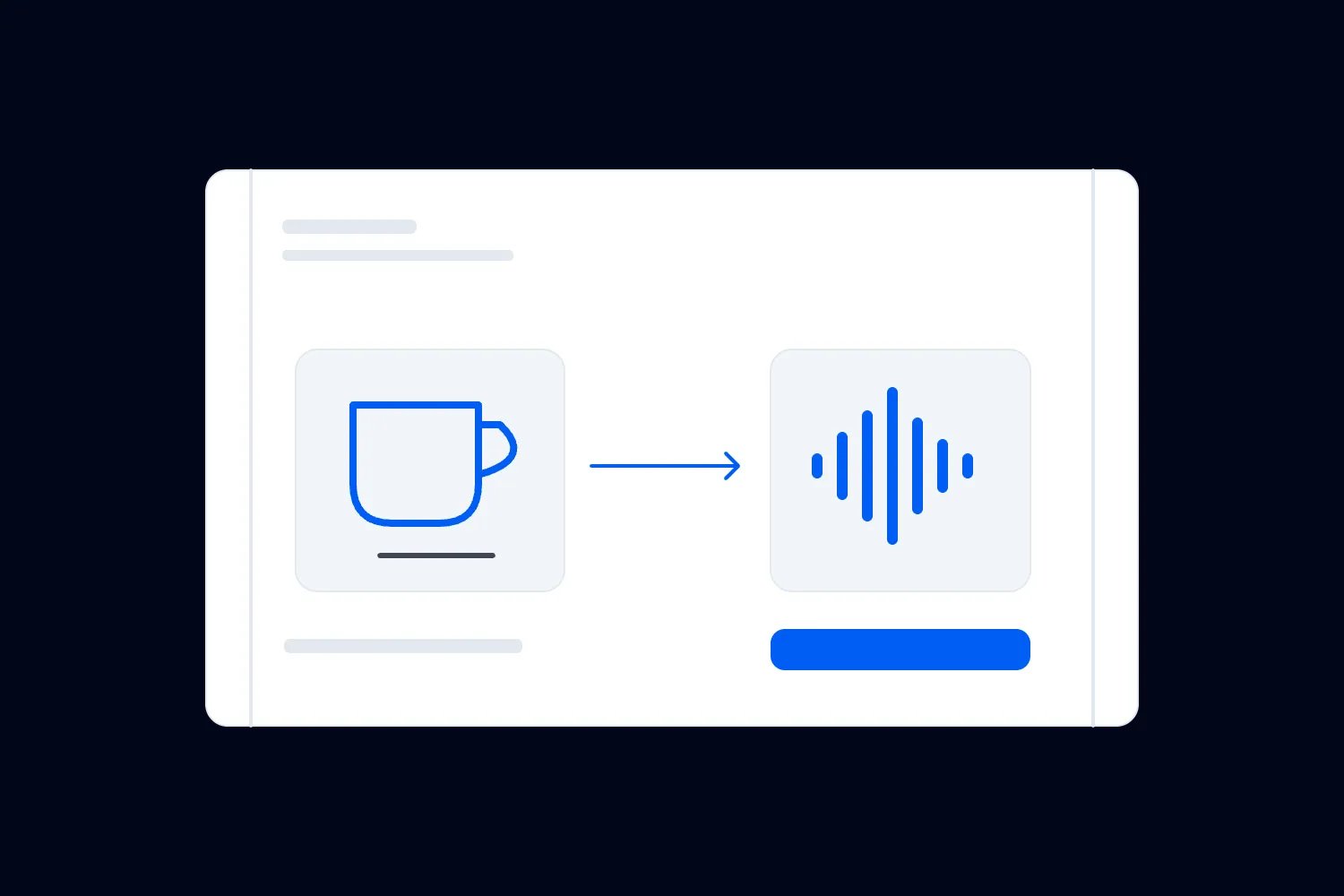
You've found a roaster with a following, booked an acoustic duo, and started imagining a coffee tasting that becomes a gig. It sounds like a good Saturday afternoon. Then you try to write the ticket description. Is the music background entertainment? Will everyone taste the coffee? Are you selling a concert with refreshments or a tasting with a performance?
Those questions decide whether the combination works. To combine event formats successfully, build the offer around one audience and one reason to attend, then make the programme, capacity and price support that promise. Buyers should understand what happens, what their ticket includes and whether they'll actually get to do both activities.
You don't need to invent a new category. You need to explain an afternoon someone wants to buy. We'll work through that coffee tasting and acoustic gig as an illustrative example, including the awkward decisions about timing, limited places and money. The same approach works for workshops with performances, exhibitions with talks, and screenings with food.
Start with the person who wants both experiences
The first thing you want to do is describe the buyer without naming either format. For our example, that could be someone looking for a relaxed afternoon out with a friend, curious about specialty coffee and happy to listen to live music. They don't need professional tasting knowledge. They do need to enjoy sitting down and paying attention for part of the afternoon.
That's a more useful starting point than adding together the roaster's followers and the duo's followers. Some music fans will only want a cheap gig. Some coffee enthusiasts will want a technical session without interruptions. Two audiences can overlap without wanting this particular combination at this particular price.
Ask people what they'd expect to happen. Would they want the tasting before the music, or coffee served throughout? Would they come alone? Does a seated afternoon sound appealing, or were they imagining a standing social? Their answers help you find mismatched expectations before you commit to the room and programme.
If you already run one of the formats, ask existing buyers about the proposed addition. Describe a real duration and likely price rather than asking whether they like the idea. Someone can enjoy the thought of a workshop and concert while having no intention of buying a four-hour ticket. Interest becomes more useful when the practical commitment is visible.
You can also decide that the second format is unnecessary. If your customers want a quiet, detailed tasting and the music would shorten it or make questions difficult, run the tasting well. Combining formats is an option for improving the experience. It doesn't automatically make the event more valuable.
Decide how the two activities relate
A combination becomes easier to plan when you can explain why the activities happen together. Perhaps the second lets people apply what they've learned. Perhaps it continues the same subject through another medium. Or perhaps it changes the pace after an activity that asks for concentration. The connection can be simple, but it needs to make sense to the buyer.
Consider a documented example. The Royal Albert Hall's archive describes Superman in Concert in June 2022, where the film screened while the Royal Philharmonic Concert Orchestra performed its score live. The screening and concert serve the same experience. The audience doesn't have to choose between watching the film and hearing the performance.
Your combination may work differently. A printmaking workshop followed by a small exhibition lets participants see finished work after making their own. An author conversation followed by a writing session turns the discussion into practice. These are proposed formats, not claims about real events. What matters is whether the relationship improves the buyer's afternoon.
For the coffee and music example, choose a hosted tasting followed by an acoustic set, with a break between them. The tasting starts conversations and gives the afternoon a shared activity. The performance then gives people time to sit back. You can describe that sequence without pretending the musicians and coffee require a complicated creative concept.
If you need more inspiration, our experiential event examples cover different ways to build participation. Use examples to explore possibilities, then return to your audience. An impressive combination elsewhere doesn't establish demand for your venue, town or price.
Choose a sequence that people can follow
You have three practical options. Everyone can do one activity and then the other. Both can happen at the same time as a single combined experience. Or separate activities can run in different areas, with people choosing where to spend their time. Each creates a different promise, even if the ingredients sound identical on a poster.
Sequential programming usually makes the promise easiest to explain. A ticket covers the workshop, a break and the performance. Everyone can take part in both. Your main problem becomes managing the change between them, including furniture, equipment and the audience's needs. For a first attempt with limited staff, this is often the arrangement worth exploring first.
Simultaneous programming works when the activities genuinely support each other. A live score and a film are an obvious example. A loud band playing during instructions for beginners is much harder to justify. Ask which activity requires listening, concentration, conversation or movement, then check whether the other makes that harder. Being able to fit both into a room isn't enough.
Separate zones provide choice, but choice changes what admission means. If a workshop has fewer places than the overall event, you cannot promise every buyer a workshop place without another arrangement. You might reserve sessions, sell separate admission or describe the workshop as limited optional programming. Explain the limitation before purchase and make the allocation process workable.
Avoid using the word hybrid without explaining it. People may assume you mean an event with in-person and online audiences. Here we're discussing two activities combined within a paid experience. Describe the actual programme in your title and opening description so buyers don't have to interpret event-industry terminology.
Set capacity around what you've promised
Our example needs a seat and a tasting place for every buyer. Suppose, for this planning exercise, the team can prepare and serve 48 complete tasting sets within the allotted session. The room might accommodate a larger audience for music, but that doesn't let you sell more tickets to a package guaranteeing both activities.
Start with the capacity of each promised activity, then confirm the venue arrangement with the people responsible for safety. Great Britain's Health and Safety Executive explains that venue capacity depends on available space, exits and circulation. Tables, service equipment and audience movement therefore belong in the assessment. A generic capacity advertised by a venue isn't permission to use every layout at that number.
Keep your operational limit distinct from the venue's safe capacity. The tasting might support fewer buyers because of staff, equipment or service time. Use the lower applicable limit. Include performers, staff and contractors in the venue assessment, while tracking separately how many paid participants the tasting can serve. Don't subtract people from a number whose meaning nobody has confirmed.
If you sell different ticket types, check what they share. A music-only ticket still uses space during the performance. A combined ticket uses that space too. Giving each ticket type its own quantity doesn't necessarily protect a shared limit. Confirm the setup and test it before sales open, or use a single combined ticket for the first edition.
For a larger event, write down the places available in each session and the tickets that consume them. If you cannot explain how those quantities stay within their limits, simplify the offer. A queue on the day cannot create the tasting places you sold in advance.
What if only some buyers can do the second activity?
Suppose you change the idea to a small coffee blending workshop followed by a concert. The concert room can hold the full audience, but the workshop equipment only supports a smaller group. You now have a different offer to design. Start by deciding whether the workshop is essential to the advertised experience or an optional extra for interested buyers.
If it is essential, either reduce overall admission or provide enough properly scheduled workshop sessions for everyone. Repeating sessions adds work. Account for cleaning, materials, instructor breaks and the time participants spend waiting. Make sure the repeat sessions finish before the concert if everyone has also paid to watch it. A place in a session that conflicts with the performance doesn't fulfil a promise of both.
If it is optional, describe the main ticket as concert admission and sell the workshop through a clearly limited reservation. Decide whether workshop admission also includes the concert, and prevent anyone from accidentally buying concert access twice. Confirm that your ticket setup can enforce the resulting quantities before promising a booking arrangement. Simpler names and fewer options can save buyers a lot of confusion.
First come, first served can suit a small incidental activity, provided its limited nature is clear. It is a poor arrangement for an activity featured as the main reason to buy. A customer who arrives at the advertised start should not discover that the experience used to sell their ticket was exhausted before the programme began.
Also think about friends booking together. If one gets the workshop and the other cannot, will they still want the concert? Explain how reservations work for a group and whether people can check availability before committing. That detail may matter more to a buyer than another paragraph describing the atmosphere.
Plan the changeover as part of the event
The coffee tasting finishes. People want the toilet, another drink and a conversation with the roaster. Meanwhile, the duo needs a clear performance area, the service team needs to remove tasting equipment, and someone must explain when the music starts. This is where an attractive idea becomes a production job.
In our illustrative programme, doors open at 1:30pm and the host starts the tasting at 2pm. The tasting lasts 45 minutes. A 30-minute break follows, then the duo plays from 3:15pm to 4pm. The event ends at 4pm. Those timings are planning assumptions to test with the suppliers, not a standard duration for either format.
The work happens inside that break. Decide who clears cups, who handles spills, where used equipment goes and who checks the audience area before the performance. Set the musicians up before doors where possible. If the stage needs rebuilding while customers wait, rehearse the change and allow enough time for it.
Write those actions into your event run of show. Include the person responsible and the condition that allows the next activity to start. The host should know whether to extend the break, and the musicians should know whose signal they follow. A time printed in a programme doesn't tell a supplier what to do when the room isn't ready.
Walk the audience route as well. HSE's crowd risk guidance asks organizers to consider movement through arrival, entry, circulation and departure. For your combination, look particularly at the point where people leave one activity while staff prepare another. Clear routes and a realistic break matter even when the event is small.
Make the included experience accessible throughout
Check whether someone can participate in the whole paid offer. An accessible entrance doesn't solve a tasting held at standing-height counters followed by a performance with no suitable seating. Ask the venue and suppliers about the actual arrangements for both activities, including the break and the route between them.
Explain what you know before people buy. That might include seating, step-free routes, toilet access, sound levels and how to contact you about adjustments. Avoid a broad statement that the event is accessible when you haven't described the conditions. Buyers need enough detail to decide whether the experience suits them and to ask a useful follow-up question.
The charity Attitude is Everything publishes a venue access information guide for event professionals. Use a relevant guide when checking what your information should cover, and involve disabled people in testing the arrangements. They may identify problems that a supplier walkthrough misses, particularly when one part of the programme changes the room layout.
Participation should also be clear. If people can observe a demonstration without tasting, explain whether that is an alternative offered at the same price or a different admission option. If the experience depends on standing, handling equipment or hearing spoken instructions, talk through workable adjustments with the people delivering it. Don't leave those decisions to whichever staff member happens to be at the door.
For the coffee event, provide a way to ask about ingredients and caffeine before booking. A replacement drink needs an agreed service process, not a promise the host makes without checking. The commercial offer becomes more credible when the practical detail is settled. It also reduces the chance that someone pays for two experiences and can only participate in one.
Price the package using its actual costs
Adding a second format adds a reason to buy only if buyers value it. It can also add labour, equipment and supplier fees without supporting a higher price. Work through the combined budget before choosing a price that sounds attractive. Our event break-even guide explains the wider calculation if you're building a budget from scratch.
Let's keep using the 48-person example. These are invented planning figures in US dollars, not supplier quotes, platform fees or industry benchmarks. Assume fixed costs total $1,200, covering the venue, performers, host, equipment, marketing and contingency. Assume another $12 per paid attendee covers tasting supplies and the payment and ticketing costs allowed for in this example. Tax is excluded throughout this simplified model.
At a $42 ticket price, each sale leaves $30 after those assumed variable costs. You need 40 sales to cover the $1,200 fixed cost. At 48 sales, revenue is $2,016, variable costs are $576 and the remainder after fixed costs is $240. That is the illustrative event's operating surplus before any omitted tax or owner costs.
Now test a quieter afternoon. At 36 sales, revenue is $1,512 and variable costs are $432. After the same fixed costs, you lose $120. If you cut the price to $36, each sale leaves $24, so you need 50 sales to break even. That exceeds the 48 paid places in this example. Selling out would still leave a $48 loss.
| Label | Result |
|---|---|
| 36 tickets at $42 | -120 |
| 40 tickets at $42 | 0 |
| 48 tickets at $42 | 240 |
| 48 tickets at $36 | -48 |
The calculation tells you what needs changing. You could reduce confirmed costs, find buyers willing to pay more, secure non-ticket income or change the programme. Increasing the advertised capacity is only an option if delivery and safety support it. Hoping the bar will compensate is not a budget until you've agreed who receives that revenue and what costs come with it.
Before approving that budget, compare it with the event you would otherwise run. Suppose the tasting alone could attract the same buyers at a lower ticket price. Estimate its costs and likely sales separately. Then compare the two results using realistic attendance assumptions. The combined afternoon needs to justify any extra cost through what people will pay, additional demand you can reasonably expect, or another benefit you can explain.
This comparison can change the programme. Perhaps the duo is affordable, but keeping the venue open longer creates another staffing shift. Perhaps the venue is already available, making the second activity less expensive than expected. Ask suppliers for the actual costs caused by the addition. Don't assume two formats cost twice as much, or that a shared room makes the second one nearly free.
Agree the commercial details with both suppliers
A mixed-format event can involve two businesses that normally sell their own complete experience. Agree who sells the tickets, who contracts with the buyer and who handles customer questions. Your partners should understand exactly what you've promised on their behalf, including arrival times, session duration and any included food or materials.
Then settle payment. A fixed fee makes the organizer's costs easier to forecast, but it leaves ticket-sales risk with the organizer. Revenue sharing changes that distribution. If you share revenue, define which revenue counts, which deductions apply and when each partner gets paid. A percentage means little until both parties agree what it is a percentage of.
Be specific about the extras. Does the roaster keep sales from additional drinks and retail bags? Can the musicians sell merchandise? Who supplies the staff and payment equipment? Does your venue agreement take a share? The buyer can experience one coherent afternoon even when several businesses earn money, provided the operational and commercial responsibilities are clear.
Check the obligations introduced by each activity. For a UK film-and-food event, for instance, GOV.UK explains that showing films in public requires permission, including when tickets aren't sold. Check local requirements for the actual country and activity rather than assuming a venue booking or personal streaming subscription covers the screening.
For food service, the UK's Food Standards Agency sets out allergen information and handling requirements for food businesses. Confirm who prepares the products, supplies the information and answers ingredient questions. Your local obligations may differ. A partner's expertise is useful, but you still need to agree how their activity will operate within the event you've sold.
Write the ticket page as a buyer would read it
Start with an ordinary description of the afternoon. For our example, you might write, "A guided coffee tasting followed by a seated acoustic set." Then explain who it's for, what happens and what is included. You can add personality once the buyer understands the offer. A clever event name won't answer whether they get a seat.
The main ticket description could say that admission includes a guided tasting of the coffees listed on the programme and the acoustic performance, with a seat for both. State the sample sizes and number of tastings once the roaster has confirmed them. If extra drinks or food cost more, say so near the included items rather than leaving buyers to discover it at the counter.
Show the arrival time, tasting start, break, performance and finish. Explain whether late arrivals can join the tasting, and what happens if they miss it. If the event serves samples rather than a meal, make that clear. People organize transport, food and other commitments around what you've told them; these details affect whether the ticket is right for them.
Use ticket names that describe access. "Tasting and acoustic set" is easier to understand than a tier named after an obscure roast. For a first edition where everyone receives the same experience, one admission type may be enough. Add another only when there is a meaningful difference you can deliver and explain without complicating shared capacity.
Loopyah's ticketing tools support ticket types and quantities, and show buyers which types have sold out. That helps you present the offer and control the tickets you release. Confirm any shared-capacity arrangement before relying on separate quantities. The software can sell the admission you've configured; the programme and supplier agreement still need to support what that admission promises.
Keep the advertising consistent with that page. A clip featuring only the musicians can attract buyers who expect a conventional gig. A coffee demonstration can attract people expecting a detailed class. Show the sequence in the message as well as the individual ingredients. A short explanation of the tasting, break and performance helps people decide whether they want the whole afternoon.
Partners can describe the experience in their own voices, but agree on the essential details before they announce it. Send them the confirmed inclusions, timings, price and ticket destination. Ask them to check claims about their part of the programme. If the roaster promises unlimited coffee while your page describes samples, correcting your own page won't reach everyone who saw the partner's announcement.
Test whether the offer makes sense before launch
Ask a few prospective buyers to read the page without your explanation. Then ask what they'd expect to do, when they'd arrive and what they'd pay for separately. You aren't testing whether they can repeat your slogan. You're checking whether the page creates the same expectation as the programme your team intends to deliver.
If people disagree about whether the tasting is included, fix the description. If they understand the inclusion but don't want both activities, return to the audience and format decision. More detailed copy won't create demand for a combination they don't value. You may need a different partner, a shorter programme or two separately bookable events.
Run a supplier walkthrough too. Have the roaster explain service while the musicians check the sound, then walk through clearance and the break. Use the proposed furniture layout. Listen for equipment noise, check sightlines and find out where queues would form. A test should expose practical conflicts while you can still change the arrangement.
Set a sales decision date before non-refundable commitments increase. Use your actual supplier terms and sales pattern to choose it. Decide what you will do if sales fall short, including whether you can reduce costs without changing the buyer promise. If cancellation becomes necessary, follow the terms you sold and applicable consumer rules, and communicate promptly.
You can test the combined offer without committing to a long series. Start with one date and a quantity you can deliver well, then track the questions people ask before buying. Questions about the start time may need a clearer schedule. Questions about whether the music is included may need a clearer ticket name. Questions about the price may reveal that you haven't explained the experience, or that people don't value the addition enough.
Keep those explanations consistent when responding privately. If someone needs a detailed reply to understand the ticket, add the useful part of that reply to the public page. Other buyers may have the same uncertainty and leave without contacting you. Ask partners to send you recurring questions too, because their followers may hear about the event through a different description.
After changing the page, check the full purchase process on a phone. Read the ticket name, included items and confirmation as a customer. Make sure the arrival instructions still match the latest programme. A clear announcement does little if checkout or the confirmation describes an earlier version of the event.
Decide what happens if one activity falls through
Before launch, agree how you will respond if a supplier cannot deliver. A replacement performer may preserve the afternoon you sold, depending on the promise, terms and local rules. Removing the concert altogether is a much larger change when every ticket includes it. Decide who contacts buyers, who approves a replacement and who pays any additional cost.
Make a practical decision about partial delivery rather than assuming any available substitute is acceptable. If the coffee service fails, would a music-only afternoon still be something buyers wanted at that price? You may need to offer a choice, rearrange or cancel. Check the legal and contractual position for the location and circumstances. Your internal contingency plan doesn't remove buyers' rights.
Record contact details for the people who can make those decisions on the day. The host needs an answer before announcing a programme change, and door staff need consistent information before the next buyer arrives. A supplier problem becomes harder to manage when several people improvise different promises.
Review the combination after the event
When the afternoon ends, review whether the combination worked for buyers and for the business. Reconcile ticket income, refunds, supplier payments and the actual costs that changed with attendance. Compare the result with the budget assumptions. A full room can conceal a weak margin if additional staff or service costs were missing from the plan.
Ask attendees about the relationship between the activities. Did the tasting improve their afternoon, or would they have preferred a longer concert? Did the break feel useful? Could they hear the host and enjoy the performance? Ask what they'd change before asking whether they'd recommend it. Specific answers are easier to use when you plan the next edition.
Speak to each supplier separately as well. The musicians may have noticed service noise you missed, while the roaster may know why the tasting finished late. Record what happened and agree the change. If the combination needs another staff member or a longer hire, put that cost into the next budget before assuming the same price will work.
For your next event, start with the ticket description you can honestly deliver. Keep the second format when buyers value it, the programme allows them to enjoy it and the price covers the work. If one of those conditions fails, change that part before booking another date.

Author: By the Loopyah Content Team
The Loopyah Content Team shares expert insights, practical guides, and industry updates to help event organizers create unforgettable experiences and stay ahead in the event planning world.