· 32 min read
Experiential Events: 26 Epic Examples & Ideas For Your Next Event
Introduction
60% of event attendees say "Originality or uniqueness of the concept" is moderately or very important when deciding on whether to attend an event or not. Standing out in today’s crowded event landscape takes more than a poster and a promo code.
Audiences expect immersive moments on site and always-on content before and after—so your event marketing ideas must engage across formats and channels. Whether you’re promoting a local festival or a global conference, the playbook below will help you build real momentum, boost attendance, and keep the conversation going long after doors close.
Our research shows two big shifts: in-person audiences prefer interactive formats, and digital content—especially short video—keeps winning for discovery, engagement, and conversions. The smartest strategies pair both. Use the 20 event marketing ideas below to design a campaign that sparks co-creation with your community, captures on-site energy, and compounds reach in the weeks that follow.
“Plan for participation, not just promotion. The most effective event marketing turns attendees into collaborators before, during, and after.”
Attendee preferences are shifting toward hands-on, interactive learning, while content budgets are moving into video, blogs, and social—perfect conditions to turn your event into a content engine. See the trends in the PCMA/Freeman report What Event Attendees Want Now and in HubSpot’s 2025 marketing statistics, where short-form video tops ROI for marketers (source).
Now let’s jump into the fun part — real-world examples that absolutely nailed experiential design.
Example 1: Stranger Things, The Experience
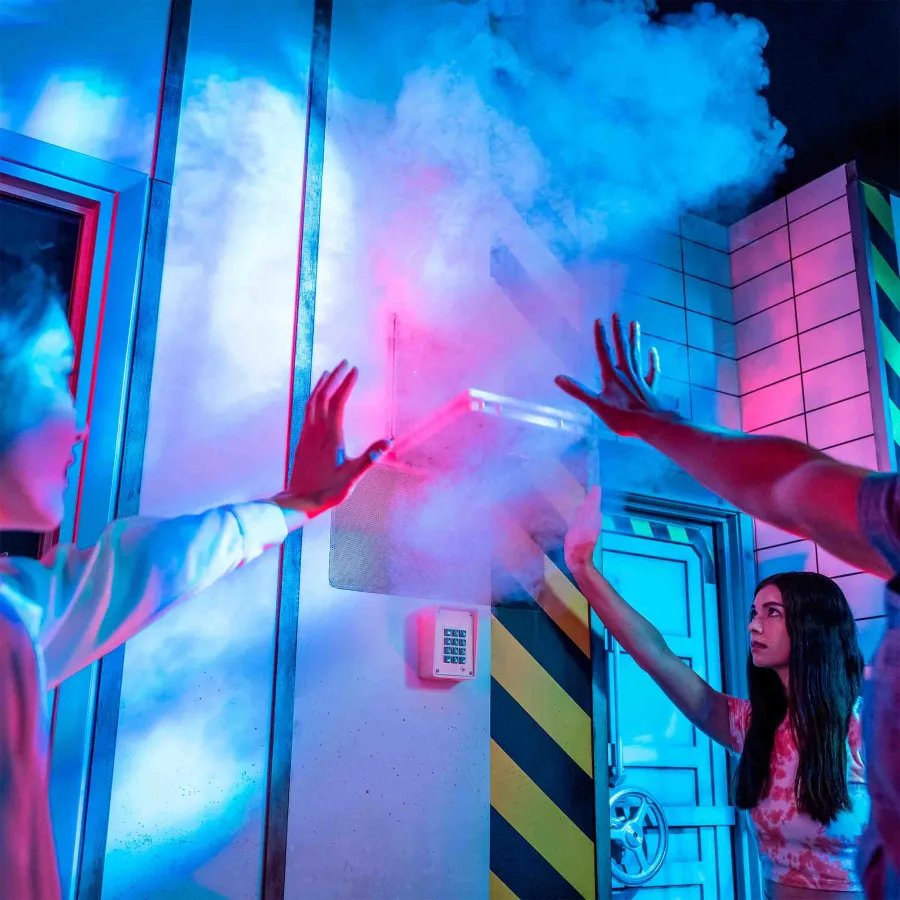
If you want to see experiential events firing on all cylinders, look no further than Stranger Things: The Experience at Luna Park Sydney. This isn’t just a themed walkthrough — it’s a masterclass in world-building, audience engagement, and narrative-driven design.
Here’s why this activation hits so hard:
1. You’re Not a Spectator — You’re the Storyline
The moment guests step into Hawkins Lab, they’re not “watching an experience,” they are the experience. Actors pull you into a mission, special effects react to your decisions, and you suddenly feel like you’re living inside a lost episode of the show.
This level of interaction taps directly into what respondents crave: uniqueness, immersion, and experiences worth traveling for — with 25.2% saying originality is a very important factor when choosing events.
2. A Perfect Mix of Thrill + Nostalgia
After the main adventure, guests spill into Mix-Tape — an 80s mini-universe filled with photo ops, themed food, neon sets, and in-character performers. It extends dwell time, boosts on-site spending, and keeps the emotional high going… which matters because 55.8% of event goers say overpriced food and drinks are a pain point. When you give them themed value instead of generic markups, it lands better.
3. Built-In Shareability (AKA Free Marketing)
Every corner feels intentionally designed for photos, which is smart when 65% of attendees find events through social media, and 45.6% say seeing friends attend motivates them to buy. Experiences that look amazing online practically promote themselves.
4. Seamless Flow = Happy Crowds
The layout solves two of the biggest on-site frustrations for event goers:
Overcrowding (62.6% say it ruins experiences)
Poor communication or unclear directions (11%)
Stranger Things uses timed entries, narrative checkpoints, and actor-led movement to keep crowds flowing smoothly — no chaos, no dead ends.
5. Fandom Loyalty = Repeat Buyers
People don’t just show up — they come back, they bring friends, and they spend. Reviews consistently highlight how “you feel like you’re part of the show,” which is exactly what turns a pop-culture IP into a repeatable, profitable event machine.
What Event Creators Can Adopt From This
Here’s what you can learn for your own experiential events — even without Netflix-level budgets:
Build interaction, not observation. Make attendees the hero, not the audience.
Design for shareability from the start. Every backdrop is a marketing asset.
Lean into nostalgia or emotion. Give people a world they can escape into.
Manage flow like a theme park. Timed entries, guided moments, and clear paths.
Extend the experience. Post-show zones = more time, more spend, more delight.
Create a narrative thread. Even simple storytelling boosts immersion and recall.
The Stranger Things activation proves this: when you design with intention, you don’t just “run an event” — you create a world people pay to enter, remember long after, and shout about online.
Example 2: Mobile’s Las Vegas Grand Prix AR Garage — Retail, Rewired
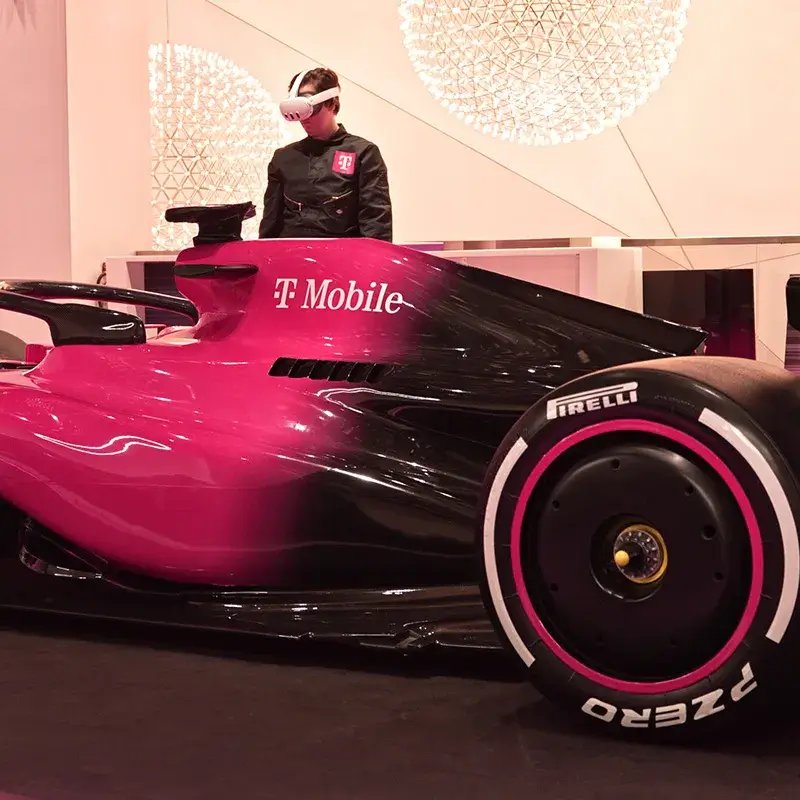
If you want a crash course in how to turn a retail store into a full-throttle experiential magnet, T-Mobile’s Las Vegas Grand Prix activation is textbook perfection. NRG didn’t just “design a display” — they transformed a Signature Store into an adrenaline-loaded F1 garage where every corner begged people to step in, play, and stay.
Here’s what made this retail takeover a masterclass:
1. A Store Flip That Actually Feels Like a World
The Signature Store wasn’t decorated — it was rebuilt. Inspired by Formula 1’s ultra-exclusive “Garage,” the space captured that high-pressure, trackside feel: racing graphics, custom builds, and energy you could practically hear humming.
The result? A crowd ranging from age 10 to 60+… and plenty of repeat visits. That’s experiential design doing its job.
2. The Hero Piece: A Fully Modeled F1 Replica + AR Magic
Nothing pulls a crowd like a centrepiece, and the custom T-Mobile F1 car delivered. Hand-carried to the second floor (commitment!), wrapped, and AR-modeled to perfection — fans didn’t just look at it; they stepped into it through VR.
Then they jumped straight into F1 ’24 gameplay, complete with telemetry walls and race seats. That level of immersion keeps visitors engaged way longer than standard retail dwell times.
3. Gamification = Engagement Gold
A playable Las Vegas GP track, a pitwall build, stations to test your “skills” — this wasn’t passive browsing. It was structured play.
And the numbers prove it:
~500 AR participants
3,500+ impressions upstairs
Average dwell time of 9 minutes, 50 seconds
Those are monster numbers for retail spaces.
4. A Take-Home Win: Fully Custom Poster Station
You know what gets shared? Personalised merch.
NRG nailed it with a poster booth offering 29+ design variations, printed instantly. Almost 900 custom posters went out the door — each one a mini billboard placed on someone’s wall, desk, or story.
It’s the perfect mix of fast gratification + long-term brand memory.
5. Smart Product Integrations That Don’t Feel Forced
The Beats pit stop wasn’t just a “display.” It was on-theme, interactive, and photo-friendly — the holy trinity of modern retail engagement.
What Event Creators Can Learn From This
You don’t need an F1 car or a Vegas storefront to borrow these moves. Steal the mechanics:
Transform the environment, not just the decor. People should feel like they’ve stepped into another world, not a themed aisle.
Anchor your space with a hero interaction. One centrepiece that draws the crowd.
Gamify the journey. Leaderboards, challenges, or “test your skills” moments boost dwell time and repeat participation.
Add a custom take-home. People love leaving with something they created.
Make product integration feel like part of the story. No one wants a sales pitch — they want discovery.
Use immersive tech intentionally. VR/AR works best when it amplifies the physical environment, not when it replaces it.
T-Mobile’s AR Garage proves a simple truth: when you give people something unforgettable to do, the brand becomes unforgettable too.
Example 3: Samsung x Netmarble at G-Star 2025 — When Tech Turns a Booth Into a Universe
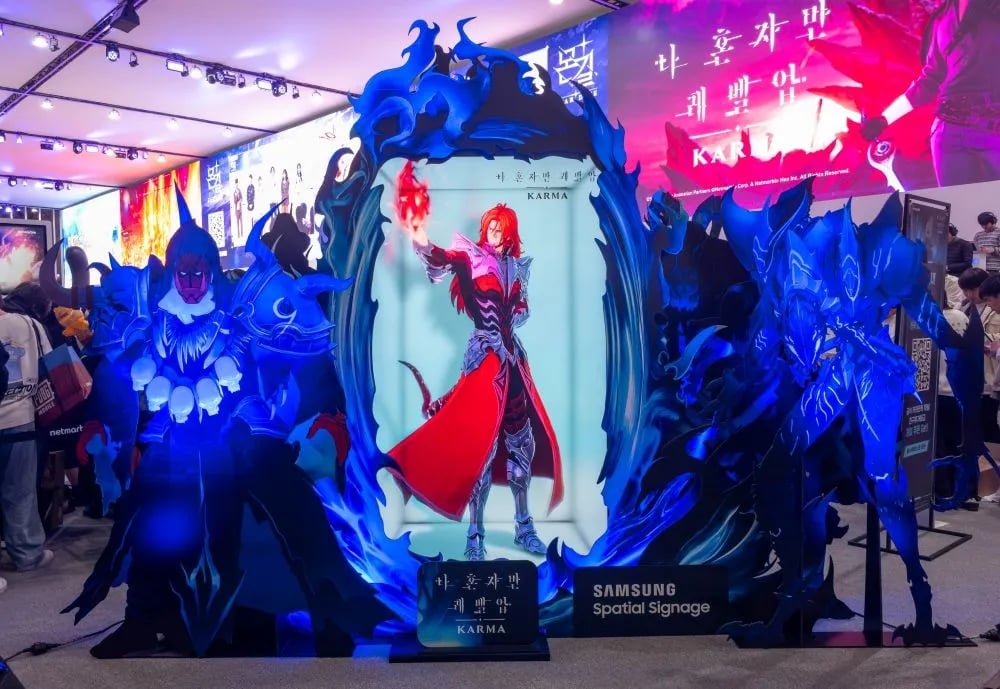
If you want a glimpse of where experiential events are heading, Samsung and Netmarble’s G-Star 2025 takeover is the blueprint. This wasn’t just a gaming booth — it was a dimensional jump. A full-body, full-senses, “are we still in the real world?” kind of activation engineered to stop crowds dead in their tracks.
Here’s why this one hit different:
1. Characters That Literally Step Out of the Screen
Most booths show gameplay. This one showed presence.
Samsung’s Spatial Signage made Netmarble’s characters appear life-sized and three-dimensional — no glasses, no gimmicks. Sung Jinwoo, Igris, Pellia… all looking like they were about to walk into the aisle and queue for bubble tea.
It instantly became the booth’s headline moment — the kind of spectacle that creates a traffic jam and a thousand phone cameras.
2. A Seamless Blend of Story + Tech
This collab wasn’t product placement — it was narrative engineering.
Spatial Signage didn’t just display game art; it amplified Netmarble’s worlds with depth, motion, and emotional weight. Visitors weren’t just looking at gameplay; they were meeting characters “in person.”
And that’s the new bar for experiential events: tech that pushes the story forward, not tech for tech’s sake.
3. Glasses-Free 3D Gaming That Feels Like a Leap In Time
Over in the Odyssey 3D zone, attendees played MONGIL: STAR DIVE on Samsung’s glasses-free 3D monitor.
Eye-tracking, adjustable focal distance, and depth-tuned scenes turned gameplay into a cinematic moment — like standing inside the game instead of watching from the outside.
The queue spoke for itself: people don’t line up to watch; they line up to experience.
4. Built for Shareability — and It Worked
Netmarble ran a social-share event tied to the Spatial Signage moments, and visitors were all over it. Hardly surprising: people love posting something they’ve never seen before, and “life-sized 3D game characters appearing out of thin air” definitely qualifies.
Experiences that look this wild online don’t need a marketing campaign. The audience becomes the campaign.
5. A Booth That Worked for Kids, Hardcore Gamers, and Everyone In Between
Parents were taking photos. Gamers were losing their minds over the 3D depth. Industry folks were analyzing the tech.
That’s the sweet spot: build an immersive zone that hits excitement, accessibility, and awe at the same time.
What Event Creators Can Learn From This
You don’t need a multinational budget to copy the strategy. Take these principles:
Lead with a “wow” moment that stops foot traffic. Big visual, big reveal, big emotion.
Merge story and tech. Don’t add tech — use it to extend the narrative.
Build for phones first. If it doesn’t photograph well, the crowd won’t promote it for you.
Give visitors something they can’t get at home. 3D characters, immersive depth, interactive walls — anything that feels impossible on a flat screen.
Design for all audiences, not just superfans. The best experiences convert casuals into believers.
Samsung and Netmarble didn’t just show off new tech — they proved how experiential storytelling can turn a standard booth into the most talked-about corner of an expo hall.
Example 4: Google Cloud at the Sphere — When Tech, Storytelling & Scale Collide
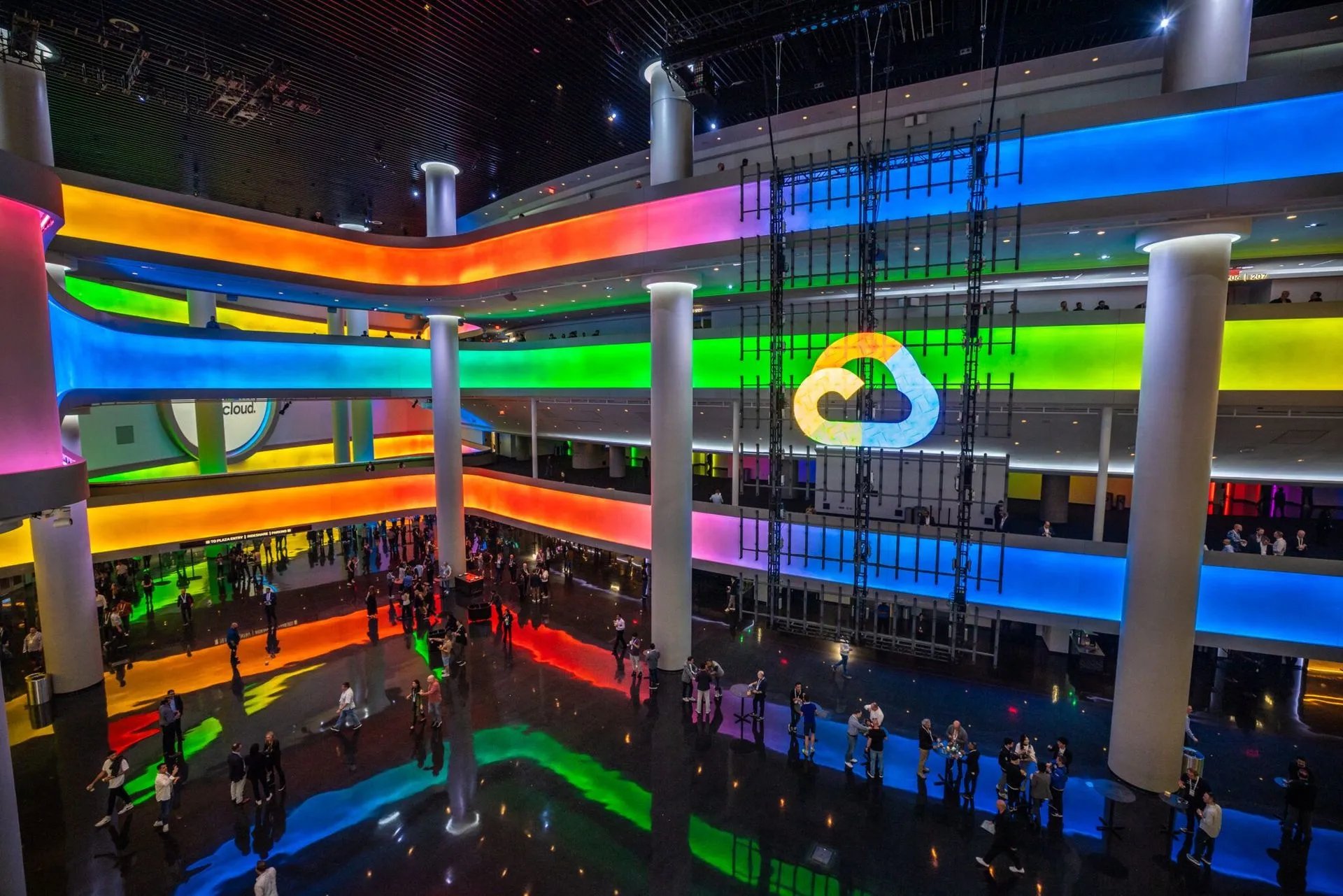
If you want to see an experiential launch that didn’t just “make noise” but shifted the entire conversation, Google Cloud’s Day 0 event at the Las Vegas Sphere is the case study. GPJ and Google Cloud had less than 10 weeks — and still delivered one of the most ambitious, cinematic tech moments we’ve seen.
Here’s why this one stands out:
1. The Venue Wasn’t a Backdrop — It Was the Medium
Most events pick a venue. Google Cloud picked Sphere, arguably the most advanced immersive canvas on the planet.
16K LED screens. Surround sound. In-theater effects. A space literally designed to swallow 6,000 people into a narrative.
It instantly positioned Google Cloud’s story as big, bold, and impossible to ignore.
2. A Cultural Touchstone Reimagined With AI
Sundar Pichai opened the event by unveiling an AI-enhanced reimagination of The Wizard of Oz, created through Google DeepMind, Sphere Studios, Warner Bros. Discovery, and Magnopos.
That’s not a demo — it’s a cultural moment.
And that’s the genius: instead of showing AI through dashboards, they showed it through emotion, nostalgia, and cinematic wonder.
3. Full-Sensory Storytelling, Engineered With Precision
GPJ didn’t just run production; they integrated every sensory lever possible:
seat haptics rumbling with on-screen action
atmospheric wind effects (via GMEPS)
curated lighting, perfectly synced to the narrative
theater-wide coordination to keep 6,000 attendees locked in
This is how you transform a keynote into an experience that people feel.
4. Operational Complexity That Felt Effortless to Attendees
Behind the scenes, GPJ managed:
VIP strategy and logistics
venue coordination with Sphere’s technical teams
end-to-end production
food & beverage for thousands
intense timing for in-theater effects
All of it executed so seamlessly that attendees only saw the magic, not the machinery.
5. A Panel That Grounded the Spectacle in Strategy
After the screening, a heavyweight panel featuring Thomas Kurian, Jim Dolan, and Sarah Kennedy tied everything back to Google Cloud’s bigger narrative: the fusion of cloud tech, AI, and creative industries.
Spectacle draws the crowd.
Story and strategy make the moment matter.
What Event Creators Can Learn From This
You might not have the Sphere (or Sundar), but the principles are wildly scalable:
Pick a venue that amplifies your story. Don’t just find a room — find a medium.
Use culture to explain technology. People understand emotion faster than features.
Create multisensory “memory hooks.” Motion, sound, haptics — all deepen recall.
Make the experience feel effortless. Complexity behind the scenes, clarity up front.
Close with meaning. After the wow, tell people what the wow was for.
Google Cloud’s launch proves that experiential events aren’t about “showing things off” — they’re about crafting moments people can’t forget, then anchoring them to a bigger narrative.
Example 5: Dua Lipa Merch Pop-Ups — Retail That Feels Like Entering an Album
If you want a lesson in how to turn merch into a moment, look no further than the Dua Lipa Radical Optimism pop-ups in Sydney and Melbourne. Popology didn’t just build a store — they built a world. A multi-sensory, fan-powered, hyper-aesthetic playground that proves retail can be as immersive as the concert itself.
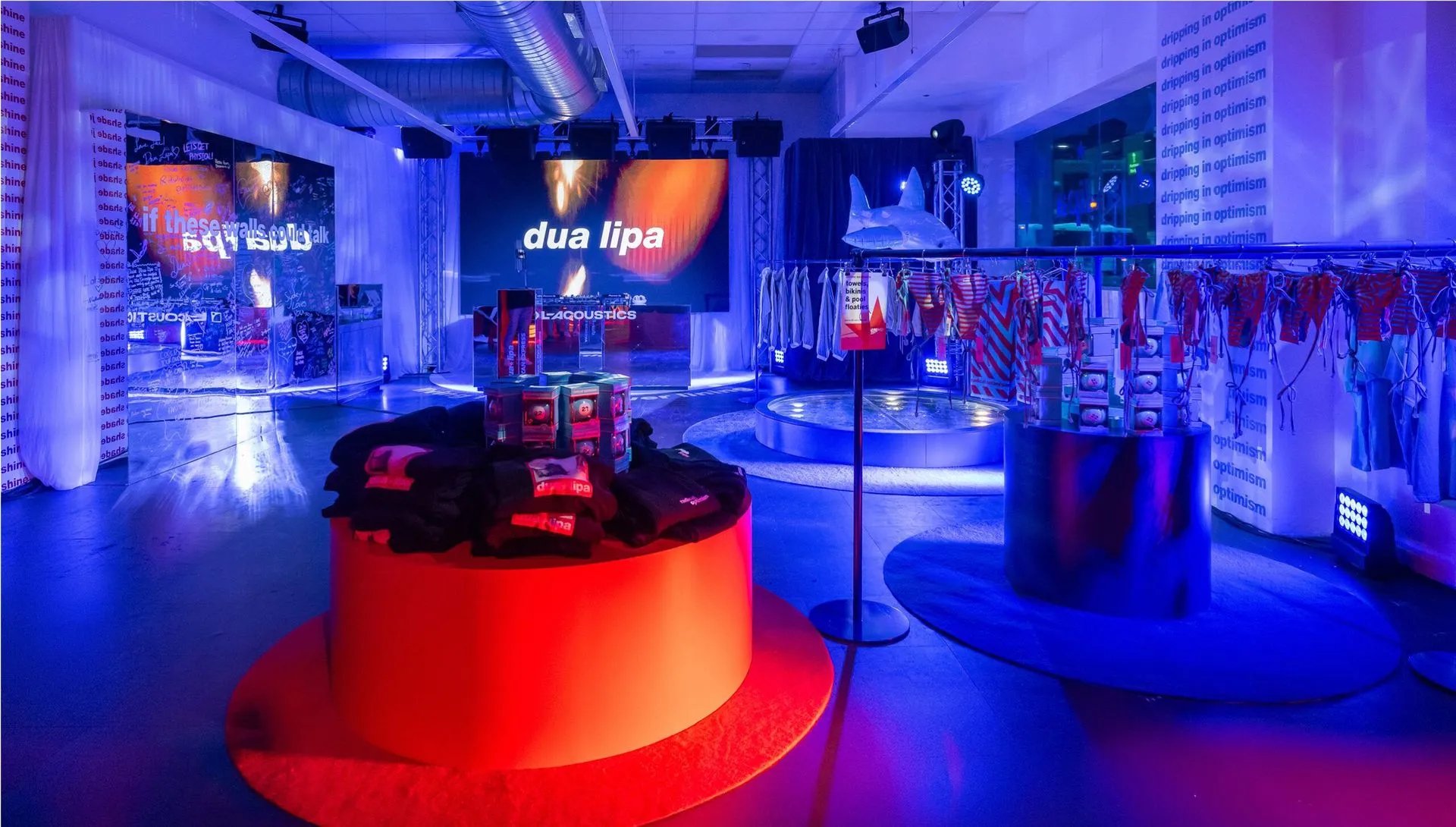
Here’s why this activation hit superstar level:
1. Four Worlds, One Artist — A Retail Concept With Actual Depth
Instead of a standard merch table setup, the pop-up was divided into Fire, Earth, Air, and Water zones — each one designed around Dua’s concert visuals and the emotional palette of her album.
Every zone had custom visual merchandising: lighting cues, materials, textures, and reflective design elements that made the space feel curated, not constructed.
This is how you turn shopping into a storyline.
2. Bespoke Builds That Made Fans Stop and Stare
Popology went all-in on detail:
custom mirrored VM units
a sound pool with underwater cameras
a 360° lyric booth
These weren’t gimmicks. They were anchors — the kind of moments fans photograph, queue for, and talk about long after they’ve left.
3. A Surprise Appearance That Broke the Internet
The industry launch event featured a surprise appearance from Dua herself, giving the space an earned-media moment that money can’t buy.
This is how you turn an activation into a cultural beat: invite the artist into their own world.
4. Not Just Merch — A Space Fans Could Belong To
The pop-up wasn’t about buying things; it was about being seen.
Fans could:
record photos and videos in the lyric booth
play with the dreamy sound pool
leave personal messages on a mirrored wall
explore Dua’s obsessions (tarot, books, quirky favourites like pickle juice Coke)
It created emotional connection — something our Event Attendee Insights Report shows is game-changing. 25.2% of respondents say uniqueness/originality is very important when choosing experiences, and this activation delivered that in spades.
5. A Brand Experience That Felt Like a Gift, Not a Transaction
Fans left with more than merch. They walked out with memories, photos, and tiny pieces of Dua’s personality.
That’s how you build loyalty — not with limited drops, but layered experiences that feel personal.
What Event Creators Can Learn From This
Even without a global pop star, you can steal the strategy:
Build zones with purpose. Segment your space by theme, mood, or storyline.
Design one unforgettable interaction per zone. A photo moment, a tactile element, a soundscape.
Let fans participate, not just browse. Message walls, recording booths, personalised elements — this stuff works.
Inject the artist’s or brand’s personality everywhere. Quirks, favourites, rituals — fans love the “human” details.
Turn retail into ritual. Make buying the ending, not the point.
Dua’s pop-up proves what we tell creators every day: if you make the environment sing, the fans will do the rest.
Example 6: MECCA x Violette_FR — A Parisian Beauty World in Double Bay
When MECCA launched Parisian beauty brand Violette_FR into Australia, they didn’t just put products on shelves — they built an intimate, immersive world that made shoppers feel like they’d stepped straight into Violette Serrat’s own studio. New Moon crafted a three-day activation that nailed what modern beauty consumers crave: artistry, authenticity, and experiences they can feel.
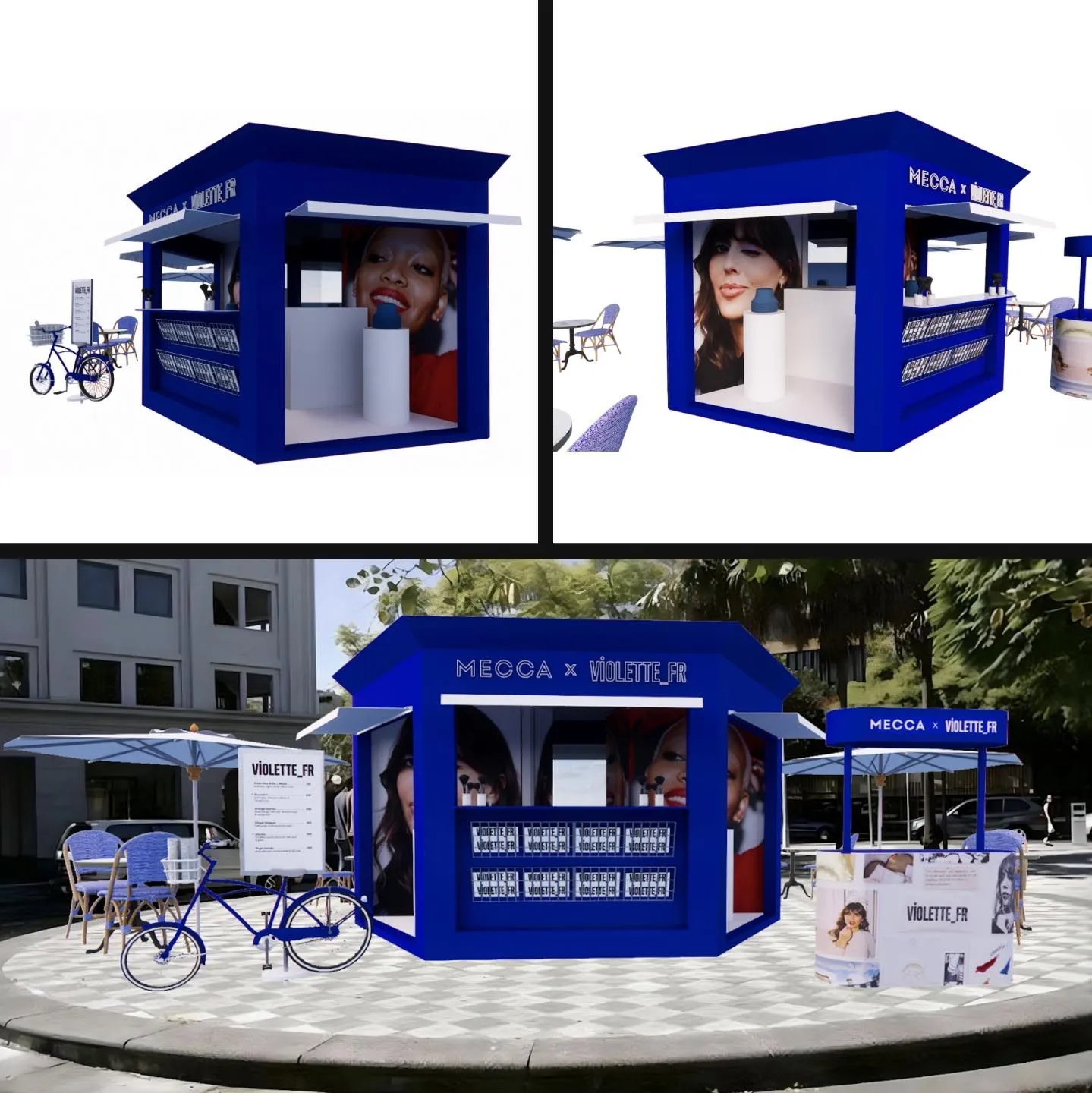
Here’s why this campaign was a knockout:
1. A Brand World You Could Literally Walk Into
Instead of a standard retail pop-up, New Moon recreated Violette’s creative universe — her muses, her studio, her inner aesthetic.
Parisian café energy met bold blue brand styling, giving guests a space that felt lived-in, personal, and distinctly “Violette.”
It wasn’t about showing product. It was about showing the person behind it.
2. Interactive Moments That Built Confidence (and Sales)
Fans could try mini makeup looks, play with textures, and get guided product applications.
This is the kind of hands-on moment that converts curious passers-by into genuine believers — especially when 33.6% of attendees say a clear, easy-to-understand event experience pushes them to buy.
The result? A sell-out week for hero products like Bisou Balm and Yeux Paints.
3. A Media Night With the Founder (Rare, Powerful, Smart)
The media evening brought the founder herself — Violette — alongside MECCA’s CMO, Kate Blythe.
Makeup masterclasses, creative demonstrations, and intimate storytelling turned the night into an earned-media magnet.
Harpers Bazaar and Grazia picked it up instantly, and the event generated thousands of organic posts, stories, and in-feed features.
4. A Location Perfectly Matched to the Audience
Double Bay wasn’t just pretty — it was strategic.
MECCA placed the activation steps away from their retail store, driving natural foot traffic from Guilfoyle Park straight into the pop-up and, ultimately, into the store.
This is placement done right: convenient, aspirational, and aligned with the customer’s lifestyle.
5. Thoughtful Touchpoints That Encouraged Sharing
1000 branded bucket hats.
Free croissants with Baker Bleu.
A “Parisian-café-meets-artist-studio” aesthetic begging to be photographed.
No surprise the activation generated millions in organic impressions — and with 45.6% of attendees saying seeing friends attend drives their own purchase decision, this kind of shareability is priceless.
What Event Creators Can Learn From This
Lead with personality, not polish. Fans want a glimpse behind the curtain, not a glossy display.
Craft a journey, not a queue. Give guests touchpoints to explore, not just products to browse.
Blend beauty and lifestyle. Parisian café + artistry = emotional depth that drives buzz.
Bring in the founder when you can. Founder presence instantly elevates relevance and media value.
Make the space photogenic by default. If the room looks good, the content creates itself.
MECCA x Violette_FR proves a simple truth: when you design for connection and discovery, your audience doesn’t just buy — they belong.
Now, let's explore some creative ideas to inspire your next experiential event.
Idea 1. TikTok or Reels “Behind the Scenes” Series
Why it works: BTS content humanizes your brand and signals authenticity to algorithms. Audiences love creator-led, raw moments that feel like access—setup chaos, sound checks, and green-room laughs. This event marketing idea builds daily anticipation and leverages native trends and sounds for reach.
Execution: Post 15–30 second clips each day leading up to the event. Rotate themes: “Meet the Crew Monday,” “Stage-Build Wednesday,” “Talent Drop Friday.” Use native captions and pin a comment with your registration link. Save the best Stories as Highlights titled “BTS.”
Metric to track: Engagement rate (likes, comments, shares), percentage of views from For You/Explore, bio link clicks.
Example: Film a 20-second time-lapse of the main stage going from empty room to lit-up rig. Overlay with a countdown sticker and the event hashtag.
Idea 2. “The Making Of” Micro-Documentary
Why it works: Story-driven, mid-form videos (3–5 minutes) build consideration by pulling viewers into the narrative behind your event—how the theme came together, the craft behind a performance, or the production problem you solved.
Execution: Script a clear arc: challenge → process → reveal. Shoot b-roll of planning sessions, mood boards, rehearsals, and venue walkthroughs. Publish to YouTube and embed on your landing page with a clear CTA to register. Follow up to interested viewers with segmented email nudges to drive warm conversions.
Metric to track: Watch time, YouTube views, and CTA clicks from embedded players.
Example: “From Sketch to Set” following your creative director as the stage concept evolves, ending with the final lighting test—then a card to “See it live.”
Idea 3. Spotify Playlist with Artist or Speaker Commentary
Why it works: Music and voice notes add emotional context to your lineup. Commentary clips help fans feel closer to performers and prime them for the experience, while playlists encourage shares and saves that spread awareness.
Execution: Curate a public playlist and invite artists/speakers to record a 10–20s intro to a track or a topic they’ll reference. Share the playlist in Stories with a “Save” CTA and add it to your website’s event page.
Metric to track: Playlist saves, monthly listeners around the event period, swipe-ups from Stories.
Example: Speakers in a business summit each introduce a song they listen to before stepping on stage—one personal line creates comment-worthy moments.
Idea 4. Creator Vlogging Challenge (“A Day at the Event”)
Why it works: Creator-led narratives routinely outperform brand accounts because they feel like a friend’s recommendation. This idea multiplies your reach and produces a wave of first-person perspectives potential attendees trust.
Execution: Recruit 3–5 niche creators (not just the biggest ones) to vlog their day, from travel to top sessions. Give them a loose shot list and priority access. Provide UTM links to your reg page and cross-post across Shorts/Reels/TikTok with consistent hashtags.
Metric to track: UTM traffic and assisted conversions, average watch-through rate, new followers across your channels.
Example: A craft-beer festival partners with a micro-creator who specializes in local food tours—their audience shows up ready to taste and share.
Idea 5. Event-Themed AR Filter or Lens
Why it works: Lightweight AR turns attendees into a mobile street team. When people add a branded lens, they share their excitement and spread your visual identity across networks organically.
Execution: Build a simple effect: digital face paint in event colors, a floating badge frame, or confetti that triggers when someone smiles. Feature it on venue signage and in pre-event emails. Add a QR code near photo ops so guests can load the lens instantly.
Metric to track: Filter opens/uses, tagged posts with your hashtag, incremental impressions driven by AR shares.
Example: A wellness expo designs a calming “breath cloud” lens that pulses to a 4-4-4 breathing count—subtle, delightful, and highly saved.
Idea 6. Countdown Content Calendar on Stories
Why it works: Urgency and consistency move people from interest to intent. A countdown trains audiences to check in daily, making each reveal (speaker drop, backstage peek, giveaway) more impactful and shareable.
Execution: Run 7–10 days of Stories leading into doors. Use a mix of formats: polls, quizzes, and short video teases. Pair with an “Add Reminder” sticker and pin a highlight called “Countdown.” Keep your landing page tight; this is a great time to refresh it using the tips in our event landing page guide.
Metric to track: Story reach, completion rate across frames, and clicks to your registration URL.
Example: Each day features a new “Insider Tip,” culminating in a map of best parking entrances the morning of the show—small details that win goodwill and shares.
Idea 7. Fan/Attendee Takeover Days
Why it works: Trust travels peer-to-peer. When real attendees share their prep, packing lists, or travel hacks, prospective buyers see themselves in the story and feel safer investing time and money to attend.
Execution: Curate two or three superfans with different angles (first-timer, veteran, accessibility advocate). Provide a loose storyboard, brand assets, and house rules. Spotlight them in Stories and repurpose their best moments into a Reel montage.
Metric to track: Story reach, follower growth during takeover dates, number of UGC posts you can reshare.
Example: A marathon organizer hands Stories to a charity runner the day before the race; their carb-loading and gear check spark dozens of thoughtful DMs.
Idea 8. Event Story Threads on X or LinkedIn
Why it works: Threads and document-style posts package your narrative into snackable slides—not just hype but real lessons learned. This increases saves, shares, and credibility with professional audiences who want substance.
Execution: Build a 7–10 post thread: origin story, budget splits, creative process, mistakes, outcomes. On LinkedIn, upload as a document carousel (slide deck). Close with a soft CTA and a link to your next date or newsletter signup.
Metric to track: Impressions, saves, reshares, and profile visits. Bonus: inbound speaker/sponsor inquiries.
Example: “How we filled 5,000 seats with a $5K ad test” becomes a viral carousel that seeds sponsor interest for next year.
Idea 9. Live “First Reactions” Reels or TikToks
Why it works: Real-time reactions capture the emotional high right after a session or performance—precisely the moments audiences love to re-live and share. Reaction culture travels fast and extends your timeline well beyond the room.
Execution: Station a roving producer with a mic. Ask punchy prompts: “What surprised you most?” “What are you trying first when you get home?” Cut micro-interviews into 10–20s edits and publish within minutes using templates in your editing app.
Metric to track: Views within the first hour, shares, and comments that tag friends or teammates.
Example: A keynote ends with a surprise product demo—within 15 minutes, the clip of attendee gasps hits your top post of the week.
Idea 10. Post-Event “Mood Recap” via Aesthetic Reel
Why it works: Emotional resonance drives saves and shares. Instead of a chronological recap, an aesthetic “mood” reel extends the vibe—color grading, sound design, and pacing make it a piece people want to keep on their profiles.
Execution: Cut a 15–30s vertical edit with texture: slow pans of signage, crowd silhouettes, lush close-ups. Minimal text; one powerful line like “You had to be there.” End card links to the interest list for next year.
Metric to track: Saves, reshares, and profile visits in the 48 hours after posting.
Idea 11. Pre-Event “Duet This!” Challenge on TikTok
Why it works: Remix culture is native to TikTok. A duet-friendly prompt turns passive viewers into participants, generating a cascade of UGC that algorithmically favors your original clip.
Execution: Seed the trend from a headliner: a two-step dance, a finishing-the-sentence prompt, or a call-and-response chant. Include your event hashtag and a pinned comment with the reg link. Feature the best duets in a compilation Reel on other platforms.
Metric to track: Duet count, total UGC views, click-through to your link-in-bio.
Example: A keynote opens with “Finish this: In 2026, community will…”—sparking hundreds of thoughtful duet predictions.
Idea 12. 360° Immersive Sneak Peek Tour
Why it works: 360 previews showcase your venue and production quality in a way flat video can’t, giving remote audiences a visceral sense of space and flow that boosts time-on-content and intent to attend.
Execution: Use a 360 camera to film a before-opening walkthrough: entrances, registration, lounges, stage sightlines. Upload to YouTube or Facebook and embed on your site with navigation tips. Encourage viewers to comment with questions you’ll answer on Stories.
Metric to track: Average view duration, number of comments/questions, clicks to the ticketing page.
Example: A trade show publishes a 360 tour that spotlights session rooms and networking areas; comments drive a handy “Accessibility at a glance” follow-up post.
Idea 13. “Design Your Experience” Interactive Poll Series
Why it works: Participation mechanics expand reach. When people vote on elements of the show, they’re more invested—and more likely to attend to see the outcome they helped choose.
Execution: Run polls on Instagram Stories or LinkedIn (e.g., “Pick our photo booth theme,” “Vote for the opener track”). Close the loop on site with signage: “You voted. Here’s the winner.” Capture reactions for post-event clips.
Metric to track: Poll participation rate, replies/DMs, and lift in Story reach during the series.
Example: A community conference lets followers choose between two lounge playlists; attendees hunt down the winning playlist QR code to save it for later.
Idea 14. Speaker or Artist “What’s In My Bag” Videos
Why it works: Personality-forward shorts humanize talent and spark comments. Fans love the quirky, practical details—what mic a podcaster travels with, which tea a singer uses to warm up.
Execution: Film 30–60 second vertical clips with a top-down table shot. Ask for one surprising item that tells a story. Publish across Shorts/Reels/TikTok and tag the talent for cross-amplification.
Metric to track: Saves, shares, and profile taps on the talent’s account.
Example: Your headliner reveals a decades-old lucky charm they always carry—instant comment magnet.
Idea 15. “Ask Me Anything” in the DMs Campaign
Why it works: Messaging creates an intimate, high-intent channel where questions and objections surface in real time. Time-boxed AMAs convert curiosity into clarity, and clarity into tickets.
Execution: Announce a 45-minute DM window with a speaker or producer. Collect questions, reply directly, and compile the best Q&As into Stories and Highlights. Add a “Still curious?” sticker that links to your FAQ or reg page.
Metric to track: DM volume, response rate within the window, click-through from compiled Q&A Stories.
Example: During an AMA, multiple prospects ask about accessibility; you publish a carousel guide and earn grateful DMs plus new registrations.
Idea 16. Live Polling Wall During the Event
Why it works: A live results wall energizes rooms, spotlights attendee voices, and creates moments people photograph and share. It’s an on-site engagement engine that doubles as content you can repurpose later.
Execution: Set up a big screen with a rotating poll/Q&A feed. Promote via QR codes on signage and session slides so guests can vote with one tap. After the event, turn top results into a blog post and social carousel. For smooth scanning and fast entry at the door, consider our guide to QR code ticketing so more attendees participate sooner.
Metric to track: Poll completion rate, number of unique voters, photos/shared posts of the wall.
Example: A session closes with “What’s your biggest takeaway?” The word cloud reveals a clear theme you later use to title your recap article.
Idea 17. “The Road To [Event Name]” Countdown Blog Series
Why it works: Blogging still compounds SEO, email list growth, and trust. A weekly series develops a narrative arc that warms prospects and gives you fresh content to distribute across channels.
Execution: Publish short updates: mini-interviews, venue progress, playlist drops, sponsor spotlights. Cross-link between posts, and add a strong CTA in the first third of each article. For strategy scaffolding, start with our event digital marketing strategies guide.
Metric to track: Organic traffic to the series, newsletter signups, and click-through to registration from in-article CTAs.
Example: “Road to Summit Week 3” features a 5-question lightning Q&A with your headliner—bite-sized enough to read on the train, interesting enough to share.
Idea 18. Exclusive Access via SMS or WhatsApp
Why it works: Messaging is a high-intent, real-time channel. When audiences opt in, they’re telling you they want timely drops: early-bird releases, backstage clips, or flash discounts that feel like a privilege—not spam.
Execution: Offer insiders first dibs on limited merch or VIP upgrades. Use verified sender IDs and keep messages concise with one action per text. Pair with email for deeper storytelling using our email tools so every drop has a longer-form landing experience for people who want more.
Metric to track: Opt-in conversion rate, click-through, and redemption for time-bound offers.
Example: 24 hours before doors, insiders get a text with a map of a hidden photo set and a limited “first 200” pin—fans race to find it and post.
Idea 19. Attendee Storytelling Booth (On-Site)
Why it works: Peer stories carry more weight than brand claims. Capturing authentic attendee narratives creates evergreen social proof you can use in sponsor decks, landing pages, and next year’s campaign.
Execution: Staff a small booth with a friendly producer and simple prompts: “What brought you here?” “What will you do differently Monday?” Record 30–60s clips on a lav mic. Offer a small incentive (coffee token) for participants and capture a quick name handle for tagging permissions later.
Metric to track: Number of usable clips, average view count per testimonial, and post-event engagement on testimonial reels.
Example: A B2B conference stitches six 20-second attendee clips into a one-minute “Why I Came” reel—perfect top-of-funnel creative for next year’s ads.
Idea 20. Mini Post-Event Podcast or Audio Wrap-Up
Why it works: Audio is portable and intimate, making it easy for busy attendees and prospects to catch up during commutes. Short recaps extend your content’s half-life and build a habit for subscribers.
Execution: Record 10–15 minute daily wrap-ups with key quotes, standout lessons, and a rotating guest (speaker, sponsor, attendee). Publish to your podcast feed and YouTube with chapter markers. Clip standout moments into Shorts for promo.
Metric to track: Episode downloads/plays, retention to 75%, and growth in subscribers in the two weeks post-event.
Example: A film festival posts three 12-minute “Daily Rushes” with juror soundbites—easy listening that keeps the community looped in between screenings.
Putting these event marketing ideas to work
If you’re wondering where to start, begin with two pre-event plays and two on-site plays, then add one post-event extension. For most teams, a strong baseline looks like this:
Pre-event: BTS short-form series + a duet challenge
On-site: First-reaction reels + a live polling wall
Post-event: Aesthetic mood reel or mini audio recap
Lock your foundations too. A fast, mobile-friendly registration flow and a clear content plan are non-negotiable. If you need a broader toolkit assessment, explore our roundup of event marketing tools and make sure your ticketing, email, and analytics talk to each other.
Should You Run Your Experiential Event Yourself or Hire an Agency?
Short answer: it depends on the scale and the stakes.
Long answer: here’s the straight talk.
If your event is small, simple, and more about community than spectacle, you can absolutely run it in-house. You just need tight project management, a clear creative direction, and enough hands to execute without burning out your team.
But if your experience needs:
custom builds
immersive environments
technical production (lighting, AV, spatial design)
VIP management
brand storytelling
OR you want people posting about it for days…
then an agency isn’t a luxury — it’s a multiplier.
Agencies bring experience, suppliers, designers, builders, producers, and crew you simply won’t find scrolling LinkedIn. They also prevent the classic pitfalls: last-minute chaos, blown budgets, poor flow, and experiences that don’t hit the emotion they were meant to.
Here’s the rule of thumb:
If your experiential moment is critical for brand perception, media presence, or revenue… don’t DIY it.
If it’s okay to look “homemade,” go for it.
What to Look for When Hiring an Experiential Events Agency
Hiring an experiential agency is like hiring a stunt team — you want the people who can pull off magic safely, at scale, and without killing your timeline. Here’s what to check before you sign anything:
1. A Portfolio That Makes You Feel Something
If their past work doesn’t make you go “damn, that’s clever,” keep scrolling.
Look for experiences that match your style, audience, and ambition.
2. Real Experience With Immersive Production
Not just “events.”
You want an agency that knows:
spatial design
fabrication
AV integration
lighting
scent, sound, and sensory play
storytelling
and how to create flow that keeps people engaged, not confused.
3. Clear Process, Zero Chaos
Any agency can show pretty photos.
The great ones show you a plan: timelines, approvals, budgets, contingencies, and how they handle the curveballs experiential always throws.
4. Vendor Relationships That Save You Time + Money
Fabricators, builders, stylists, AV techs, riggers, furniture suppliers — good agencies have them on speed dial. That network is half their value.
5. A Team That Actually Gets Your Audience
If they don’t understand who’s coming, why they care, and what moment they’re craving… they can’t design an experience that lands.
6. Transparency on Budget (No Hidden “Gotchas”)
Ask how they manage cost blowouts.
Ask what’s fixed, what’s flexible, and what will get expensive if not handled early.
7. Chemistry — Yes, It Matters
You’re going to be texting these people at 10pm during show week.
Make sure you like them.
Conclusion
As the research highlights, in-person learning is back, and short-form video continues to deliver industry-leading ROI. That’s your green light to invest in creative that invites participation and centers your community. For deeper planning frameworks, check our guide to event strategy and align your content calendar with business goals.
Finally, tie everything to outcomes. Every tactic above lists a primary metric—pick one KPI per channel (not ten) and review weekly. Sunset what’s not moving the needle and double down on the formats your audience is telling you they love.
Sell more tickets with LoopyahReady to scale these ideas with purpose-built tools? Explore our full event software features—from smart email and promoter management to interactive seat maps—so your content and conversion pipelines work in lockstep.

Author: By the Loopyah Content Team
The Loopyah Content Team shares expert insights, practical guides, and industry updates to help event organizers create unforgettable experiences and stay ahead in the event planning world.