· 27 min read
Should one festival pass cover admission, payments and extras?

Your attendee gets through the gate, buys lunch and collects a prepaid locker with the same wristband. That's a useful promise. Now imagine they lose the band before dinner. Can your team restore their admission, remaining money and locker booking without issuing their locker twice or leaving the old band working?
That replacement is a better buying test than a successful tap. One festival pass can make life easier when people repeatedly use several services, provided each service keeps an accurate record and your staff can resolve changes. Combining everything is worth doing when it removes enough work or improves the experience enough to justify the complete cost. It needs a clear limit too. A payment problem shouldn't automatically become an admission problem.
If your event has straightforward entry and very few extras, separate tickets and ordinary card payments may be easier to run. If you have camping, repeated entry, prepaid activities and trading across the site, a shared pass becomes more interesting. Start with what people have bought and how your team delivers it. Then decide how much of that process should share a wristband.
What does one festival pass actually combine?
The phrase sounds more definite than it is. A supplier might mean one code that displays several bookings. They might mean an electronic wristband recognised by different services. Or they might mean a package where the same company provides ticketing, access readers and payments. Those are different proposals, with different responsibilities and costs.
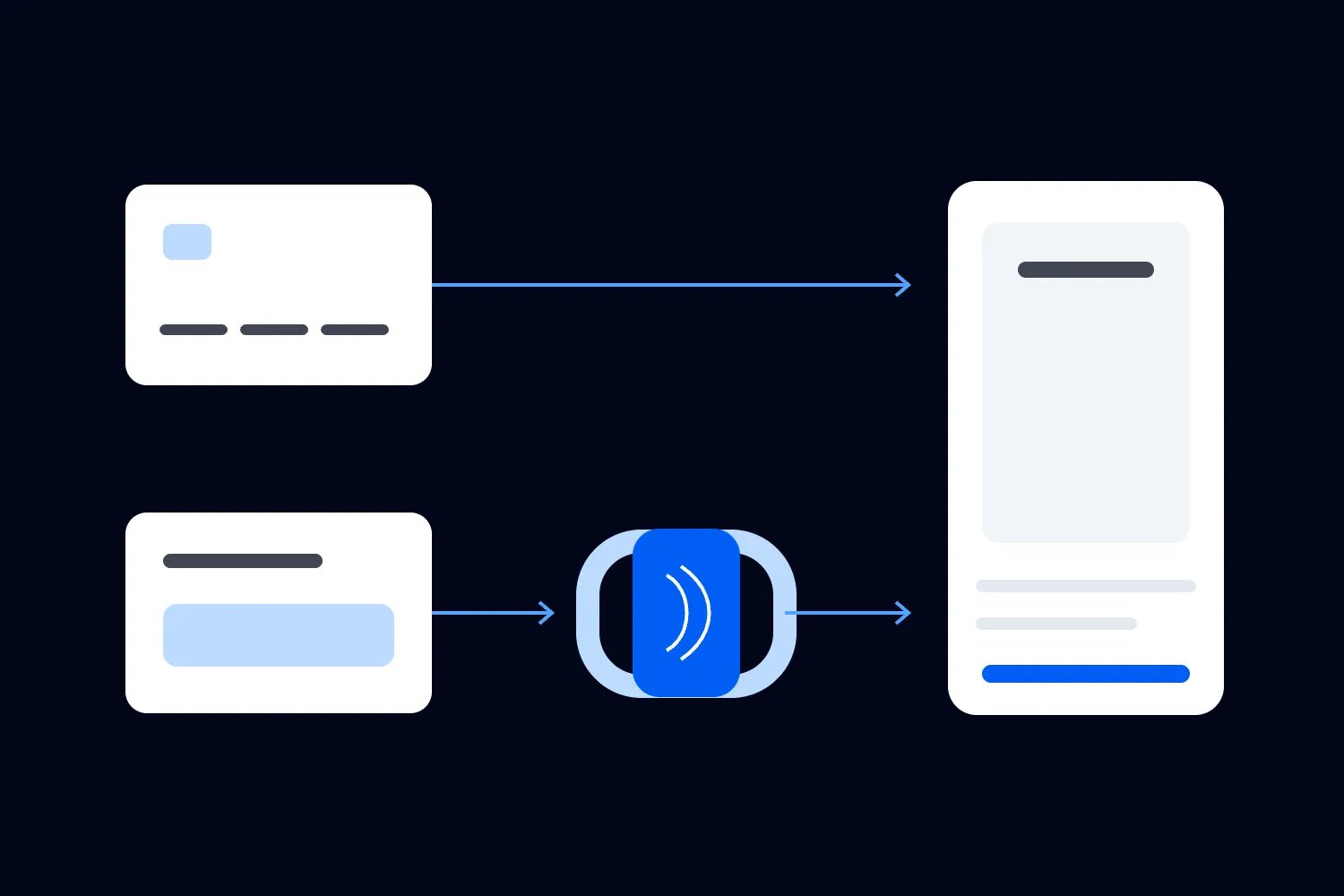
For this guide, a festival smart wristband pass means a wearable credential connected to more than one festival service. A credential is simply what the attendee presents to identify the booking or account the system should check. The service might approve entry, take a payment or confirm that a reserved item is ready for collection. Ask the supplier where each record lives and what the band itself stores.
Admission is permission to enter the right place at the right time. A prepaid balance is money available for eligible purchases. An extra might be a reserved locker, a workshop place or a single collection. They can belong to the same attendee without behaving the same way. Entering the campsite shouldn't spend money. Buying a drink shouldn't consume the workshop reservation.
NXP's DESFire EV2 product documentation describes a contactless chip designed for multiple applications, including application-level authentication and different access keys. That shows why several services can share a credential. It doesn't establish that any particular festival package has implemented your rules correctly. You still need to test the software, readers and staff procedures being quoted.
Keep the physical choice separate from the service decision. Some events can present several entitlements through a digital code. Others have a reason to use a wearable band. Our RFID wristbands versus QR tickets guide covers that comparison. Here, the question is how to connect the services once you have decided what attendees need to present.
Follow one attendee through the festival
Before you ask for a demonstration, describe one ordinary visit. Use an actual ticket category and the extras you intend to sell. Follow the buyer through purchase, any later additions, arrival, repeated use and departure. You will quickly find promises that a feature list leaves unanswered.
Consider an invented weekend festival. Alex buys weekend admission, adds camping later and reserves one locker. Alex also chooses to load a spending balance. At arrival, the team links the correct attendee record to the band. The main gate checks weekend admission. The campsite checks camping. The locker team confirms the reservation and records collection. A bar records an ordinary paid purchase.
The interesting part is what remains true after each action. Collecting the locker doesn't cancel weekend entry. Spending the balance doesn't remove camping permission. Leaving the venue doesn't return the locker or refund the wallet. Your operating rules should say which actions change which records, so staff aren't guessing from one general message saying the pass is valid.
Now add the rest of the booking party. A friend bought admission only. Another friend is arriving tomorrow. The person who paid for the booking may not be the person using every service. Decide whether extras belong to an individual, a whole order or a vehicle. Make that distinction before staff start linking credentials to records at collection.
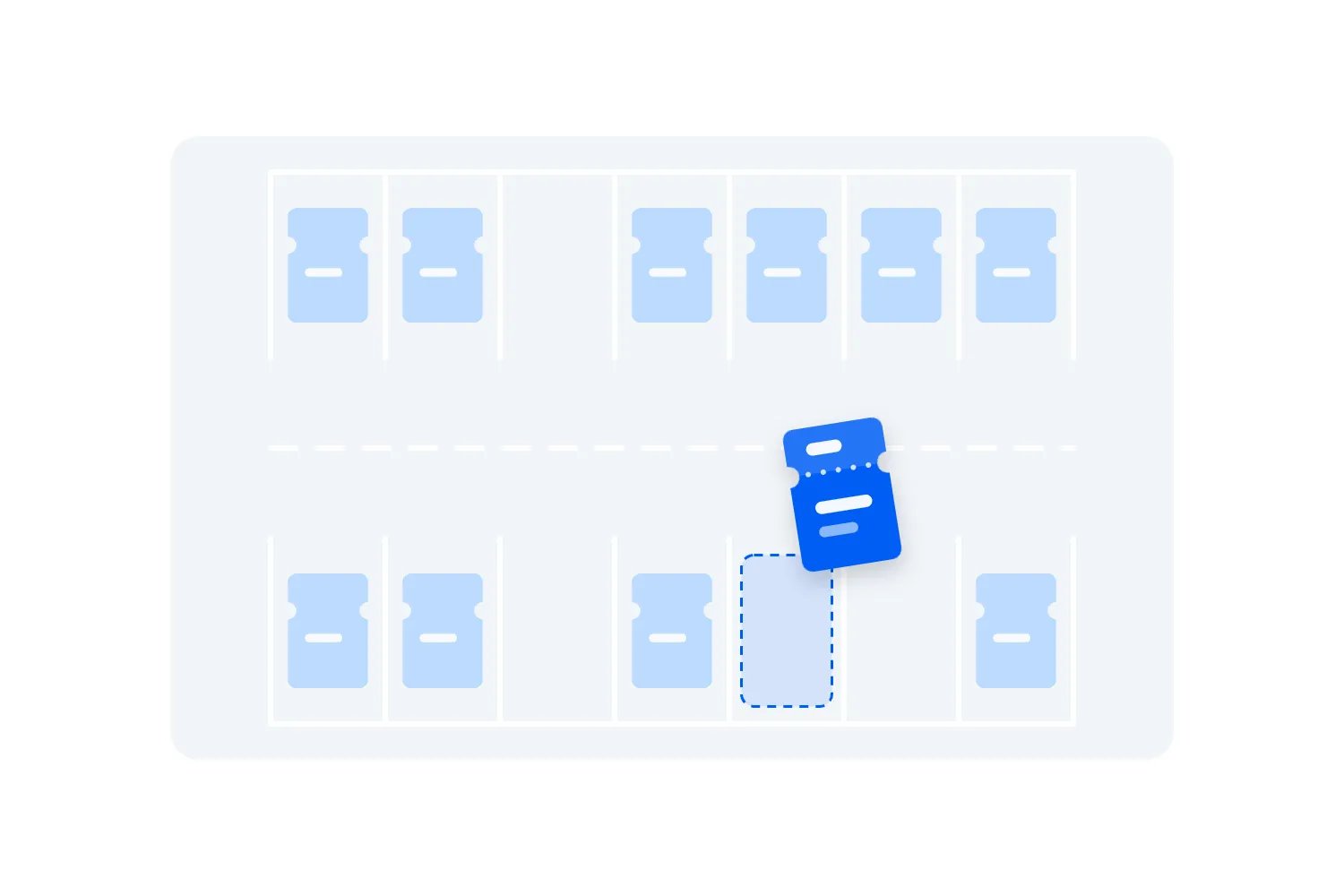
Parking is a good example. A parking permission may belong to a vehicle arriving with several people. Giving every person in the booking an independently redeemable parking pass could create more permissions than you sold. Conversely, attaching the only permission to the lead buyer's wristband can strand the driver when that buyer arrives separately. Choose a delivery method that fits the service.
Build the demonstration around these actual cases. Ask the provider to show the record before and after each action, using the version your team would operate. If a step requires your office to edit a spreadsheet or call a different supplier, include that step. You need to know where the work goes before claiming the combined pass removes it.
Decide what should stay separate
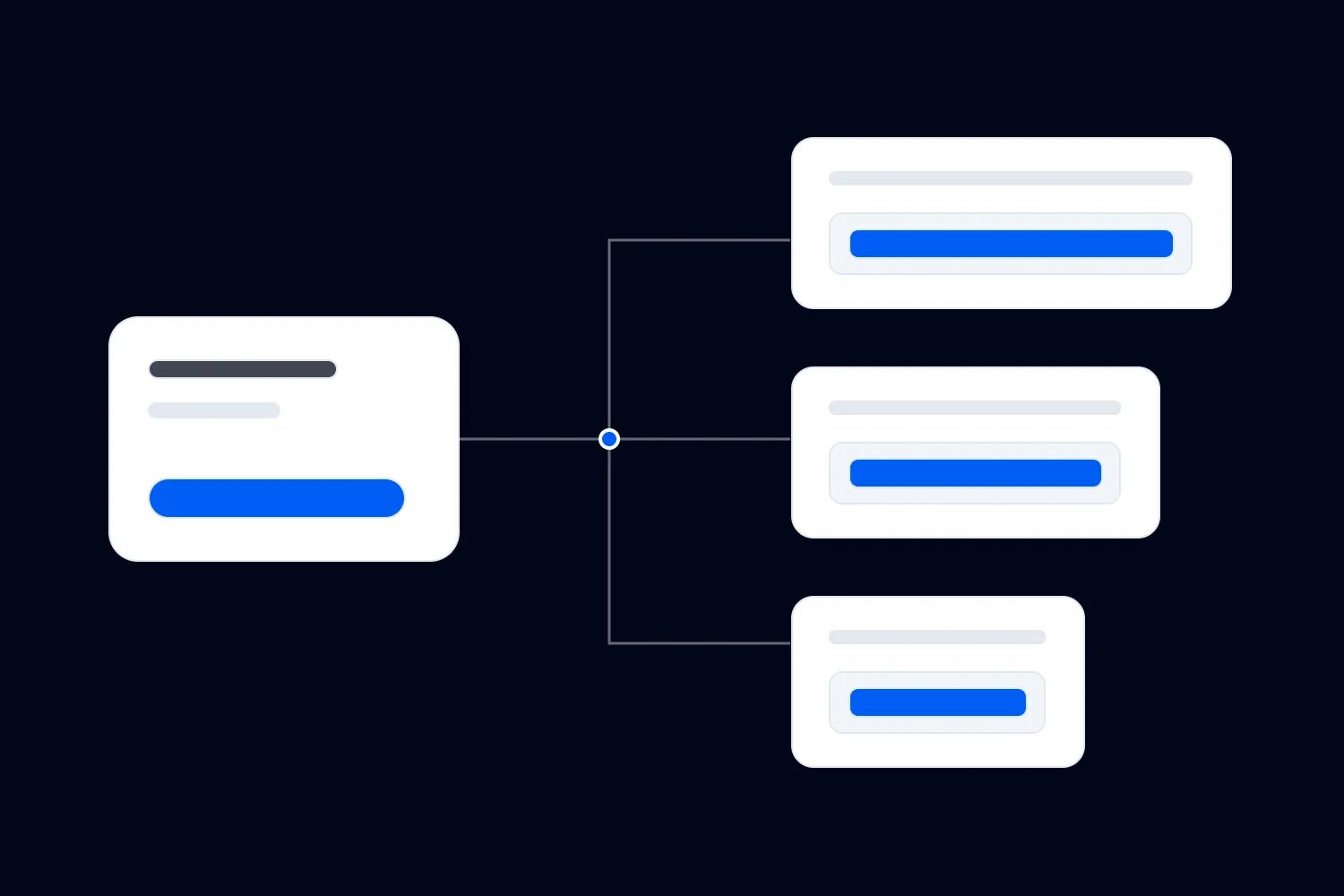
Connect a service when it makes the visit easier to deliver. A locker provider with a reliable independent collection system may not need to join the wristband project. The integration could cost more than the handful of collection questions it resolves. Equally, a popular extra used repeatedly across the weekend may justify a closer connection.
Look for repeated inconvenience. Do attendees repeatedly search for separate confirmations? Do staff keep checking one booking against another? Do changes produce conflicting lists? Those are useful reasons to investigate a shared pass. Being able to say everything is on one band is a weaker reason when each service already works comfortably.
Also ask whether a service has its own safety or professional checks. A workshop booking confirms a place; it doesn't prove that someone has completed a required briefing or meets the activity's participation conditions. A camping entitlement doesn't establish that a particular campsite is open or that a vehicle can use its access route. Preserve the actual checks the service requires.
For an extra supplied by another business, establish whether that business can recognise your pass and record fulfilment. Don't promise attendees that the band covers every purchase if one concession, satellite venue or equipment hire desk uses a different arrangement. A clear exception before purchase is manageable. Discovering it while carrying a tray of food is frustrating.
You can phase the project. Connect admission and camping first, keep ordinary card payments, and leave a low-volume extra on its existing booking process. Or connect payments across your own bars while independent traders keep their payment methods. Either approach needs accurate attendee information, but neither needs to be treated as an unfinished version of a grander system.
Write the excluded services into the supplier scope and event page. Include where people pay, what they present and who helps when something fails. This gives your team a smaller, testable promise. It also lets you expand later based on actual support records rather than committing the whole festival to a capability nobody has rehearsed.
Keep inventory under control when extras share a pass
A combined pass can make an extra easy to present without creating any more of it. You still have a finite number of lockers, workshop places, shuttle seats or equipment items. The selling system and the fulfilment team need to agree on that quantity and on what happens when a booking changes.
Take a fictional workshop with 40 places. If 30 have been sold separately and another 10 have been included in premium packages, it is full. A premium admission category cannot continue promising the workshop merely because more premium tickets remain available. Either reserve enough workshop inventory for that category, let buyers select an available session, or describe a different benefit you can actually deliver.
Decide when an allocation becomes final. A buyer adding an extra to an unpaid order, a staff member holding a place for an access requirement and a completed purchase may need different treatment. Ask how long temporary holds last and what releases them. Otherwise staff can see different versions of available stock while each believes they are looking at the official number.
Single-use extras need a recorded collection or redemption. If a band represents one meal voucher, a second tap shouldn't create a second meal. If the first tap succeeds but the staff device loses its connection before showing confirmation, the operator needs a way to check the result. Repeatedly tapping and hoping can create conflicting records or a dispute about whether the benefit was delivered.
Returns need the same care. Cancelling a workshop before it starts may release a saleable place. Returning a used meal voucher doesn't create another meal. A locker collected and then returned has a physical inspection and key process as well as a booking status. Specify the action that releases inventory for each extra instead of applying one generic cancel button everywhere.
Ask your fulfilment lead to reconcile a test day. They should be able to explain what was sold, what was collected, what remains and what is disputed. If those totals don't agree, find the cause before adding more sales channels. Easy presentation is useful only when it leads staff to the right entitlement and a service you still have available.
Make changes work after the original sale
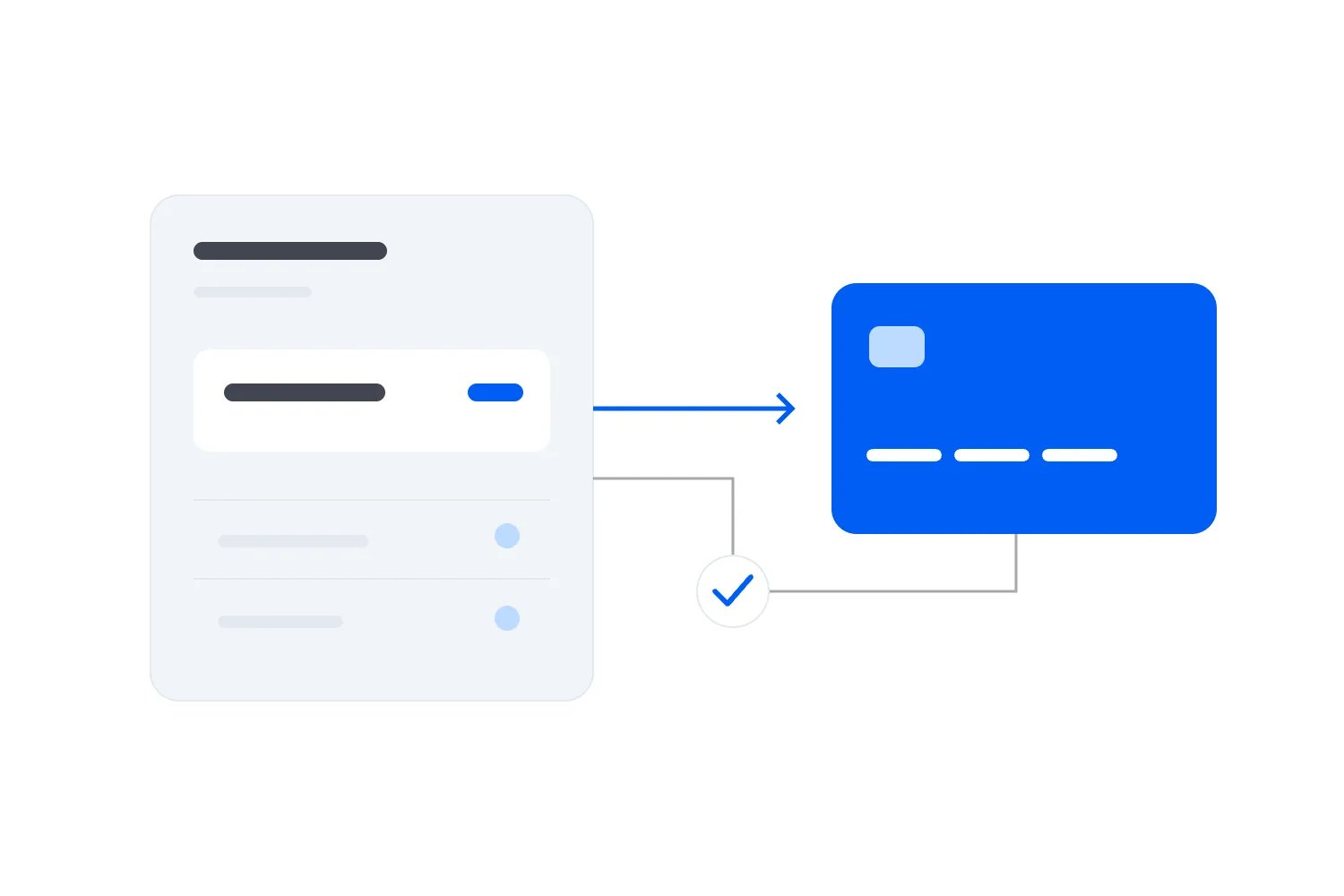
An integration that handles the first sale but misses later changes will create trouble at the event. List the changes your team permits and ask which record controls each one. That controlling record is the version the other services should follow when they disagree. You need an owner for correcting the disagreement too.
An attendee upgrading from a day ticket to weekend admission should receive the right additional access. That change doesn't automatically include camping or a spending balance. A refund of a cancelled workshop shouldn't remove festival admission if the main ticket remains valid. Train staff to change the purchased item involved, rather than resetting an entire pass because one part is wrong.
Transfers are especially revealing. Suppose Alex transfers admission to Sam after adding camping and a locker. Which items transfer with it? Does the wallet remain with Alex? Has the locker already been collected? Your commercial terms and the actual software process must agree. Moving every linked record because it shares an identifier can transfer something the buyer never intended to give away.
Use separate outcomes for a booking cancellation and a service cancellation. If you cancel a workshop, the attendee may still want to attend the festival. If you cancel the whole festival, unused extras and prepaid money need their own treatment. The shared wristband doesn't remove the need to identify who owes what and how each refund will be made.
Late purchases also matter. Ask how quickly a completed addition reaches each relevant reader or desk, what staff can see while it is pending and what the attendee is told. Agree a service level with the provider based on your event's needs. Don't invent a universal acceptable delay, and don't advertise instant access until you have verified the actual arrangement.
Keep a record of approved changes and rejected ones. The useful record identifies the item, the previous status, the new status, the time and the authorised person or process. Your team should be able to follow a complaint without collecting screenshots from several staff phones. That is also useful evidence when you review how much administration the combined pass really removed.
Treat a lost band as several separate decisions
A lost band is where the attraction and the risk of combination become obvious. One replacement may restore several services conveniently. The same incident may also expose admission, money and extras at once. Your help team needs a procedure that protects the buyer without casually issuing duplicate rights.
Start by establishing which account or booking the person is entitled to recover, using an agreed verification process. Avoid asking staff to rely on the person's knowledge of a public booking detail alone. The supplier should explain the options and the information your team needs to check. Keep a practical route for someone whose phone or other usual evidence is unavailable.
Next, identify what can be restored confidently. Admission may still be valid. The wallet may have a last confirmed balance with more recent purchases waiting to arrive. An extra may already be marked collected. These are different facts. A supervisor should know which can be restored immediately and which require investigation under the agreed policy.
Disable the old credential according to the system's supported process and confirm which devices have received that change. If some readers are disconnected, a central cancellation may not have reached them. Ask the supplier to demonstrate that situation. Your replacement policy must reflect the real delay and any limits on using the old band during it.
Don't automatically reload the original wallet amount. If someone loaded $50 and has a confirmed $18 purchase, the remaining confirmed amount is $32, before any other transactions that need checking. These are invented US dollar figures. If an offline device might still hold a later purchase, the procedure needs to account for it before claiming that $32 is certainly available to transfer.
The collected locker should remain collected. If the key was lost too, that is another service issue, with the locker operator's agreed response. Resetting collection to unused could issue a second locker while the first remains occupied. Restoring a credential and restoring every benefit to its original state are different actions, and staff need that distinction in their instructions.
Practise the conversation with the attendee. Explain what has been restored, what is being checked, where they can get an update and which services they can use meanwhile. A person who has lost their band doesn't care which supplier owns the unresolved record. They need one member of your team to take responsibility for finding the answer.
Plan for a failure that affects only part of the pass
Ask the provider to stop individual services during the rehearsal. Take the payment connection down while admission remains available. Stop the update that sends new camping purchases to the campsite. Remove a reader at the locker desk. These failures reveal more than switching off everything at once because your team must decide what can safely continue.
For each interruption, write what still works, what staff must stop, who can approve an alternative and what information the attendee receives. A payment outage may permit a separately approved card alternative at some locations. It doesn't authorise staff to give out prepaid goods without a record. An admission delay doesn't justify bypassing the venue's capacity controls.
Offline operation means the system can perform specified tasks while disconnected. Ask which tasks, using what information, for how long and with what restrictions. A device remembering yesterday's permission may not know about today's refund. Two disconnected collection desks may not know that an extra was just redeemed elsewhere. The supplier needs to explain how its design handles those cases.
When the connection returns, find out how records are combined and conflicts are resolved. You may hear this called reconciliation. In ordinary terms, your team needs to establish which purchases and redemptions really happened and produce an accurate final record. Uploading a batch of transactions is only part of that job if some records disagree.
Our guide to festival payments during a connectivity failure goes deeper into the payment side. For the combined pass, pay particular attention to the boundary between services. One desk should not assume that another is working just because its own device shows a connection.
Include safe movement around help points. HSE's crowd control guidance, for events in Great Britain, discusses entrances, queues, circulation and emergency access as connected concerns. Agree actual arrangements with your event safety team. A technical incident can produce a new crowd in a place never intended to hold one.
Keep support available through the hours when people use the services, including late campsite arrivals and post-event queries. Establish who can change settings, who can restore a device and who can authorise a financial correction. If your only expert finishes before the late trading period, you haven't bought support for the operation you actually run.
Measure convenience across the whole visit
A pass can save an attendee several repeated searches for tickets while adding a compulsory collection queue at arrival. It can make payment easy for most people while sending others to a busy top-up desk. Judge the complete visit rather than choosing the one transaction that produces the best demonstration.
In Loopyah's Event Attendee Insights Report, 285 of 500 US respondents selected long lines or waiting times as a frustration, and 55 selected poor communication or unclear information. The survey was fielded through Pollfish on 11 November 2025, and respondents could select up to three options. That's 57% and 11% of respondents respectively. These are general event findings, not evidence that combined festival passes reduce either problem.
| Label | Percent of respondents |
|---|---|
| Long lines or waiting | 57 |
| Unclear event information | 11 |
Use those concerns to choose observations for your own test. Measure arrival from joining the first queue to entering the public area. Include credential collection, fitting, searches and any compulsory account setup. At a selling point, measure the complete order and handover, including what happens when a balance is insufficient.
Observe the help desk as carefully as the ordinary lane. Record what people needed, how long a case took and whether staff could resolve it there. An apparently simple standard process can conceal a demanding exception process. If your planned help team cannot handle the mix of questions, the extra work hasn't disappeared; you've concentrated it.
Invite people unfamiliar with the system to use the instructions. Ask them to add an extra, find its confirmation, identify whether it has been collected and explain how they would recover an unused balance. Staff who configured the system are poor substitutes for a first-time attendee. They already know where the unclear button leads.
Choose a result that matters to your event. You might want the full arrival process to accommodate the expected peak without an unsafe queue, or the help team to resolve a replacement without contacting several departments. Agree the measures and pass conditions before the trial. A pleasant-looking tap is too narrow a result to justify connecting every service.
Keep a usable alternative for people who need one
Some attendees won't be able to wear the standard band comfortably or present it at the reader's position. Others won't have a suitable phone for account setup. Plan the alternative with your accessibility and service teams, then ask the supplier to show how it preserves the same purchased rights without creating an unnecessarily difficult route.
An alternative credential needs the same care over loss and replacement as the ordinary band. It should lead staff to the correct permission, balance or extra. A vague instruction to ask a supervisor at every checkpoint can turn an accessible alternative into repeated inconvenience. Tell the relevant teams what to recognise and which action they can approve.
Don't require an app merely because one is available. Boomtown's published cash-free information describes a website route for linking a wristband without a smartphone, and a separate request process for leftover funds. Those are useful examples of decisions an organiser must make, rather than policies to copy wholesale. Verify the current edition and the actual service your own provider supports.
Explain the arrangement before purchase. Buyers need to know which services use the band, where it is collected, whether they must set up an account, how to add spending money and what they can use if the ordinary process doesn't suit them. Include any exceptions, such as a separately operated hire desk. Clear information lets people prepare without spending arrival time discovering compulsory steps.
A useful pre-sale explanation might say that weekend admission and camping are checked on the band, lockers require an advance reservation, and purchases use a separately loaded balance. Then explain that the locker team records collection once and that unused money follows the published refund process. Adapt that wording to the actual offer. If parking or a separately operated activity uses another confirmation, identify it plainly. Don't use one pass as shorthand for benefits that haven't been purchased. Someone buying admission only should understand what they receive without needing to interpret the premium package description or ask a friend who attended last year.
Use confirmation information and reminders for instructions that change what someone brings or does. Keep onsite signs short and consistent with those messages. If your team changes a collection location, update every relevant instruction and brief the staff who direct arrivals. A shared pass won't fix a buyer being sent to the wrong entrance by an old email.
Check group arrangements with the same care. A parent may control money for several family members. Friends may share an order but want separate spending accounts. A personal assistant may need to help someone use an entitlement without taking ownership of it. Agree supported arrangements privately and respectfully, with only the information needed to deliver the service.
Separate the money and the information people can see
Sharing a band doesn't require every operator to see every record. A locker attendant needs to establish the reservation and collection status. A bartender needs the information required to complete a sale. Neither automatically needs an attendee's complete movement history, contact details or the contents of another service's support notes.
The UK's ICO explains that personal data should be adequate, relevant and limited to the purpose. Its guidance is under review following legislative changes. Use the principle to ask specific questions about your design, while obtaining advice appropriate to where you operate. Define the purpose, access permissions and retention for each record you intend to keep.
Ask the provider what different staff roles can view and change. Test those roles with ordinary staff accounts. A supervisor may need to restore a credential but shouldn't necessarily be able to export every payment record. An external trader may need their own sales report without gaining access to another trader's customers or takings. The permissions should match actual jobs.
Payment descriptions also need precision. The PCI Security Standards Council distinguishes different types of payment token, which replace a card number with an alternative value. A wristband identifier isn't automatically the same thing as a payment token. Ask the payment provider and acquiring bank to confirm the actual arrangement and your responsibilities, rather than relying on the label cashless or secure.
For a prepaid arrangement, identify the business holding the funds and handling refunds, disputes and final balances. The FCA's UK guidance on the limited network exclusion explains that some payment instruments have a particular regulatory treatment and notification obligations. A festival-only wallet doesn't settle that question by itself. Have the provider document its role and obtain advice for your own arrangement and jurisdiction.
Keep ticket revenue, wallet money and money due to suppliers distinguishable in your reports. Loading a balance is not the same as buying a drink, and buying a drink is not the same as the festival keeping the whole price. Our cashless trader settlement guide covers the later payment to traders. Connecting the front-end credential should make these records easier to follow, without merging different obligations into one attractive total.
Price the integration against a workable alternative
Compare two arrangements that deliver the same promised services. Your alternative might use QR admission, ordinary card payments and separate extra confirmations. Include its real staffing, devices and support. Then price the combined pass with its configuration, credentials, readers, training, collection, assistance, replacements and closing work. Don't describe one option as free just because some costs are already familiar.
Here's an invented US dollar example, not supplier pricing or an industry benchmark. A festival expects 2,000 attendees. A workable separate-services arrangement costs $7,000. The combined arrangement costs $12,000 before any savings elsewhere. The initial difference is $5,000. The operator can remove $1,200 of paid administration that is outside both quoted totals, leaving a net additional cost of $3,800.
That $1,200 must be work that really disappears after allowing for new support tasks. If the same employees remain on the same paid shifts, saved minutes may have operational value without reducing the wage bill. You can record that value separately. Don't subtract a cash saving from the budget unless an actual payment falls.
Suppose the operator expects 300 additional extra purchases, each leaving the festival $10 after the costs caused by that sale. Those purchases would contribute $3,000, leaving $800 of the additional system cost uncovered. The event would need 380 additional purchases at that contribution to recover the full $3,800. Attendees buying an extra they would have bought anyway don't count as additional demand.
Try the weaker case. If only 150 additional purchases happen, they contribute $1,500 and leave $2,300 uncovered. If the administration saving also fails, the recovery requirement returns to $5,000. That would need 500 additional purchases at $10 each. Keep the two changes visible so you can see which assumption makes the proposal affordable.
You may still approve the cost because easier support, fewer repeated checks or a better visitor experience matters to your business. State the amount you're willing to spend on that improvement. A paid experience benefit is a legitimate budget choice. Calling it guaranteed extra revenue hides the decision from the person accountable for paying the bill.
Check cash timing before signing. Setup deposits, custom bands and configuration may be payable well before the festival. Expected sales of extras later in the weekend can't fund an invoice due next month unless other cash covers the gap. Put those payment dates into the budget alongside cancellation charges and any equipment loss liability.
Write a test your team can repeat
Give the supplier a short script before the rehearsal, with the expected outcome for each action. You can use Alex's invented booking to make it concrete. Begin with weekend admission, camping, one uncollected locker and a wallet containing $50. Use test funds and test records, with the provider confirming that none of the rehearsal actions will charge a real customer or release live inventory.
At the gate, the expected result is approval for the correct day and area, recorded against the right attendee. At the locker desk, the expected result is one collection and a clear status afterwards. At the bar, make the fictional $18 purchase and check that the transaction appears once. A second view of the record should explain the remaining $32 without anyone doing a separate calculation on their phone.
Then change one thing at a time. Remove camping and check the campsite response without removing main admission. Add it back through the normal approved purchase process and watch the update arrive. Cancel an unused extra and check whether its inventory becomes available again. This isolates errors. If staff change several records together, you may know the final result is wrong without knowing which action caused it.
For the replacement test, preserve the collected locker and completed purchase. The new credential should recover the rights the agreed policy allows, while the old credential receives the agreed restriction. Check both credentials at the relevant devices. Include a disconnected reader so everyone can see whether the restriction arrives immediately or waits for a connection. Record that limit in the operating instructions.
Have ordinary staff perform the actions after training. Let the supplier observe, but avoid letting the demonstrator quietly take over each difficult case. If the supervisor must perform a step, time the handover and check that the supervisor will actually be on shift. A process that works only because its designer is standing beside every reader isn't ready for an ordinary festival team.
Keep the observed results, the configuration used and any unresolved issue. Assign each correction to a person and test it again before approval. A promise to fix a failed cancellation after launch isn't enough when you have already sold the entitlement. If the fix won't be ready, narrow the public offer or use the proven separate process for that service.
Put one person in charge of the complete result
Several suppliers can deliver a good shared pass, and one supplier can still leave gaps between its teams. The useful question is who owns a problem that crosses services. Name an operational lead on your side and agree how the provider coordinates its ticketing, access, payment and fulfilment responsibilities.
Before the final quote, write a short list of the services being supplied. Identify what each service must recognise, the record that controls it, permitted changes, support hours and the report you receive afterwards. Include who supplies the network, devices, power arrangements and replacement stock. This makes omissions visible while the commercial scope can still change.
Ask to see the records you keep when the contract ends. You may need to answer a complaint after event support has closed or compare the result before the next edition. Agree usable exports, access periods and any charges, with appropriate limits for personal information. A system is harder to leave when essential records become inaccessible immediately after the event.
For the ticketing part, Loopyah's ticket sales tools provide QR tickets through the buyer's confirmation email and let door staff scan with check-in-only access. That is a concrete admission option to include in your comparison. If you want those bookings to drive an external wristband wallet or extra-redemption system, verify that connection specifically with the providers before making it part of your public offer.
Bring your final service list to a rehearsal with the people who will actually run the desks. Use an ordinary booking, a late addition, a partial refund, a transferred ticket, a collected extra and a lost band. Make a service unavailable and watch the response. Record the result and assign a person and date to every correction that affects the offer.
After the event, compare the final records with the reason you bought the integration. Count unresolved replacements, duplicated redemptions, changes that required manual help and support hours you hadn't planned. Check the final supplier bill against the approved scope. If a feature reduced repeated questions but required another paid desk, record both results. That gives the next edition a more useful starting point than a general verdict that the technology went well.
Look at demand for extras separately. Compare completed purchases with what you expected, but account for price changes, programme changes and availability before crediting the pass. A sold-out workshop can't reveal how much more the easier purchase process might have sold. A half-empty workshop may have had the wrong time or topic. Use the evidence to change the actual offer or operation rather than assigning every outcome to the credential.
Finally, confirm that closing work has an owner after production staff leave site. Someone must answer outstanding balance questions, investigate disputed collections and retain the records needed for those cases under the agreed rules. Read our guide to cashless balance refund policies when preparing that part of the offer. A single pass should be just as understandable when the attendee asks for help after the weekend as it was when they arrived.
You don't need to connect every service on the first edition. Choose the combination that solves a problem you can demonstrate, survives the changes your buyers are allowed to make and leaves the budget workable when extra sales disappoint. Before opening sales, have your operations lead approve the actual buyer instructions against the rehearsed process. Then sell that process, with its real inclusions and exceptions, so the promise on the event page is one your team can deliver.

Author: By the Loopyah Content Team
The Loopyah Content Team shares expert insights, practical guides, and industry updates to help event organizers create unforgettable experiences and stay ahead in the event planning world.