· 21 min read
Should you offer merchandise or next-event credit before a cashless refund?
Your festival has finished, and people still have money on their wristbands. You've also got shirts in the warehouse and another event to sell. It sounds like a useful opportunity: let attendees spend their remaining balance on something they want, then refund whatever is left.
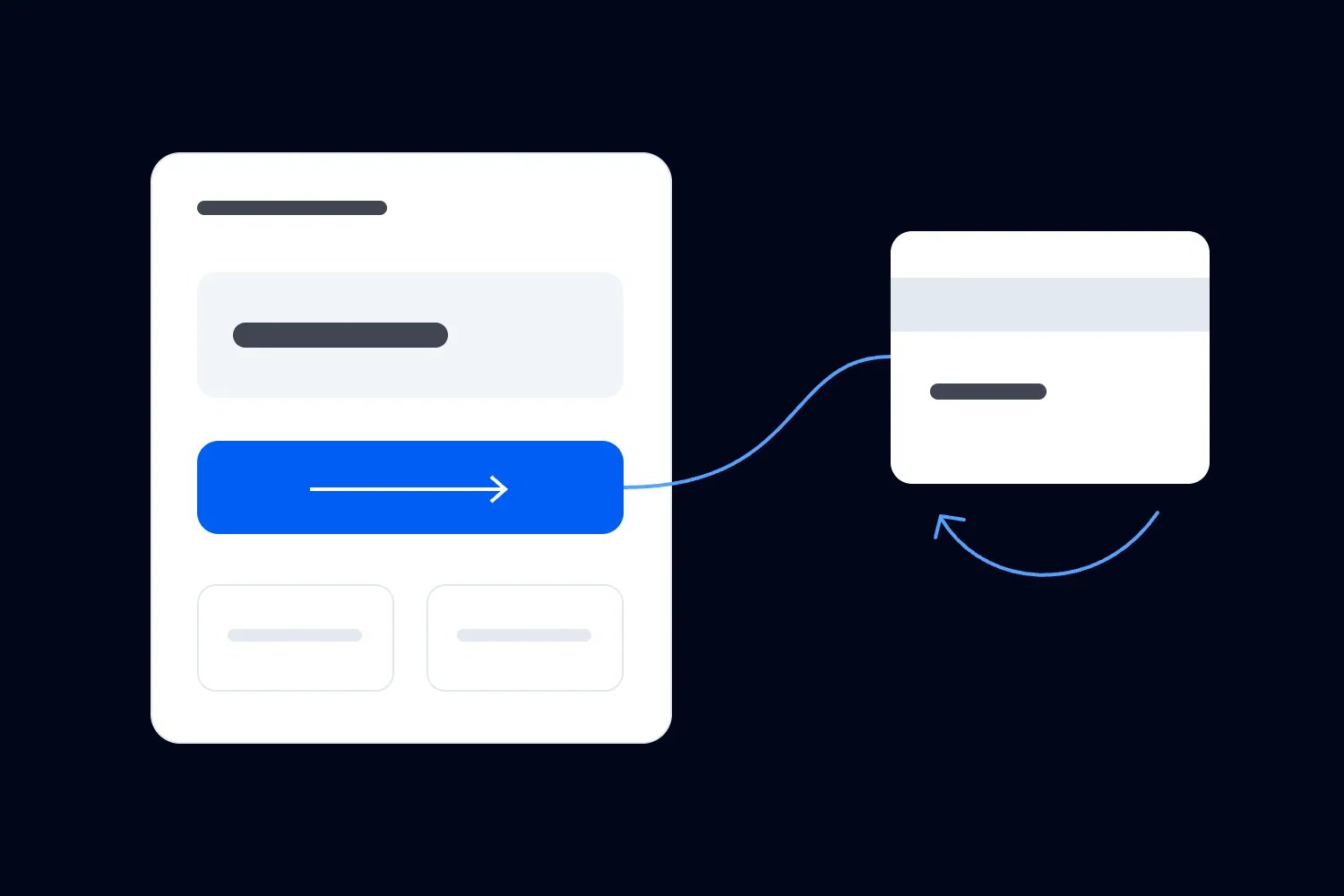
You can offer merchandise or next-event credit, provided people can choose their cash refund just as easily. Merchandise usually makes more sense when you have stock people genuinely want and a reliable way to deliver it. Future credit makes sense when the next event is confirmed, the terms are useful to returning buyers, and you've budgeted for the promise you're making.
The part that deserves careful thought is what happens after someone accepts. A shirt creates an order to fulfil. A voucher creates a future commitment. Neither becomes extra profit simply because you didn't send the money back today. We'll work through those decisions with hypothetical USD examples, so you can judge an offer against your own costs and audience.
Start with a useful offer, not the leftover balance
The first thing you want to do is look at what people would actually buy. Remaining wallet credit tells you someone topped up more than they spent. It doesn't tell you they want another purchase, can attend your next event or have money to add to an order.
Imagine an attendee with $18 left after a weekend away. They might love your festival and still prefer the money back for their journey home. Another attendee might have missed the merchandise stand and be delighted to order a shirt. Both are reasonable responses. Your offer should accommodate both without making either person explain themselves.
Start by describing the purchase without mentioning the wallet. Would you recommend the shirt at that price, including delivery? Would you recommend the future credit if the customer had to pay for it from their bank account? If the answer depends on them forgetting the balance is real money, rethink the offer.
Choose one clear commercial aim. You might want to sell remaining merchandise, invite regular attendees into a confirmed presale or find out whether your audience wants a particular product. Each aim suggests different costs and a different measure of success. A vague target to retain more balances doesn't tell your team whether the purchase benefits anyone.
Our guide to pricing event merchandise and ticket add-ons explains how to build the selling price from the costs. Here, the additional question is whether buying during a wallet refund improves the experience enough to justify offering it at that moment. A good product can still arrive at the wrong time.
Keep the cash refund visible from the start
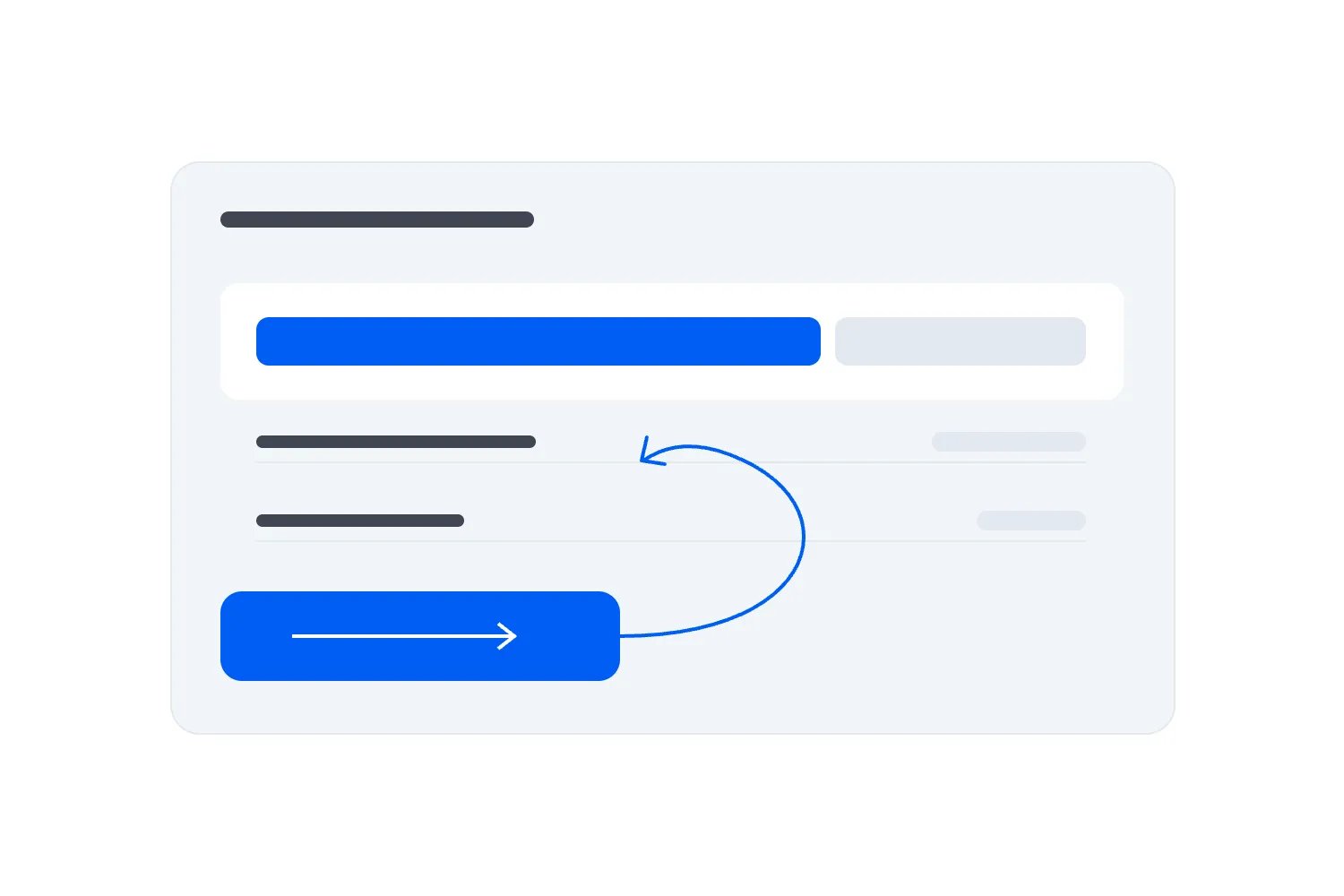
Someone opening a refund page has a specific job in mind. Show their refundable balance and the route to receive it before asking them to consider a purchase. An attendee shouldn't need to discover that a small "skip" link means they can get their money back.
Use direct language for the available actions. "Refund my balance" tells people what happens. "Shop merchandise" and "View next-event credit" tell them they are considering separate purchases. Avoid wording that makes repayment sound like losing a benefit or disappointing the event. Thanking someone for attending doesn't require them to spend again.
In its report on manipulative online design, the US Federal Trade Commission describes practices that obstruct choices or hide important information. That isn't a festival-specific ruling, but it gives you a useful review question: can a person complete the action they came for without being misled or diverted?
Don't preselect a shirt, voucher or donation. Don't make people reject the same offer repeatedly. If they choose the refund, complete that choice without another sales screen. If they explore merchandise and change their mind, return them to their balance without losing the details they've already entered.
The UK's Competition and Markets Authority explains how website and app design can affect consumer choice. For your event, test the actual mobile journey with someone who didn't build it. Ask them to get the money back while you watch. Their pauses will tell you more than a team agreement that the page looks clear.
Decide whether merchandise is ready to sell
Merchandise is the stronger option when the item already exists, the available sizes are accurate and you can get it to the buyer when promised. It offers a concrete exchange. Someone gives up part of a refundable balance and receives a product they can assess before deciding.
Check the physical stock before opening sales. The spreadsheet may include shirts reserved for replacements, artist allocations or orders taken during the event. Confirm what's actually available, who controls it and how quickly the online quantity changes after a purchase. Otherwise, an apparently easy offer creates orders your team can't fulfil.
Show the garment, material, size information and delivered price. People shouldn't have to guess whether a shirt uses the same sizing as something they bought last year. If an item is a preorder, say that before payment and give a realistic dispatch window. Don't describe an unconfirmed production run as remaining event stock.
Delivery can change the appeal completely. A $20 item with $8 shipping may be less attractive than the same item collected before someone leaves. An overseas buyer may face a different charge or customs process. Decide which destinations you can serve, then show those conditions while the person is choosing.
If a third party owns the merchandise, agree who sells to the customer, who receives the order and who handles returns. A wallet provider processing the payment doesn't necessarily take responsibility for a wrong size or damaged parcel. Your buyer needs a clear contact, and your team needs an answer when the merchandise supplier stops responding.
Work out what a merchandise order leaves
Let's use a fictional shirt order to make the comparison concrete. The attendee has a $24 refundable balance. You offer a shirt for $24 including domestic delivery. Your planning estimate allows $9 for the garment and printing, $2 for packaging, $5 for shipping and $2 for selling costs and expected replacements.
Those assumed costs total $18, leaving $6 before shared overheads and tax. If you fulfil 100 identical orders, the example leaves $600 on that basis. It doesn't create $2,400 of profit. The customer has exchanged $2,400 of refundable balances for products that cost money to provide.
Already paid stock needs careful handling in this calculation. The original printing bill may be settled, so selling the shirt doesn't require another payment to the printer today. But that doesn't mean the garment cost disappeared. Include it when judging the merchandise run's overall result, and separately check the remaining cash needed for packing and delivery.
Now suppose the buyer has $18 left but the delivered shirt costs $24. They need to pay another $6. Show that plainly before confirmation. If the buyer has $30 instead, using $24 should leave $6 available for repayment under the normal process. Don't leave them guessing whether buying one item consumes the entire balance.
Use your supplier quotes and refund-provider charges in place of these invented figures. Check fees for the extra payment, the remaining refund and any merchandise return. You might find that collection works, delivery doesn't, or a cheaper item fits more balances. That's useful information before launch, when changing the offer is still straightforward.
Future credit needs a confirmed event and usable terms
Next-event credit appeals to someone who already expects to return. It is much less useful to a visitor who travelled a long distance, has uncertain dates or attends only for a particular artist. A voucher can carry a large face value and still be worth very little to that buyer.
Confirm what the credit buys. Is it money toward admission, food and drinks at the next event, or a particular ticket? Those are different promises. Explain whether the buyer must add money, whether booking fees are covered and whether the credit guarantees availability. A balance toward a sold-out event may be impossible to use unless you reserve inventory.
Avoid asking people to commit to an event whose date or location you can't explain. If you do offer credit across a series, name the eligible events and any exclusions. Someone buying access to a local programme should know whether the credit works for the flagship weekend, the smaller shows or both.
Decide what happens if the next event changes or doesn't happen. Your terms need an owner, an operational process and a funded response. A sentence saying "subject to availability" doesn't solve the customer problem when every suitable performance sells out. Consider whether a straight refund now would be more useful than a promise you can't confidently fulfil.
Expiry deserves a specific check for your market and voucher structure. Australia's ACCC explains that gift cards have expiry and disclosure rules, with exceptions. Don't assume that every promotional voucher follows the same rule, or that calling paid credit a promotion changes its treatment. Confirm the terms before offering an expiry date to buyers.
If the voucher requires a minimum purchase, work through that amount with an ordinary ticket before launch. A customer exchanging a small balance may reasonably expect to use it on their usual admission. An unexpected spending threshold can make the promised benefit much less useful.
Budget the credit against the next ticket sale
Here's another hypothetical USD example. Someone can refund $20 or exchange that balance for $25 of credit toward a confirmed event. The ordinary ticket price is $60. At redemption, that customer uses the $25 credit and pays another $35, assuming no additional fees in this simplified example.
Across the two transactions, you've received $55 from that person: the original $20 and the later $35. Compared with a customer buying the same $60 ticket at full price, you've allowed a $5 benefit. Calling it a bonus doesn't remove that cost. Put the $5 into the next event's sales plan.
For 100 customers who all redeem on those assumptions, the credit represents $2,500 toward tickets. They would pay $3,500 more, and their original balances contributed $2,000. Total receipts would be $5,500, compared with $6,000 for 100 full-price tickets. Those are planning calculations, not evidence that the offer will sell more tickets.
The comparison changes if these customers wouldn't otherwise return. Then you need to consider what it costs to accommodate their attendance and whether the offer brings genuinely additional business. If the event would sell out anyway, discounted credit may replace full-price sales. Empty capacity and scarce capacity give you different reasons to accept the same offer.
Don't budget on everyone forgetting their voucher. Under IFRS 15, the IFRS Foundation's overview of its revenue recognition standard explains that revenue reflects transferring promised goods or services. Receiving money before delivering a future purchase doesn't automatically mean you've earned it. Have your accountant apply the framework your business uses. Keep enough visibility over outstanding credit to deliver what you sold.
Choose the offer that suits this audience
For an annual destination festival with uncertain return dates, merchandise may be easier to justify than future credit. People can enjoy a shirt without committing to travel again. That advantage disappears if delivery costs more than the item is worth to them or you only have unpopular sizes left.
For a local event series with confirmed dates, credit may be useful to regular buyers. They know the venue, can see the upcoming programme and already have reasons to come back. Check whether the offer helps occasional attendees return or simply discounts people who would have bought their next ticket anyway.
A one-off event with no merchandise operation may be better off offering the refund alone. You don't have to create another product because the payment system allows it. Sourcing, shipping and support can consume the money you expected to retain, especially when order volume is too low to spread the setup work.
Look at balance sizes without treating them as targets people must spend. If many refundable balances are small, a more expensive product requires another payment. That might be fine when the product is desirable, but the page must show the difference. A small balance shouldn't become the excuse for selling a product the buyer hadn't wanted.
You can also offer the purchase after completing the refund, through a separate campaign to eligible contacts. That gives you a cleaner test of demand because people are no longer deciding while trying to recover their money. The purchase may require another payment, but you learn whether the product itself attracts buyers.
Decide which part of the balance can pay for the offer
Before you price anything, establish what the displayed wallet balance contains. Money the attendee paid, complimentary value and a sponsor's promotion can appear together while carrying different conditions. Your offer needs to use the right amount, and the confirmation needs to show what remains refundable afterwards.
Suppose a fictional account shows $30: $25 paid by the attendee and $5 of promotional value. A $24 purchase could leave different amounts refundable depending on which value the system uses first and what the promotional terms allow. Don't write the offer from the displayed total alone. Ask the provider to demonstrate the actual result using an account with both balance types.
Check whether promotional value can buy merchandise or future admission at all. A sponsor may have funded drinks at the event rather than products shipped later. Staff credit may serve a different purpose from customer top-ups. Offering everything to every account can create a commitment that nobody agreed to fund.
The customer shouldn't need to understand your internal arrangements. Show the amount available for this purchase, the amount of additional payment required and the cash amount remaining after confirmation. If those figures differ from the headline wallet balance, explain why in the same place. Otherwise, the person may reasonably believe you've removed money during checkout.
Keep separate records of paid value used and any extra benefit your business supplies. For a next-event voucher, that might mean recording the original money exchanged separately from the bonus. You need both figures to understand your future commitment, answer a later complaint and avoid treating every dollar of voucher value as new money received.
If your current provider can't apply the offer accurately across mixed balances, exclude the affected accounts from the sales offer while preserving their refund route. Tell staff why the offer isn't available to those customers. You can still invite eligible people to buy through a separate checkout after repayment. A smaller campaign with reliable amounts is easier to run than a larger one that requires support to recalculate every order.
Write the offer so people understand the exchange
Keep the balance and the purchase distinct in your wording. An attendee should be able to read the confirmation and explain how much money is being used, what they will receive and what balance remains. Don't rely on a changing total alone to communicate the decision.
For merchandise, a fictional confirmation might say: "Your refundable balance is $30. This shirt costs $24 including domestic delivery. If you confirm the order, we'll use $24 from your balance and return the remaining $6 through the usual refund process. Dispatch is within the stated delivery window."
Replace that final sentence with an actual dispatch commitment before using it. Add the selected size, delivery destination, seller and relevant returns terms. If shipping changes with the address, calculate the final amount before confirmation. The person should see the price they are accepting rather than a low starting price that changes after they commit.
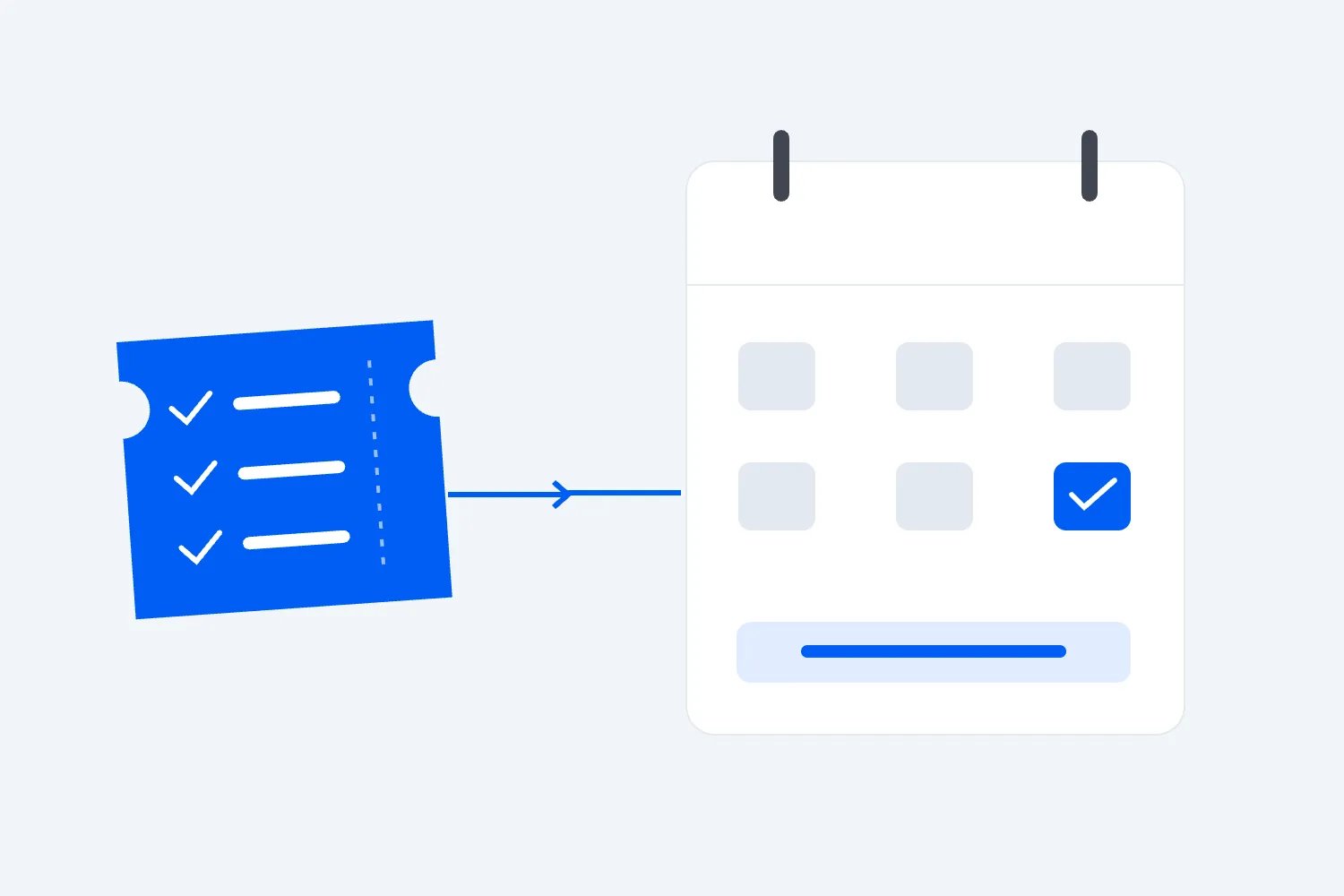
For credit, you could explain: "Exchange $20 of your refundable balance for $25 toward admission to the confirmed event listed below. This doesn't reserve a ticket. You will pay any ticket price above the credit, plus the stated applicable fees. You can choose a cash refund instead."
That wording only works if the restrictions suit the offer and the booking route is ready. State the eligible event, redemption process, expiry, transfer conditions and treatment of unused voucher value in the actual terms. If you can't explain those points without a long list of exceptions, simplify the offer before asking customers to understand it.
Keep the promise after someone accepts
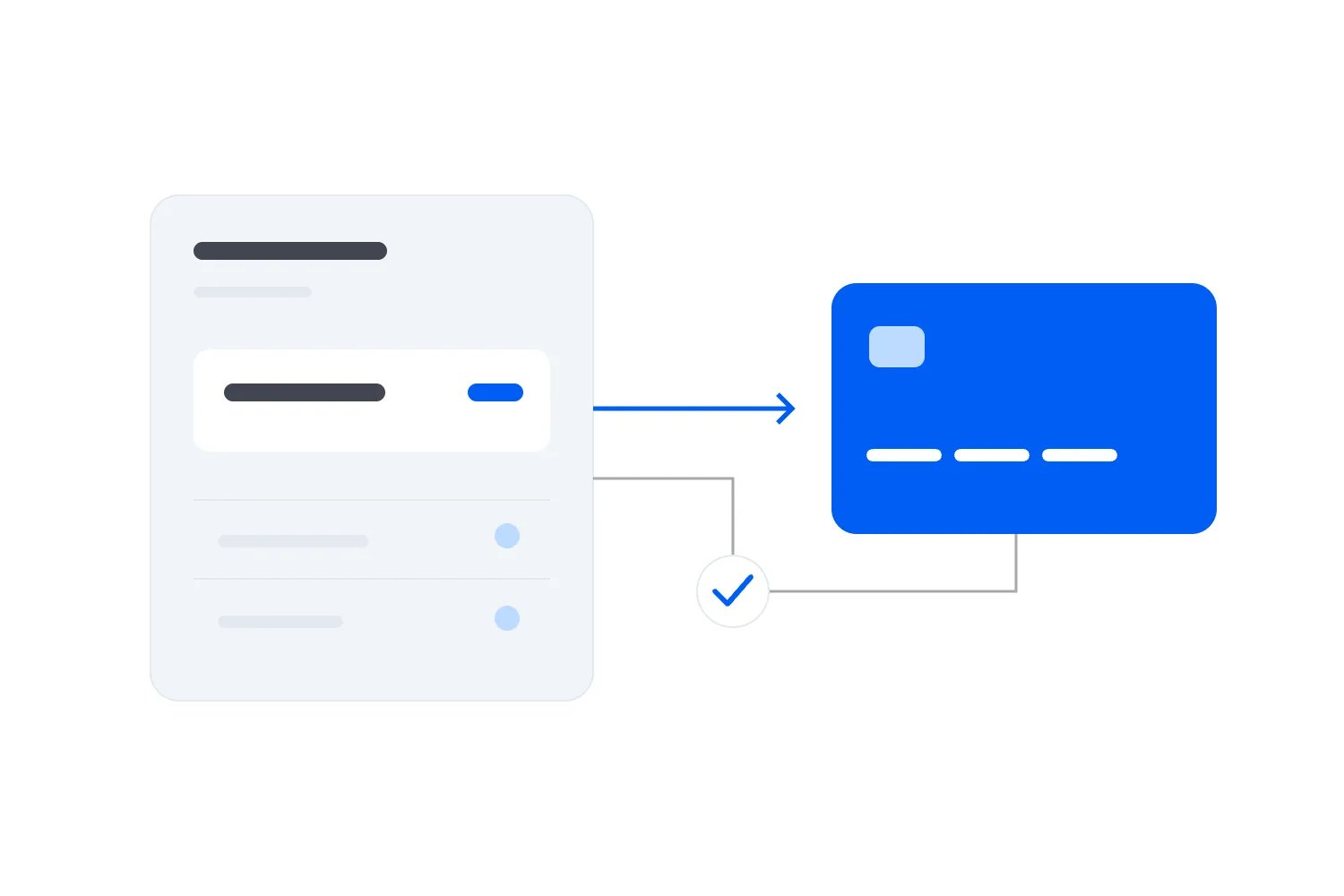
Follow one order all the way through before launch. The wallet needs to reflect the amount used. The merchandise operation needs the right item and address. The refund process needs the remaining eligible balance. The buyer needs a confirmation that connects those outcomes without asking them to piece together separate messages.
If one part fails, staff need to see which part. Suppose the order confirms but the wallet deduction fails. Sending the shirt and refunding the full balance could charge the event twice. If the wallet deduction succeeds but the order disappears, the buyer has paid for something nobody is preparing to send.
Ask the provider and fulfilment team how they prevent those outcomes and resolve incomplete transactions. Use the tools they support rather than inventing a second order list staff must keep synchronized by hand. What matters is that the people handling support can verify the purchase and either complete it or return the appropriate money.
For future credit, test redemption using the same device and purchase route your audience will use. Try a ticket priced above the voucher, an excluded event, a partial use if permitted, and a customer who can't access the original email. These tests reveal restrictions you need to explain before people exchange money for the credit.
Assign responsibility after the event team disperses. Parcels can arrive late. A customer may need another copy of a voucher months later. Keep access to the records for the period your obligations require, and tell the customer where to get help. Offering a future benefit extends the work beyond the festival's closing date.
Plan what happens when the purchase goes wrong
An exchange doesn't end your responsibility. Someone may receive a damaged shirt, discover that the size differs from the description or find their credit won't apply to the event you advertised. Agree how those cases are handled before the sales page opens, including who can authorize the remedy.
For merchandise, decide where returned goods go and how the customer starts a claim. Don't send people back to a temporary festival desk that has closed. Keep the order reference connected to the original payment records so staff can identify what the person paid, how much came from the wallet and whether there was an additional card payment.
Ask how the payment provider handles repayment after the original wallet has closed. Returning money to an inaccessible event account may leave the customer unable to receive it. Your support process needs a workable route, consistent with the customer's applicable rights, rather than a promise that only works while the festival is operating.
For future credit, write down the response to a cancelled event and to an event that changes substantially. Tell the customer the relevant conditions before they accept. Keep the amount they originally exchanged distinct from a promotional bonus, and have the adviser confirm how each should be treated if you cannot deliver the purchase.
Make sure those decisions appear in staff instructions and customer confirmations where relevant. If your refund team says one thing and the merchandise seller says another, the buyer has to negotiate between suppliers you selected. Give one team responsibility for getting an answer and a way to reach whoever can resolve the underlying problem.
Also decide how an accidental selection can be raised. A customer who contacts you immediately because they intended to choose cash provides useful evidence about the page. Review the interaction before assuming they simply changed their mind. Repeated mistakes in the same place can mean the wording or button placement needs changing, even when the payment records show a technically successful purchase.
Separate refund information from promotional emails
Everyone who needs refund instructions should receive clear operational information through the appropriate route. A merchandise launch or invitation to buy next-event credit has a different purpose. Adding an offer to an essential update can change how the message needs to be treated, so decide the audience and content deliberately.
For UK electronic marketing, the Information Commissioner's Office explains the conditions for consent and the existing-customer exception. Having somebody's email address because they attended doesn't remove those conditions. Apply the rules for your audience and keep a request for repayment separate from permission to receive future offers.
If you use Loopyah's attendee email tools, contacts retain their purchase history and whether they agreed to hear from you. Loopyah distinguishes event updates from promotions and handles opt-outs for promotional messages. That helps you send a later ticket offer to an appropriate audience without building a separate contact list for each campaign.
The useful point is the sequence. Finish the refund communication clearly, then send a purchase invitation where you have a basis to do so. Don't make joining the marketing list a condition of recovering a balance. Someone choosing cash may still come back next year, and someone buying a shirt may still prefer no more promotional email.
Avoid repeated reminders aimed at people who already declined. Use the choice they made to stop the offer, while continuing any necessary order or refund updates. Your support team should know which message went out and what it promised so they can answer questions without asking the buyer to explain the whole campaign.
Measure sales, completed delivery and future use
Start by counting eligible accounts and completed decisions. Keep merchandise orders, credit exchanges and cash refunds separate. An account that hasn't completed anything is unresolved, not evidence that its owner accepted your offer. This distinction prevents a large retained balance from looking like a successful sales campaign.
For merchandise, compare what customers bought with the cost of fulfilling those orders. Include replacements, returns, extra shipping and support time where you can reasonably track it. Look at the result after delivery, rather than celebrating the gross order value while the warehouse still holds the products.
For credit, record the original balance exchanged, the bonus promised and the value still available. Later, check which eligible events people booked, what additional payment they made and whether the credit caused support problems. A voucher issued today and a ticket bought months later are different events in your reporting.
Be careful with claims about additional sales. Comparing buyers who chose a voucher with buyers who requested cash doesn't show that the voucher caused them to return. The groups selected themselves. Regular attendees may simply prefer credit. A more useful trial compares otherwise similar groups while keeping the refund experience equally easy for everyone.
You can use ticket sales and source reporting to understand later ticket purchases, but don't treat a tracked purchase as proof that the customer wouldn't have bought otherwise. Decide in advance what result would justify repeating the offer. The answer should include the money left after delivery and the effect on refund completion, rather than acceptance alone.
Start small and leave yourself a clear decision
Choose one offer you can explain and deliver reliably. Confirm the price, availability, terms and support owner before showing it to customers. Keep the direct refund route working throughout. If the offer needs an extended delay to repayments to become attractive, change the offer or send it separately later.
A small trial gives you a chance to spot mistakes before they affect the whole audience. Review real orders and customer questions while the team can still fix the page. Stop the offer if balances become unclear, inventory is wrong or people are struggling to get refunds. You can resolve those issues without continuing to accept new purchases.
Bring the results back to the original commercial aim. Did merchandise leave enough after its costs to justify the fulfilment work? Did future credit attract useful repeat business without discounting scarce tickets unnecessarily? Did customers understand their choice and receive what you promised? The answers may favour a different offer next time, or no offer at all.
Before the next event, compare that decision with your broader event refund policy. Admission refunds and unused wallet repayments are different subjects, but people judge the event business through both. Keep the explanations consistent so a customer doesn't have to work out which version of your promises applies.
If you have wanted stock, dependable delivery and enough money left after costs, offer the merchandise. If your next event is confirmed and the credit gives returning customers a useful benefit you can afford, offer the credit. When neither condition holds, complete the refund and spend your effort on the next reason people will choose to buy.

Author: By the Loopyah Content Team
The Loopyah Content Team shares expert insights, practical guides, and industry updates to help event organizers create unforgettable experiences and stay ahead in the event planning world.