· 21 min read
Event merchandise ideas that buyers will actually pay for
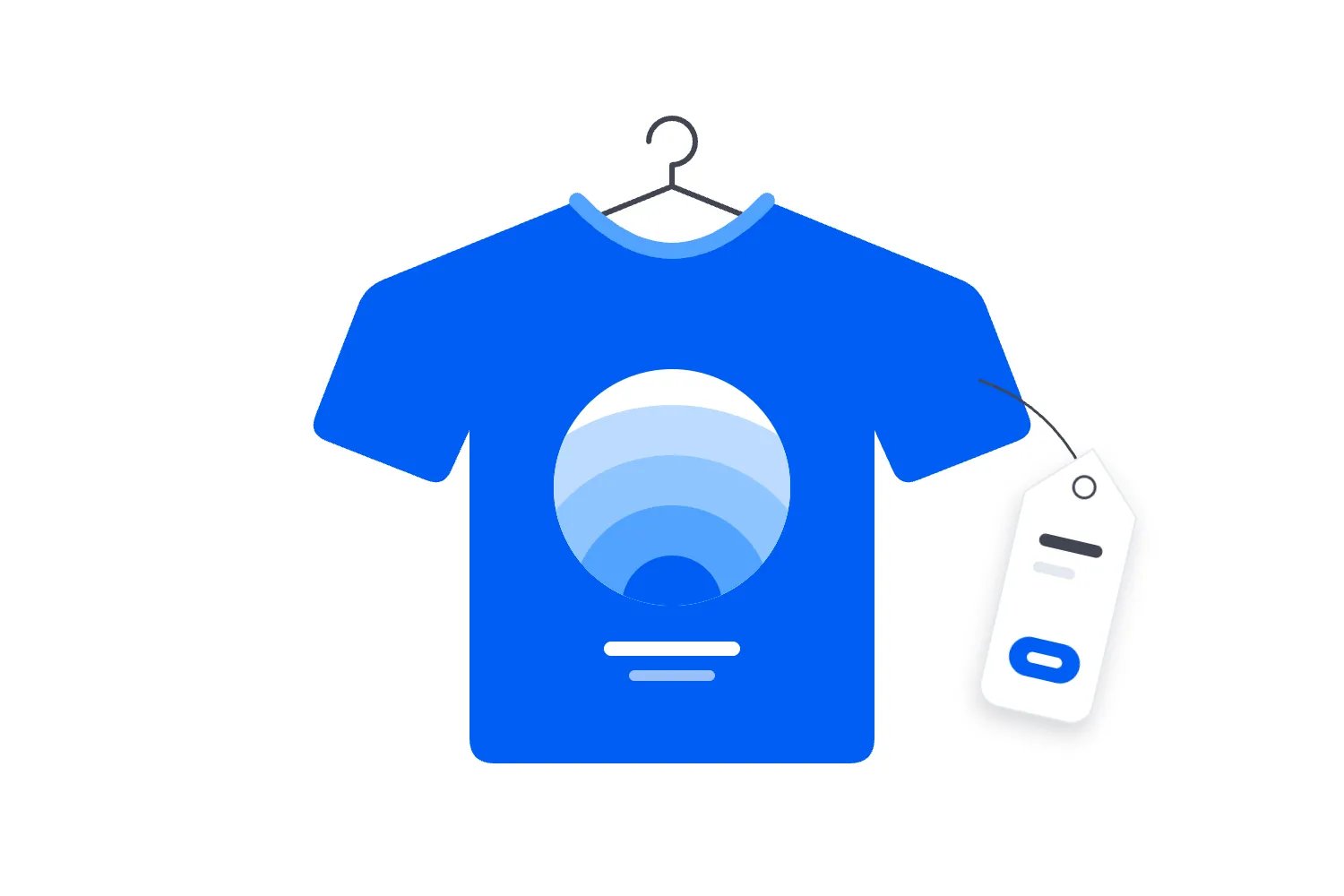
The best event merchandise ideas give buyers something they want to wear, use or keep after the event. Start with a well-designed T-shirt, a collectible print or a useful item that fits your audience, then test the price before ordering stock. A small range people pay for is a better business than a table full of branded leftovers.
So you've sold tickets, booked the venue and started thinking about extra revenue. Merch looks straightforward. Put your logo on something, place an order, sell it at the event. Except the money leaves your bank account before you know whether anyone wants the thing.
That's the decision this guide helps you make. We'll cover which products suit different paid events, how to test demand, how to price and order them, and how to get them into buyers' hands. You'll also get a worked example you can rebuild with your own supplier quotes.
Give people a reason to buy beyond your logo
People who love your event may still dislike your T-shirt. Those are separate opinions.
Think about what they're buying. At a music festival, it might be a reminder of the lineup they watched with friends. At a ceramics workshop, it might be a tool they can use at home. At a specialist conference, it might be a practical workbook with material they couldn't get from the session slides.
Start there. Your event name helps someone remember the experience, but the product still has to earn its price.
Ask whether you'd buy the item without being responsible for the event. Would you wear that design on a normal day? Does the bag feel good enough to replace one you already own? Is the poster something you'd put on a wall?
If the honest answer is no, adding a bigger logo won't help.
Keep merchandise separate from essentials included in the ticket. If attendees need a workbook to follow a paid workshop, include the basic workbook. You can offer an optional take-home edition with extra material, but make the difference clear. Nobody should discover halfway through a session that using their ticket properly costs extra.
The same applies to accessibility and safety. Required protective equipment belongs in your delivery plan. Optional merchandise can add revenue without turning necessary support into an upsell.
Event merchandise ideas worth testing
These are starting points, not a shopping list. Choose the items that fit your event, then give them a reason to exist. You don't need to launch every category.
A T-shirt people would actually wear
A T-shirt is a sensible first test when your event has a recognizable identity. Give the design room to be interesting. An illustrator's interpretation of the venue, a piece of original event artwork or a small front print with the lineup on the back can work better than a huge sponsor collage.
Get a sample. Check the fabric, print position, seams and fit. Wear it, wash it according to its instructions, and see what changes. A mockup doesn't tell you whether the collar twists after washing.
Show buyers the actual garment measurements and explain the fit. Ask the supplier which sizes share the same cut and which use different patterns. Your preorders should capture sizes individually, so you don't end up with a full box of a size nobody ordered.
For US sales, the Federal Trade Commission's clothing and textiles guidance explains the labeling information most textile products need and links to care-label requirements. Confirm the supplier's responsibilities and your own before placing the order.
A hoodie sold mainly by preorder
Hoodies suit outdoor evening events, recurring music brands and audiences who already wear that style. They're also expensive stock to guess on. Every extra size and colour creates another pile you might struggle to sell.
For a first run, I'd show one approved sample and take paid preorders in one colour. Buyers choose their size, you publish the order deadline, and you explain when they'll receive it. Order extra only when you can afford the risk and have a clear reason for doing so.
A hoodie can be your higher-priced item without becoming the centre of the whole range. Let buyers who want it choose it. Don't fill the merchandise table with premium stock just because the unit margin looks attractive.
An illustrated poster or art print
Posters work when the event has something worth remembering visually. A music lineup, a theatre production, an unusual venue or a festival commission gives the artist material beyond your logo.
Offer a print size people can carry and frame. Decide whether buyers receive it flat, rolled or in a protective tube, then include that packaging in the cost. A print that gets crushed on the train home becomes a disappointing purchase.
Numbered editions can make sense when the edition really is limited. Set the quantity before selling and keep the promise. Don't call something a limited edition while leaving yourself free to print another identical batch next month.
A cap with a restrained design
Caps can suit outdoor festivals, sports events and a recurring event brand with a strong following. They avoid the size spread of shirts, but fit still matters. Adjustable doesn't mean comfortable for everyone.
Check the fastening, embroidery, shape and material on a sample. A small mark can make the product easier to wear beyond event day. Think about the whole cap rather than treating it as a blank space for your logo.
Avoid making a health-protection claim just because it has a brim. If you want to describe a product's tested protective properties, obtain evidence for that exact product and use accurate wording.
A tote bag that carries something useful
A tote makes more sense at a book event, food festival or maker fair where buyers are already picking up items. The purchase solves a recognizable problem.
Check the handles, capacity and stitching under a realistic load. A thin bag that looks acceptable empty can be a poor product once someone puts books or jars inside. Give it a design buyers want to keep using and explain its dimensions.
Don't automatically describe a tote as sustainable. The FTC's Green Guides summary warns against broad, unqualified claims such as eco-friendly. Describe a verified material or construction detail instead of promising an environmental benefit you haven't established.
Pins, patches and small collectibles
A pin or patch can suit a repeat event where returning buyers recognize a symbol, character or design. A different edition for each event gives the series continuity without making every product look identical.
The selling price still needs to cover the work involved. A cheap item can take as long to explain and charge for as a shirt. Display small products clearly and consider a simple set when it makes the purchase easier.
For family events, check whether the product is appropriate for the intended buyer. Small parts and sharp fastenings need proper product-safety attention. Don't treat an adult collectible as a children's toy because the artwork looks playful.
A workshop kit that supports the next step
Paid cooking, craft and creative workshops can sell a useful take-home kit. Think of a recipe collection with specialist ingredients, a sewing pattern with the right materials, or a sketching kit that matches the techniques taught.
The useful question is what attendees will struggle to source after the class. Solve that problem without promising results the kit can't deliver. Show the contents, quantities and intended use before taking payment.
Keep food, cosmetics and other regulated products out of your first experiment unless you have the right supplier and handling arrangements. A kit is attractive when it makes someone's next attempt easier. It shouldn't create a product category your team isn't ready to manage.
A workbook or notebook with real content
A notebook with your conference logo is competing with every notebook the buyer already owns. A workbook with exercises, useful examples and space to apply the material has a clearer reason to buy.
Ask speakers or facilitators what could genuinely help after the event. Agree permission and payment for their content. Review the draft for accuracy and print a sample before ordering the run.
For a business conference, avoid turning the workbook into a sponsor directory with a few blank pages. Buyers can recognize when they're paying to carry someone else's advertising.
An artist collaboration
A local artist's print, ceramic piece or wearable design can fit a cultural event particularly well. The collaboration gives buyers something distinctive and gives the artist a commercial role beyond creating promotional artwork.
Agree who owns the artwork, where you can reproduce it, how long permission lasts, how the artist gets paid and whether unsold goods can be sold later. Approval should happen before manufacture, not while the printer is waiting.
The US Patent and Trademark Office's explanation of trademarks and copyright separates brand identifiers from creative works. Your performer booking or design commission shouldn't be assumed to include merchandise rights. Get the relevant rights in writing for your actual arrangement.
A genuinely useful bottle or cup
A reusable drink container can suit an outdoor event or wellness audience, provided people can actually use it. Check the venue's container rules, refill access, product construction and supplier documentation first.
If the event requires a particular cup system, explain whether the cup is included, bought outright or covered by a refundable deposit. These are different offers and need different accounting.
An optional souvenir bottle should stand on its own quality. Don't make buyers pay for it to access drinking water, and don't describe an untested item as food-safe based on a supplier's casual assurance.
A simple bundle
A shirt and poster can make sense together when someone wants both. A bundle should make the decision easier and leave you with enough money after both products' costs.
Show the contents and the separate prices accurately. If the poster has never genuinely sold at the claimed comparison price, don't invent a saving. Include any extra packaging and collection time in your calculation.
For your first event, keep the bundle simple. Mixing apparel sizes, several colours and unrelated gifts makes collection harder and ties up more stock. Two strong products are plenty to test whether buyers like the combined offer.
Test the product and the price before ordering
The first thing you want to do is show buyers a real offer. A poll asking whether people like merchandise gives you an opinion. A paid preorder tells you whether someone will buy this product at this price under these delivery terms.
Start with existing ticket buyers or people who have attended your previous events. Show the approved sample or clearly identified sample imagery, name the product, state the price and give a collection or delivery date.
Ask a narrow question. Would they buy this design in this garment at this price? If you only ask whether they'd like a festival shirt, you won't learn much about your actual order.
Track how many people saw the offer, how many bought, which sizes they chose and what they asked before paying. Treat those results as evidence about that audience and offer. They don't establish a permanent purchase rate for all future events.
If you use an interest list before taking payment, keep the distinction visible. A sign-up is useful for deciding what to sample. It isn't money available to pay your supplier.
You can reach relevant ticket buyers through Loopyah's attendee email tools, which support choosing audiences by ticket and purchase information. Send the merchandise offer to an appropriate group and keep its collection instructions separate from general event reminders.
Set a decision deadline linked to your supplier's schedule. Work backwards from the date stock must arrive, allow time to inspect it and correct problems, then set the preorder cutoff. Don't use the delivery date itself as your inspection date.
If a minimum order depends on enough buyers committing, explain that condition before payment. Tell buyers when you'll decide, what happens if the minimum isn't reached, and when any refund will happen. Keep money needed for refunds available.
Work out what you keep, then what you must sell
The supplier's unit price is only the beginning. Ask for a complete quote covering the blank product, printing, setup, packaging, freight and any applicable import charges. Separately estimate payment costs, sales staff, storage and handling.
Decide whether a venue or artist takes a share of merchandise sales. Read the agreement before setting the selling price. A percentage deducted from sales can change the result even if your supplier quote stays the same.
Keep tax treatment consistent in your calculation. Money you collect for tax isn't money you keep. Use your accountant's advice for the markets and products you're selling rather than borrowing the ticket's tax treatment automatically.
Here's an illustrative example, using dollars purely to make the calculation easy. These aren't supplier quotes or an industry benchmark. Assume all figures use the same tax basis and any required taxes have already been handled consistently.
You order 100 shirts at a landed cost of $12 each. That costs $1,200. Artwork, setup and extra sales labour together cost $300. Your total outlay is $1,500 before any shirt sells.
You sell each shirt for $30 and allow $2 per sold shirt for payment and handling costs. Each sale therefore leaves $28 available to recover the batch outlay.
Divide $1,500 by $28. You need to sell 54 shirts to recover those modeled costs, rounding up because you can't sell part of a shirt.
At 40 shirts sold, revenue after the modeled selling costs is $1,120. You're $380 short of recovering the batch outlay. At 60 sold, you're $180 ahead. At 80 sold, you're $740 ahead. If all 100 sell, you're $1,300 ahead.
Those results already charge the full purchased batch against sales. Don't deduct the unsold shirts again in this particular calculation. Equally, don't call the remaining stock available cash or assume you'll sell it later at full price.
For accounting, you may treat unsold inventory differently from this cash recovery example. Ask your accountant how to value it and record it. Here, the decision is whether sales have returned the money you already spent, so the full batch purchase stays in the calculation even while some shirts remain unsold.
Your situation may include costs this simplified example doesn't. Add them before trusting the result. The purpose is to show how sales volume changes what you keep, rather than presenting a shirt price every organizer should use.
Now put that merchandise outlay in your event budget. It competes with real bills due before the event. A profitable-looking batch can still be the wrong purchase if it uses cash you need for production or refunds.
Our guide to checking event profit explains why strong sales alone don't tell you whether the whole event made money. Merchandise needs the same discipline. Report what sold and what you kept, including the costs that made those sales possible.
Choose how much inventory risk you're willing to carry
Paid preorders give you the clearest starting point for quantities and sizes. They're especially useful for expensive apparel and products tied to a specific date or lineup.
A small batch for on-site sales makes sense when spontaneous purchases matter and you can afford leftovers. It also lets buyers feel the material and check the fit. Decide the maximum loss you're prepared to accept before increasing the order.
Print on demand can reduce the amount of finished stock you hold, but compare the complete delivered cost and the buyer experience. Check a sample, production times, shipping charges, returns responsibilities and what happens when an order fails. Removing the stockroom doesn't remove your promise to the buyer.
Consignment or an artist's own stock can suit collaborations. Agree who owns inventory, who takes payment, who covers damage, what records both parties receive and when you settle. A friendly arrangement still needs clear terms.
For dated merchandise, be cautious about plans to sell leftovers at the next event. Last year's lineup shirt may retain appeal, but it may also need a discount. Undated designs can travel across a recurring series more easily, provided the design is good and the stock stays in sellable condition.
Set quantities by variant. A total order of 100 shirts tells you little if you don't know the sizes. Don't copy a generic size distribution and present it as knowledge of your audience. Use paid orders and your own previous sales, then mark whatever remains as a guess.
Before approving manufacture, confirm the actual product specification, artwork proof, delivery destination, deadline, inspection process and remedy for defects. Keep the supplier's written acceptance with the order.
Make the purchase and collection easy
Throughout the buyer's experience, they'll hit different moments to buy. Someone may order a hoodie before the event, notice a poster after a performance or buy a shirt while leaving. Plan those moments around the event rather than interrupting it.
Show a physical sample, readable prices and the available sizes. If people have to ask the same basic questions repeatedly, your display is doing too little work. Keep the range short enough for staff to understand and recommend.
Place merchandise where buyers can stop without blocking admission, exits or the accessible route. Agree the location with the venue team. A busy doorway can make a popular merchandise table a problem for everyone else.
Give prepaid collection its own clear process. Buyers need to know where to go, what proof to show and whether someone else can collect for them. Staff need a record that marks each order fulfilled so the same purchase doesn't leave twice.
Separate prepaid stock from stock available for new purchases. A seller shouldn't accidentally sell the last reserved medium shirt to a walk-up buyer. Count what arrives, what is reserved and what remains available before opening.
For new on-site purchases, Loopyah supports selling merchandise through Tap to Pay on an iPhone or Android phone, with buyers tapping their card or phone. Confirm your device and payment setup before event day and run a test transaction through the process you'll actually use.
Payment collection is one part of the job. You still need clear product choices, stock counts and a fulfillment record suited to your range. Verify the exact functions your setup provides before promising buyers online size selection or automated stock reservation.
Give one person responsibility for exceptions. If a size is wrong, a payment fails or a buyer cannot find their order, sellers should know who decides what happens next. That keeps the queue moving without leaving customers to repeat the story to three people.
After closing, compare orders, payments, fulfilled items, refunds and remaining stock. Investigate differences while staff can still remember the shift. Don't carry an unexplained stock gap into the next event and call it close enough.
Write the delivery and returns promise before you sell
Say exactly what buyers receive, what it costs and how they'll get it. If the image is a mockup rather than a finished item, label it. Include dimensions, sizing or contents wherever they affect the purchase.
For collection, name the place, operating hours, order identification and policy for missed pickup. For shipping, state the charge, destination limits and a delivery or shipment promise you can support. These details belong before payment and in the confirmation.
For US internet merchandise orders, the FTC's Mail, Internet, or Telephone Order Merchandise Rule guide explains the need for a reasonable basis for shipment promises and the steps required when you can't ship on time. Read the applicable guidance before taking preorders, particularly if a supplier's schedule is uncertain.
For UK sales, GOV.UK's returns and refunds guidance explains distance-selling cancellation rules, exceptions and rights relating to faulty goods. Check your specific sale. An event-branded product isn't automatically personalized to its individual buyer, and a ticket's terms shouldn't simply be copied onto merchandise.
Decide how your policy handles a cancelled event, late supplier delivery, defects, incorrect sizes, missed collection and a buyer who no longer attends. Keep product orders distinguishable from admission so you can deal with each promise correctly.
Give buyers a real contact route and tell staff where to direct problems. A designer, printer or shipping partner might cause the failure, but the customer bought the offer you presented. Assign someone to fix it.
Send suppliers a brief they can quote properly
Before you compare suppliers, write down the same specification for all of them. Otherwise, the cheapest quote might cover a lighter garment, a smaller print or delivery after your event.
You can use this request as your starting point. Replace the details with your actual product and ask suppliers to identify anything they cannot confirm.
Product and finish: the exact garment or item, material, colour, print locations and print method.
Quantity: the total and the breakdown by size or other variant, plus the minimum order for each.
Sample: cost, delivery date and whether the final run will match the approved sample.
Complete price: production, artwork preparation, setup, packaging, freight and any other charges.
Delivery: destination, latest acceptable arrival date and the consequences of missing it.
Quality: what counts as a defect, when you can report it and how replacement or refund works.
Reorder: minimum quantity, price and realistic lead time if the first batch sells.
Ask when you must approve artwork and pay the deposit. Put both dates beside the rest of your event's commitments. If the deposit is nonrefundable, that risk starts when you pay it, even if the stock hasn't arrived.
Make the brief specific enough for someone else on your team to approve delivery. If only you know what the product was supposed to look like, every problem comes back to you on an already busy event day.
Decide what to do if sales fall short
Write a fallback plan while you can still make a calm decision. If preorders are weak, your best move may be to cancel the proposed run under the terms you gave buyers, refund them and test a better offer later. A supplier discount doesn't turn weak demand into strong demand.
If you've already ordered stock, choose what you can change. Better display, clearer sizing information or a more convenient collection point can remove a genuine buying obstacle. Ask staff what buyers are saying before cutting the price.
A price reduction can help recover cash, but calculate it first. In the shirt example, lowering the price to $20 while keeping the $2 selling cost means each sale leaves $18. Recovering the same $1,500 outlay now requires 84 sales. The lower price has to produce enough additional buyers to make that decision useful.
Also consider the people who bought earlier. You don't have to promise a permanent price, but an immediate unplanned discount can leave loyal buyers feeling foolish. Avoid making full-price preorder customers watch you clear identical stock cheaply before they've collected theirs.
For remaining stock after the event, count it, inspect it and choose a next action. You might sell an undated item through the next event, offer a clearly priced clearance or agree another route with the artist. Check rights and agreements before changing the sales channel.
Don't let leftovers sit in a cupboard without an owner or review date. Storage takes space, and next year's organizer needs to know whether those boxes are sellable products, reserved orders or damaged goods. Close the first run properly before approving another one.
Review the first run before making the next one bigger
Once the event is settled, look at each product separately. Record units ordered, paid units sold, refunds, defects, remaining stock, all costs and the money left after those costs.
Check the size and colour breakdown as well as the product total. A shirt can sell well overall while one variant sits untouched. Your next order should reflect that difference.
Read customer questions and complaints alongside the numbers. Repeated questions about fit point to missing information. Missed collections may point to poor signage or confusing confirmation emails. Returns can expose a product problem that sales revenue hides.
Keep observations modest. If a poster sold well after the headline act, that's a useful idea to test again. It doesn't prove every buyer at every event wants posters. Compare similar events and change one meaningful part of the offer at a time.
Then decide whether to repeat, change or stop each item. Selling fewer products is a good decision when it releases cash and staff time for something that earns more.
Start with merchandise your audience has a reason to own, take the product quality seriously and test what people will actually pay. Order against that evidence, make collection simple and count the costs properly. That's how merchandise becomes useful event revenue instead of another box you have to store.

Author: By the Loopyah Content Team
The Loopyah Content Team shares expert insights, practical guides, and industry updates to help event organizers create unforgettable experiences and stay ahead in the event planning world.