· 28 min read
How do you train temporary box-office staff for your event?

You've agreed the ticket prices, written the refund policy and hired people to sell at the door. Then a buyer asks why their friend paid less, another wants a refund, and a third says the payment went through even though the screen is still loading. Your temporary seller has to respond while the queue watches.
This is where a general welcome briefing stops being enough. Temporary box-office staff training needs to connect your policies to the conversations and transactions people will handle today. Show sellers how to quote the complete price, recognise a request they can resolve, and reach someone who can decide an exception. Then watch them practise using the actual instructions and equipment.
You don't need to turn every seller into a refund specialist. You do need to remove the pressure to guess. A short working brief, clear permissions and realistic practice will help your team explain the offer consistently without inventing discounts or promising money they cannot authorise.
Below, we'll build that brief, work through difficult buyer conversations and follow a fictional box-office shift. The examples are deliberately specific so you can adapt them. Their prices, people, policies and timings are invented training assumptions, not recommended terms, staffing standards or examples of Loopyah fees.
Settle the commercial decisions before you train anyone
The first thing you want to do is check what a buyer has actually been offered. Open the ticket page, the checkout, the confirmation email and the signs you're putting at the venue. Compare the event date, ticket descriptions, current prices, compulsory charges, optional extras and refund wording. Staff cannot explain a consistent offer if those materials disagree.
Resolve the disagreement with whoever owns the commercial decision. Perhaps an old advert still shows an advance price after that release has closed. Perhaps the ticket page includes a workshop while the box-office list treats it as an extra. Don't hand both versions to a seller and ask them to use their judgment when someone complains. Correct the materials and decide how existing buyers will be treated.
Write down which decisions remain open. If you haven't confirmed whether a particular ticket is available at the door, that ticket cannot quietly become part of the sales briefing. Name the person who will confirm it and explain what staff should do until then. A pending decision needs an interim instruction that the sales team can follow.
Your event team briefing should already explain positions, event timings, safety arrangements and who leads each area. The box-office training adds the commercial detail needed by the people taking payments and answering purchase questions. Keep the two documents consistent, especially where selling a ticket and admitting its holder involve different people.
Also distinguish a voluntary commercial policy from a buyer's legal rights. A rule about change-of-mind requests doesn't settle every cancellation, misdescription or service failure. Have the responsible person review the terms for the markets in which you sell, then translate the result into usable staff instructions. Your temporary sellers should recognise those cases and refer them, rather than interpret consumer law at the counter.
Give sellers a short brief they can use during a conversation
A policy document can explain the reasoning and full terms. The seller's working copy needs the answers they will look for while a buyer waits. Organise it around the sale, the request and the next person to contact. Keep a link to the underlying approved policy for whoever investigates a disputed case.
Use exact ticket names. If the checkout calls a product "Friday evening admission", don't shorten it to "standard" on the desk sheet when you also sell a Saturday standard ticket. Include the date and session wherever a similar name could cause a wrong purchase. Explain the benefit a buyer receives, not just the category code in the system.
The brief should also identify its owner, version and issue time. Put the current copy where each working seller can reach it. If you provide a printed sheet, decide who replaces it when a price or instruction changes. If you use a shared document, confirm it can be opened at the venue. A link in an old email isn't a reliable working arrangement on its own.
Copy these prompts into your box-office brief
Event and sales period: name the exact date and session, venue, selling location, opening time and sales cutoff. Identify any period when sales must pause.
Tickets for sale: give the exact names, dates, inclusions, restrictions and current availability source. List products that must not be sold at this desk.
Buyer prices: state the complete amount to quote, currency, any genuine choices that change it and the approved explanation of each charge.
Payment and ticket delivery: list approved methods, how success is confirmed, where the receipt and ticket appear, and what to do when the outcome is uncertain.
Routine permissions: describe what the seller can complete without further approval. Include any supported corrections they are authorised to make.
Refund and complaint route: explain what the seller checks, what they may tell the buyer, and who decides or processes the next action.
Exceptions: name the decision-maker, their contact route, the backup and how cover transfers. State which actions require an explicit decision before proceeding.
Records and shift cover: identify where cases are recorded, which details belong there, how open work transfers and who confirms the desk can close.
Fill those prompts with decisions before distributing the brief. "Ask management" is incomplete when nobody knows who is answering. "Refunds as per policy" is equally weak if the policy doesn't explain which part applies to the request in front of the seller.
Keep safety and emergency instructions accessible through the wider event arrangements. Commercial escalation must never delay an urgent call for help. Britain's HSE says workers need clear information, training and supervision, including people with particular training needs such as new recruits. That guidance concerns health and safety in Great Britain. Your sales practice supplements the relevant venue and safety induction; it doesn't replace it.
Teach the complete price before explaining its parts
Begin practice with the sentence a buyer needs to hear. "One Friday evening ticket is $60 in total" is clear when $60 really is the complete amount due for that purchase. Make sure the screen and signage support the same explanation. If a buyer selects an optional extra, confirm the revised total before asking them to pay.
Then teach the explanation of any price difference. Advance and door prices may differ under your published offer. A group purchase may have particular eligibility conditions. Staff need to locate the current offer and check the conditions before promising a lower price. Don't make them calculate a discount from memory while the system shows something else.
For covered US live-event ticket sales, the FTC's fees rule guidance explains that displayed prices must include known, calculable mandatory charges. Its limited exclusions include government charges, shipping and optional extras, with required disclosure before payment. The rule also applies to offers at physical locations. Train staff using the requirements that apply to your event and market; a handwritten box-office sign isn't outside the pricing rules simply because the sale happens face to face.
Your internal accounting and the buyer's price are different questions. You may choose to absorb a platform fee or have buyers cover it where permitted. Staff still need the actual amount the buyer will pay and an accurate description of the arrangement. They shouldn't tell someone a compulsory charge is optional, tax or a venue requirement unless that is true.
Loopyah lets you choose whether to cover the ticket fee or pass it to buyers for an event. Check the setting you've actually selected and the resulting buyer total when preparing your brief. The platform setting doesn't decide how every advert, sign or spoken price must be presented under the rules that apply to your sale.
Rehearse a quantity change too. A seller may quote one ticket correctly, then overlook an extra item or a different ticket type when a group buys. Ask them to repeat the event, date, quantities and final amount before payment. This is a useful point to catch an accidental purchase, rather than discovering it after tickets have been issued.
If the displayed amount looks wrong, give staff a clear pause instruction. They should contact the lead and preserve the details needed to investigate. They shouldn't repair the discrepancy by inventing a coupon, taking a separate personal payment or promising a later adjustment. Agree the correction through the supported sales process before continuing with the affected product.
Separate a refund request from permission to send money
"Can I have a refund?" can describe several different problems. Someone may have changed their plans, bought for the wrong date, been charged unexpectedly or found that part of the promised event is unavailable. The seller's first job is to understand which problem the buyer is reporting. A rehearsed refusal won't establish those facts.
Teach a simple opening that doesn't decide the outcome. "Tell me what's happened, and I'll check the right route for this booking." Then ask for the event date and session, and the reference your booking lookup uses. Confirm the person's authority through your verification process before disclosing booking details or making a change. Possession of a screenshot alone shouldn't become an improvised verification rule.
The seller can explain the relevant published information and describe the next step within their role. Whether they can approve or execute a refund is a separate decision. At some events those responsibilities will belong to the box-office lead. At others they will sit with a support or finance person. Identify the arrangement and test that the authorised person has the necessary system access.
For Australian events, the ACCC's guidance on selling event tickets explains that consumer rights can require refunds where an organiser chooses to cancel or makes a major change. Other circumstances depend on their facts. That's why a blanket "all sales final" response is poor training. Give staff a route for cancellation, change and service-failure concerns, with a person who can assess the applicable rights.
Your event refund policy guide can help you think through the underlying policy. The shift brief needs the approved result for this event, including how staff distinguish ordinary requests from disputes that require review. Don't make every temporary seller work through the entire policy-design process while a queue forms.
Use precise status words in practice. A request recorded for review isn't approved. An approved amount hasn't necessarily been submitted. A submitted refund may still be processing. The person talking to the buyer should describe the status they can verify and give the next update route. Avoid promising a bank completion date without a reliable basis for that transaction.
Where an event has enabled a self-service refund window, show staff the actual buyer route and configured conditions. Loopyah supports a refund window for a set time after purchase. Its existence doesn't resolve every request outside that window or remove rights that apply independently. Staff still need a way to refer an unresolved case.
Decide how exceptions reach someone who can act
Sellers need permission to be helpful without permission to rewrite your offer. Agree which corrections they can complete, which require a lead and which belong with another specialist. Keep the boundary concrete. "You can explain the current price and sell the available ticket" is different from "You can honour any price a buyer says they saw."
Define an exception by the decision needed. A disputed advert needs someone to check what was published and what remedy is appropriate. A claimed complimentary admission needs the approved guest record or an authorised decision. A request involving unavailable accessible provision needs the responsible access and event leads. The seller should know who accepts each kind of case.
A spending limit alone doesn't give enough direction. A supervisor allowed to approve a goodwill adjustment up to a stated amount still needs the conditions, recording requirements and limits of that permission. Such a limit must not be used to cap a buyer's legal entitlement or substitute for a decision about safety, accessibility or capacity.
Name a backup with real cover arrangements. If your lead is taking a break, tell the sales team who now answers and when responsibility returns. Don't list the event owner as backup if they will be on stage and unreachable. The useful test is whether a seller can get an actual decision during the period they are expected to sell.
When the lead doesn't answer, the seller needs an honest interim response. They can explain that the request is awaiting review, confirm how the buyer will receive an update and use the agreed backup route. They shouldn't promise entry, invent a refund or keep the buyer at the counter indefinitely under the suggestion that an answer is seconds away.
At a busy event, the attendee help desk may accept investigations so routine sales can continue. Agree the transfer with the people staffing it. The buyer needs a receiving person, an explanation of what's already been checked and a next step. Pointing towards an unstaffed table transfers the frustration without transferring the work.
Demonstrate the transaction on the equipment people will use
A slide showing a checkout screen isn't enough preparation for a seller who has never used the device. Have them locate the correct event, find the ticket, check the quantity, explain the total and follow the approved payment process. Use a supported demonstration or test arrangement so practice doesn't create unintended real sales or refunds.
Check access for each assignment. A person scanning tickets may need different access from someone taking payments or investigating orders. Don't assume that the words "door staff" grant every box-office action. Loopyah provides check-in-only access for scanning, and you can add team members without sharing an owner's login. Verify the separate access and device setup required for the selling job you're assigning.
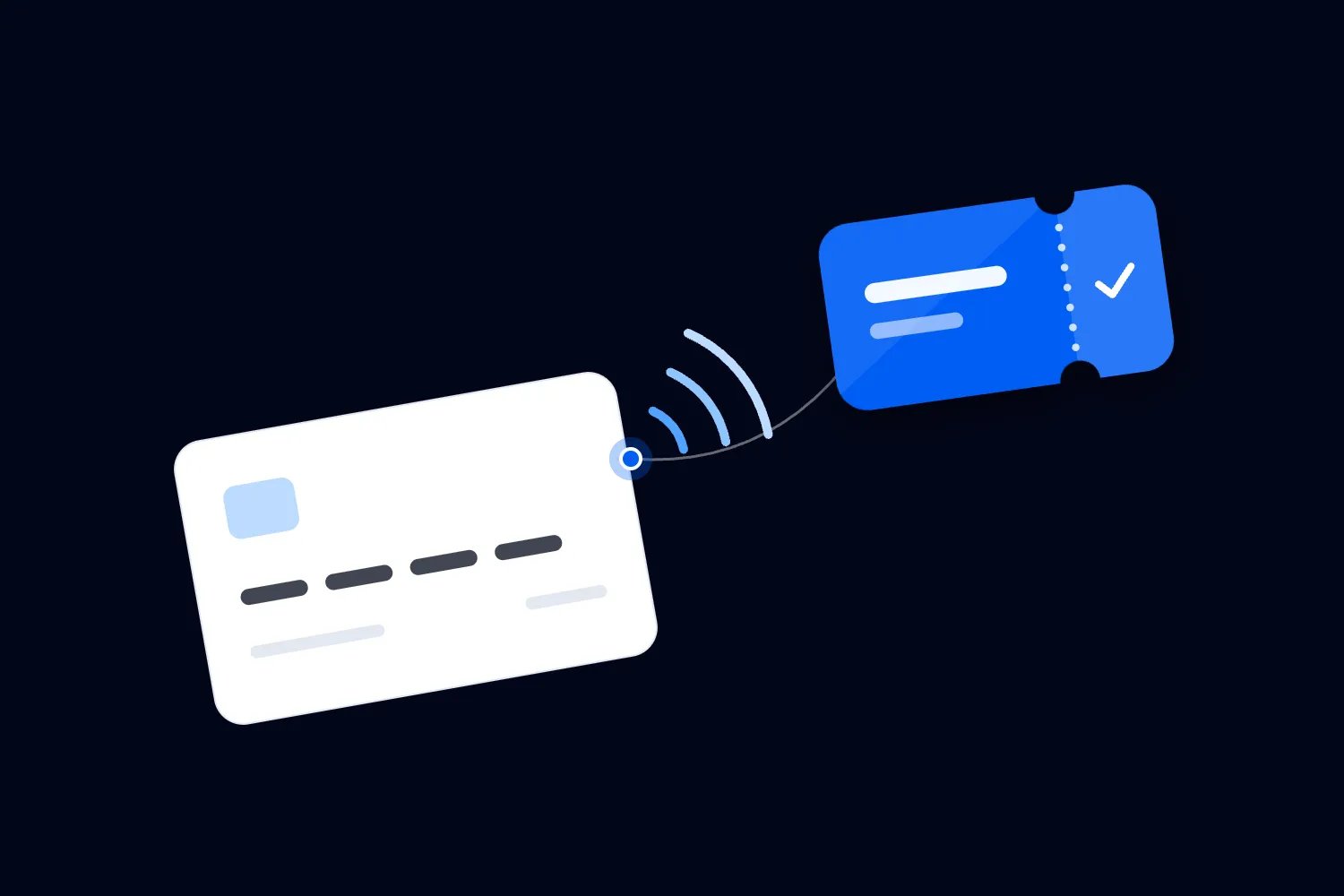
For sellers using Loopyah, the In-Person Checkout guide describes selling tickets through Tap-to-Pay in the mobile app, with the buyer tapping a card or phone and a ticket issued instantly. Walk through the supported flow for your actual setup. Also agree how the admission team checks the issued ticket; accepting payment and confirming entry are distinct tasks.
Show staff what a successful sale looks like in the records they are authorised to view. Then show what to do when the outcome is unclear. A spinning screen, an error message or a buyer's bank notification shouldn't trigger an automatic second charge. The lead needs the approved way to establish the transaction status before deciding whether to retry.
Practise a failure at the actual selling position. Confirm the contact route, charging arrangements and approved alternative if the device or connection fails. Don't teach an unverified offline method simply because it sounds convenient. Where no authorised fallback is available, explain who pauses the affected sales and what staff tell waiting buyers.
Set a firm boundary around payment details. The PCI Security Standards Council states that card verification codes must not be stored after authorisation, even if encrypted. For your desk, prohibit writing card details in a notebook or crew chat as a way to charge someone later. Use the approved payment equipment and process, with your provider's instructions governing any permitted alternative.
If the event accepts cash, train that process separately. Cover the starting amount, receipt, change, secure storage, authorised transfers and closing reconciliation. If it doesn't accept cash, give staff the approved explanation and any lawful, agreed alternative. Either way, a seller should never use their own account to collect an event payment or fund a refund.
Practise the conversations that tempt people to guess
Once you've demonstrated the ordinary sale, give each seller a buyer role to respond to. Ask them to explain what they would say, what they would check and which action they can actually take. Let them use the working brief. You're checking whether the instructions work in practice, not whether someone can memorise a paragraph under pressure.
The buyer says a friend paid less
Start with a real difference the brief already explains, such as an earlier ticket release. A useful reply names the current offer without dismissing the buyer. "That was the advance release. Today's door ticket is $60 in total. If you're looking at a different current offer, I can ask our lead to check it before you pay."
Now change the exercise. The buyer shows a current advert with another price and no clear expiry. The seller shouldn't assume it is old or accuse them of misunderstanding. They should preserve the relevant advert reference through the approved process and contact the decision-maker. Your team may need to correct a misleading offer, rather than win an argument about it.
The buyer asks for a fee to be removed
The seller should explain the total and what the charge actually covers, using the current brief. If they lack permission to vary it, they say so plainly and offer review where appropriate. They don't tell the buyer that the platform, card network or government has forbidden a waiver unless that specific explanation is accurate.
For the fictional $60 ticket, they might say, "The full price is $60, including all compulsory charges for this admission. I can't change that price myself, but Priya can review your question." Add the accurate explanation of any itemised charge your event actually makes. Don't invent a fee description to complete the script.
Ask the seller what happens if the screen shows a charge missing from the sign. The correct response needs investigation and an agreed correction. It shouldn't be a confident speech defending a fee nobody included in the displayed offer. This exercise checks your pricing materials as much as the employee's wording.
The buyer cannot attend and wants their money back
Have the seller check which event, purchase and reason are involved. They can explain the published voluntary terms and any available supported buyer options, then refer anything outside their authority. "I can show you the refund route for this booking. If that doesn't address what's happened, our box-office lead can review the request."
Don't train sellers to push credit or another ticket as the only response to a refund entitlement. Any alternative needs to be appropriate, accurately explained and genuinely accepted where required. A buyer shouldn't have to escalate repeatedly merely to get their original question considered.
The buyer says the event has changed
This needs different treatment from a simple change of plans. Ask the seller to identify the reported change and find the current approved information. If the headliner, session, access arrangement or promised inclusion is disputed, route the facts to the person responsible for reviewing that kind of complaint.
Practise a holding reply that recognises the concern without inventing a legal answer. "You're asking about the change to the programme. I'll ask the lead handling those requests to review this booking. Let me confirm where you can speak with them and what information they need." Staff should never conceal a known change to complete a sale.
The buyer thinks they have paid twice
The seller should stop another attempted charge and follow the approved status-check route. They should distinguish the buyer's report from a confirmed duplicate transaction. An order confirmation, ticket and bank entry describe different parts of the purchase, so the authorised investigator needs to connect them before choosing a correction.
Our guide to duplicate ticket purchases explains that investigation in detail. Temporary staff need to recognise the case, record the relevant reference and contact the person handling it. They shouldn't cancel the newest order by instinct or refund cash against a card entry they haven't verified.
The buyer claims a private discount or complimentary ticket
Give the seller a plausible request involving a familiar performer, sponsor or organiser. The buyer may be completely sincere. The seller still needs the approved list or a decision from the authorised person. Knowing someone's name doesn't establish the terms of an arrangement or which session it covers.
A useful response is, "I'll check the arrangement before creating the ticket. Who confirmed it, and which session was it for?" Keep that conversation polite and discreet. If approval arrives, use the supported issue process and the required record. Don't let a verbal promise turn into an unrecorded admission.
The ticket has sold out while the buyer waits
Ask the seller to check the current inventory rather than rely on the number they saw earlier. Explain who can release any legitimate held inventory and how the sale is confirmed. Neither pressure from the queue nor an earlier expression of interest gives the seller authority to exceed capacity or sell an unavailable entitlement.
If an alternative session exists, explain it accurately and let the buyer decide. Don't sell a different date under the assumption that the door team will sort it out. The seller must confirm the event date and session before payment, especially when the alternative has a similar name and price.
The lead is unavailable and the buyer is getting upset
This exercise tests the backup contact and the seller's boundaries. They should acknowledge the problem, explain the next action and use the agreed cover arrangement. If nobody can decide immediately, say what will happen next and how the buyer will hear back. Avoid making up a completion time just to end the conversation.
Keep threats and urgent welfare concerns separate from an ordinary complaint. Follow the event's agreed security and emergency procedures when needed. Staff should know how to summon help and maintain their own safety, without making a refund or admission promise as the price of getting assistance.
Make the conversation accessible and the record discreet
Include a practice case where the buyer needs a different way to communicate. Ask how you can help, address the buyer directly and use the support your event has arranged. A written price may help one person; another may need it explained aloud or require a different communication aid. Staff shouldn't assume a companion should take over.
The US Department of Justice's effective communication guidance explains that covered businesses must consider the circumstances and the person's communication needs. A short purchase and a complex complaint can require different support. Brief the actual arrangements for your event and jurisdiction, including how staff obtain help with an unexpected request. Don't make temporary sellers decide those obligations alone.
Position screens and paperwork so the next buyer cannot read another person's booking. Keep payment details and sensitive circumstances off open radio channels. Sellers need an approved way to verify and locate a purchase, but that doesn't justify asking someone to announce their full contact information across a crowded foyer.
For a case record, begin with the event date and session, booking reference, reported issue, current status, next owner and update arrangement. Add personal detail only where the investigation requires it. Record what happened in neutral language. "Buyer reports two charges; status awaiting check" is more useful than "difficult customer demanding money."
The UK's ICO describes data minimisation as keeping personal information adequate, relevant and limited to the purpose. Its guidance is under review following legislative changes. Check the requirements that apply to your operation, and give staff a specific approved place for case information rather than leaving them to choose a personal chat or notebook.
Follow a fictional shift through the awkward moments
River Room Sessions is an invented paid music evening on 4 December 2026. The example uses USD throughout, with every stated ticket total assumed to include all applicable buyer charges. The organiser has already reviewed the event's terms and selling arrangements separately. These assumptions illustrate the training method; they don't establish suitable prices, legal terms or staffing for another event.
The advance release was $54 per admission and closed at 16:00 local time. Door sales open at 17:00 at $60 per admission, subject to current availability. The performance begins at 18:00. Sellers use the same local clock. There are no desk-sold extras in this example, so two door admissions cost $120 in total.
Priya leads the box office. Alex and Nia sell tickets using their assigned accounts and verified devices. Theo provides the agreed break cover after receiving the same training. Priya decides commercial exceptions and uses the authorised refund process. Sam, the event lead, accepts that responsibility only during an explicit cover handover. None of the temporary sellers may approve a refund or create an unlisted discount.
The working brief is version 3, issued by Priya at 15:30. It identifies the refund review route, the approved transaction-status check and the separate admission lead. Priya demonstrates the sale and then watches each seller practise the difficult cases. Any real-payment checks use the organiser's approved procedure. Practice records are clearly distinguished from live purchases.
A price disagreement before payment
At 17:10, a buyer tells Alex that a friend paid $54. Alex checks that the friend bought the advance release, explains that door admission is now $60 in total and asks whether the buyer wants to proceed. The buyer agrees. Alex confirms the date, one admission and the $60 total before following the payment process.
If the buyer had instead shown a current advert with an unexplained $54 price, Alex would have contacted Priya before charging. The training doesn't say every lower-price claim is wrong. It says the seller checks the facts and refers a discrepancy they cannot resolve. That protects the buyer and prevents a confident but unsupported refusal.
A payment whose outcome is uncertain
At 17:22, Nia starts a two-ticket purchase for $120. The buyer taps, but the device doesn't show a clear result. Nia does not ask them to tap again. She tells the buyer the outcome needs checking and contacts Priya through the agreed route, with the reference the approved process provides.
Priya confirms through that process that the original payment succeeded and the two tickets were issued. Nia verifies the buyer has the correct tickets and directs them through the ordinary admission check. The case records one $120 sale and no retry. In a different outcome, Priya would follow the provider's supported next step; the seller wouldn't choose it from the bank notification alone.
A refund request during a cover period
At 17:35, Priya hands exception responsibility to Sam and tells the sellers how to reach him. A buyer then approaches Alex about an accidental extra admission in an earlier purchase. Alex verifies and records the request through the approved process, checks for an existing case and transfers it to Sam. He doesn't promise a refund while waiting.
Sam investigates and approves a $60 refund of the identified unused admission under the example organiser's policy. He uses the supported process, confirms that this ticket no longer permits entry and checks that the other tickets in the booking remain unchanged. He records the resulting references. Alex tells the buyer the verified submission status and the agreed follow-up route. He doesn't say the money has reached their bank merely because Sam approved the request.
At 17:50, Priya resumes responsibility through an explicit handover. Sam gives her the case and its current status. The refund concerns the separate earlier purchase, not Nia's two-ticket $120 sale. Keeping those references separate matters when several amounts happen to match during the same busy period.
A corrected instruction reaches every seller
Later, the organiser closes sales of an unsold ticket allocation that had been available at the desk. Priya checks that the system now prevents those sales, issues version 4 and tells Alex, Nia and Theo which allocation is closed. Each acknowledges it before continuing sales from the remaining available inventory. The old printed copy is removed. Existing purchases remain valid under the example's unchanged admission arrangements.
Priya also confirms any necessary update with the admission team and the people responsible for buyer-facing information. Updating a shared file alone wouldn't tell someone already serving the queue what changed. A seller returning from a break receives the current version before resuming work.
Adapt the training when your team is small
You may be reading this with one seller and an organiser who also handles the stage. The basic requirement is still manageable, but you have to be honest about availability. If you're calling cues during the performance, you cannot also promise to answer every box-office exception immediately. Choose a capable person to cover decisions, or give the desk a realistic way to record and transfer requests for later review where appropriate.
Start by reducing what that seller has to do. You might offer fewer ticket choices at the desk, use clear signs for the ordinary price and keep complicated booking investigations with a separate named contact. Make sure the reduced service is accurate, lawful and communicated to buyers. Removing a confusing product from door sales may help; removing the route for a legitimate complaint doesn't.
Prepare cover before the seller needs a break. A replacement who has only been shown how to take a payment hasn't received the whole assignment. They need the current price, the payment-failure instruction, their permissions and the next contact too. Where you cannot provide suitable cover, the responsible lead must decide how sales operate during that period and communicate it. Don't let an unbriefed friend inherit the device because the queue looks manageable.
The same applies when an agency supplies experienced staff. Ask what they already know, then check the parts specific to your event. Familiarity with another box-office system doesn't tell them your refund route, which ticket includes admission to a second session or who can approve an exception. Respect their experience by focusing the practice on the decisions that are new.
If preparation time is tight, postpone the history of the event and the long tour of optional software functions. Protect the demonstration sale, the uncertain-payment exercise and the contact check. Those are suggested priorities for this commercial briefing, not permission to omit required safety training. Arrange the time and supervision the complete role needs before giving someone responsibility for it.
Check readiness by watching, then supervise the opening
Ask each seller to complete an ordinary demonstration sale, explain a price difference and handle a request beyond their authority. Include a contact attempt to the lead or backup using the actual route. You want to hear the buyer-facing explanation and see the action, including when the seller chooses to pause.
Keep a concise readiness record with the person's name, assignment, brief version and the checks completed. Record any remaining restriction, such as working alongside the lead until they can handle the process correctly. This gives a replacement supervisor something useful to check. It also avoids treating attendance at a meeting as proof that someone can take a payment or recognise an exception.
Correct the instruction as well as the person. If several sellers hesitate over the same fee question, your approved explanation may be unclear. If everyone knows the answer but cannot find the right ticket, the product naming or device setup may need attention. A confident voice isn't proof that the underlying process works.
Don't release someone to work alone while an essential check remains unresolved. Arrange suitable supervision, further practice or another assignment through the responsible lead. Explain that asking for help is expected. If staff think every referral counts against them, they have an incentive to hide uncertainty and improvise.
Watch the first live transactions and the questions arriving at opening. Check that quoted totals match completed sales and that exceptions reach the right person. Give corrections privately where possible, then share any changed instruction with everyone affected. A late replacement needs the same essential checks before serving buyers, even if they have worked at another event.
Close the shift with open cases accounted for
Before a seller leaves, transfer unresolved work to a named person who accepts it. Include the current status, relevant reference, next action and any update promised to the buyer. Distinguish those cases from routine completed sales. A note saying "customer emailed" doesn't tell the next person whether anyone has agreed to investigate.
Reconcile transactions through the approved financial process and record discrepancies for investigation. Check that completed refunds, pending requests and any cash movements are represented accurately. Don't force a mismatch to disappear by creating a discount, inventing a sale or returning money without the necessary authority. Protect the original records needed to establish what happened.
After the event, ask sellers which questions the brief didn't answer and which referrals failed. Look for the specific correction: an unclear price sign, missing buyer instructions, inaccessible support or an unreachable decision-maker. Use that finding to improve the next event's offer and training, rather than adding another paragraph telling staff to be careful.
For your next shift, start with the person who will actually sell the ticket. Ask them to quote the full price, explain the next step for a refund request and contact the person covering exceptions. If any answer depends on a guess, resolve that part of the brief before buyers arrive.

Author: By the Loopyah Content Team
The Loopyah Content Team shares expert insights, practical guides, and industry updates to help event organizers create unforgettable experiences and stay ahead in the event planning world.