· 27 min read
Should your attraction sell open-dated tickets or require a visit date?

A family wants to visit your attraction. They like the experience, the price works, and they're ready to buy. They just don't know which Saturday they can make. Requiring a date might lose that sale. Letting them turn up whenever they like might give you a problem on the Saturday everyone else chooses too.
That's the decision with open-dated attraction tickets. You're deciding how much uncertainty your business can accept between taking payment and welcoming the visitor. The answer depends on the experience you sell, the space and staff available, and what customers actually mean when they ask for flexibility.
I'd require a visit reservation when a busy day could leave you unable to deliver the experience properly. You can still let people buy before choosing their date, provided they understand that a later booking is required and your operation can honour the offer. Unrestricted arrival works when you have the space, staff and admission arrangements to welcome people without knowing their date in advance.
You also don't have to make the same choice for every purchase. A dated ticket for a popular exhibition, a flexible gift option, and a clearly defined change policy can solve different customer problems. What matters is that each offer makes a promise you can explain before payment and keep when the entrance gets busy.
Start with what open-dated actually means
An open-dated ticket lets someone buy without selecting a particular visit date at checkout. That describes the purchase. It doesn't, by itself, explain how they get in. Before considering prices or promotion, decide whether the holder can arrive directly or needs to reserve a date later.
With a dated ticket, the customer chooses a visit date during purchase. You allocate admission to that day, or to an arrival window if the experience uses timed entry. They know when they're coming. You have a commitment to include in your operating plan. Any later change follows the policy you sold with that ticket.
With an open-dated ticket that permits direct arrival, the customer chooses an eligible day without a separate reservation. Your promise needs to explain the validity period, included experience and any entry restrictions. If entry depends on space when they arrive, say that plainly. A family making a long journey will care very much about that condition.
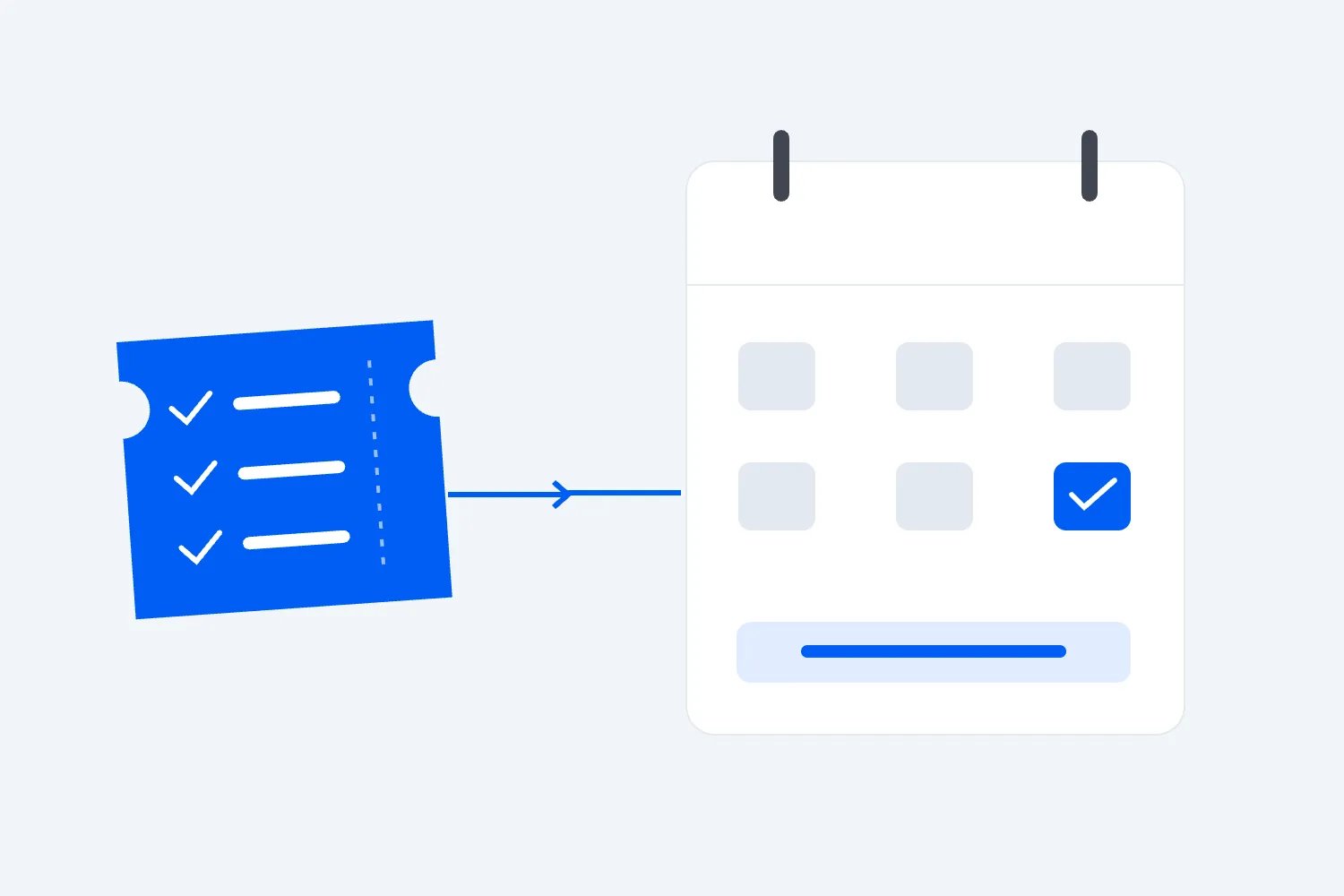
A third option separates payment from reserving a visit. Someone purchases now, then books an available date before travelling. They have bought the right to a qualifying visit, but haven't yet secured admission on a specific Saturday. This can accommodate an unknown diary while still giving your team advance notice of attendance.
Current attraction policies show why the distinction matters. LEGOLAND Deutschland's ticket FAQ distinguishes undated tickets valid on a chosen day during the relevant season from tickets valid on a selected date. That's one operator's description of its products, rather than a definition every attraction has to adopt.
LEGOLAND Discovery Centre Manchester's reservation page tells open-dated ticket holders to reserve a time slot. It also states that the reservation alone doesn't provide entry and that visitors need their valid ticket. Here, purchasing without a date still leads to a booked visit.
Choose your own arrangement deliberately. The word flexible won't tell your team whether to admit someone on a full day, restore a missed reservation or accept a ticket after the season ends. Those decisions need to exist before you use that word in an advert.
Find the uncertainty your customers want to remove
Ask why people hesitate over the calendar. A gift buyer may not know the recipient's availability. A local family may want to check the weather. A tourist may be waiting for transport plans. Someone caring for a relative may need a straightforward way to change an existing booking. These are different requests, even when customers describe all of them as flexibility.
Read recent booking questions and ask reception which conversations keep returning. Record the customer's obstacle in ordinary words. "I don't know when my sister can come" points towards buying now and booking later. "Can we change Saturday if our child is unwell?" points towards the change policy. Removing the date picker doesn't necessarily solve both.
For an attraction that runs guided departures, the customer might be comfortable choosing a day but struggle with the exact start. You could offer several clear departures or explain how much preparation time they need. Selling an undated ticket won't remove the guide's schedule or create room on a full tour.
The same applies to arrival windows. Someone may dislike committing to an exact minute because they assume being slightly late means losing the entire visit. Explain the actual arrival allowance and late policy before rebuilding the offer. Our guide to handling late arrivals at timed-entry attractions develops that decision separately.
Treat support conversations as clues rather than a representative survey. The people who ask are visible. The people who quietly leave checkout aren't. If you can inspect booking completion by stage, use that alongside the questions. A drop before date selection may reflect unavailable dates, unclear opening hours or an awkward mobile calendar rather than a general preference for open tickets.
You can test a clearer explanation before changing admission policy. Tell buyers what a normal visit includes, show available dates, and make any permitted change route easy to find. If customers still need to buy without choosing a visit, you have a more specific reason to introduce an open option.
When gift buyers ask for flexibility, check the handover as well as the visit date. They need to know how to give the ticket to someone else and who receives updates. The guide to selling event tickets as gifts covers those details. Here, the decision is what date commitment every ticket should create, whether it is a present or a purchase for yourself.
Use your difficult days to choose the admission model
A quiet Tuesday makes almost any ticket policy look workable. Test the choice against the day your customers are most likely to want. That might be a sunny holiday weekend, the final week of an exhibition or a wet afternoon when an indoor attraction becomes especially appealing.
Start with the capacity and operating arrangements established for your actual site. In Great Britain, the Health and Safety Executive's crowd risk assessment guidance asks organizers to determine safe capacity and consider expected turnout, busy days and variable factors such as weather. An annual ticket-sales target doesn't answer those operating questions.
Then work out what you can deliver comfortably within the assessed arrangements. Your limiting resource might be a guided experience, a small exhibit, parking, a single arrival route or the staff needed for an activity. Empty outdoor space elsewhere on the site won't necessarily help a queue waiting for the thing customers paid to do.
For an illustration, imagine a fictional attraction has approved a particular day's operating plan for 300 visitor admissions. This is a made-up planning allowance, not a safe-capacity recommendation. It already reflects the visit pattern and staffing assumed for this example. Changing the site, timetable or length of stay would require reviewing it.
Suppose 180 admissions are already allocated to dated buyers and 60 to confirmed groups and pass reservations. That leaves 60 under this plan. The attraction also has 500 unused open-dated admissions outstanding across the season. Those 500 aren't all expected today, but they are real promises to people who may choose today.
If 100 holders arrive without reservations, the day's requested admissions become 340. That's 40 above the example allowance. The season may still have thousands of unused places on other dates. They don't resolve today's shortfall. Nor does an average redemption rate prove only 60 people will turn up this morning.
This is where requiring a reservation helps. It gives you a way to control commitments before people travel. It doesn't replace the venue's safety assessment, live crowd management or a check on overlapping visits. Use the separate timed-entry capacity guide for the detailed work of distributing arrivals and accounting for people still inside.
If direct arrival remains part of your offer, decide how it can be honoured under a busier scenario. You may need to sell fewer open tickets, keep places available for their holders or introduce clearly stated restrictions for new purchases. A disclaimer at the entrance is too late to do the work that belongs in product design.
Separate buying flexibility from arrival flexibility
Buying now and choosing a date later is often the most useful compromise for a constrained attraction. The buyer doesn't need to coordinate everyone's diary before paying. Your team still gets a reservation before the visit. But the second step has to work as a real booking process, including when preferred dates are unavailable.
Walk through it from the holder's point of view. They receive confirmation explaining what they've bought, which visits qualify and how long they have to use it. When they're ready, they open the reservation route, select an available date for the whole party and receive clear confirmation. They know what to present when they arrive.
Your booking process must connect the paid ticket to its current reservation. Reserving a date should reduce the appropriate availability without charging for admission a second time. Cancelling a reservation should follow the published rule for whether the underlying ticket remains usable. Completing the visit should prevent another use of a ticket that covers only one admission.
Those are requirements to test with your booking provider. A free ticket that anyone can book isn't automatically a satisfactory reservation for a prepaid holder. It might let the same person reserve several dates, or allow someone without a paid ticket to occupy a place. The team then has to untangle promises that looked fine in separate reports.
Also check the party size. A gift for four people needs four eligible places on the same visit, unless the offer clearly permits separate use. Showing one available place doesn't help that buyer. Decide whether a family ticket is redeemed together and how adult, child and companion categories affect the reservation.
Keep the second step short enough that people complete it. Ask only for information needed to arrange the visit. Explain any action required from the purchaser versus the person attending. Provide a practical support route for holders who cannot use the online process, with a way for staff to create the same valid reservation.
For customers who already know their date, keep the direct dated purchase available. Making them buy a flexible ticket and then repeat the booking process creates an avoidable extra task. The two routes can lead to the same admission plan while serving different purchase situations.
The limit of this compromise is important. A later reservation offers a choice among eligible available visits. It cannot honestly promise every preferred date unless you preserve the capacity to deliver that promise. Decide which offer you can support, then use language that matches it throughout the purchase.
For a later-reservation offer, a plain explanation could begin, "Choose your visit date after buying. You must reserve an available date before travelling; this purchase doesn't reserve a particular day." Add the actual validity dates, exclusions and booking instructions next. This is an example to adapt to your reviewed offer, rather than complete terms. Ask someone unfamiliar with the ticket to explain what they would do next. If they think they can simply arrive, the wording still needs work.
Price the flexibility after counting the work it creates
Open tickets can bring payment forward. They can also move visits onto expensive days, add support work and displace customers who would otherwise buy those dates. You need to compare the money left after these changes, rather than declaring the model successful because more cash arrived in launch week.
Here's a fictional comparison in USD. It is a management example, not a forecast, an accounting treatment or a set of typical industry costs. Assume the two offers provide the same admission experience and the periods compared include delivery of all the visits counted. Tax and transaction charges have already been deducted from the retained ticket amounts below. These are sales of the offer being tested. Other ticket sales stay the same except for the lost purchases explained below.
In the dated option, the attraction sells and delivers 200 admissions. It retains $30 per admission after those deductions. Each visitor creates $6 of attendance costs, such as consumables and other costs assumed to vary with this example's visits. The amount left towards unchanged fixed costs is $24 per admission, or $4,800 in total.
Now suppose an open option sells and delivers 230 admissions. It retains $32 per admission and has the same $6 attendance cost. That gives $26 per admission, or $5,980 before the other changes caused by the offer. The apparent improvement over the dated option is $1,180.
Under this scenario, however, the flexible visits require $500 of additional paid cover and $180 of additional paid administration. They also occupy busy-date places that would otherwise have produced ten separate dated admissions. At the dated option's $24 contribution per admission, those genuinely lost purchases reduce the comparison by another $240.
After these changes, the improvement is $260. That is $1,180 minus $500, minus $180, minus $240. It is an improvement under the stated assumptions, not a total profit figure. Rent and other unchanged fixed costs still need funding. The $240 is income forgone, so it mustn't be described as another supplier bill.
The displacement assumption deserves checking. If those ten customers move to another available date and still buy, you haven't lost ten purchases. If they would never have purchased, you haven't displaced revenue either. Count the effect supported by the scenario you're examining, then show how the result changes if that assumption is wrong.
For example, keep the same sales and cost assumptions but increase genuinely lost dated purchases to 25. Their contribution would be $600, leaving a $100 reduction compared with the original dated option. The result has changed without any change in the open-ticket sales report. That is why busy-date availability belongs in the pricing decision.
You can use the calculation to set a trial price, but it doesn't prove customers will pay it. A larger premium may cover more operating uncertainty while reducing sales. Test willingness to buy at the actual total price. Keep observed purchases separate from people saying a flexible option sounds attractive.
Decide how peak prices and party changes work
A ticket valid across several dates needs a clear answer when those dates have different prices. You could sell admission at one inclusive price across the eligible calendar. You could exclude specified premium dates. Or you could offer a stated way to pay a difference when reserving them. Choose the arrangement before collecting payment.
The inclusive option is easiest for a holder to understand, but you have to cost the dates they are entitled to choose. Don't base the price on everyone visiting cheaply during the week if the ticket also allows your most expensive weekend. For a later-reservation product, availability still determines which visit can be booked under the offer you described.
If a supplement applies, show how customers can establish the total before buying. Explain whether the amount is fixed, linked to a published price category or calculated another way that has been reviewed for your market. An unexplained charge revealed only during redemption makes the original price a poor guide to what the visit will cost.
Also decide whether the ticket represents admission or money towards admission. If it guarantees a qualifying visit, a later increase in your ordinary day price shouldn't silently turn it into insufficient credit. If it is genuinely a monetary voucher, describe it accordingly and check the rules that apply to that product. The distinction changes what the customer has bought.
Party changes need equally concrete decisions. Suppose a buyer purchases four individual admissions, then wants to reserve three together and leave one for later. Is separate redemption supported? Does the remaining admission keep its original deadline? If you sell a family bundle that must be used together, explain that difference and show the holder what a completed reservation covers.
Think about changes in eligibility between purchase and attendance. An age category may depend on age on the visit date. A resident offer may require evidence. State the relevant rule and a route to resolve a genuine mistake. Don't ask reception to discover which date the discount was supposed to use while other families wait.
Finally, check what remains usable after a partial cancellation or refund. Returning payment for one of four admissions must not leave four usable admissions behind. Moving three people must not accidentally move or consume the fourth. Use the supported booking and payment processes, then check which tickets and reservations remain valid. A short confirmation explaining the remaining party and date can prevent another support conversation.
Keep unused tickets in the plan until their position is clear
Payment and attendance happen at different times with open tickets. Your weekly sales report may look healthy while the operating work remains ahead. Track what is still usable, which holders have reservations and how much eligible calendar remains. This helps you judge what you're already committed to before releasing more tickets.
Imagine a fictional release of 400 single-admission open tickets. So far, 150 have been used. Another 80 have reservations for future visits and 170 remain unreserved. The outstanding total is 250, made up of the reserved 80 and unreserved 170. Don't subtract the 80 twice simply because they also appear in the booking calendar.
A missed reservation needs its own treatment. If your terms restore the right to book another visit, that admission remains outstanding. If the right has ended under an applicable, enforceable policy, the record should show why. A scan report alone won't tell you whether an unused ticket can still be presented tomorrow.
Look at the remaining calendar through the holder's actual choices. A ticket restricted to weekdays cannot use your spare weekend places. A family of four may need four admissions together. A customer requiring a particular access arrangement needs a visit where that arrangement is available. Adding up every unsold place can make the remaining choice look better than it is.
Avoid treating every unredeemed sale as money you can spend freely. The visit may still require staffing, consumables, a partner payment or a refund where owed. Ask your accountant how advance receipts, delivered visits, unused rights and expiry should appear in your accounts. This article's operating counts don't determine when income is recognised.
There is also a difference between an unused open ticket and a no-show for a booked date. The former may have no visit commitment yet. The latter was allocated to a particular day. Combining them into one no-show percentage hides whether the problem is failure to reserve, failure to arrive, or an unclear change process.
Review outstanding admissions by purchase period and validity deadline. A large group approaching expiry can create a late concentration of requests. Contact holders with useful booking information while there are still genuine options. Don't depend on them forgetting to visit to make the offer affordable or manageable.
Our guide to reducing no-shows at paid events covers reminders and attendance barriers after booking. For an open-ticket offer, add the earlier question. Has the holder reserved anything yet, and do they understand that they need to?
Offer weather flexibility without moving every visit to the same day
For an outdoor attraction, the weather is a reasonable reason to want flexibility. A buyer may be happy to visit during the season but unwilling to commit to a forecast they can't yet see. You can address that concern without promising unlimited admission on the next pleasant Saturday.
First distinguish a customer preferring different weather from your business being unable to deliver the visit. They lead to different decisions. If you close an activity or cannot provide a significant part of the experience, follow the rights and remedies that apply. Don't automatically classify the problem as a voluntary customer change because the ticket was flexible.
In Australia, the ACCC's guidance on buying event tickets explains that cancellation and significant changes can create refund rights, depending on the circumstances. It distinguishes organizer decisions from changes due only to others' actions. Apply the rules for your market and offer; the guidance doesn't establish a universal weather-refund policy.
For voluntary changes while the attraction operates as promised, decide what your offer permits. A dated ticket with a clear change route may solve the customer's concern. Specify whether there is a deadline, whether the new date must be available, and how a difference in price is handled. Review any restriction or charge for fairness and applicable rights before using it.
Now test a run of poor weather. Suppose holders can move visits to another eligible day. Do you still have enough workable dates if several weekends are affected? Is the final weekend already heavily booked? A generous change policy needs remaining delivery options, especially when the attraction has a short season.
If you require holders to rebook, their old reservation and new reservation must be reconciled. Don't leave both active indefinitely. Nor should you remove their existing visit before the replacement is confirmed without explaining and agreeing what happens if the change fails. Test the supported change process, including any payment difference.
You should also decide how an attraction closure affects validity. A replacement date, extension or refund may be appropriate or required, depending on the promise and applicable rules. Make the decision using what happened and what you owe. Sending everyone to the same already-full date doesn't provide a usable remedy.
Make the validity and exclusions useful before payment
Open-dated doesn't mean the attraction is open every day. The buyer needs to understand the period covered, which operating dates qualify and what is excluded. Give them a direct way to inspect those dates before they commit, particularly if the offer is intended as a gift or for visitors travelling from elsewhere.
Write out the difference between a purchase deadline, a reservation deadline and the final visit date. If a customer must reserve by one date and attend by another, both matter. "Valid until June" doesn't tell them whether June's last weekend qualifies, whether reservations close earlier, or whether the attraction opens then.
Be specific about the experience too. Does the ticket cover ordinary daytime admission, or a separately ticketed seasonal programme? Are premium activities included? If an evening event needs another purchase, explain that near the offer. A visitor shouldn't discover that the feature in the promotional photograph belongs to a different ticket.
For UK consumer contracts, the Competition and Markets Authority's guide to fair customer contracts says terms and notices must be fair and transparent. It warns against small print that surprises customers or undercuts advertising. Publishing a restriction somewhere doesn't settle whether it is fair or adequately explained.
Check the legal treatment of the actual product in your market. Admission for a particular period, a monetary gift voucher and a paid membership can have different rules. Don't choose an expiry date or refuse a refund just because another attraction does. Have the proposed offer and terms reviewed for the arrangement you are selling.
Our guide to blackout dates for attractions and tours explains the operating work behind excluded days. For an open-ticket offer, the extra issue is protecting the promise already sold. Adding restrictions later can remove visits customers reasonably expected to choose, even when the new calendar looks tidy to your team.
Save the offer and terms that applied to each release. If next season's ticket has a different period or reservation rule, staff must still identify what an earlier holder bought. Renaming a ticket in the current shop doesn't rewrite the confirmation a customer received months ago.
Give each ticket a clear route through a busy entrance
Your admission team needs to distinguish a valid purchase from a valid reservation for today. For direct arrival, the original ticket may already provide everything required. For a buy-now, book-later product, staff need the supported way to confirm both. Write instructions around the records your system actually presents.
Rehearse a holder arriving with only the original purchase confirmation. Can staff locate the reservation, or does the holder still need to make one? Who handles the conversation without blocking other arrivals? If the date is full, staff need an honest explanation and an authorized next step. They shouldn't have to invent the policy while a family waits.
Also rehearse the opposite. Someone has a reservation confirmation but no qualifying admission. A reservation process that doesn't validate the original purchase can create this situation. Establish how the team checks eligibility and handles a missing document without assuming every mistake is attempted misuse.
Different offers may arrive in the same queue, so the check needs to be understandable. A dated day ticket, a prepaid ticket with a reservation and an annual pass can each have different conditions. Give staff access to the relevant ticket rules and a manager who can resolve exceptions. Ask them to explain the offer back to you before opening.
On Loopyah, our ticket-selling tools provide ticket types, confirmation emails linking to QR tickets, and phone check-in with door-staff access. Those capabilities support selling and admitting ticket holders. Ask us to demonstrate your intended admission arrangement, including any later reservation, shared availability and changes, before promoting that specific offer.
Your launch test needs to cover the complete visit. Check that the original paid ticket, the day's reservation and any replacement booking all update correctly when someone changes or uses their admission. Keep the visitor-facing promise within what the demonstrated setup can deliver.
For direct arrival, live conditions still matter. The HSE's crowd monitoring guidance covers overall numbers and crowd distribution, including counting at entrances and exits. It notes that ticket-checking staff need enough time if monitoring is also their responsibility. Ticket-sales totals alone aren't a live count of people inside.
Give the person controlling admissions a way to communicate with the person watching the attraction. If a key room or activity becomes unavailable, the entrance team needs that information before making another promise. Selling flexible admission should never leave reception isolated from the operating decisions that determine whether the visit is deliverable.
Trial one offer with limits you can explain
Start with the smallest offer that tests the actual customer problem. If the gap is gift buying, trial an open purchase with later reservation for an ordinary admission product. If the gap is uncertainty over illness or weather, test a clearer change policy on dated tickets. There's little value in changing the entire calendar before learning which problem matters.
Limit the first release using the visits you can support, including a busy-day scenario. A ticket quantity caps how many promises you issue, but it doesn't decide which days holders will choose. Review the release alongside remaining eligible dates and the reservations already accepted. Pause new sales when the remaining choice becomes too narrow for the promise.
Use genuine restrictions that serve an operating purpose. If the trial excludes a special programme, say why it has a separate ticket and make the exclusion visible. Don't advertise freedom across the attraction and reveal a tiny selection of unpopular dates after payment. That tests customer tolerance for disappointment rather than demand for flexibility.
Before taking real purchases, complete a rehearsal with accounts controlled by your team. Buy the ticket on a phone, reserve the final available places, change the booking and complete admission. Try an invalid date and an incorrect party size. Check the confirmation messages against the actions staff will see at the door.
Test a failed change as well as a successful one. Imagine the holder chooses a destination date that becomes full before the change completes. The customer needs to know which reservation remains valid, what has been charged and what to do next. A confusing failure can create duplicate visits or leave someone believing they have a booking that never completed.
Include any partner selling route in the rehearsal. A hotel, reseller or local business may describe the same ticket differently. Give them the current eligibility and booking instructions, then check their listing. Agree how a holder receives an update if the attraction changes something material. The person answering your phone will inherit promises made elsewhere.
Keep the results with the release's operating notes. Record what was demonstrated, which policy decisions were approved and who can resolve an exception. You can expand the offer after the first visits show it works. Expansion should follow evidence about delivery as well as evidence about sales.
Measure whether flexibility helped the business and the visitor
Choose the question before looking at the results. Did the new offer attract purchases you otherwise wouldn't have received? Did it help people choose a suitable visit? Did it improve what the business kept after delivering those visits? These answers require more than the number of open tickets sold.
Compare purchase completion carefully. If a gift campaign ran only for the open option, a stronger result may reflect the campaign, the audience or the offer's timing. An ordinary dated ticket promoted to a different audience isn't a clean comparison. Use comparable conditions where practical and record differences when you can't separate them.
Follow each group of purchases through reservation and attendance. Look at how long holders take to book, which dates they select, how many change, and what remains unreserved. A launch-week comparison will miss visits and support costs that happen later. Keep the same measurement period or explain which future obligations remain outside it.
Separate extra demand from customers switching products. If a buyer who would have purchased a dated ticket pays more for flexibility, the relevant revenue change is the premium and any changed delivery cost. Counting the whole purchase as additional income would exaggerate the offer's value. If they pay less, include that reduction too.
Record which costs actually changed. Additional paid shifts and a supplier charge affect cash. Time absorbed by existing staff still has a cost in work they couldn't do, but it isn't automatically another cash payment. Show both effects clearly rather than using one blended estimate that nobody can check.
Ask holders about the experience at the point it matters. Could they find an eligible date for their party? Did they understand the reservation requirement? What happened when they tried to change? A customer can buy happily and still find the offer difficult to use months later. Your review needs to include that later part.
Use the findings to adjust a specific part of the offer. Too many unreserved holders may point to unclear instructions or a difficult booking process. Heavy demand on a few dates may require a smaller release or a different admission model. More sales accompanied by costly exceptions may justify a higher price, a narrower promise or stopping the trial.
Decide which promise you can keep on the next busy day
Require a visit date at purchase when the experience depends on a particular session and buyers are ready to choose it. It gives customers immediate certainty and lets your team allocate the visit as part of the sale. A fair, workable change policy can provide flexibility without abandoning that arrangement.
Let people buy now and reserve later when they need more time to choose the date and your booking process supports it. Make the eligible calendar, availability condition and reservation instructions clear before payment. Watch unused tickets as well as booked visits, so holders still have useful choices as the season progresses.
Allow direct arrival only when your operating arrangements and customer promise support the resulting uncertainty. Test the busy day, the restricted activity and the concentrated arrival pattern. A generous offer is useful when people can actually enjoy the visit it buys.
Before releasing the next batch, put the proposed ticket in front of your booking lead and the person running the attraction. Ask each to describe what happens if a holder chooses your busiest eligible Saturday. Resolve any difference in their answers, test the process, then sell the version both teams can deliver.

Author: By the Loopyah Content Team
The Loopyah Content Team shares expert insights, practical guides, and industry updates to help event organizers create unforgettable experiences and stay ahead in the event planning world.