· 27 min read
How should a winery balance paid events with tasting-room trade?

You've sold the tickets, the courtyard is full and the team has barely stopped pouring. It looks like a good day for the winery. Then you compare the takings with an ordinary Saturday and realise the event needed extra staff, closed part of the tasting room and left less time for bottle sales.
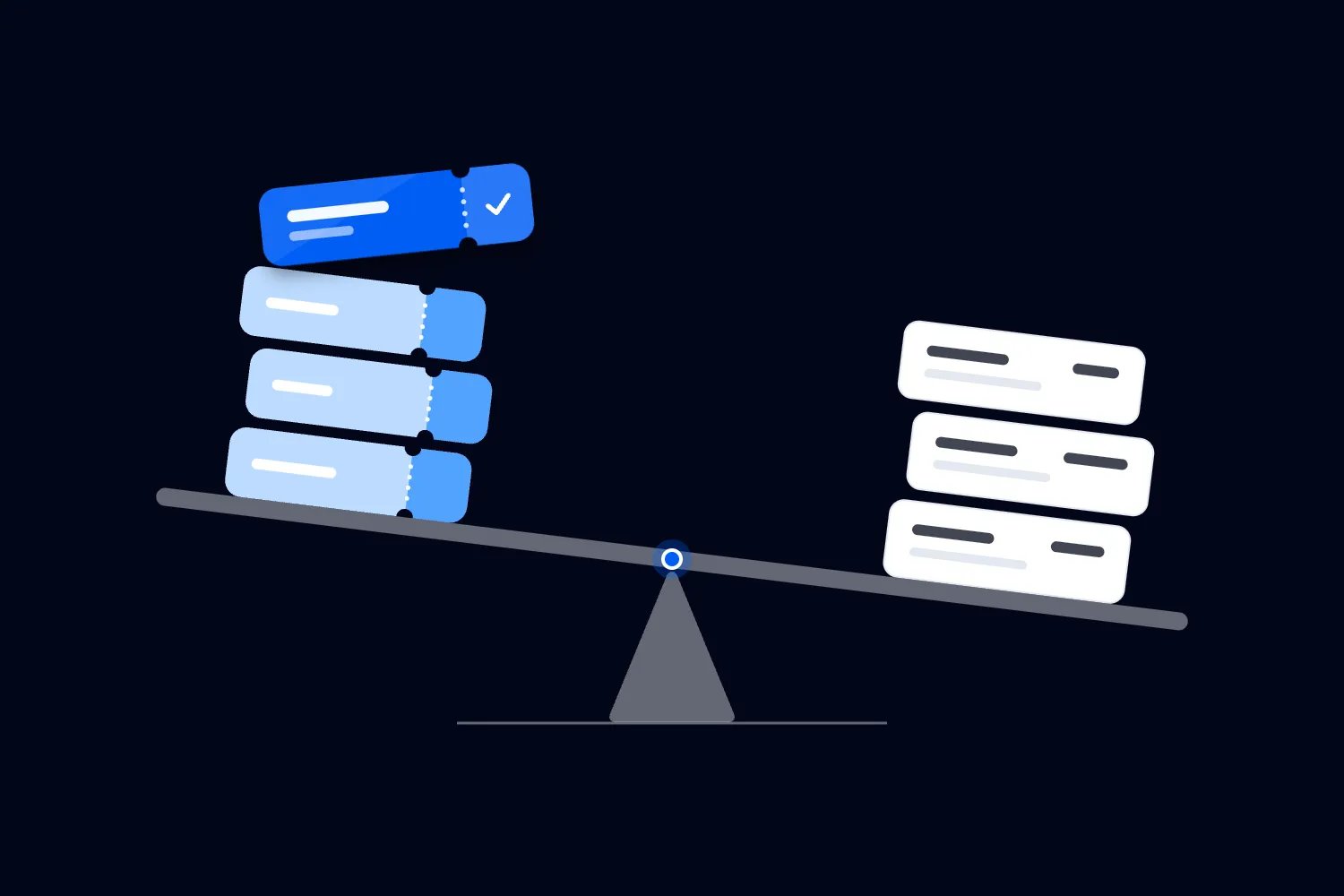
Before you add another date, work out what the winery actually gained. A paid event should earn enough to cover its own costs and the tasting-room earnings it replaces. Start by testing quieter periods where you can offer something people want, then use the results to decide whether a busier date deserves the disruption.
That doesn't mean every event has to maximise immediate profit. You might deliberately spend money introducing the winery to new customers or looking after members. But make that a funded decision with a limit. Otherwise, a full event calendar can quietly become an expensive way to reduce the income your regular trade already provides.
We'll work through the decision using a fictional winery, then turn the numbers into booking rules and a practical calendar review. All prices, attendance figures, costs and targets in the examples are invented planning assumptions in USD. They aren't winery benchmarks, supplier quotes or Loopyah customer results.
Decide what the event needs to do for the winery
The first thing you want to settle is why this particular event belongs in your business. Perhaps a guided food pairing can sell a quiet evening. Perhaps a winemaker session introduces a new release. Perhaps an established public show produces reliable ticket income without taking the tasting room away from visitors.
Those purposes need different measures. An income event needs a credible surplus after its costs. A new-release event might justify some promotional spending, provided you decide how much you're prepared to spend and what you'll learn. A members' event is part of the cost of keeping a promise to members, even if nobody buys another bottle that night.
Write the main purpose before discussing the entertainment. Then name the result that would persuade you to run it again. Avoid a vague objective such as bringing people to the property. You can bring people in while making it harder for your existing customers to buy wine.
Kathy Kelley's Penn State Extension guide to evaluating winery events, published in 2014, makes this distinction clearly. It recommends setting objectives and reviewing sales, costs and customer response, and explains that attracting visitors doesn't necessarily make an event profitable. It's useful evaluation guidance, not current evidence of what your winery will earn.
Choose a format that supports the purpose. A focused tasting may leave time for questions and considered bottle purchases. A music event may attract people who primarily want the performance. Neither audience is wrong, but they may spend differently and need different service. Budget for the offer you're actually selling.
Our wine tasting event checklist covers delivering an individual tasting. The calendar decision comes earlier. Is running that tasting on this date a better use of your space, people and stock than the other work they could do?
Establish what normal trade would probably earn
You need a reasonable view of what would happen without the event. Pull tasting fees, bottle sales, food receipts where relevant, staffing and product costs for comparable trading periods. Match the weekday, season, opening hours and any important local conditions as closely as your records allow.
Don't use the busiest Saturday of the year as the comparison for every Saturday. Equally, don't choose a rain-affected day to make the proposed event look attractive. Use several relevant dates and explain the variation. A booking calendar, sales records and the tasting-room manager's notes will usually tell you more together than any one total.
Separate visitors who paid for tastings from transactions. One couple can buy a single mixed case; one customer can make several purchases. If you compare people on one side with orders on the other, you may draw the wrong conclusion about spending. Keep the counting method consistent throughout the review.
The number you need for this decision is what ordinary trade leaves after the costs you would avoid by not serving it. That might include wine, food, transaction charges and some rostered labour. We'll call this the ordinary trading contribution. It helps pay the winery's continuing costs and profit; it isn't the same as net profit.
Suppose closing the room removes a casual shift but doesn't change the manager's salary. Subtract the casual shift when calculating what normal trade would leave. Keep the unchanged salary in the winery's continuing costs. If the event requires the manager to work extra paid hours, include that extra expense in the event comparison.
Record what you don't know. You might have reliable reservation numbers and less reliable walk-in estimates. Use a lower and higher reasonable estimate of ordinary earnings rather than hiding that uncertainty in one confident figure. The point is to make a defensible decision, not prove that a forecast was certain.
Count everything the event takes away from normal service
An event can displace trade without closing the whole property. Guests may occupy the shaded terrace, deliveries may block parking, and sound checks may make the room unsuitable for a guided tasting. Ask the tasting-room lead where regular service would become slower, smaller or unavailable.
Map the affected hours from the first delivery through the final reset. If furniture moves at lunchtime for an evening performance, an evening-only comparison misses the afternoon loss. If the team cannot reopen properly the next morning, include that effect too. Use the operating plan rather than just the advertised show time.
Now distinguish lost trade from trade that genuinely moves. A regular visitor who books Friday instead of Saturday may preserve the sale if Friday has room and the visit doesn't displace someone else. A customer who says they'll come another time hasn't yet preserved it. Mark the difference in your assumptions.
Don't automatically charge the event for every ordinary visitor you expect that day. If the tasting room stays open with suitable staff, space and access, some normal earnings may remain. Estimate the part actually lost and check the evidence after the event. Treat the two activities as connected operations with a shared limit.
Parking deserves particular attention. Having separate rooms doesn't help when both audiences use the same arrival route and parking area. Check concurrent demand, accessible arrival arrangements, supplier vehicles and departure. Any transport or parking support the event needs belongs in its costs and operating plan.
Ask about existing promises as well. You may already have tasting reservations, a member collection appointment or a private group enquiry in progress. Decide what can be honoured before accepting the event. Moving a booked customer is a service and contractual question, not merely an adjustment to your spreadsheet.
Compare the event with the same trading period
Here's our fictional winery's proposed pairing evening. It can sell sixty places in the approved operating plan. The assumed ticket receipt is $55 per person after sales taxes that must be remitted, but before an invented $3 selling charge. None of these amounts describes Loopyah's pricing.
Each attendee costs $18 to serve in this simplified example. That's $6 of sample wine, $8 of food, the $3 selling charge and $1 of consumables. The event therefore keeps $37 per paid attendee towards costs that don't change with attendance and any remaining surplus.
Those additional fixed event costs total $1,300. They comprise $600 for extra staffing, $250 for the host's preparation and delivery, $200 for promotion, $150 for cleaning and reset, and $100 for additional administration. These costs include the relevant employer and supplier charges assumed for the example. Unchanged winery overhead is treated separately.
At sixty paid attendees, ticket receipts are $3,300. Serving them costs $1,080, leaving $2,220. After the $1,300 fixed event costs, the event leaves $920 before any optional bottle purchases. That sounds useful, but we still need to compare it with normal trade.
Assume optional bottle sales produce another $600 of receipts after sales taxes, with $240 of related product and selling costs. They add $360, bringing the event's total contribution to $1,280. The sample wine already included in the ticket isn't part of those retail bottles, and neither sale is counted twice. All sixty paid guests attend, with no refunds or complimentary places in this case. The optional purchases are assumed not to reduce purchases on other dates.
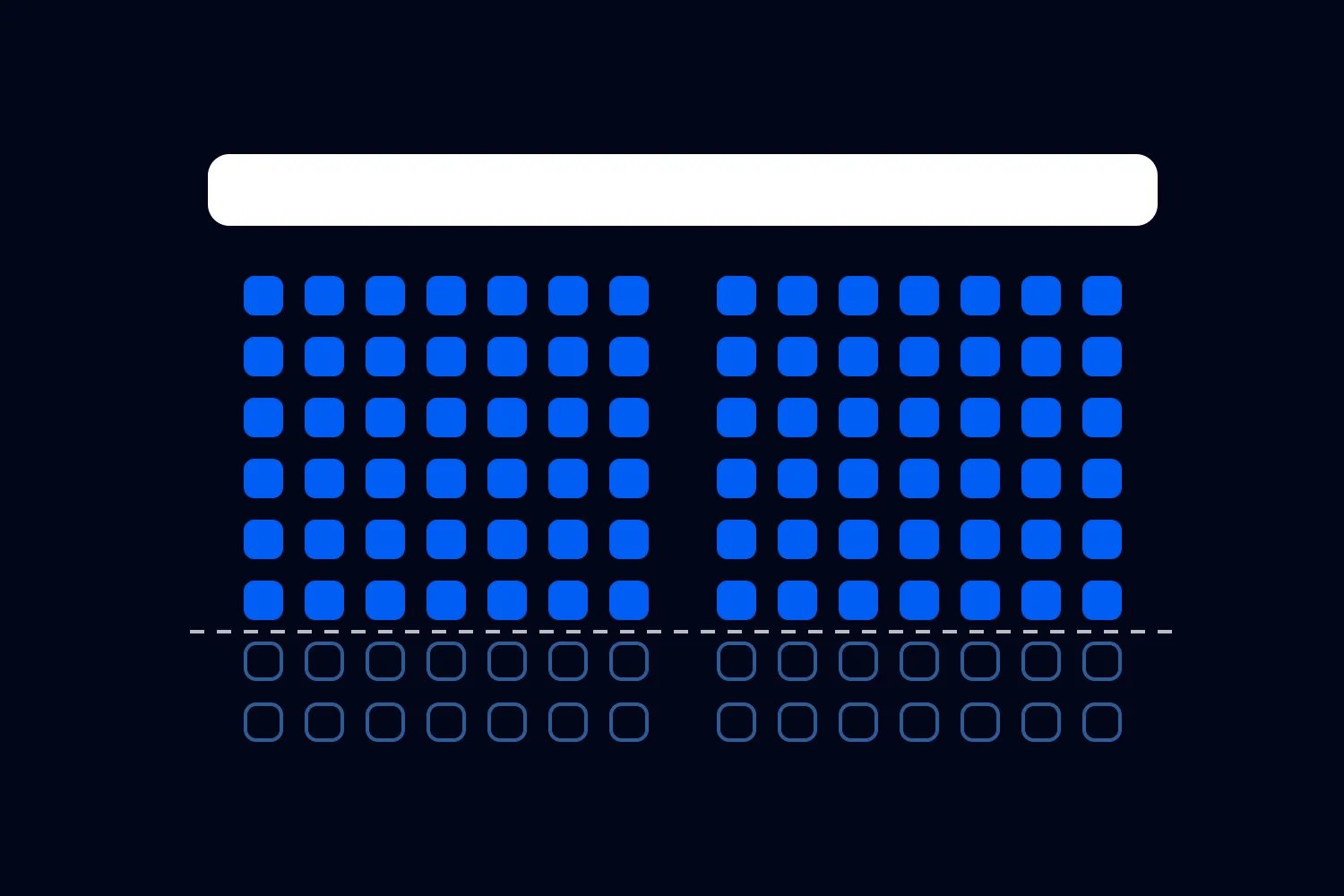
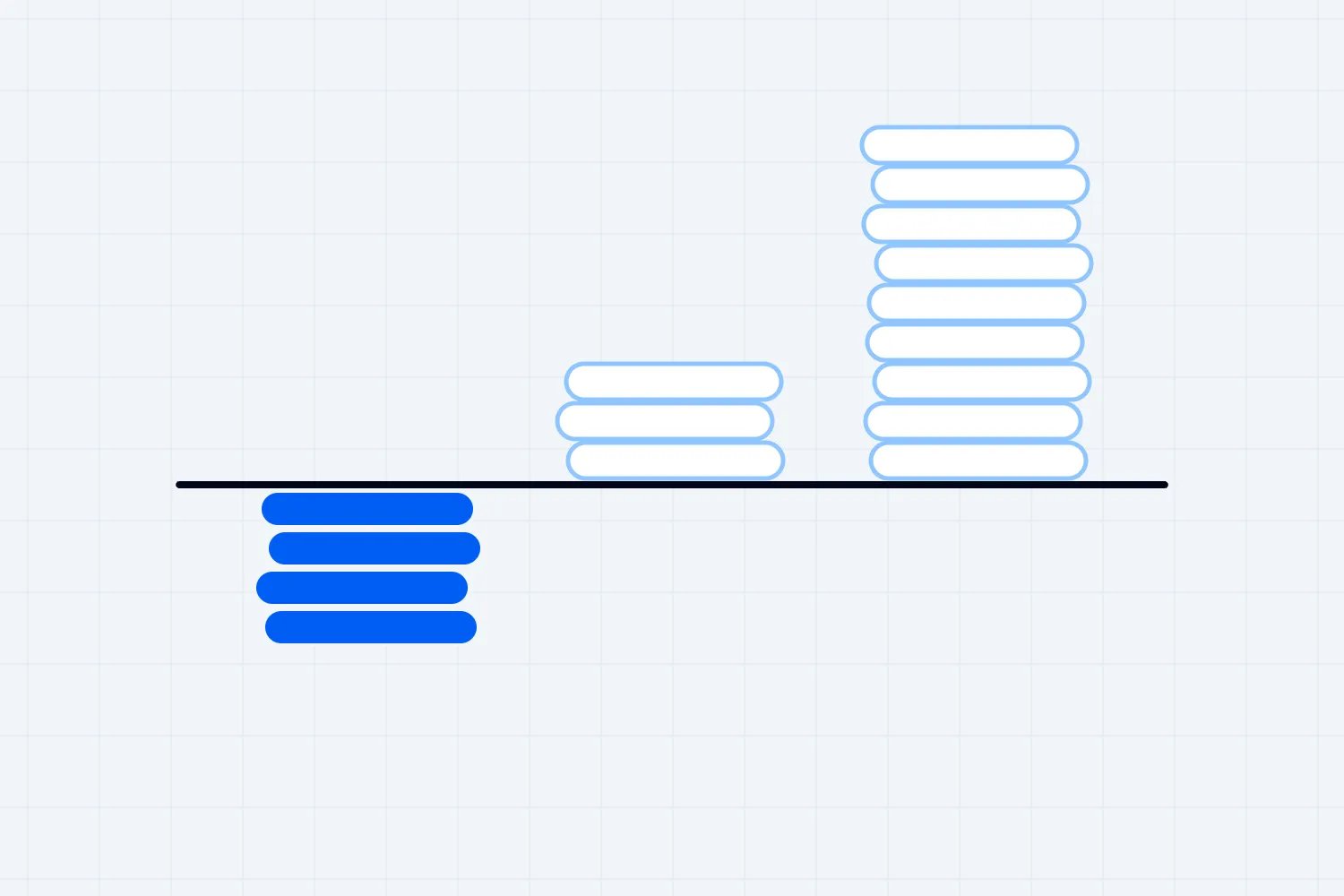
On the Saturday under consideration, the winery estimates it would lose $1,600 of ordinary trading contribution across the affected hours. Replacing that trade with the event would leave it $320 worse off. The event has covered its own additional costs, yet the winery has less money left to support its continuing business.
Now put the same event on a Thursday where displaced ordinary trading contribution is only $220. With the same attendance, costs and bottle purchases, it adds $1,060. This isn't evidence that Thursdays are always better. It shows why the date is part of the financial decision, rather than something you choose after approving the format.
The comparison assumes ordinary staffing savings and event staffing costs are already treated consistently, and all other winery costs remain unchanged. Where an event adds equipment finance, insurance, licence costs or other overhead, add them. Where some regular trade survives, deduct only the contribution actually displaced.
Check attendance before trusting the better date
Moving the event to Thursday doesn't guarantee that Saturday's audience will follow. Your quieter trading period may also be a harder time to sell an event. Test the offer against actual customer availability, travel and competing plans. A convenient date for the business still needs to be worth buying for the guest.
For a simple sensitivity check, assume optional bottle purchases average $6 of contribution per paid attendee, matching the sixty-person example. Together with the $37 from admission after attendee costs, each person contributes $43 before the $1,300 fixed cost. This relationship is an assumption for the calculation, not a promise about bottle buying.
At forty paid attendees, the event would leave $420 before displaced trade. Subtract Thursday's assumed $220 and the winery gains $200. At sixty attendees, the gain is $1,060. Those are quite different rewards for the same planning and delivery work, so decide which result justifies proceeding.
Suppose the owner wants at least $300 more than ordinary Thursday trade. The event needs to cover $1,300 of additional fixed costs, the $220 alternative earnings and the $300 target. That's $1,820. Dividing by $43 and rounding up gives forty-three paid attendees. At that number, the assumed gain is $329.
Without optional bottle purchases, each attendee contributes only $37. Covering that same $1,820 requires fifty paid attendees after rounding up. I would use this more cautious case before making commitments that depend on the event paying its way. Unconfirmed retail spending shouldn't rescue an otherwise weak launch decision.
The Saturday case is tougher. Under the $43 assumption, replacing $1,600 of ordinary contribution and covering $1,300 needs sixty-eight attendees just to avoid reducing earnings. The example's sellable capacity is sixty. You cannot solve that gap by putting a more ambitious attendance number in the forecast.
You could change the price, costs, use of space or format, provided the revised offer remains attractive and deliverable. Or you could leave Saturday open for normal trade. Business Queensland's break-even and profit guidance explains why sales, costs and profit targets need to be considered together. Here, you're also accounting for the existing trade the event would replace.
Treat your own wine as a real cost
It's easy to understate event costs when the bottles come from your own cellar. The cash may have left months earlier, but the wine still has a cost. Ask your accountant or finance lead for a consistent basis covering the stock you use, including relevant production, packaging and tax treatment.
Use that basis for sample wine and retail bottles throughout the comparison. Don't cost the event's wine at zero while charging normal tasting trade its product cost. That would make events appear stronger simply because the same stock was recorded differently. The decision should survive consistent treatment.
Then look at scarce stock separately. A limited release might have a realistic alternative sale to members. Using it in an event could mean losing that sale, which is different from using readily available wine that would otherwise remain in storage. Identify the actual alternative and avoid charging the same cost twice.
For example, if you calculate the retail contribution lost on bottles diverted to samples, that contribution already reflects the product cost deducted from retail receipts. Don't add the full retail selling price as another loss on top. Explain the calculation so the person reviewing the budget can see what each deduction represents.
Build the wine order around the agreed service plan, including rehearsals, opened bottles, faults and permitted use of leftovers. A reserve bottle isn't automatically consumed stock. Record what is opened and used, then reconcile the actual cost. Keep responsible service decisions with qualified staff and the applicable rules; a stock target is never a drinking target.
Optional sales need equal care. Record receipts after discounts and refunds, deduct the costs of the bottles actually sold, and include any commission or extra delivery expense. A discount on a case can increase receipts while leaving less per bottle. What matters to the event decision is what the winery retains.
Make the ticket work before relying on the shop
Your event needs a clear reason to buy that stands on its own. Explain the host, subject, food, duration and level of participation. An attendee who chooses not to purchase bottles should still receive the experience promised. That makes the offer easier to understand and the financial model easier to test.
The Australian Government's pricing strategy guidance recommends considering relevant costs, customer value and business goals, and checking how discounts affect the result. Apply that thinking to the whole ticket offer. Copying another winery's admission price tells you little about whether your own event can support its costs.
If a ticket includes a bottle credit, model the redemption honestly. Part of the payment is funding wine the guest may collect. Don't count the entire ticket as admission income and then count the redeemed credit as fresh retail income. Record additional spending beyond the credit separately, along with its product costs.
Member discounts also change the average amount retained per ticket. Forecast the expected mix of full-price, discounted and complimentary places. Complimentary attendees consume space and service even when they don't bring admission income. A sellout at the wrong mix can leave less than the event needs.
Loopyah's ticket sales tools let you set ticket types and releases with their own prices and quantities, and send buyers confirmation emails linking to their QR tickets. Use those controls for the offer you've approved. Your winery still decides the service plan, lawful alcohol provision and total places available.
Keep the event records connected to your financial review. Reconcile ticket receipts with refunds, selling charges and the actual attendance served. Then add the relevant retail result from your shop records. You need a consistent event reference across those records, rather than assuming the admission total tells you what the entire visit earned.
Build the calendar around production and existing customers
Before considering new dates, ask the production team which periods need protection. Harvest, bottling, deliveries and other cellar work can affect access, staffing and the availability of the person you want to host. Put your winery's actual requirements on the calendar. A generic wine-season calendar won't establish when your own operation is free.
Add existing tasting reservations and member commitments next. Include collection periods, release activity, private groups and any regular public sessions you already promise. Show the people and spaces each activity needs. You may discover that an apparently empty evening follows a demanding production day and precedes a fully booked tasting morning.
Now identify candidate periods where a paid offer could add income without undermining that work. Start with an achievable test rather than announcing a full season. A room that is empty on Wednesday isn't automatically a commercial opportunity, but it may be a sensible place to test a well-defined offer with limited commitments.
Make the candidate specific. Name the room, setup access, public hours, reset deadline and proposed audience. Ask what regular trading would continue, what would stop and which team would serve each audience. If nobody can explain how both operations work during arrivals, the date isn't ready to approve.
Our guide to planning an annual event calendar your team can deliver develops the workload checks across several events. For a winery, extend that calendar to production and hospitality. The winemaker's hosting time and the tasting manager's preparation time need to fit alongside their ordinary duties.
Don't fill every possible date simply because the first event sells well. Repeating a format can increase preparation efficiency, but it also creates recurring demands on stock, customers and staff. Keep proposed dates provisional until the business has reviewed the first results and confirmed what it can repeat comfortably.
Decide whether both audiences can use the property together
Running an event while retaining tasting-room trade can improve the financial case. It can also produce a crowded, confusing experience for both groups. Test the complete visit before treating the two sources of income as compatible. Separate ticket desks won't compensate for a shared service team that is already fully occupied.
Walk the routes for event guests, tasting visitors, staff and suppliers. Check where they queue, buy, use toilets and leave. Confirm the approved capacities and arrangements for the actual activities with the responsible people. Two individual room limits do not establish what the whole property can accommodate at once.
Decide whether an ordinary visitor needs an event ticket to reach the shop or terrace. Make that clear before they travel. Someone arriving for a familiar tasting should not discover at the entrance that the property now requires paid admission. Update reservations, opening information and staff instructions together.
Sound and atmosphere matter too. A paid guided tasting needs guests to hear the host. A performance next door may make that impossible even when there are enough chairs. If the event changes what normal visitors can reasonably enjoy, reflect that change in the offer and in your estimate of retained ordinary trade.
Plan a shared-arrival rehearsal with staff. Try an event guest arriving early, a tasting reservation arriving late and a customer collecting wine. Ask where each goes and who answers the question. Keep the solution simple enough that a temporary team member can explain it accurately.
If separation needs extra staff, signage, transport or a different layout, price those changes before counting the retained tasting income. If it still works, you have a practical option. If it doesn't, choose one operation for the affected period and compare the earnings honestly. Customers shouldn't be the ones discovering that the combined plan was unfinished.
Check the wet-weather version as a separate operating plan. Suppose you expect to keep the tasting room open while an event uses the courtyard, but rain would move the event into that room. The indoor alternative may displace reservations you expected to retain. It may also provide fewer event places than you have already sold.
Before launch, confirm a lawful, safe response that honours the offer and buyer rights. That could require a different covered space, a smaller initial allocation or terms and arrangements for postponement or cancellation. Have the responsible venue and service professionals assess the actual alternative. Don't sell to the outdoor capacity on the assumption that everyone can squeeze inside later.
Budget the response too. Include any conditional hire, extra staffing and ordinary contribution lost when the alternative is used. Then decide who makes the weather call, what information they use and when suppliers and customers need to know. Use deadlines suited to this event and its contracts, rather than borrowing a universal forecast cutoff.
If the contingency makes a modest event too expensive, simplify the format before advertising it. It's much easier to sell a smaller, dependable experience than to explain an avoidable last-minute reduction to guests who have already paid.
Check what your permissions actually cover
A winery's existing permission to sell or serve wine doesn't settle every question about a new paid event. The location, activity, hours, food provision and admission arrangement may change what you need. Check the proposed use with the relevant alcohol authority, local planning or licensing office and other responsible advisers before making commitments.
Use the event plan when asking. Show the exact spaces, who supplies and serves alcohol, whether bottles are sold to take away, the attendance and hours, and what the ticket includes. Include entertainment, temporary structures or changes in access where relevant. An answer about ordinary tastings may not cover a different use of the property.
For a specific US example, California's Department of Alcoholic Beverage Control describes a Type 93 Estate Tasting Event permit and authorisation for qualifying winegrowers using approved adjacent property or a nonadjacent vineyard under their ownership or control. It requires authorisation before each event. That is a particular California route, not general permission for every winery event or every state.
Check your own conditions rather than copying that route. An existing premises approval, a proposed outdoor area and a temporary event can involve different questions. Record who confirmed the arrangement, what documents apply and which conditions must be met. Leave the date off sale while a material permission is unresolved.
Your operating review also needs responsible alcohol service, age checks, food requirements, access, emergency arrangements and insurance appropriate to the activity. Confirm these with the people qualified to assess them locally. Ticket inventory is a sales setting; it cannot establish a safe capacity or replace a licence condition.
Carry the actual limits into the calendar. A finish time can control when the final session starts. An approved location can rule out a tempting wet-weather alternative. A condition on the number or type of events can change which dates you prioritise. Treat permissions as part of choosing the programme, before promotion creates expectations.
Plan the staff shift that includes the next morning
The event roster needs more than the people visible during service. Someone prepares the stock, briefs staff, welcomes attendees, handles questions, clears the room and reconciles the records. Ask each person what they must finish before they can leave, then compare those hours with the following day's responsibilities.
Separate the event host from the person running hospitality when the work requires both. A winemaker leading a discussion can't also solve every late-arrival problem or supervise a bottle queue. If one person is expected to cover those jobs, rehearse the timing and check whether the promise is actually deliverable.
Count preparation by permanent employees as real workload even where it creates no extra wage payment. Taking the tasting manager off regular duties may require cover or leave another task undone. Record whichever consequence applies. Don't invent an additional salary charge if pay is unchanged, but don't pretend the time is freely available either.
The Health and Safety Executive's guidance on managing fatigue, relevant to Great Britain, explains that long working hours, shift patterns and recovery need to be assessed together. It also says that an employee's willingness to work extra hours doesn't remove the employer's responsibility to manage the risk. Use appropriate local guidance for your own team.
For the calendar decision, inspect the sequence around a late event. Confirm who opens the next day, who can answer customer questions and who authorises any needed change. Buying cover may make the date workable, but its full cost must go into the comparison before you approve it.
Leave a named person in charge during the event and a clear handover afterwards. Their record should cover unresolved incidents, stock movements, customer promises and work still needed before reopening. A tired team shouldn't have to reconstruct an informal agreement from several messages the following morning.
Separate future wine sales from the event result
An event can introduce people who later return or become members. That's a reasonable reason to test it. The mistake is counting those possible future purchases as if they were already earned, especially when the immediate event result is weak. Keep the initial decision and the longer-term learning visible separately.
Ask which guests are genuinely new to the winery and which already buy from you. An existing member buying their usual allocation at an event may have changed the timing of a purchase without adding a sale. You still delivered value, but the whole transaction shouldn't automatically be credited as growth caused by the event.
Choose a follow-up period before reviewing results. Use the period that suits your purchase cycle and records, then state it in the review. Don't extend the window until enough sales appear to make the event look worthwhile. Record subsequent purchases after their costs, discounts, returns and servicing expenses.
Treat a membership enquiry differently from an active paid membership. Then distinguish the first fulfilled purchase from an assumed lifetime of orders. Retention, fulfilment and future costs are uncertain. Keep any forecast explicit and compare it with what actually happens before relying on it to fund a repeating programme.
Collect only information you have a proper reason and lawful basis to use, and respect the applicable rules for marketing contact. Give guests a clear choice where required. Buying an event ticket doesn't automatically answer every question about joining a wine-club mailing list or receiving ongoing offers.
You can still approve an event intended to acquire customers. Set the maximum loss you're willing to fund, the audience you want to reach and the evidence you'll review afterwards. If the event stays below that limit but produces little useful follow-up, change the offer or stop. Calling it brand building shouldn't exempt it from a decision.
Review the whole month before adding more dates
Once individual dates work, add them together. A series can compete for the same customers, require overlapping promotion and concentrate purchases into fewer visits. Use a credible forecast for each date. Don't assume every repeat receives the first event's audience without affecting the rest of the calendar.
Return to our fictional example and assume three separate Thursdays each achieve the original sixty paid attendees and $6 of optional bottle contribution per attendee. Each adds $1,060 against its own ordinary trading alternative. Together, the three events improve the month's contribution by $3,180 under those assumptions. This assumes the dates don't reduce one another's attendance or spending, which your actual forecast needs to test.
Add the original Saturday event and the improvement falls to $2,860 because that date reduces contribution by $320. Removing the Saturday would improve this particular plan by $320, provided no cancellation obligation or series commitment changes the costs. More dates have produced less benefit in this example.
These are changes against the same month's ordinary-trade plan. They aren't the winery's total monthly profit. You still need the combined contribution from all trading activities to cover continuing salaries, property costs, finance and other obligations. Use the same treatment of those costs in both monthly plans.
If continuing overhead were $2,400 in both alternatives, you would deduct it in both total monthly results. You wouldn't deduct another $2,400 from the calculated improvement. Where the event series causes a new recurring cost, however, that increase reduces the benefit and belongs in the revised plan.
Use the event budget guide to organise event expenses, while retaining the winery's overall financial view. An individually attractive event doesn't prove the calendar supports the business, and a shared cost shouldn't disappear just because no single event owner wants it in their budget.
Check cash timing separately. Ticket receipts, supplier deposits, payroll, wine production payments and possible refunds arrive or fall due on different dates. Confirm when funds are actually available and what obligations they must cover. A profitable month on paper can still leave a supplier payment without sufficient cash on its due date.
Use a short proposal before approving the date
Put the following record alongside your working calendar. It should help the owner, tasting-room lead and production lead make the same decision from the same information. Keep it short enough to maintain, with detailed quotations and plans linked where needed. Unanswered questions should remain visible.
Event and buyer. State the paid offer, intended guest and reason that guest would choose this date.
Commercial purpose. Name the main outcome and the result that would justify repeating the event.
Time and space. Record setup, public hours, reset, rooms used and the ordinary service affected.
Normal-trade comparison. Estimate the contribution displaced, its evidence and what ordinary trade can genuinely continue.
Event earnings. Show retained ticket receipts, attendee costs, fixed costs and separately estimated optional purchases.
People and production. Confirm the required staff, their other duties, cover costs and any cellar or vineyard conflict.
Permissions and service. Record unresolved approvals, operating limits and the person responsible for confirming each one.
Decision and review dates. Set the sales checkpoint, the spending allowed before it and when actual results will be reviewed.
For our Thursday example, the owner might require fifty paid attendees before a particular supplier commitment, using the cautious case that excludes optional bottle purchases. That number supports the illustrative $300 improvement target only under the stated cost and displacement assumptions. Recheck it if catering minimums, fees or staffing change.
Choose a checkpoint that comes before the relevant commitments become unavoidable and leaves a workable response. Decide what happens if sales are short, including how existing buyers and suppliers will be treated under the agreed terms and applicable law. A review date after the major nonrefundable payment is too late to control that payment.
Keep approval and announcement separate. Staff can explore a host or hold a potential date without promising customers an event. Name who may commit the winery, set the ticket offer and change ordinary opening arrangements. That prevents several sensible conversations from accidentally becoming an unapproved public programme.
Replace the forecast with what actually happened
After the event, reconcile paid tickets, refunds, complimentary attendees and actual guests served. Pull retail sales under the agreed event reference, including discounts and returns. Check wine usage and supplier invoices against the budget. Estimate any remaining bills explicitly instead of declaring the event profitable before the final costs arrive.
Then inspect normal trade. Did the tasting room keep the reservations you expected? Did setup close the terrace earlier? Did customers genuinely move to another day, or did you simply lose the visits? Compare the full affected period with your original estimate and relevant ordinary trading records.
Ask the team what the financial records miss. Perhaps the host delivered an excellent event but the retail queue closed before guests could buy. Perhaps customers enjoyed the programme and found the room too crowded. Record specific changes with an owner and a cost before assuming the next event will perform better.
Keep the conclusion honest about uncertainty. One event during poor weather doesn't establish that the format is unviable. One sold-out launch doesn't establish demand for a monthly series. Look for enough repeatable evidence to justify the next commitment, and keep the scale of the test proportionate to what you know.
Finish the review with a decision on the next proposed date. You might repeat the Thursday with the same scope, move the event to another room, change the price or leave the period for normal tastings. Before you announce it, update the comparison with the actual costs, staffing and customer response you've just learned.

Author: By the Loopyah Content Team
The Loopyah Content Team shares expert insights, practical guides, and industry updates to help event organizers create unforgettable experiences and stay ahead in the event planning world.