· 21 min read
How to plan speed networking that gives attendees useful matches
You've sold a ticket that promises useful introductions. Then the first bell rings, someone can't find their next table, and an attendee spends half their conversation explaining why they aren't the person their partner wanted to meet. The room is busy. That doesn't mean the format is working.
To plan a speed networking event, decide which people have a reason to meet, choose a rotation you can run with the people who actually arrive, and protect enough time for both sides to talk. The useful part happens before you start the timer. You need a credible audience promise, a checked pairing plan, and someone who can repair it when attendance changes.
We'll work through a fictional paid evening for independent creative business owners looking for delivery partners and practical peer advice. The headcounts, timings, and staffing choices are planning examples, not industry benchmarks. You can use the same decisions for a specialist networking event or a hosted session within a larger paid conference.
Start with the conversation you are selling
Speed networking means a series of short conversations with different people, usually arranged into timed rounds. The format helps attendees start introductions without having to approach a room full of strangers. It doesn't make strangers relevant to each other.
For our creative business event, a useful conversation could introduce a designer to a developer who takes on similar projects, or connect two owners dealing with the same hiring decision. That's a clearer promise than asking everybody to collect as many business cards as possible. Someone who leaves with fewer contacts may still have found the evening worthwhile.
Write the ticket description around that purpose. Explain who should attend, what participants can discuss, and how the introductions work. State whether you are selecting specific matches or arranging a varied rotation within a relevant audience. Buyers should understand the difference before they pay.
Avoid promising clients, contracts, investment, or a perfect business partner. You control admission, preparation, hosting, and the opportunities to talk. Attendees decide whether they want to continue. A short introduction cannot establish everything someone needs to know before hiring a supplier.
If you haven't settled the broader offer, use our guide to hosting a paid networking event first. It covers audience selection and the commercial model. Here, we're going to concentrate on making the timed introductions work.
Check whether everyone should meet everyone
Two rooms can need completely different pairing plans. In a peer event, almost anyone may have useful experience to share. In a buyer and supplier event, people may expect introductions across those roles. Putting buyers with buyers can be useful, but it isn't the meeting they bought if you advertised supplier appointments.
Our example is a peer and collaboration event. We can place owners into two mixed groups and arrange conversations across those groups. Neither group represents a more valuable category. Both should contain a sensible spread of disciplines and experience.
That choice has a limitation you need to say aloud. People meet across the groups during the timed rounds, so they won't meet everyone on their own side. Leave a later period for requested introductions and conversations attendees choose themselves. Don't describe the rotation as complete coverage of the room.
If your event does depend on distinct roles, test the balance before selling more tickets. An oversupply of sellers creates waiting time or repeated meetings for buyers. Charging both groups doesn't remove that problem. Set separate booking limits where necessary, and explain any differences in the experience.
Some topics need longer than speed networking allows. If attendees need to compare detailed processes or discuss a sensitive business problem, a hosted small group may work better. Our conference networking guide explains that alternative. Choose the format around what participants need to say.
Collect information you will actually use
Ask each participant for a short description of their work, one thing they can help with, and one thing they want to discuss. For our example, "website developer seeking reliable brand designers" is useful. "Interested in growth and innovation" gives the host very little to match.
Show a sample answer so people understand the level of detail. Ask for subjects they can discuss without revealing client information or confidential plans. Let them say if they would prefer not to meet someone from their own company. Where introductions depend on a particular professional role, verify that role through a proportionate admission process.
Keep access requests separate from the profile people see. An attendee might need to stay seated or use a quieter position without wanting those details printed on a badge. Ask what would help them participate and provide a private way to discuss arrangements.
The UK's ICO says personal information should be adequate, relevant, and limited to what is necessary. Check the rules that apply to your event, and use that practical discipline when designing the form. If a question won't change a pairing, hosting arrangement, or necessary communication, consider leaving it out.
Tell people who will see their answers. Preparing a host's introduction notes is different from distributing a searchable attendee directory. Decide separately whether profiles or contact details will be shared, rather than treating ticket purchase as permission for everything.
Choose a rotation your team can explain
For a manageable first event, I'd use numbered tables with one participant staying and the other moving. Our fictional plan has 24 attendees, divided into groups A and B, with 12 people in each. There are 12 conversation tables. Each table seats one person from each group.
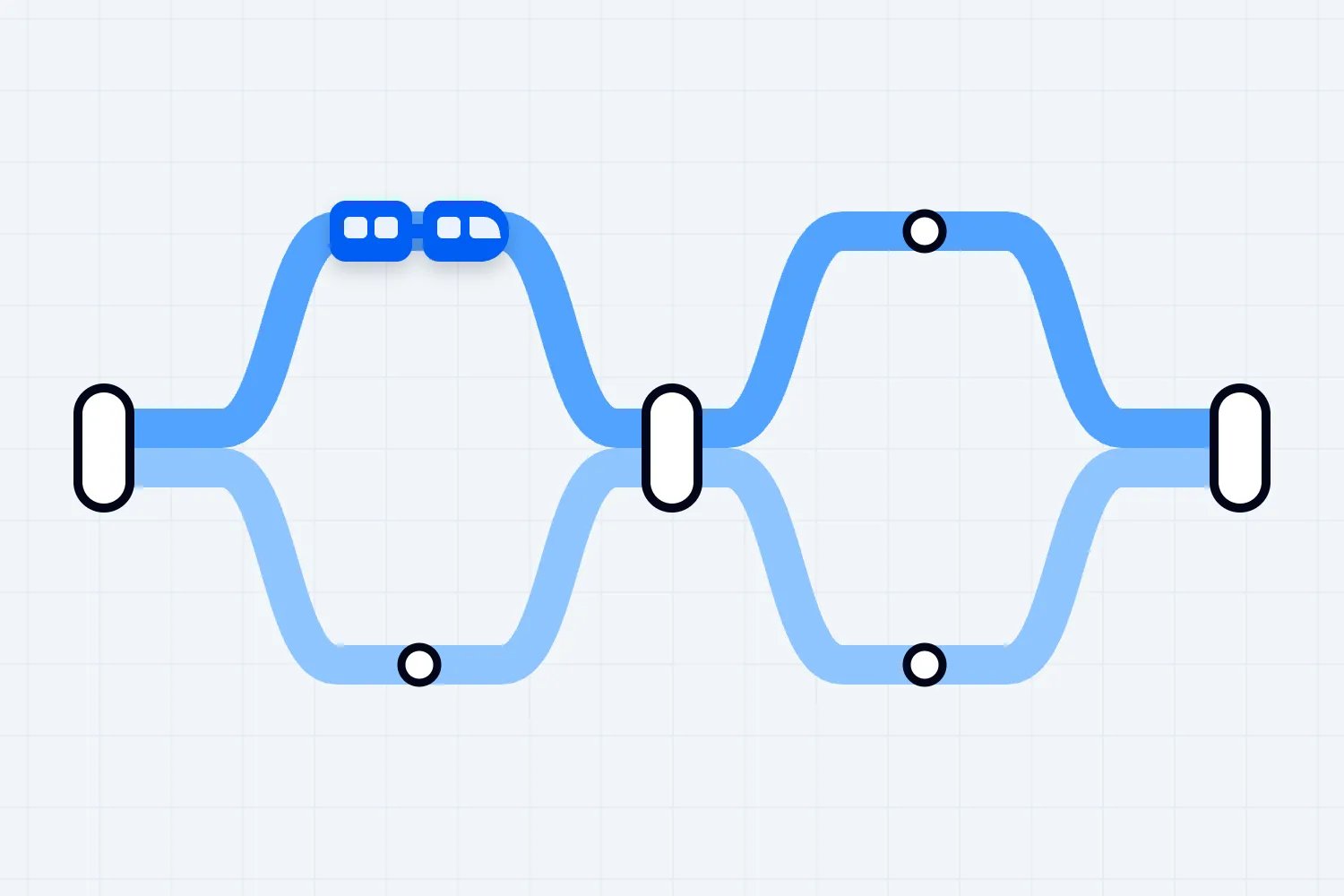
Group A starts at tables one through twelve and stays at those tables throughout the scheduled rounds. Group B starts opposite them, then moves up one table number after each round. The person leaving table twelve returns to table one. Everybody needs that final instruction; otherwise the first rotation stops at the end of the row.
With six rounds, every attendee meets six different people across the two groups. There are 12 conversations happening simultaneously, producing 72 paired conversations across the session. Those are calculations for this example, not evidence of successful matches or business outcomes.
This approach is easy to demonstrate, but it doesn't select a bespoke partner for each person. Use admission criteria and group allocation to improve relevance, then describe the offer honestly. Calling a basic rotation personalized matchmaking creates an expectation you haven't delivered.
If you need individual appointments, give each attendee a schedule naming their partner, table, and round. Check the whole schedule before issuing it. Moving one person to solve a weak match can create a double booking somewhere else. The person managing that schedule needs time and responsibility to resolve conflicts.
Check repeat pairs before printing anything
Walk through the plan using participant numbers rather than trusting that movement creates variety. In our example, A1 meets B1 in the first round. After B participants move up one table, A1 meets B12, then B11, B10, B9, and B8 in the remaining rounds. None repeats.
B1 has the complementary experience, meeting A1 through A6 in order. Check someone near the middle and someone crossing the end of the table sequence, too. A plan that works at table one can still contain an instruction that confuses people at table twelve.
Keep a list of each attendee's partners. Count the number of distinct people, flag duplicate pairs, and confirm nobody appears twice in the same round. For a selected matching plan, also check company conflicts and any specific introductions you promised. Have another person review the output using the same participant list.
An event where everyone meets everyone needs a different schedule. The international chess federation FIDE publishes round robin pairing tables that illustrate how nonrepeating pairings work, including a rest position for odd numbers. Those tables solve a pairing problem; they don't judge professional relevance or provide your room instructions.
Don't copy a tournament schedule and assume it fits the time available. With 24 people, meeting all 23 other attendees takes 23 one to one rounds. Our six round evening makes a much smaller promise, leaving room to continue the introductions people actually value.
| Label | Rounds |
|---|---|
| Six rounds as planned | 6 |
| Everyone meets everyone | 23 |
Use matching rules before adding complexity
Suppose two people in group A are from the same agency. A simple cross group rotation already keeps them apart. If you put them on opposite sides, you may create a meeting neither needs. Group allocation can solve that problem without changing the movement instructions.
Now suppose a participant wants to meet another specific attendee who would otherwise be on their own side. You can change the groups before issuing assignments, or arrange an introduction during the later open period. You don't need to redesign every round for one request, especially when doing so weakens other conversations.
Write down the order of your priorities. Access arrangements and explicit exclusions come first. Avoiding repeated pairs comes next. Professional relevance then guides the choices you can make within those limits. A preferred introduction is worth considering, but it shouldn't quietly remove another person's promised conversation.
If several attendees need specific partners, switch to individual schedules and test whether you can deliver them with the staffing and preparation budget available. There isn't a universal headcount where software becomes essential. The complexity of the promises matters as much as the number of tickets.
A spreadsheet can organize a small fixed rotation. A scheduling tool may help with larger or more constrained appointments, but check what it actually handles. Ask how it deals with absences, duplicate pairs, fixed seats, and people without a working phone. The operator still owns the matching rules and the event promise.
Give both people time to speak
Short rounds become frustrating when one person uses most of the conversation to explain their business. The second person squeezes in a name before the bell and starts again at the next table. Repeat that all evening and the quieter participant has paid to listen to pitches.
For our example, each conversation lasts six minutes. The first person has two minutes to explain their work and current question. The second has the next two minutes. Both then use the final two minutes to explore a useful connection, ask questions, or decide whether to continue later.
That's a starting structure, not a demand for two uninterrupted speeches. Encourage people to ask a short follow-up question and listen to the answer. Explain which person starts, and alternate the starting group between rounds so the same group doesn't always introduce itself first.
The facilitation method Impromptu Networking from Liberating Structures uses repeated short paired conversations about challenges and what participants hope to contribute or receive. It's a useful reference for writing a prompt that gets beyond a job title. Our timings and rotation are separate planning choices.
Try this prompt for the creative business evening: "What kind of project do you help with, and what would you like another owner to help you work out?" The host can demonstrate an answer that fits the available time without turning it into a rehearsed sales script.
Build a running order that includes movement
Our fictional event runs from 6 pm to 8 pm. It includes six six minute conversations and two minutes after every round for notes and movement. The final movement period lets participants leave their assigned places before the next part begins. Setup and pack down need separate venue access.
Doors open at 6 pm, with check-in and settling in until 6:15. The host then uses ten minutes to explain the purpose, demonstrate the conversation structure, and rehearse a table change. The first conversation starts at 6:25. Don't count that explanation as networking time when advertising the event.
The first three round blocks run from 6:25 to 6:33, 6:33 to 6:41, and 6:41 to 6:49. Each block contains six minutes of conversation followed by two minutes to write a note and move. A ten minute break follows, ending at 6:59.
The remaining blocks run from 6:59 to 7:07, 7:07 to 7:15, and 7:15 to 7:23. From 7:23 until 7:50, attendees can return to a conversation or request an introduction. Use the final ten minutes for feedback, follow-up instructions, and closing. The full programme totals two hours.
Those transitions are an assumption to test in the actual room. If participants need longer to move or communicate, change the schedule before promising a fixed number of rounds. Reducing the conversation itself to recover lost minutes can undermine the part people paid for.
Test the room with conversations happening
Twelve pairs speaking at once create a different environment from an empty venue inspection. Arrange the proposed tables and test whether people can hear a conversation without leaning across the furniture. Ask the venue what else will happen nearby during your booking, including catering preparation and music.
Keep refreshments away from the rotation route. Someone fetching water shouldn't have to cross a stream of moving attendees, and the line for drinks shouldn't hide the table numbers. Use clear numbers visible from the approach, rather than relying only on a floor plan people saw earlier.
The W3C's accessible events guidance recommends asking participants about requirements, considering breaks, and limiting background noise. Apply that thinking to the actual activity. A step free entrance doesn't make a crowded, noisy rotation easy to join.
Offer staying seated as an ordinary option, and build assignments around the arrangements people request. Our A group stays seated anyway. If more people need fixed places than the plan supports, change the layout or use individual schedules. Nobody should have to disclose a diagnosis to the room to explain their assignment.
Confirm the layout and capacity with the venue, including workers and any nonpaying guests. HSE's guidance on crowd controls at events covers keeping routes clear and planning circulation. Your local requirements still apply. A neat table sequence cannot justify blocking an exit or narrowing an accessible route.
Check the plan from an attendee's position as well as the host's. Ask a colleague to arrive alone, follow the joining instructions, find their first seat, and complete a practice change. Give them only what a buyer will receive. If they need an explanation that isn't in the welcome or assignment, improve those instructions before adding another sign.
Test fixed seats with the same care. The person staying seated needs to see the timer cue, speak comfortably with the arriving partner, and reach refreshments or facilities during the break. Confirm arrangements privately with the participant rather than assuming the stationary group solves every access request. A companion or interpreter may also need space at the table without becoming an extra networking participant.
Finally, ask the floor assistant to demonstrate an absence repair while the host keeps the clock running. They should be able to explain who changes, when the change starts, and what happens to the original partners. If the repair takes longer than the transition, choose a simpler fallback or allow more time before the next round starts.
Include the preparation in your ticket economics
A rotation can be inexpensive to run while selected appointments take substantial preparation. If you sell the second experience at the first experience's price, the extra work comes out of your return. Count the hours spent reading profiles, checking pairings, contacting participants, and revising assignments alongside the host and venue costs.
Use a small sample before choosing the offer. Prepare a complete set of fictional profiles, create the proposed rounds, and ask someone unfamiliar with your plan to check them. Record how long that work takes. Then change the attendance list and repair it. The exercise tells you more about the likely workload than a polished example schedule.
You may decide that a relevant audience with a reliable rotation is the better first product. That's a reasonable choice if the description makes it clear. You may instead find buyers will pay enough for individually selected conversations to support the work. Test that with actual bookings before committing to a demanding recurring programme.
Bring those preparation costs into your event budget, including the time needed for access arrangements and final changes. Don't recover an underestimated budget by allowing sponsors to take over rounds that attendees bought for peer introductions.
Rehearse the instructions before doors open
Give the host and floor assistant different jobs. The host controls the clock, explains the activity, and announces transitions. The floor assistant helps people find tables, checks gaps, and handles changes without requiring the host to abandon the microphone. Our example assumes both roles are staffed and included in the event budget.
At check-in, give each attendee a readable assignment showing their group, starting table, and the movement instruction. Keep a printed master list for staff. A name badge can help a conversation, but it shouldn't be the only place someone can find their next step.
The host might explain it like this: "A stays at the same table. B moves to the next number when we announce the change. After twelve, go back to one. We'll tell you when to switch speakers and when to move. If anything doesn't match your card, stay where you are and ask our floor assistant."
Then demonstrate the movement with staff before beginning. Ask participants to find their first partner, and leave time to resolve an empty place. Explain where someone can take a break and how they can rejoin. Use spoken and visible cues so participation doesn't depend on hearing a bell.
Keep emergency instructions distinct from routine timing signals. Agree the venue's procedures and who will make announcements. A participant should never have to guess whether a signal means move tables or stop the activity.
Prepare for an odd number without surprising someone
If 23 attendees arrive, you cannot run twelve complete pairs. Decide in advance how you'll handle that. Keeping an empty seat in the rotation is simple to administer, but it means somebody has no conversation in that round. Don't describe that person's experience as six completed introductions.
One option is a planned rest position. Anyone resting can make notes or speak with the host. Distribute rests through revised individual assignments while respecting fixed seat arrangements. Count those rest rounds when checking individual totals. This works better when the booking description already explains that attendance may affect the final arrangement.
Another option is one trio alongside ten pairs. That includes all 23 people, but the trio needs different turn taking. Within our six minute conversation, allow each participant one minute to introduce their work and question, then use the remaining three minutes for discussion. Explain the variation before the round starts.
A trio changes who has met whom. Record all the pair connections within it before planning later rounds, or you can accidentally reunite participants you promised different introductions. Don't add a third chair casually and keep claiming the original pairing schedule remains accurate.
For the simple rotating format, a changing trio may become harder to manage than individual revised assignments. Choose the approach your staff have rehearsed. If maintaining six distinct conversations is central to the ticket promise, test the odd attendance plan before selling that promise.
Repair absences and late arrivals calmly
Check-in gives you the attendance list; ticket sales alone don't. Confirm who is physically present before finalizing the first round. Set a clear arrival time in your reminder and explain when the structured session starts, so buyers understand why being on time matters.
If two people are absent, rebuilding balanced groups before the welcome may be the simplest repair. With 22 attendees, use eleven tables and two groups of eleven, then check the six rounds again. Print or write revised assignments clearly and remove the unused table from the movement instruction.
If someone arrives after rounds have started, the floor assistant should welcome them quietly and explain the current plan. Join them at the next suitable transition. Don't send them searching between active conversations or stop every pair to repeat the welcome. Check how their entry changes the remaining assignments first.
A person can also leave early or step out for a round. Ask attendees to tell the floor assistant when possible. Staff can then explain the gap to the affected partner and offer an alternative, rather than leaving them wondering whether they misunderstood the instructions.
Keep a dated working copy of changes and make one person responsible for it. When two staff members repair different gaps independently, they can assign the same person twice. The response needs to be visible to the people affected and consistent with the remaining schedule.
Keep a version that works without phones
An attendee with a dead battery still needs to know where to go. Keep paper assignments available, and make sure staff can explain the current round without opening a guest's account. If you use a digital schedule, rehearse how a change reaches someone who isn't looking at their screen.
The staff copy should identify the latest plan and the round it applies from. Cross out a replaced paper instruction rather than leaving two apparently valid versions on the same table. When the floor assistant changes an assignment, confirm it with both people and update the working list before making another repair.
A timer failure should be similarly manageable. Have a separate clock available and agree who takes over the announcements. If the host loses their place, finish the active conversation at a clear point, explain the pause, and restart together. Several tables rotating while others continue talking creates a much larger problem than a short announced delay.
Prepare the arrival message with this same level of clarity. Say when check-in opens, when the first round begins, what information to prepare, and how to request assistance. Tell attendees whether they need a device at all. For our example, paper assignments and a host are enough; nobody needs to spend their introduction time learning an app.
Protect the conversation when someone starts selling
People need to explain what they do. That doesn't mean another participant owes them six minutes of a sales presentation. Put the conversation rules in the joining information and repeat them during the welcome, so the host can refer to an agreement everybody heard.
Ask people to share the time, respect a refusal to exchange details, and avoid interrupting another pair. Make a named staff member available for concerns. If somebody ignores the speaker change, the host can give a general reminder, while the floor assistant checks the affected table during the transition.
Persistent pressure needs a direct response away from the conversation. Tell the person what behaviour must stop and follow the conduct policy you communicated. Don't ask the affected attendee to negotiate their way through repeated unwanted contact because removing someone would make the rotation inconvenient.
Apply the same rules to sponsors and special guests. A sponsor buying an attendee place should follow the conversation format. If you have sold a separate hosted demonstration or supplier appointment, identify it clearly before booking. Participants need to know which experience they're choosing.
Keep requested follow-up optional, too. An introduction that ends politely without an exchange of details can still be useful. The point is to help participants recognize relevant people and decide for themselves whether another conversation makes sense. Pressure to scan every badge works against that decision.
Find out which introductions were worth continuing
During the open conversation period, help people find someone they wanted to revisit. A participant might remember "the person working with museums" more easily than a name or table number. Staff can use the assignment list to help, without publicly announcing private profile information.
Encourage attendees to write a short private note after each round. They might record the subject discussed and whether they agreed to reconnect. Don't require people to rate partners publicly or submit private commercial details just so you can produce a report. Evaluate the event without turning participants into sales records.
Ask about relevance, speaking time, and whether the format was manageable. Include a question about whether they met someone they would choose to speak with again. Our guide to post-event survey questions explains how to ask for useful feedback without making the form exhausting.
Compare the replies with what staff observed. Frequent repeated pairs suggest a scheduling problem. Complaints about rushed introductions suggest a timing or instruction problem. Plenty of conversations but few relevant ones point back to audience selection and matching. Those require different changes before the next edition.
Keep completed introductions separate from outcomes you haven't measured. You can count occupied pairs and voluntary follow-up requests. You can't infer deals or future revenue from a full room. Before putting the next date on sale, fix the part attendees found difficult and describe the experience you can now deliver.

Author: By the Loopyah Content Team
The Loopyah Content Team shares expert insights, practical guides, and industry updates to help event organizers create unforgettable experiences and stay ahead in the event planning world.