· 21 min read
How to prepare a paid outdoor event for extreme heat
You've sold tickets for an outdoor show, and the forecast keeps getting hotter. The stage supplier says the build is going ahead. Your inbox is filling with questions about water bottles. Someone suggests putting a reminder about sunscreen on Instagram.
An event heatwave plan needs to change what people experience on the site. Work with your safety and medical advisers to reduce heat exposure, provide reliable drinking water and cooling arrangements, protect the crew and agree when the event must change or stop. Tell buyers what those arrangements actually are before they travel.
The difficult part is making the measures work together. A water point beyond a long queue doesn't help someone waiting outside your gate. A shaded space doesn't provide much relief if reaching it means giving up the seat they paid for. And a later performance doesn't solve the problem if the crew still builds the stage through the hottest conditions.
Here's how to prepare for those decisions, including the spending and buyer communication that a paid event needs. Your local requirements and competent advisers determine the provisions for your actual site. The examples below explain how to organise the work; they aren't medical standards or a substitute for a site assessment.
Find where people will spend time in the heat
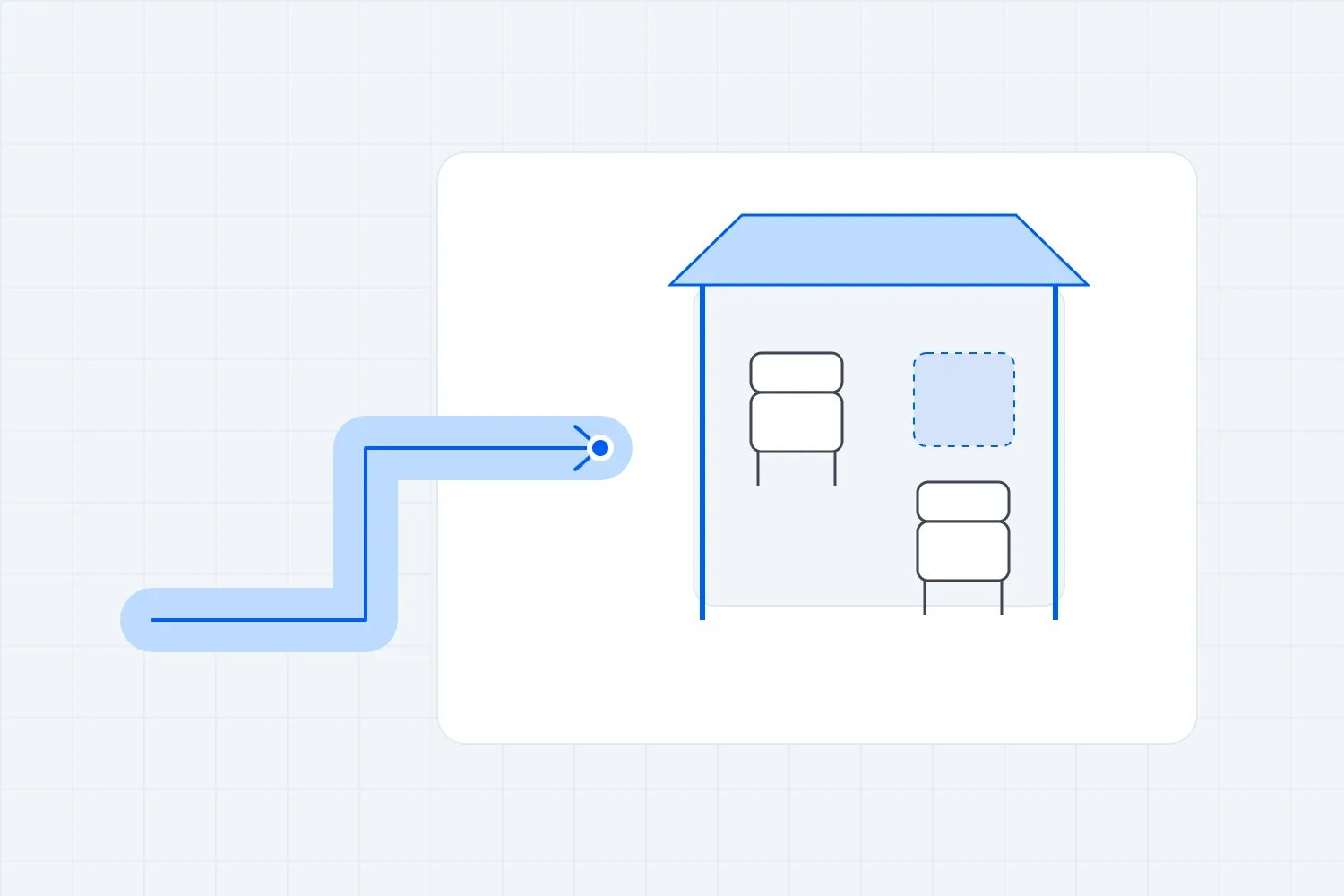
Start with a walk through the event as an attendee and a worker. Trace the route from transport to the gate, through admission and the audience areas, then back out at the end. Repeat it for deliveries, backstage work and removal. Write down where someone must remain outside and what they can do if they need relief.
Look beyond the advertised show time. Buyers may arrive early to secure a position, while contractors can be on site long before doors open. If the car park is distant, the journey carrying bags may matter as much as the entrance queue. Ask the venue who controls those spaces and what you can change there.
Pay particular attention to ticket promises. Does reserved seating put some buyers in prolonged direct sun? Does a premium viewing enclosure make leaving and returning difficult? Does the standing audience believe that taking a water break means losing its place? These are questions for your operating arrangements and customer information, rather than another sentence telling people to take care.
Britain's Health and Safety Executive advises organisers to understand their audience, activities, site access and infrastructure before settling the venue and site design. Use that approach to identify the places your heat plan needs to address. Its legal context is Great Britain; confirm the duties and permissions that apply where you operate.
Include the people the ticket total doesn't count. Vendors, artists, security, volunteers and visiting contractors need workable arrangements too. A contractor's own procedures need to connect with the site's water, rest facilities and emergency response. Confirm who is responsible at the boundary between their work and your operation.
Put the resulting actions into your event risk assessment. Describe the exposed activity, the people affected, the planned control, its owner and the condition that requires another decision. "Hot weather considered" won't tell a supervisor whether an unshaded holding area can open.
Get specialist advice before choosing a temperature limit
It would be convenient to have a single temperature that tells every outdoor organiser whether to open. Your audience, activity and site don't allow that shortcut. A seated evening performance and a daytime dance event can expose people very differently, even when the forecast displays the same number.
The US National Weather Service explains that heat index and other heat tools answer different questions. Heat index combines temperature and humidity and assumes shade with light wind. Wet bulb globe temperature also considers conditions including solar radiation and wind, making it useful when assessing active people such as outdoor workers.
Ask your relevant specialists which information they need, where it must be measured and how it changes the plan. They should explain how forecast warnings, on-site conditions and reports from the operation affect the decision. Don't copy an occupational work limit into the audience plan without checking whether it addresses that audience's exposure.
Agree who receives the advice and who can act on it. The event manager needs a named deputy, and supervisors need clear authority to report a failing provision or an immediate concern. The medical provider should know how to request a change to activity through event control.
Keep public health guidance in its proper context. The UK Health Security Agency's hot weather advice for mass gatherings applies to England and recommends planning for heat within event risk assessments. It supports adjusting activities and arrangements when extreme heat is forecast. It doesn't certify your event as safe because you've completed a checklist.
Use the official warnings and forecasts for your location, with the site assessment your advisers specify. Review the period before admission and after the programme as well. A cooler show slot can still involve difficult travel or a hot overnight campsite, so the public schedule alone doesn't establish the exposure.
Make drinking water easy to find and keep available
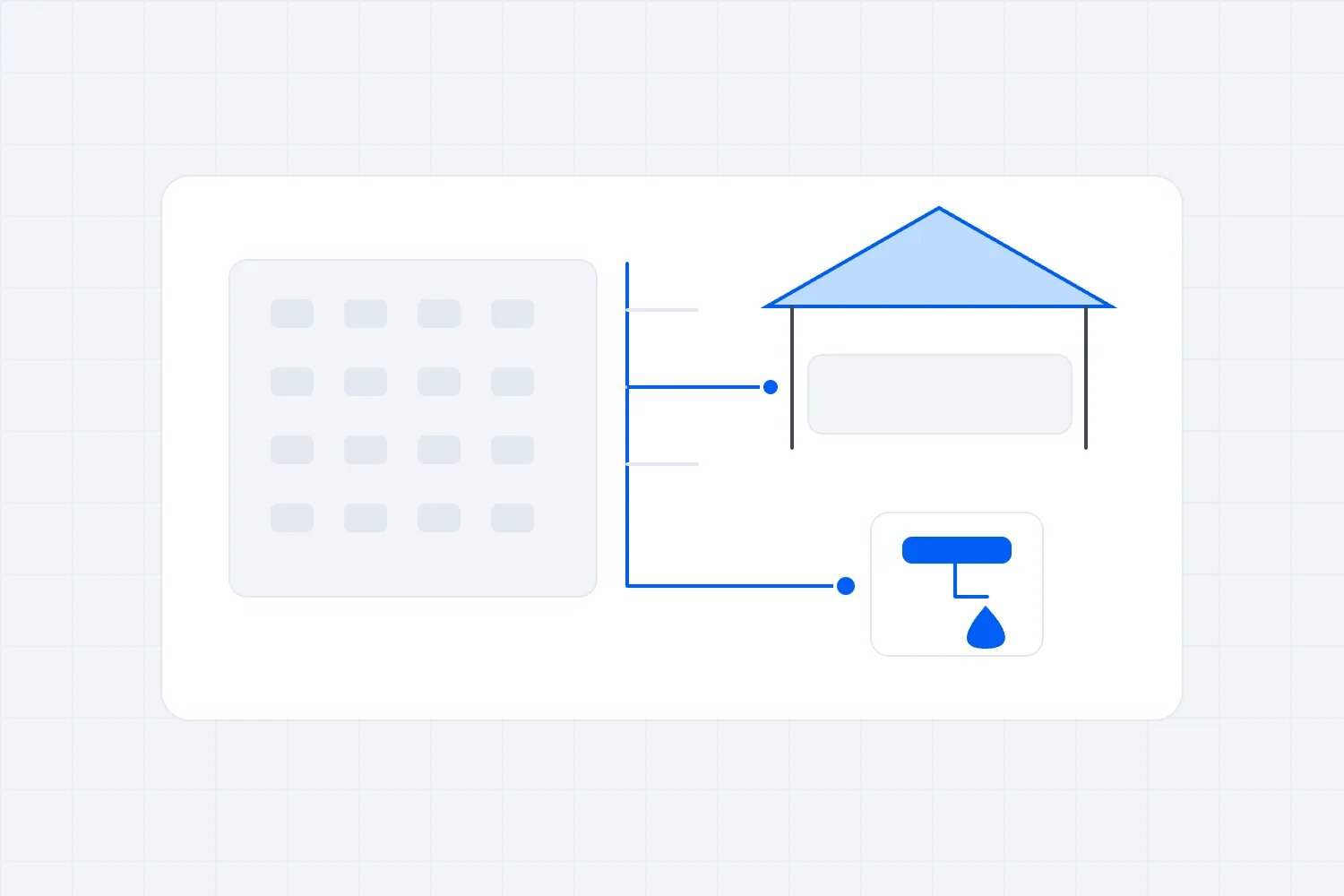
The first question isn't how many bottles you can buy. It's whether people can get safe drinking water where and when they need it. Have the competent supplier and relevant advisers specify the supply for your audience, workforce, event duration and conditions, including the applicable drinking water and hygiene requirements.
Then walk through the delivery. Who connects and checks the supply? Who knows when a dispenser needs attention? Can a refill vehicle reach the area during opening hours? Where does reserve stock sit, and who can release it? A purchase order confirms what you've bought; it doesn't confirm what attendees can use.
Western Australia's Department of Health recommends free, accessible cold water at heatwave events, including near main activities and in quieter areas. Its event checklist also calls for clear directions to water and toilets. That gives you a useful access question to test wherever your event operates, while local requirements determine your provision.
Ask the supplier to demonstrate the installed service under the conditions you expect. If several outlets share a supply, check what happens when they're used together. Assess waiting space with crowd management, and make sure spilled water doesn't make the route difficult or unsafe to use. Agree who inspects it during the show.
Bring security into the discussion before you publish the bottle policy. Buyers need to know which containers they can bring, where they can refill and how any restriction works with medical or access needs. The policy at the search point must match the website and buyer email. Resolve disagreements before the first person arrives carrying the bottle you told them to bring.
If drinking water becomes unavailable, the response needs to begin before reserve stock runs out. Name who reports the failure, who authorises the replacement arrangement and what activities may have to pause. Don't leave the gate team to keep admitting people while another team is privately trying to find a delivery.
Check shade where people actually need to wait
A large shaded area on the site plan can look reassuring while most of the waiting happens somewhere else. Inspect the gate, security search, toilets, water access and assistance point. Look at the route between them. Ask where someone can rest without making another purchase or explaining a medical condition to a stranger.
Visit at relevant times, or have the appropriate site team assess how shade moves during the event. A tree line that covers a morning queue may leave it exposed when doors open. A covered space can also become uncomfortable if ventilation is poor. Have cooling arrangements assessed for the actual conditions rather than assuming every roof provides useful respite.
Temporary shade needs the normal structural and site checks. Confirm its suitability, installation and operating instructions with the responsible supplier. Positioning it must account for emergency routes, underground services and access. A last-minute gazebo placed by an enthusiastic volunteer can introduce problems your approved plan never considered.
Ask how someone using a wheelchair or mobility aid reaches the facilities. The route, surface and outlet need to work together. A dispenser can be close to the entrance while remaining difficult to approach or use. Check the arrangement with the relevant access advisers, including what assistance is available and how someone requests it. Publish the confirmed information before travel so buyers can ask about a specific difficulty.
Keep the purpose clear when allocating space. A sponsor lounge with entry restrictions doesn't replace general audience relief. If you offer a quieter cooling area, explain whether it is for ordinary rest, medical assessment or another use. Staff need to direct people to the correct place without asking them to diagnose themselves.
Consider visibility and return arrangements. At a reserved-seat performance, explain how someone leaves for water and returns. At a standing show, work with crowd advisers on how people move out safely and what information reduces the pressure to stay put. Avoid promising that every person can regain an identical position when the operation cannot provide that.
Think about shade as a service that needs supervision. Who checks that the route stays clear, that the area remains available and that supplies haven't been stored there? If a cooling space becomes unusable, your plan needs another decision. Its label on yesterday's site map doesn't keep it operating today.
Reduce queues without moving the problem outside
Heat preparation often exposes an admission problem you've tolerated on milder days. Buyers arrive together, a search takes longer than expected and the queue grows faster than staff can process it. Adding a reminder to arrive early may make the exposure longer.
HSE's guidance on crowd controls at entry and exit covers phased arrivals, safe queuing and ways for people to leave a queue without entering traffic or pushing against it. Apply those considerations with the people responsible for your entrance. The safe arrangement needs to include the area before the ticket scan.
Test the whole admission process. Ticket checking may be quick while bag searches or queries about permitted items create the wait. Separate the questions that can be resolved before arrival, brief staff on the current rules and confirm how assistance works for someone who cannot remain in the normal queue.
If you introduce arrival windows, check that buyers can use them. A coach arrival or an infrequent train may determine when a group reaches the gate. Explain the arrangement and exceptions, and ensure there is somewhere appropriate for early arrivals. A ticket time doesn't stop people standing outside when the public transport timetable gives them no other choice.
Delayed admission needs particular care. Keeping the audience outside might protect an internal route while worsening heat exposure in an external holding area. Event control needs reports from both places before deciding what happens next. Give stewards a way to report changing conditions rather than simply repeating that doors aren't open.
Plan departure too. A large audience leaving together can queue for transport after a shortened show. Contact the relevant transport and venue teams about the proposed change while there is time to adjust it. Ending the performance and getting people away from the site are separate pieces of work.
Protect the crew through build, show and removal
Your workforce plan needs more than a supply of cold drinks backstage. Look at who carries equipment, wears protective clothing, works beside cooking equipment or stands in direct sun. Confirm the arrangements with employers and contractors, including people joining only for part of the day.
HSE's heat stress guidance for employers explains that workload, humidity and clothing affect heat stress alongside air temperature. It recommends reducing exposure and providing suitable recovery arrangements, with occupational health advice where needed. A worker moving barriers may need a different arrangement from someone seated in a sheltered ticket office.
Book sufficient relief to make breaks possible. If one person is the only qualified operator for an essential position, writing "take regular breaks" on their briefing leaves the scheduling problem unsolved. Ask the responsible contractor how the role will be covered and what must stop if cover isn't available.
The US National Institute for Occupational Safety and Health's workplace heat recommendations also cover gradual adaptation to heat, training and observing coworkers for signs of illness. Don't assume that a person arriving for a single event shift is used to the conditions. Discuss new or returning workers with the employer and appropriate advisers before assigning demanding tasks.
If you move work to a cooler period, check the consequences. Earlier deliveries may conflict with access permission or neighbours. Later removal may require lighting and longer staff cover. The revised schedule needs the supplier, venue and relevant specialists to agree it can operate, rather than appearing only in an email to buyers.
Include volunteers in the actual briefing and support arrangements. They need the same clear route to report feeling unwell, request relief and contact help. Nobody should have to finish a queue, get a manager's approval for a drink or find their own replacement before raising an urgent concern.
Agree what medical help looks like on this site
Ask the medical provider to review heat exposure as part of its event assessment. Discuss the audience, activities, operating hours, access and likely conditions. Confirm the facilities and response arrangements they require, then check that those requirements appear in the production plan and supplier bookings.
HSE's event emergency planning guidance advises including the visiting public in the assessment of first aid, medical help and ambulances. It also addresses how emergency services will reach the site and how patients will get to hospital. An assumption that an ambulance can come from nearby leaves important questions unanswered.
Train staff through the approved emergency procedure. They should know how to summon the medical team, describe their location and keep an access route available. Let the medical provider define what staff are expected to do within their training. A short briefing should make it easier to call for help, rather than ask stewards to distinguish conditions they aren't qualified to assess.
The NHS identifies confusion, seizures and loss of consciousness among signs requiring urgent help for heatstroke. Suspected heatstroke is an emergency. Activate your emergency procedure and the local emergency services without waiting for someone to finish an observation period. The NHS page is UK guidance; brief the right local emergency contact and clinical instructions for your event.
Keep medical details off public radios where possible under the agreed procedure. Staff can describe an exact location and request assistance without discussing a person's history across the whole operation. Let the provider handle clinical records and advice through its established arrangements.
Ask what happens if the provider's available capacity changes. An ambulance departure or several simultaneous calls may affect what the event can continue doing. The medical lead needs a direct route to event control, and the event manager needs to understand the resulting restriction before continuing admission or activity.
Tell buyers the arrangements before they travel
Your first heat update should answer the questions that determine a buyer's journey. Is the event proceeding? Have the times changed? What can they bring? Where are drinking water and rest facilities? What should someone with an access question do before leaving home?
Write from confirmed arrangements. "We're adding water stations" is premature if you haven't secured the supply and installation. "Free drinking water is available beside the entrance and behind the audience area" is useful once those locations and the service are agreed. Check every description with the person delivering it before sending.
Avoid making the reader infer the operational change from a general weather reminder. A buyer who sees a sunscreen post may still arrive at the old time with a container security refuses. Put essential information into the booking update and event information, then repeat it through the channels your audience uses.
With Loopyah's attendee email tools, you can send event updates to the people holding tickets, rather than export a list and try to assemble the recipients yourself. Prepare and test the message against the confirmed change. Your team still supplies the decision, the wording and the information buyers need.
Email should support on-site communication. Some buyers won't read it, a purchaser may hold tickets for friends, and someone already queueing may have poor reception. Brief gate staff, update public information and use the announcement arrangements assessed for your audience. Ask buyers to share essential information with the people attending with them.
For an illustrative update, the substance might read: "We've moved the performance later because of the forecast heat. Your ticket remains valid for the revised time shown below. Please check the updated entry and bottle information before travelling. Contact us using your booking reference if the change affects your attendance or access arrangements."
Replace that example with your confirmed times, facilities and buyer options. Don't imply a time change removes the heat risk, or promise a refund outcome before the responsible team has checked it. Keep urgent safety directions separate from the explanation of booking choices.
Approve heat spending while suppliers can still deliver
Extra shade, water distribution, relief staff, medical provision and schedule changes can all require money. Include the necessary controls when assessing whether the event is viable. Once advisers identify a provision the event needs, selling more tickets doesn't make it optional.
Ask suppliers what must be reserved now and what can genuinely be increased later. A quote is useful only if the equipment, delivery and crew remain available. Record the booking deadline, what activates the order and who is authorised to spend. Confirm the arrangement in writing with the supplier.
Use your event contingency plan to connect those costs with the alternatives. A later start may need extended hire, revised transport or additional labour. A reduced programme may affect the offer buyers purchased. Compare safe, deliverable options with the relevant commercial advice, rather than treating the cheapest variation as automatically acceptable.
Check sponsorship obligations and vendor arrangements when making changes. A relocation can affect contracted visibility or trading access. Discuss the revised delivery early, while the operating team continues protecting the welfare areas and routes it needs. Commercial partners shouldn't learn about a material change from an attendee's social post.
Keep a clear distinction between spending approval and urgent operating authority. The supervisor reporting a failed water supply shouldn't have to negotiate an invoice before following the agreed safety action. Decide the spending route beforehand so the person handling the incident can concentrate on the response.
Decide what happens when the provisions fail
A forecast review can tell you when to prepare, but some of the decisions will come from the operation itself. A closed rest area, failed water connection or missing relief worker can change what you can safely provide while the regional warning stays exactly the same.
Agree those responses with the responsible advisers when the plan is written. For each essential provision, ask what loss of service requires a restriction, which alternative is acceptable and who confirms it is ready. Staff need an instruction they can follow when the service fails, without waiting for a fresh committee discussion.
Consider a shaded holding area that becomes unavailable. The alternative might involve changing the admission arrangement, provided the revised route and capacity have been assessed. It might require delaying arrivals before people travel. If there is no suitable arrangement for people already present, the response needs the event's emergency and welfare teams. Simply closing the gate doesn't answer where those people will wait.
Treat changes to the programme with the same care. Reducing strenuous activity may be part of the assessed response, but moving everyone towards a smaller covered space creates another crowd problem. The relevant teams need to confirm where people can go, what that destination can support and how they will reach it.
If conditions require a pause, the announcement should state the action the audience needs to take. Confirm the wording for the actual site and situation in advance. Avoid language that sends everyone to the nearest shade when those areas cannot accommodate the resulting movement.
Resuming needs an explicit decision, too. Have the responsible people confirm that the required provision is restored, the current conditions allow the activity and staff are ready. A delivery arriving at the service gate doesn't mean water is available to the audience. Check completion at the point of use before treating the failure as resolved.
Keep monitoring and welfare cover during any pause. People still on site continue to need assistance, even while commercial teams discuss whether the remaining programme can happen. If the event cannot continue safely, use the agreed cancellation or postponement arrangements and continue managing departure.
Walk through a hot-day version of your event
Consider a fictional outdoor performance with reserved seating. During the planning walk, the team finds that the admission queue and part of the seating will be exposed. A small shaded area exists, but it is currently booked for sponsor hospitality. The nearest water connection is behind a service gate.
The useful response starts by bringing those owners together. The site and crowd teams review queue placement, circulation and access to relief. The water supplier checks the connection and distribution arrangement. The sponsor team agrees a revised hospitality location if the operating assessment requires that space for the audience.
Next, the production team tests a later programme with the venue, artists and contractors. They check permissions, technical work, lighting and departure arrangements. Medical and safety advisers assess the proposed operation. The event manager compares the viable options and confirms the decision while suppliers can still fulfil the orders.
Customer support reviews the buyer information against the new plan. A person leaving a reserved seat for water can return through an agreed route. The bottle policy is consistent at search and online. The email states the revised time and confirmed booking options, while on-site staff receive the same current information.
Now change one detail during the rehearsal. The planned water service becomes unavailable before doors open. Ask the supplier lead what alternative is ready, the gate supervisor what instruction applies and event control who confirms that the provision is restored. If the answers depend on calling someone who isn't on duty, resolve that gap before opening.
This exercise is useful because each answer changes another part of the event. Moving a queue can obstruct a delivery. Opening earlier can extend staff exposure. Adding a rest area can reduce usable audience space. Have the responsible teams review the complete revised operation together before accepting the change.
Finish with a plan the next shift can use
Before opening, collect the current operating version in the format your team can access on site. Include the responsible people, confirmed provisions, check arrangements, change conditions and communication instructions. The person taking over a shift should be able to establish what is operating and what remains restricted without searching old messages.
Check the people receiving that handover have the current contact details and can reach event control from their working position. A contractor may have been briefed at the start of the build but changed its supervisor before doors open. Ask who is now responsible and confirm that they understand any restrictions still affecting their work.
Keep a record of supplier confirmations where the duty manager can find them. That includes the person attending a failed service and the access arrangement they will use. If a replacement delivery requires a vehicle route to close temporarily, brief the relevant teams before the vehicle arrives. Confirm these details at each handover.
Use the following handover questions with the supervisors responsible for each area:
Can people reach the agreed water and cooling arrangements now?
Are the queue, audience routes and assistance arrangements operating as planned?
Who is covering staff relief and checking the provisions during this shift?
What changes require an immediate report, and who receives it?
Which customer message is current, and where is the next update published?
Record concerns and the action taken, including restrictions still in place. If heat, equipment failure or medical advice changes the operation, update the relevant teams and public information together. Don't leave a deputy working from a morning briefing after the afternoon decision has changed it.
After the event, compare the plan with what people could actually use. Ask where queues developed, whether staff got relief and which questions buyers kept asking. Review the findings with the responsible suppliers and advisers before the next booking. Fix the provision, contract or instruction that caused the problem while you still have time to change the next event.

Author: By the Loopyah Content Team
The Loopyah Content Team shares expert insights, practical guides, and industry updates to help event organizers create unforgettable experiences and stay ahead in the event planning world.