· 21 min read
Should a festival charge for campsite entertainment or include it?

You've sold the weekend, people have booked their camping, and now you're looking at the programme outside the main arena. A morning class. Games while the stages are closed. Something to do after the headline set. Should campers pay again, or should their camping pass cover it?
Include the shared entertainment that makes your campsite feel like the experience you advertised. Charge separately for activities with a clear extra benefit, limited places or meaningful costs per participant, provided campers can decline them and still enjoy the stay they bought. Then check that either approach pays for the programme you can actually deliver.
That last part matters. A free activity still needs a budget, and a paid activity can lose money after you've staffed its entrance and hired its equipment. Festival camping entertainment also happens beside people's temporary bedrooms. A programme that sells well but keeps the quiet field awake can create a problem across the whole festival.
Let's work through what to include, what you can reasonably sell, and how to plan the hours, people and costs behind the offer.
Start with the camping experience you've already sold
The first thing you want to do is read your own camping page as a buyer. What would someone reasonably expect after reading the description, watching the launch video and choosing their pass? If campsite entertainment helped persuade them to book, you need a meaningful included programme behind that promise.
A description promising a social village with daily activities creates a different expectation from a pitch with access to basic facilities. Neither description requires every workshop to be included. But advertising a busy campsite programme and then charging for almost everything people can do is an avoidable disappointment, even if the extra prices appear somewhere in the terms.
Write down the experience a camper gets without another entertainment purchase. Can they join a hosted game, hear a short set, find somewhere welcoming to spend a slow morning and understand what's happening? Or do they arrive to discover that the campsite is mainly a place where other people sell things?
Our guide to deciding which event extras to charge for separately explains the broader distinction between a complete admission offer and a genuine upgrade. Here, the extra complication is that campers stay overnight. Your decisions affect their sleep, their movements around the site and their experience before the main festival opens.
Don't quietly change the deal for people who have already bought. If an included session becomes impossible, work out how you'll address that change with existing buyers before publishing a paid replacement. Your next ticket release can describe a different package clearly; the first release still carries the promise you made.
Separate shared activities from optional sessions
A useful starting point is to include activities that many campers can enjoy together without expensive materials or complicated admission. Hosted quizzes, board games, a small welcome gathering and daytime acoustic performances can work this way. They're possibilities to assess against your audience and site, rather than a required campsite checklist.
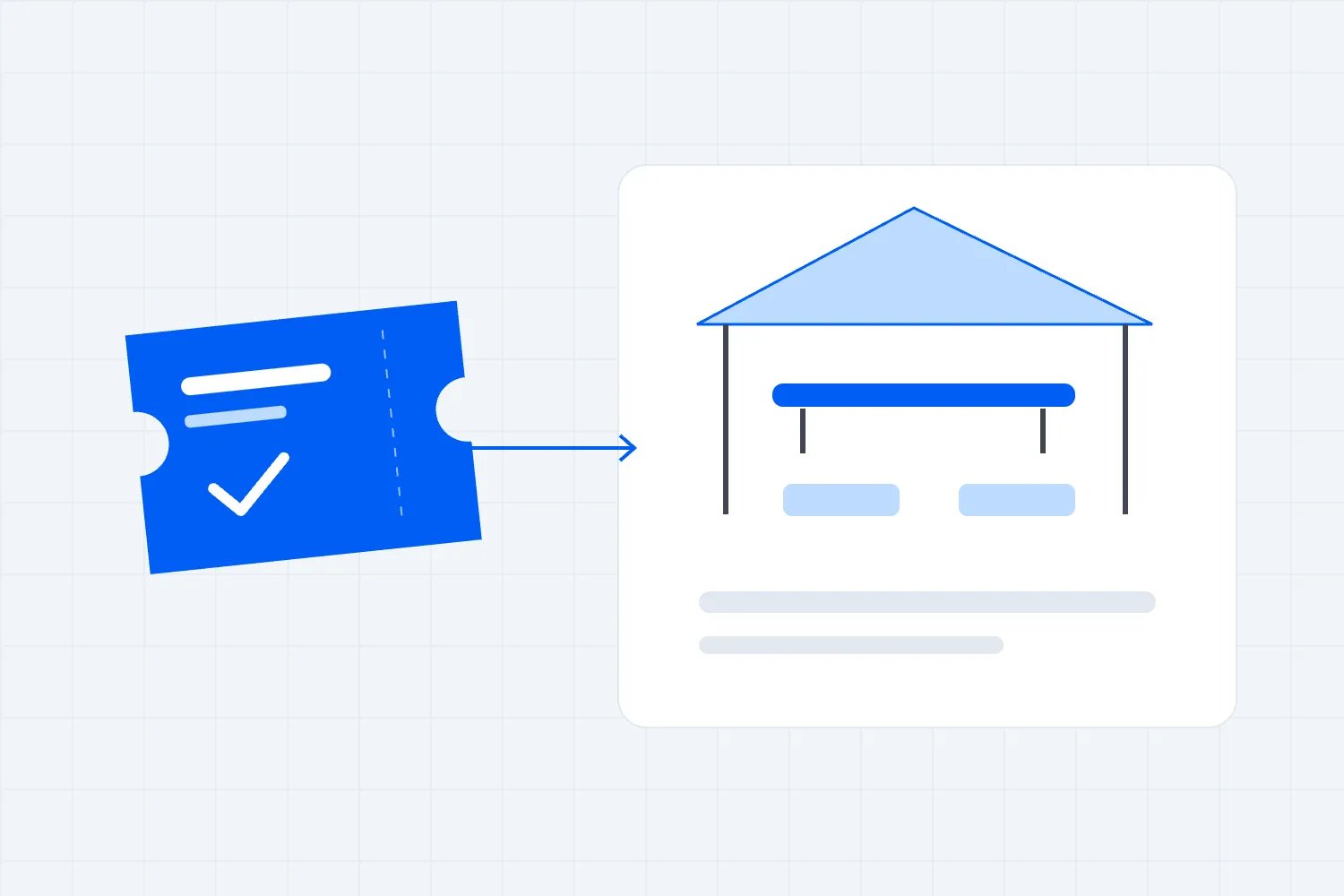
Paid sessions make more sense when each booking creates a real additional cost or secures something scarce. A supervised craft workshop with take-home materials, a small group session with a specialist instructor or a properly staffed excursion might qualify. Describe the particular benefit. A buyer should understand what their payment covers before choosing a time.
Capacity alone doesn't mean you must charge. An included activity can use reservations when space is limited, with fair booking rules and a sensible approach to unclaimed places. Equally, making something free doesn't allow you to overfill it. Decide its safe capacity and who manages admission regardless of whether money changes hands.
Consider how a group will experience the choice. If a few friends buy a premium workshop, do the others have a comfortable place to spend that hour? If the only sheltered social area becomes a paid venue whenever it rains, declining the upgrade becomes much harder in practice. Keep the included experience usable under the conditions you expect.
You can also include a shorter introduction and sell a more involved session later, as long as the introduction is worthwhile on its own. Explain the difference honestly. Don't advertise an included class that turns out to be a sales pitch for the class campers thought they were attending.
Give each part of the programme a reason to exist
Start with the gaps in the camper's day. Arrival can involve queues, tent setup and waiting for friends. Mornings can be slow, especially after a late show. Families may want something manageable before the arena opens. Other campers may want coffee and somewhere to sit without being drawn into an organised activity.
Those are different jobs. A welcome host near the social area might help new arrivals understand the site and meet people. A relaxed games session might suit the period before the arena opens. A booked craft workshop could be an optional activity people deliberately plan around. You don't need the same format running throughout the day.
Coachella's official camping information lists campsite activities including a silent disco, art studios and an activity tent. It's a useful example of treating camping as part of the festival programme. It doesn't establish what your audience wants, what every listed activity costs, or whether copying that scale would pay for your site.
Ask returning campers about the periods they found difficult or dull, rather than asking only which entertainment they'd like you to add. Someone might request more late music when their real frustration was an uncomfortable wait between arena closure and the campsite food service. Another performance won't necessarily fix the wait, the seating or the lighting.
Choose the smallest programme that addresses the important gaps. You can learn more from a well-run morning session and a successful welcome gathering than from a long schedule your campsite team cannot support. Leave enough unprogrammed time for people to enjoy camping together.
Protect quiet camping before you book late entertainment
A campsite programme needs a clear relationship with sleep. Decide where louder activities can happen, when amplified sound ends and how people return to their tents. Make those decisions before booking an act whose appeal depends on a late finish. Otherwise you're negotiating against a public promise and a supplier contract at the same time.
Quiet camping needs more than a label on the map. Think about sound travelling across the field, generators, service vehicles, queues and the route people take after entertainment finishes. A quiet area beside the return path from your late venue may be quiet during soundcheck and unpleasant when hundreds of people walk past it later.
Paradise City's camping information publishes its own quiet hours alongside campsite details. The useful lesson is to make the rule visible before people travel. Its hours are a policy for that event, not a standard you can copy without checking your licence, neighbours and campsite arrangements.
In Great Britain, the Health and Safety Executive's event noise guidance distinguishes audience and worker noise exposure from environmental noise nuisance, which is generally dealt with by local authorities. Protecting hearing, meeting local noise conditions and honouring a quiet-camping promise are related responsibilities, but passing one test doesn't automatically satisfy the others.
Have a named person who can reduce or stop the entertainment when the agreed conditions aren't being met. Brief performers, technicians and stewards about that authority. If everyone assumes someone else will make the call, your published quiet time can pass while the team argues over who is allowed to enforce it.
A silent disco still needs a campsite plan
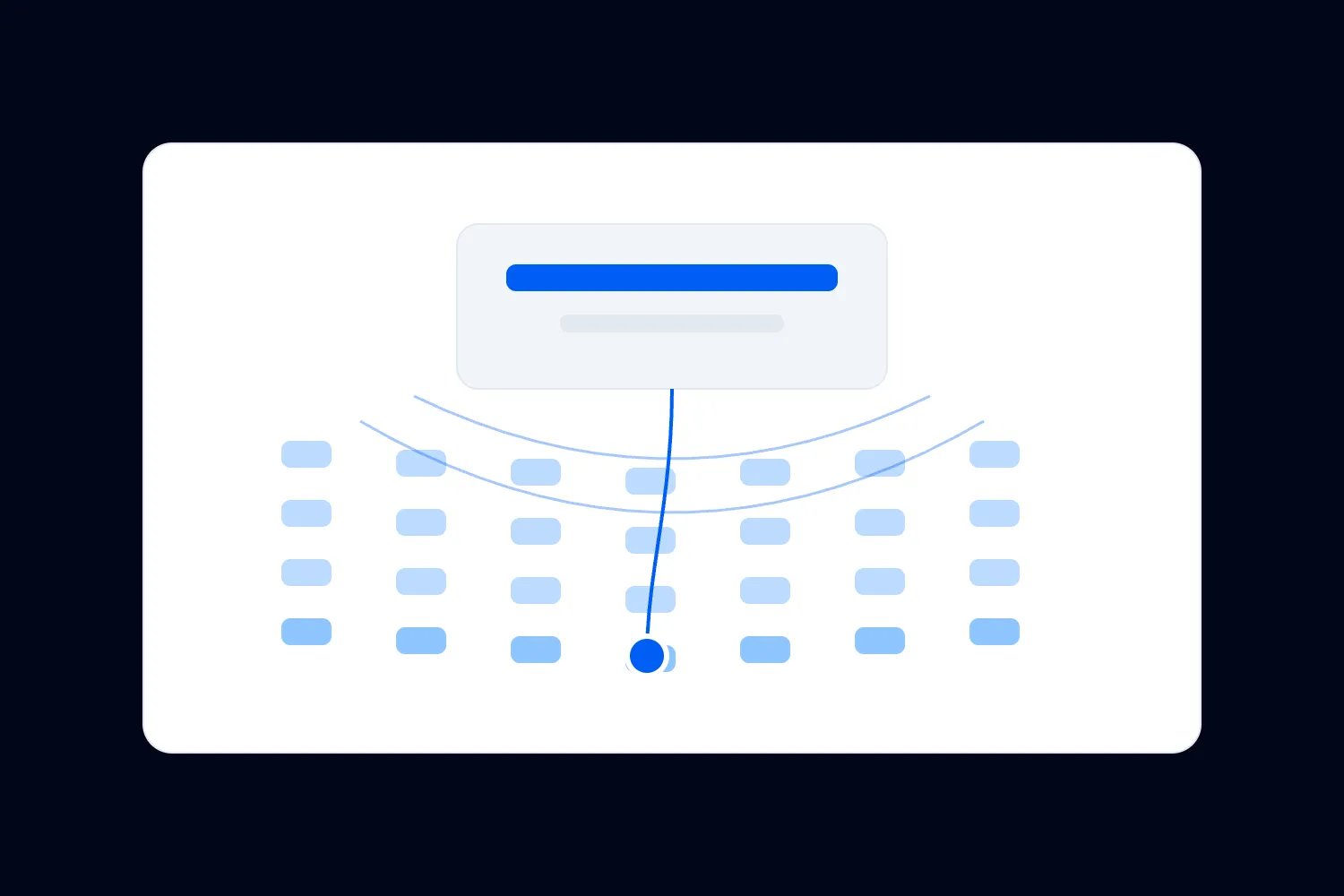
Headphones can reduce amplified music reaching nearby tents, but the surrounding activity remains. People sing, queue, collect equipment, talk outside and leave together. A late session may require lighting, welfare coverage and security for longer than the music itself. Treat those costs and movements as part of the proposal before calling it a quiet solution.
Check where equipment collection happens and where people wait when headphones run out. A queue should not block a route campers need to reach their tents or facilities. Decide how the session closes, how returns are counted and what happens if a headset is missing or damaged. Those details affect both staffing and the buyer's experience.
You might include access and charge a clearly explained equipment deposit, or sell a limited session if the benefit and costs justify it. Those are different arrangements. A refundable deposit isn't entertainment revenue, and your budget needs to reflect the conditions under which money is returned rather than assuming every payment becomes income.
Also think about the people who don't attend. They should be able to get to bed without walking through the entertainment entrance or negotiating a dense crowd. An optional session becomes a campsite-wide operational choice when it changes the routes, staffing or noise experienced by everyone else.
If you can't provide a suitable location and manage the finish, choose an earlier or smaller activity. There is no requirement to keep adding entertainment after the arena closes. A reliable late food service and a straightforward walk back to a well-managed campsite may be a better investment for your particular event.
Count the costs beyond the performer fee
When a supplier quotes for a campsite session, ask what the quote assumes. Does it include setup, equipment, travel, accommodation, power distribution, weather protection and removal? Which jobs remain with your crew? A cheap performance can become expensive if it requires another structure, a technician and extra hours from the overnight team.
Build the activity budget around the additional resources it actually uses. Some costs exist whether the activity runs or not, such as your basic campsite facilities. Others increase because you open a social area earlier or keep it operating later. Distinguish those cases so you don't hide extra labour inside the main festival budget.
Shared equipment still has a cost when it creates a clash. A small sound system borrowed from an arena stage may need transport, another soundcheck and a technician during a rest break. Check the complete timetable with production. Equipment isn't available just because the same festival owns or hires it.
For participant-led sessions, include consumables, cleaning, booking administration and the time between sessions. An instructor may be able to teach consecutive groups, but the space may need resetting before the next group enters. Decide who provides that labour and whether the ticket capacity assumes more places than the supplier can deliver.
Record the cost of cancelling as well as running. Your supplier may need a deposit before camper demand becomes clear. Weather decisions may arrive after a payment deadline. Know which commitments are refundable, which can move to another time and which become a loss if the activity doesn't proceed.
Test the price against the places you can sell
For a paid session, calculate what remains from each booking after its variable costs. Then compare that amount with the fixed costs you must recover. Use the number of places you can actually offer, after allowing for access arrangements and the operating layout. A theoretical full room is a poor basis for a booking decision.
Here's an illustrative calculation, using invented USD figures rather than a market benchmark. Suppose a workshop has fixed delivery costs of $600. Each participant costs another $5 in materials and other booking-related costs, and the ticket price is $25. Each paid place leaves $20 toward the fixed cost, so thirty paid places recover the $600.
If the safe session capacity is twenty-four people, the workshop cannot cover those fixed costs from that session's tickets under these assumptions. You'd need a different price, lower costs, another viable session or an explicit subsidy. Hoping for strong sales doesn't solve the capacity limit. You already know what happens at a sellout.
| Label | Paid places |
|---|---|
| Session capacity | 24 |
| Break-even | 30 |
Now suppose you can run two sessions using the same fixed setup. Confirm which costs really stay fixed and which recur. More instructor hours or a second equipment delivery can change the calculation. Don't divide one quote across multiple sessions until the supplier confirms the additional delivery is included.
Before settling on the price, compare the optional session with the included programme your campers can already enjoy. A specialist workshop can justify a separate purchase when its instruction and materials are clear. A generic games session becomes harder to sell if a similar included activity runs nearby. That doesn't mean removing the included option to make the paid one sell. It means choosing a premium offer with a more convincing reason to buy. Ask a few relevant returning campers to explain the difference back to you after reading the description. If they can't, revise the offer before paying for its promotion or committing the supplier to a larger booking.
Use your real fee, tax and refund treatment in the final budget. The example's figures simply explain the decision. If the activity supports the camping offer but won't pay for itself, you can still choose to include it. Record how much you're willing to spend and the reason, so an intentional subsidy doesn't become an unexplained overspend.
Include entertainment only when the wider camping budget supports it
An included programme has several possible funding sources. You might cover it through camping revenue, allocate part of the festival programme budget or secure a sponsor for a particular activity. Whatever the source, agree the amount before booking. Included entertainment needs the same spending discipline as something you sell separately.
Avoid assuming it will pay for itself through bar sales. Some campers won't drink, some will attend without buying anything, and sales might move from another bar you already operate. If your proposal depends on extra spending, explain how you'll distinguish additional income from money people would have spent elsewhere on your site.
For a first edition, it's reasonable to approve a modest included programme because it supports the camping experience you want to sell. That is a budget choice under uncertainty. It becomes less reasonable when a large entertainment bill relies on unspecified future loyalty or an optimistic claim that every camper will spend more.
A sponsor can make a shared activity possible, but the agreement may also create costs. Branded structures, product handling, extra staffing and promised reporting all need checking. Calculate what remains available for the activity after those obligations, and don't fund confirmed supplier contracts with a sponsor conversation that hasn't become an agreement.
Loopyah's event sponsorship tools let you describe priced packages and perks on a private page, with an approval option for packages you want to review. You still decide what a campsite sponsor can do and what you can deliver. Keep those promises specific enough that your site team can fulfil them.
Build a timetable people can use
Plan around arrival, arena opening, headline performances and campsite quiet hours. Then add the supplier's setup and closing requirements. A class that starts when most campers are carrying tents from the car park may look useful in a programme but miss its audience. A late workshop can also leave staff resetting a space after campers expect quiet.
Give people time to move between the campsite and the arena. Don't sell an activity that finishes at the same moment a major act starts unless you're explicit about the clash. Campers may knowingly choose one, but they shouldn't discover the walking time only after paying for both experiences.
Separate drop-in activities from booked sessions in the programme. A games area can operate over a broad period while an instructor-led activity needs a clear start, duration and arrival policy. If late arrivals would disrupt the session, explain that before purchase and make the entrance easy to find without asking several stewards.
Protect setup time and crew breaks as real timetable commitments. If the same person hosts a welcome activity, handles workshop admission and manages an evening show, check the hours rather than assuming they'll keep helping. A campsite often operates beyond the arena's public programme, and those extra hours need someone assigned to them.
Prepare a simpler version of the day for poor weather or a delayed supplier. Decide which included activities can move under suitable cover and which paid sessions must stop. Keep the decision authority clear. Agree who updates the campsite information board and who contacts booked participants, so a cancelled session does not leave campers waiting at an empty tent. Campers need accurate updates, and suppliers need to know whether they're waiting, relocating or cancelling before conflicting instructions spread.
Check permissions for the actual activity and location
Your festival's existing permissions may have been agreed around particular areas, operating hours and activities. A campsite stage or film screening can change those details. Give the relevant authority the actual proposal, including its location, audience and finish, rather than asking whether you can add something small and entertaining.
For England and Wales, the government's entertainment licensing guidance explains that requirements depend on the circumstances and entertainment type. It also distinguishes entertainment licensing from copyright authorisation for films. Don't assume a campsite screening is covered because admission is included, or because someone has a personal streaming subscription.
Keep the different checks separate in your supplier discussion. Permission to use the land doesn't settle music or film rights. An entertainment permission doesn't replace your assessment of the activity's safety. And a supplier's insurance doesn't tell you whether your festival's policy covers the arrangement you've actually proposed. Ask the relevant people about the specific plan.
For physical activities, excursions or sessions involving children, confirm the competence, supervision and procedures required for that activity. Don't let an entertaining description replace those decisions. If a supplier cannot explain how they deliver safely, choose a different activity or supplier before you start selling places.
The HSE's guidance on managing an event describes the organiser's responsibilities in Great Britain, including coordination, competent staff and monitoring. It's a useful organising principle for campsite programming too. Appointing a supplier means agreeing responsibilities and checking their work, rather than assuming the activity becomes separate from your festival.
Make access and welfare part of the programme decision
An included social activity should be usable by the campers you invite to join it. Check the route, ground conditions, seating, lighting, toilets and information about what participation involves. A workshop described as suitable for everyone can still exclude someone if its entrance is up a step or its instructions rely entirely on hearing a host.
Ask suppliers what they can adapt and what notice they need. Give campers a straightforward way to discuss access requirements before booking without requiring unnecessary personal details. Confirm the arrangement with the person responsible for delivery. A supportive reply from customer service doesn't help if the instructor receives no relevant information before the session.
Think about welfare coverage during the actual operating hours. If an activity begins before the arena opens, don't assume the arena team is already available. If entertainment continues after the last performance, check who responds to an incident and how they reach the location. Brief the campsite team on escalation and the nearest appropriate support.
Give spectators somewhere safe to wait when an activity attracts an audience. Parents watching a session or friends waiting outside can affect routes even when the booked group is small. HSE's crowd management guidance covers planning for people's movement through an event; assess the surrounding space as well as the activity itself.
These decisions can change whether the programme is affordable or suitable. That's useful information before a contract. If an activity needs resources you cannot provide, reduce its scope, move it to a better location or select another format. Don't use a cheap ticket price to justify delivering something your site cannot support.
Explain the offer before campers pay
On the camping page, state which entertainment is included and which sessions cost extra. Describe who can attend, whether reservations are required and whether a festival ticket alone gives campsite access. A day visitor should not buy an activity only to discover they also need an overnight camping pass to reach it.
For each paid session, explain its time, meeting point, duration, minimum age, capacity and what the price includes. Add relevant clothing or equipment requirements, access information and your cancellation arrangements. Keep the information close to the booking choice. People shouldn't have to piece together several pages to understand what they've bought.
Use clear names for the admission rights you sell. Loopyah's ticketing tools support different ticket types and QR ticket check-in, which can help you distinguish offers and check valid tickets. Confirm the specific setup for your camping and activity admission before launch. A ticket type by itself doesn't establish how a campsite entrance recognises it.
Send practical information to the right buyers. Loopyah's attendee email tools support audience selection using purchase information and scheduled sends. You can use that to communicate relevant plans without exporting your audience. Keep an operational update about a booked session separate from an offer encouraging someone to buy another activity.
On site, keep the programme and meeting points easy to find for someone with a flat phone. Tell the information team which sessions have spaces and where changes are announced. A camper who understands the offer is easier to help than someone carrying a confirmation for an activity staff didn't know existed.
Test a smaller programme before extending it
Before adding a full weekend of sessions, try one activity at the time and place you think will work best. Use an existing suitable space if it is genuinely available, and agree a manageable commitment with the supplier. You're testing whether campers want the activity under festival conditions, including the walk, the weather and the competing programme.
Measure attendance against the people who could realistically participate. A morning session for adult campers should not be judged against every ticket sold, including day visitors and children. Record bookings and actual attendance separately. A full reservation list with many empty places tells you something different from a session nobody booked.
Ask participants a specific question about the decision you're making next. Would they attend again at the same time? Was the meeting point clear? Did the materials justify the price? Ask nearby campers about disturbance as well. An enthusiastic group can enjoy an activity that creates more problems for the surrounding field than your team intended.
If the session sells out, check why before expanding. You may have priced it below its delivery cost, offered an unusually popular instructor or attracted a small audience that won't fill another session. A waiting list is useful evidence, but people waiting without paying aren't confirmed customers. Increase commitments only when the budget still works with a cautious attendance assumption.
A trial should also test the staff handover. Have the session lead explain what was missing, what took longer than expected and which questions reached them repeatedly. Fixing unclear directions or a late equipment delivery may improve the experience more than adding another activity. Use that knowledge before announcing a bigger programme for the next edition.
Decide how you'll run bookings and handle changes
A paid programme creates work after the sale. Decide who owns the attendee list, how changes reach the session team and how staff confirm a booking. If a supplier sells directly, agree who handles questions, refunds and complaints, and make the seller's identity clear to campers. Don't leave that discussion until a session is cancelled.
Set a booking deadline when the supplier needs a final number for materials or staffing. Decide whether walk-ups are possible after that point and who can authorise them. A spare chair doesn't necessarily mean a spare place if the supplier has prepared a fixed quantity of materials or has reached their supervision limit.
For included reservations, explain what happens when someone doesn't arrive. A release time can help waiting campers use spare places, but apply it consistently and consider people who need longer to reach the session. Keep any refund or deposit policy distinct from the practical process of admitting someone to an available place.
Tell suppliers how they report attendance and incidents without collecting unnecessary information. The festival needs enough detail to settle payments, resolve genuine booking problems and improve delivery. It doesn't need a separate informal database of every camper's personal circumstances passed between teams on phones or paper that nobody controls.
After the festival, review each activity's actual costs, attendance, booking problems and effect on nearby camping. Read the complaints about sleep alongside the positive comments about entertainment. When you build the next programme, keep the activities that justified their cost and could be delivered well. You can include a worthwhile shared experience and still say no to an expensive session that didn't work.

Author: By the Loopyah Content Team
The Loopyah Content Team shares expert insights, practical guides, and industry updates to help event organizers create unforgettable experiences and stay ahead in the event planning world.