· 28 min read
How do you run a useful event production meeting?
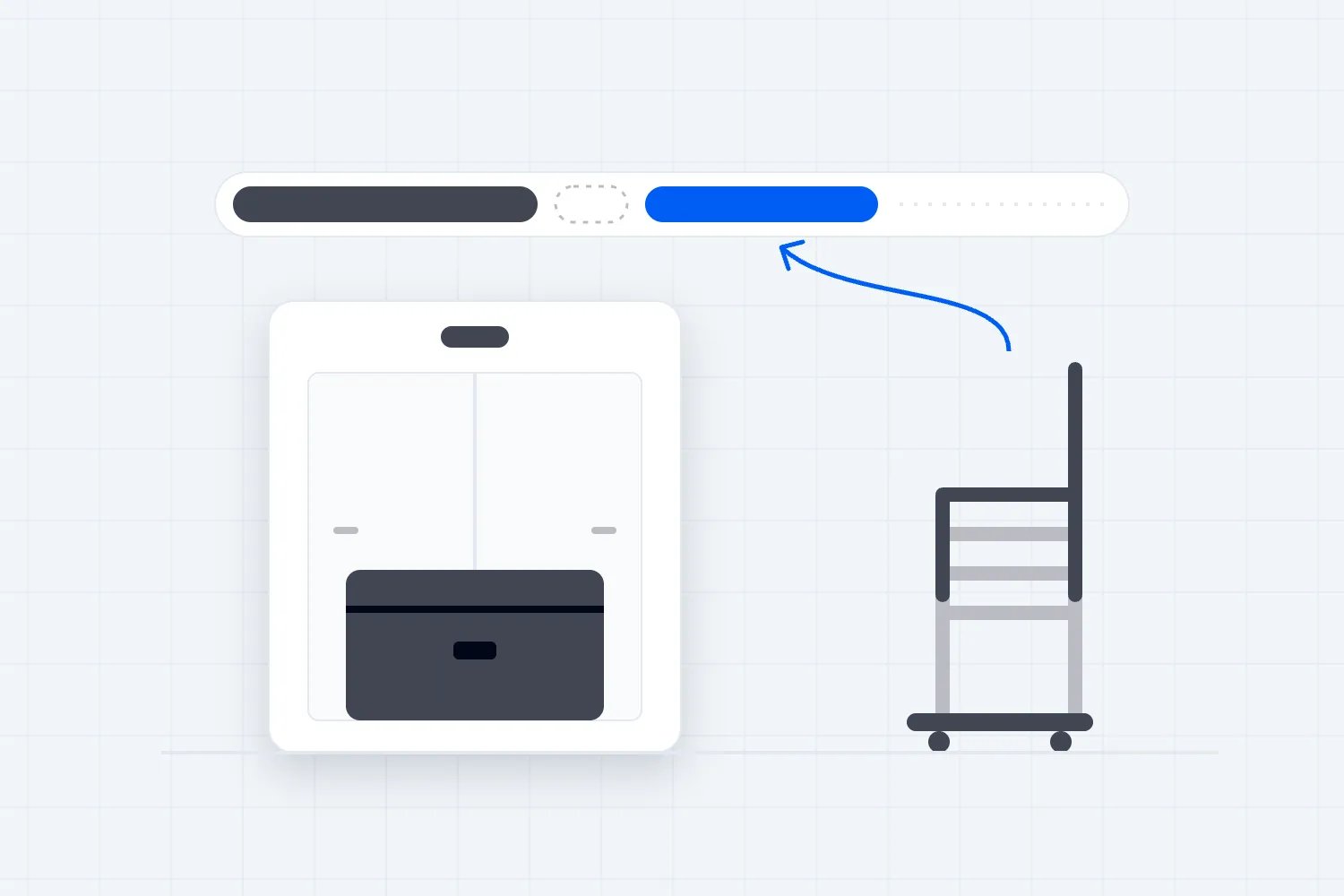
Your furniture supplier is ready. So is the AV team. The venue has confirmed access. Yet both suppliers expect to use the same goods lift at the same time, and neither can finish its work until the other has moved. Everyone's update was accurate. The combined plan still doesn't work.
That's the problem a production meeting should solve. Bring together the people who can explain the conflict, agree a workable arrangement and authorise what happens next. Routine progress belongs in the written update people read beforehand. Use the conversation for work that needs a decision across teams.
A useful event production meeting agenda starts with changed conditions and urgent dependencies, then works through the specific decisions holding up delivery. Finish by confirming who will act, when they will act and who needs the resulting instruction. If a decision can't be made yet, name the missing information and the person getting it before the opportunity to act disappears.
This guide includes a copyable agenda and a worked example for a paid conference. We'll follow the example beyond the meeting, because agreeing to change a delivery isn't the same as the supplier accepting it or the furniture arriving. All example people, dates, timings and prices are invented planning assumptions. They aren't industry benchmarks, recommended staffing levels or technical instructions.
Give the meeting a job your written updates can't do
Start by asking what will be possible after the meeting that isn't possible now. Perhaps a supplier can finally book transport. Perhaps production and front of house can agree which room will hold registration. Perhaps the director needs to choose between an additional cost and removing something the event hasn't promised buyers.
Those are useful reasons to get people together. "We always meet on Tuesdays" tells you when people gather, but says nothing about what their attendance achieves. Keep a regular slot if it helps coordination. Still require a purpose for the particular meeting you're about to hold.
You don't need to discuss every unfinished task. Work can be incomplete and progressing exactly as agreed. A speaker sending their slides tomorrow isn't automatically a problem today. It becomes a discussion when tomorrow's submission would leave insufficient time for the technical check, or when someone needs to decide what happens without the slides.
Separate updates into things people can read, things a single owner can resolve, and things that need joint discussion. The first group goes into the current plan. The second goes directly to the responsible person. Build the meeting around the third, while making significant changes visible to everyone affected.
The distinction also helps you avoid using the wrong meeting. A production meeting resolves arrangements between the people planning and delivering the event. A team briefing tells the people working a shift what the settled arrangements require of them. You may need both. Don't make a scanner wait through a supplier negotiation to discover which entrance they're covering.
Once people are onsite, coordination needs active attention beyond the meeting itself. Great Britain's HSE event management guidance calls for cooperation, a coordinated phased programme and relevant information for contractors. It also distinguishes that coordination from taking responsibility for each contractor's individual technical work. Your meeting supports those arrangements; it doesn't replace competent planning, supervision or monitoring.
Prepare the decisions before sending the invitation
The first thing you want to do is ask department leads what's stopping their next piece of work. Ask them to name the task and what they need from someone else. "We're waiting on production" is too broad to discuss. "We need the accepted screen position before the supplier can finalise the equipment list" gives you a question to resolve.
For each proposed item, get the current facts, the consequence of leaving it unresolved and the latest useful decision time. That last detail matters. A supplier's booking deadline might arrive well before the next planned meeting. If the choice expires this afternoon, putting it on Friday's agenda is already too late.
Ask for a recommendation where the person has enough information to make one. A lead who knows the venue and supplier can usually explain which option they favour and why. They don't need a polished presentation. They do need to distinguish a confirmed option from something they hope another party might accept.
Put supporting evidence behind a short description. Include the relevant drawing version, supplier response or venue instruction. Describe what changed since the last accepted plan. People shouldn't spend the opening discussion discovering that one person is reading yesterday's layout while another is reading a revised version.
Use the production schedule to expose connections between tasks. A delivery entry should identify the space or equipment it needs and the work that follows it. Read the agenda against those connections. An item affecting a shared loading area deserves discussion with the other users, even when its own supplier considers the change minor.
Send the agenda early enough for the actual participants to check their information. The right notice depends on the work. A planning discussion may allow days; a changing build may require an immediate conversation. Either way, make clear what participants need to bring and which questions they are expected to answer.
Don't quietly turn missing preparation into a reason to guess. If a quote hasn't arrived, mark it as missing and assign the person obtaining it. You can still discuss the decision criteria, identify unacceptable options or agree a properly authorised conditional choice. You can't describe an unknown price as an agreed cost.
Turn a vague update into a prepared question
Suppose the draft agenda says, "Discuss signage." Ask the lead what the meeting must decide. They explain that the designer needs the sponsor's final line before producing the print file. Now the item has a useful purpose. You're resolving an approval gap, rather than inviting everyone to offer opinions about signage.
Write a short preparation note in ordinary language. "The designer has the accepted logo but is waiting for the welcome message. The printer needs approved proof by Tuesday at 15:00. Sam needs to obtain the sponsor's approval, or agree an acceptable alternative with the relevant parties before that deadline." Attach the current artwork and the sponsor's actual response.
That note lets participants prepare different contributions. Sam checks who can approve the wording. The designer confirms what production time is required after the answer. The person coordinating print checks the deadline and what the supplier considers an accepted file. Each contribution helps the same decision, without requiring a presentation from every department.
Make the question narrow enough to answer while preserving its consequences. You still need to know whether a proposed line changes a contractual commitment or requires a further review. You don't need to reopen the event's entire sponsor strategy to resolve this particular file. If a broader problem emerges, give it its own owner and decision route.
Invite people for the decisions they can help resolve
An invitation should explain why the person needs to be there. For the lift conflict, you need the supplier coordinators, the venue contact who can confirm availability and the person authorised to accept any extra charge. Inviting every person on each supplier's crew would add attendance without necessarily adding an answer.
Keep a small continuing group when the event needs regular coordination. Bring specialists into the relevant part of the discussion and let them return to work when their contribution is complete. Tell them when that part starts, and check that the timing works rather than leaving them waiting through an unrelated commercial conversation.
Decision authority needs to be explicit. A producer may coordinate the plan while a director approves additional spend. A venue coordinator may relay information while another person controls a particular permission. Learn those boundaries before the meeting. Seniority in your business doesn't automatically confer authority over a venue or specialist contractor.
US OSHA's communication and coordination recommendations address worksites involving host employers, contractors and staffing agencies. Among other measures, they recommend planning work together and having managers with decision authority available for coordination issues. Apply the relevant responsibilities for your own jurisdiction and arrangements. A meeting invitation on its own doesn't establish who holds those responsibilities.
Name someone to chair and someone to capture the outcomes. A small team can combine the jobs, but be realistic about whether the chair can listen, challenge an assumption and type an accurate decision simultaneously. Ask another participant to check the final wording when the consequence matters.
Make participation workable for remote attendees and people with access needs. Share readable material beforehand, use a connection they can actually access and avoid making a tiny drawing on a shared screen the only way to understand an item. Someone who can't see the revised loading arrangement can't meaningfully confirm it.
If a required decision maker can't attend, arrange a deputy with the necessary authority or a separate decision before the deadline. Don't assume that having their assistant on the call counts as approval. Record what remains unapproved and what the team is allowed to do while it waits.
Copy this event production meeting agenda
Use the following as a starting agenda, then adjust it to the work. The time allocation describes an illustrative 35-minute meeting. It isn't a rule for every event, and the chair should change the order when a genuine operational priority requires it.
Meeting details and preparation
Event, venue and meeting date: identify the particular event and the areas under discussion.
Start, finish and clock: state the time zone, especially when suppliers join remotely.
Chair and outcome recorder: name the people running the discussion and maintaining the record.
Required participants: connect each person's attendance to the decisions they can inform or approve.
Current documents: link the accepted schedule, relevant drawings, budget forecast and existing actions.
Purpose: state what the team needs to resolve before leaving.
Opening, 0 to 5 minutes
Confirm what has changed since the agenda was prepared and whether any item has become urgent. Check the fixed milestones and the decision deadlines people are working towards. Correct the document versions before discussing their contents.
Review previous actions only where their status changes today's decisions. If an action is complete and the next team has what it needs, record that without retelling the whole conversation. If it's overdue, establish the actual consequence and decide who needs to help.
Blocked work and shared resources, 5 to 15 minutes
Take the items where one team's next task depends on another team, the venue or an external approval. Identify the affected location, the confirmed facts and what prevents work proceeding. Discuss shared access, equipment, people or information where they create a conflict.
For each item, agree the option, identify remaining conditions and name the person responsible for the next action. If the choice affects later tasks, check those consequences with their owners before calling the item resolved.
Commercial and programme decisions, 15 to 25 minutes
Review proposed changes affecting cost, scope, the advertised offer or significant commitments. Confirm the option's full relevant cost and who can approve it. Identify any supplier or venue acceptance still required and any effect on attendee information.
Record a decision as approved, rejected or awaiting specific information. Avoid "agreed in principle" unless the record states exactly what has and hasn't been authorised. Give unresolved items an owner and a response time that precedes the actual decision deadline.
Instructions, follow-up and readback, 25 to 35 minutes
Confirm the resulting actions, their named owners, deadlines and completion evidence. Identify which schedule, brief, order or attendee message needs changing. Agree who will issue each instruction and how the relevant recipient will acknowledge it.
Read back the consequential decisions and unresolved conditions. Check that the people accepting actions have understood them. Confirm the next review point, then release people whose work is clear. Don't use the remaining minutes to reopen every item without new information.
The agenda works best when the individual discussion items are already prepared. Keep this short item form underneath it for each question requiring joint attention.
Task and location: what work is blocked, and where?
Current evidence: what is confirmed, and which document or response supports it?
Missing input: what do you need from another person?
Consequence and deadline: what changes if the decision is late?
Options and recommendation: what can actually be done, and which option does the lead recommend?
Decision owner and required agreement: who can authorise the choice, and whose acceptance is still needed?
Outcome and follow-up: what was decided, who acts next, when and how will completion be checked?
You can share a shorter version with a supplier joining for one item. They need the current question, relevant evidence and the outcome affecting their work. They don't automatically need the organiser's full financial forecast or another supplier's confidential quote. Decide what each recipient needs before forwarding the meeting pack.
Chair the discussion until the next action is clear
Start an item with the question the team needs to answer. You can give enough context for people to understand the problem without replaying every email. "Can we move the furniture delivery to the later lift slot, and who will approve the additional charge?" is easier to resolve than "Furniture update."
Ask people to separate observation from assumption. "The supplier offered a later arrival" is a fact if you have its response. "The venue should be fine with it" is an assumption until the venue confirms. The chair needs both stated honestly, because they lead to different kinds of decision.
Then check the effect on other work. A later delivery might solve the lift conflict while delaying furniture placement, room checks or rehearsal. Ask the receiving lead what must be ready afterwards. You don't need the whole crew to calculate a new programme during the call, but you do need someone competent to confirm whether the proposed sequence is workable.
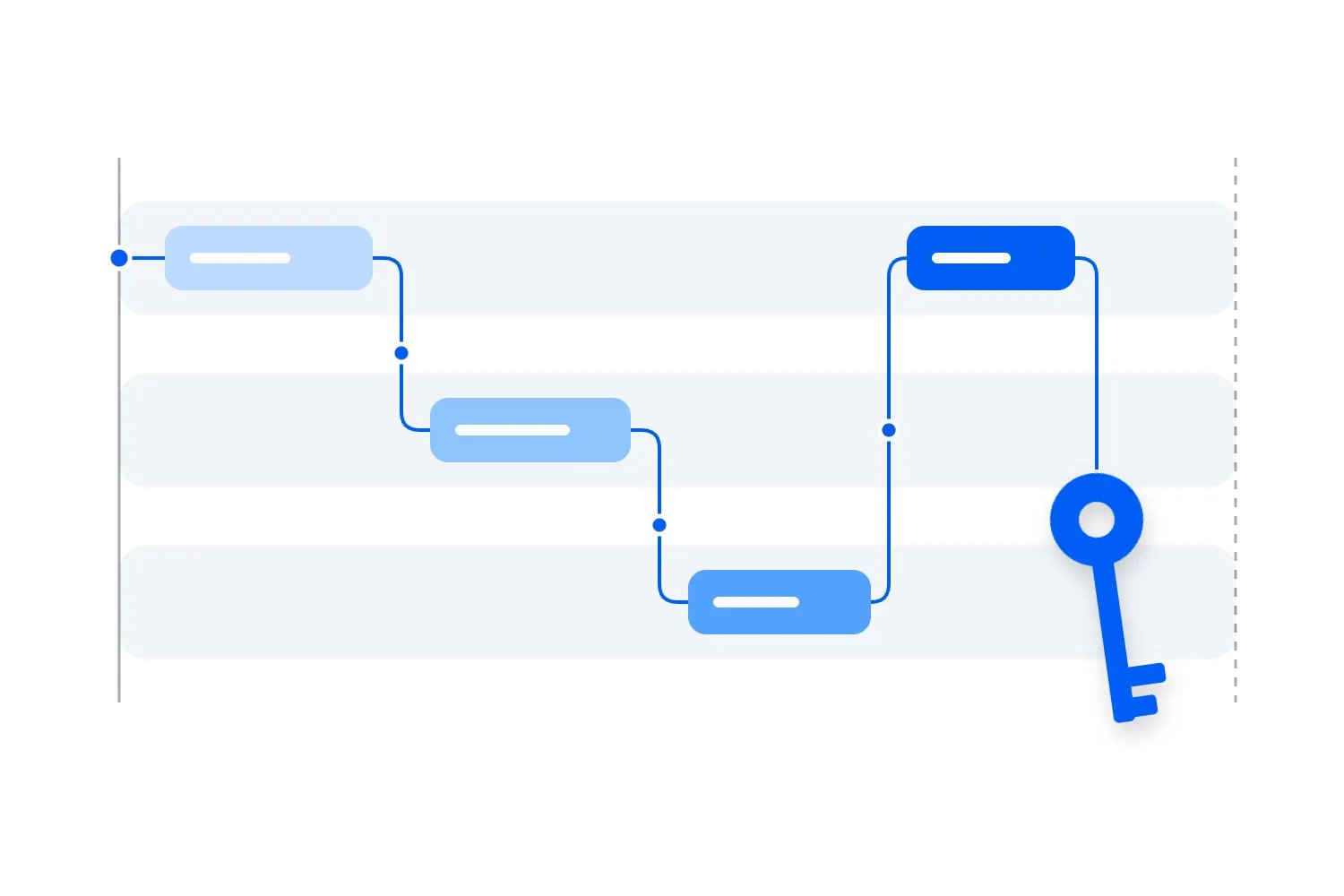
Our guide to the critical path in an event plan explains how connected tasks determine the earliest finish. Use that analysis when timing is the deciding issue. A meeting label such as "high priority" doesn't tell you whether moving this task actually changes readiness or simply uses available flexibility.
Where a change affects an approved plan, assess more than the immediate request. The Association for Project Management's change control guidance includes evaluating effects on time, cost, resources, risks and other relevant criteria, followed by a decision and an updated plan. For your event, that means checking who else needs to work differently before issuing the instruction.
Keep the conversation candid. Ask, "What would prevent you delivering this option?" A supplier saying it cannot accept the new time is useful information. Treating that answer as disloyalty encourages people to make promises they can't keep. The problem returns later, when fewer alternatives remain.
If discussion starts repeating, identify what's missing. Sometimes the choice needs a specialist check. Sometimes the options are clear but nobody present has approval authority. Assign the missing step and stop asking the same people for a different answer. When the deadline is immediate, contact the required person through the agreed escalation route.
Follow a conference meeting through to the actual result
Here's a fictional example you can adapt. Northbank Business Forum is a paid conference on Friday 4 December 2026. Doors are advertised for 09:00. The venue build happens on Thursday 3 December, with its own accepted work plans and competent supervision. This example covers a few coordination decisions, rather than specifying the event's complete production or safety arrangements.
The production meeting runs on Tuesday 1 December, 10:00 to 10:35, using UTC+0 throughout. Maya, the producer, chairs it. Jo records the outcomes. Sam, the event director, can authorise changes to the agreed commercial plan. Ellis represents the venue, Karim coordinates AV, Amina coordinates furniture and Rosa leads front of house. Their titles describe the fictional responsibilities agreed for this event.
Before the meeting, Jo gathers three prepared items. The first is a lift booking conflict. The second is an unanswered question about the printed sponsor welcome panel. The third is a registration test that Rosa can complete within the existing plan. The written update already covers ordinary supplier progress, so nobody needs to present a department report.
The lift conflict needs a conditional commercial decision
The current schedule gives AV the goods lift from 13:00 to 14:00 on Thursday. Furniture is also booked to arrive at 13:30. Amina's supplier has offered a 14:15 arrival for an additional $300, but it needs an instruction by 11:30 on Tuesday to retain that option. All money in this example is USD.
Ellis can take the proposed slot to the venue's responsible booking manager, but can't confirm it during the meeting. Amina has checked with the affected leads that the proposed furniture delivery window, 14:15 to 15:00, allows the subsequent work to follow the revised plan. Those are fictional accepted durations for the example, not standard delivery or installation allowances.
At 10:15, Sam approves the additional $300 subject to the venue accepting the slot and the supplier confirming the booking. Maya is authorised to instruct the supplier after the venue acceptance, within that price. She isn't authorised to accept a higher quote or change the event's doors time.
The record stays conditional. Maya must obtain the venue response by 11:00, with an earlier follow-up at 10:50, because the supplier's offer expires at 11:30. If the venue refuses or hasn't answered by 11:00, Maya contacts Sam immediately to choose the next step with the relevant leads. Nobody assumes that a missing response means permission.
This is already useful progress. The director has made the commercial choice, Maya knows what she may instruct, and everyone knows what remains unresolved. Calling the delivery "confirmed" at 10:15 would lose that distinction and could send the supplier to an unavailable lift.
The sponsor panel needs information before artwork can proceed
The sponsor has approved its logo, but the written package doesn't settle which of two proposed welcome messages should be printed. Jo has obtained the current artwork from the designer. Production is waiting for a final approved line, and the printer needs accepted proof by 15:00 on Tuesday for the agreed service.
The meeting doesn't vote on wording on the sponsor's behalf. Sam owns the organiser's relationship and will ask Erin, the sponsor's approver, to confirm the line by 12:00. Nia, the designer, can prepare the approved version afterwards. Jo will coordinate the proof check with Sam and Erin. Any additional scope or cost must return to Sam before instruction.
At 12:00, the sponsor hasn't answered. Jo flags the missed response time and Sam contacts Erin. Erin confirms the line at 12:20. Nia issues the revised artwork at 13:00, Sam and Erin accept the proof at 13:30 and Jo sends it to the printer. The printer acknowledges the accepted file at 13:40, before its 15:00 deadline.
Notice what the meeting achieved. It identified the exact missing answer, the person obtaining it, the print deadline and the follow-up if the answer was late. The design team didn't have to attend a long conversation about wording it wasn't authorised to approve.
Registration preparation can continue without another decision
Rosa's item is different. Her team needs to test the door staff's ticket access before the event. The roles and devices are already agreed, nobody needs additional spending approval and no other department is blocking the test. She reports the scheduled check in the written update and raises any failure directly with Maya.
With Loopyah ticketing, you can add admins and door staff without sharing your login, and give door staff check-in-only access to scan QR tickets on their phones. Use the access appropriate to their actual job and check that the assigned people can use it. The team doesn't need to design a shared-password workaround in the production meeting.
Rosa's test is due at 16:00 on Wednesday 2 December. If it reveals a problem affecting admission readiness, she raises that consequence through the agreed contact route. She doesn't wait until the next whole-team meeting to report it. Until then, the current plan gives her enough authority and information to proceed.
The meeting ends with a truthful account of what's open
At 10:30 on Tuesday, Jo reads back the outcomes. The furniture change has conditional approval and awaits venue acceptance. The sponsor panel awaits approved wording. Registration testing is an ordinary action due Wednesday. Neither a conditional approval nor an assigned task is presented as completed delivery.
Everyone accepts their action and the next contact time. The supplier's 11:30 deadline is visible in the record. Sam remains available for the unresolved commercial decisions. The team finishes at 10:35 with work to do, rather than treating the end of the meeting as the end of the problem.
Check what happens after people leave
Continue the lift example. Ellis obtains the venue's acceptance at 10:50 on Tuesday. Maya issues the $300 additional-cost instruction at 10:55, and the furniture supplier acknowledges the booking at 11:00. Jo updates the production schedule to version 9 at 11:10 and sends the relevant instruction to the affected leads.
That closes the booking actions. It doesn't prove the delivery has happened. The delivery remains a task in Thursday's schedule, with Amina confirming receipt and the responsible leads managing the subsequent work under their arrangements. In the fictional example, receipt is checked at 15:05 on Thursday and recorded against the delivery entry.
Keep the distinction in the action list. "Maya to arrange furniture" is vague enough to appear finished at several different moments. "Maya to obtain the supplier's acceptance of the revised slot by 11:30 Tuesday" describes the booking action. "Amina to confirm Thursday's furniture receipt" describes a different responsibility.
Agree what counts as completion
Write the completion test when you assign the action. For a booking, you may need the supplier's written acceptance of the date, time, price and relevant conditions. For a drawing change, you may need the current file issued to the responsible crew and their acknowledgement. For delivery, the receiving person's check needs to cover the actual items received under your agreed process.
The evidence should match the task. A photo of stacked chairs doesn't confirm that the correct booking price was accepted. A supplier's accepted quote doesn't confirm that every chair arrived. You don't need to collect everything twice, but you do need a record that answers the question the task was meant to settle.
Let the next person in the sequence identify missing information. If Amina receives the updated schedule but can't find the arrival contact, the instruction isn't yet useful for receiving the delivery. Correct the omission while the booking owner is available. Marking the email sent doesn't answer Amina's question.
When a task can't close, record the current condition and the next action. "Supplier has accepted the slot; receiving contact still to be confirmed by Maya" is much more useful than leaving a broad furniture item green. You can see what is settled and ask the right person about what isn't.
When Jo issues schedule version 9, the leads need to know which instruction changed. Send the revised furniture arrival, affected lift booking and resulting task sequence. Don't expect people to compare two long spreadsheets and infer the change while they're arranging their own crews.
The same applies to attendee information. If a production decision changes something buyers need to know, assign its communication separately. Our attendee email tools let you prepare an event update and send yourself a test before sending to the intended audience. Your team still needs to settle the facts, approve the wording and arrange any other channels the change requires.
Don't copy a full attendee list into shared production notes to prove a message was sent. Record the message reference and relevant sending result, with access to supporting information restricted appropriately. Sending an email also doesn't establish that every attendee has read it. Door staff may still need the approved explanation.
For significant choices, keep enough reasoning that someone who missed the meeting can understand them. The Charity Commission's decision-recording guidance tells charity trustees in England and Wales to record their decisions and how they made them, with detail proportionate to significance. That's a governance requirement in that context. The useful habit for a commercial production team is to preserve the chosen option, reason and authority alongside the resulting actions.
Show the cost of the choice without inventing a saving
Production decisions affect the forecast even when the change sounds small. In the example, Sam has $1,800 remaining in a specifically available additional-cost reserve before the furniture choice. Committing $300 leaves $1,500. Don't deduct the amount again when the supplier acknowledges it or when the invoice later arrives.
The full event forecast also changes. Suppose the event previously forecast $48,000 of revenue and $42,500 of cost. In this example, forecast cost excludes the uncommitted reserve, and no other assumptions change. Adding the furniture charge raises cost to $42,800 and reduces the forecast surplus from $5,500 to $5,200. The reserve tracks available spending permission; it isn't extra revenue to add to that surplus. If your own forecast already includes a contingency allowance, follow its treatment consistently instead of adding the same cost twice.
These figures illustrate one decision's effect. They aren't a complete accounting model, a tax calculation or a promised event result. In your event budget forecast, distinguish amounts already committed from new proposals and retain the assumptions behind revenue that isn't yet secured.
Ask what the alternatives actually cost. Keeping the original furniture slot might be impossible under the venue's arrangements. A different supplier might quote less for delivery but require new hire charges or create another unresolved task. Compare complete feasible options using confirmed information, rather than treating the additional $300 as the entire decision.
Avoid inventing a saving for an option you never priced. "This prevented $2,000 of overtime" needs evidence of that alternative and its actual relevance. You can say that the accepted option resolves the lift conflict within the quoted additional cost. That's a useful outcome without an unsupported financial claim.
The meeting should make trade-offs visible to the authorised person. If Sam declines the additional charge, the team still needs an acceptable plan for the furniture and the room. An instruction to "stay within budget" doesn't resolve the access conflict or cancel the commitments already made to ticket buyers.
Handle the conversations that don't fit the agenda
Sometimes someone raises an issue that wasn't in the preparation. Let them explain the consequence before deciding it can wait. An unexpected venue restriction affecting tomorrow's build may need attention now, even if it makes the carefully prepared agenda inconvenient. A speculative idea for next year's stage design probably doesn't.
Use a separate follow-up for detail only a few people need. Name who will attend, what they must resolve and when they will report the outcome. "Take it offline" isn't a complete instruction when a printer is waiting for an answer. The follow-up needs a deadline tied to the work, just like an item discussed in the main meeting.
When a supplier can't commit, ask what information or condition is preventing it. You might be missing a confirmed drawing. The supplier might have insufficient availability. Those problems require different responses. Repeatedly asking for reassurance won't create either an accepted drawing or additional capacity.
When two leads disagree, establish what each person is trying to protect. The room lead may be concerned about setup time while front of house is protecting an advertised access arrangement. Put both consequences into the discussion. The person with authority can then decide with the required venue or specialist input, rather than accepting whoever speaks most confidently.
Keep unresolved conditions visible. If someone says the new room arrangement is "probably okay," ask whether they're confirming within their responsibility or suggesting a further check. Record the answer accurately. Don't turn conversational optimism into an approved operating condition.
Immediate danger follows the event's emergency arrangements. It doesn't wait for an agenda slot, a spending approval or the minutes. Great Britain's HSE event emergency guidance calls for clear roles and procedures, including staff knowing how to raise the alarm and who gives instructions. Use the arrangements agreed for your event and location, with the appropriate competent people. A routine production meeting doesn't supply an emergency plan or grant authority to override one.
Finally, let people correct a misunderstanding. Readback can reveal that the supplier heard a proposed time as confirmed, or that two people understood "Thursday afternoon" differently. Fix the actual instruction and tell affected recipients. A correction made before dispatch is more useful than a tidy record of an agreement nobody shared.
Change the meeting rhythm when the work changes
A fixed weekly meeting may suit early planning, when suppliers are still gathering information and decisions have longer lead times. As the build approaches, the useful response time can shrink. Review the cadence against the decisions expiring between meetings, rather than increasing meeting frequency simply because the event feels closer.
If one unresolved item is urgent, get the relevant people together for that item. You don't have to bring the entire team into every short conversation. Record the resulting change in the shared plan and inform the people whose work it affects, so smaller discussions don't produce competing private instructions.
During the build, choose a meeting location and time that allow the responsible leads to maintain their duties. Pulling every supervisor away simultaneously may leave important work without the agreed oversight. Arrange cover or use staggered conversations where the event's responsibilities require it.
Make room for people who weren't present. A late-starting department lead needs the current outcomes, unresolved conditions and instructions relevant to their work. Sending the original agenda tells them what you intended to discuss, rather than what the meeting decided.
The same issue appears when your business produces several events at once. Keep the event name and date on every action, quote and revised instruction. A familiar venue name isn't enough when two conferences use it in the same month. Check which event a shared supplier is discussing before accepting a delivery change or allocating its cost.
Shared staff can also create a conflict the individual event plans don't show. A technician may appear available in both schedules because each producer checked their own document. Bring that conflict to the person coordinating the bookings, confirm the actual availability and revise the affected plans. Don't let two separate production meetings each leave with the same untested assumption.
When the meeting reveals that someone has too much assigned work, agree what changes. Reassigning a task requires an available person who accepts it and has the information to act. Asking the original owner to "keep an eye on it" preserves the problem under vaguer wording. If the resource cannot be found, the authorised lead needs to reconsider timing or scope with the affected people.
If nothing requires joint attention, shorten or cancel the meeting after checking the current position with the leads. Send the relevant written update and keep the usual route available for new problems. Cancelling a call doesn't mean cancelling coordination. It means the current work can proceed without that particular conversation.
Judge the meeting by the work that follows
After the next cycle, look at the items you considered resolved. Could the next person actually act? Did the supplier receive the instruction? Was the decision made before the option expired? Did the following task start with the information it needed? Those questions tell you more than whether the call finished exactly on time.
Review items that return repeatedly. If the furniture conflict appears again, find out why. Perhaps the venue changed availability. Perhaps the instruction never reached the driver. Perhaps the original action was marked complete when someone merely sent an enquiry. Each explanation points to a different correction.
Don't blame the meeting for every new issue. Events change, and new information can justify reopening a choice. The useful test is whether your process exposes that change and gives the right person a timely decision. Hiding a revision to protect the appearance of progress makes the eventual consequence harder to manage.
For your next production meeting, ask each lead for the work they can't progress without another person's answer. Prepare those questions, invite the people who can resolve them and check the resulting instructions afterwards. Start with the item whose decision time arrives first. You can improve the agenda as you learn which conversations actually help your team deliver the event you've sold.

Author: By the Loopyah Content Team
The Loopyah Content Team shares expert insights, practical guides, and industry updates to help event organizers create unforgettable experiences and stay ahead in the event planning world.