· 21 min read
How do you manage conference speakers in one workflow?
Your programme says the speaker is confirmed. Your production team is still waiting for their slides. Marketing has a different session title, and the speaker has just emailed a replacement deck to someone who isn't working today. Everyone has done something, but nobody can tell you whether the session is ready.
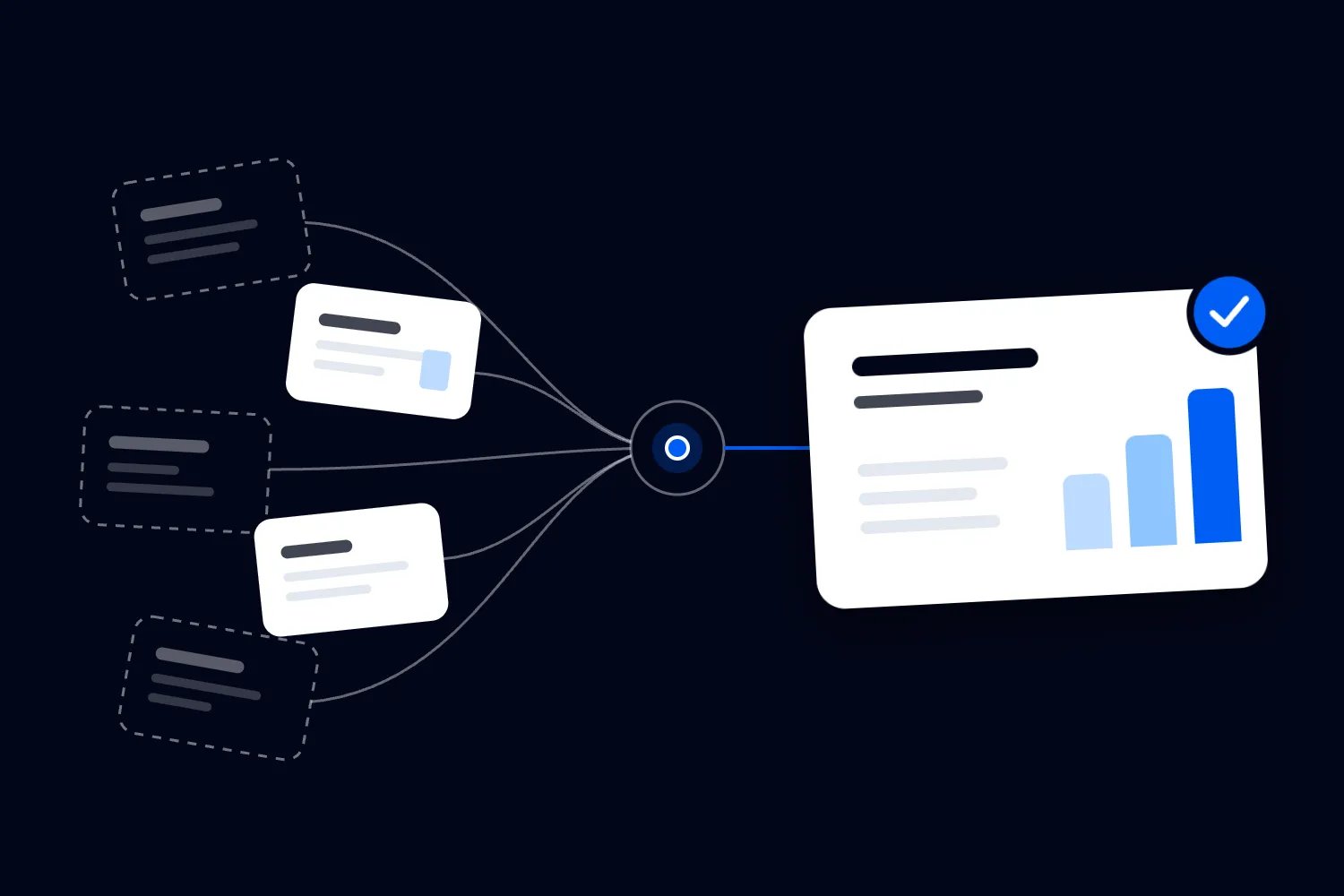
Conference speaker management works better when every session has one record that connects the accepted proposal, speaker confirmation, public description, presentation files, approvals and production instructions. Changes go through that record, with a named person checking what else they affect before the event team uses them.
That doesn't require every conversation or file to live in one application. It requires your team to know which record to trust, which version to present and who can approve a change. Here's how to build that workflow, including the awkward cases that tend to arrive just when you think the programme is finished.
Start where speaker selection finishes
An accepted proposal is the beginning of delivery. It tells you why the session belongs in the programme, but it doesn't tell the technician which file to open or the moderator how much time to allow for questions. Your workflow needs to carry that original promise through to the session people actually attend.
If you're still deciding which proposals to accept, use the separate guide to running a call for conference speaker proposals. This article starts as those decisions become confirmed sessions. You can apply the same approach to invited speakers and sponsored presentations, while keeping their different terms visible to the people responsible for them.
Begin with a session reference that stays the same even if the title, room or speaker changes. A title is useful to a reader, but it makes a poor identifier when marketing rewrites it. Keep the accepted proposal linked to that reference so anyone reviewing substantial changes can check what your programme team originally selected.
Separate the speaker from the session. Someone may deliver a workshop and join a panel, each with different equipment, timing and materials. A panel may involve several speakers sharing one session. Store contact details once, then connect each person to their role. Otherwise, changing a job title becomes a hunt through copied biographies.
For each confirmed session, record its audience, purpose, format, duration, current public title and description, responsible organiser and production contact. Add the speaker's confirmation, required materials and relevant deadlines. Keep private arrangements separate from public copy. Your marketing team needs the approved biography; it rarely needs the speaker's reimbursement correspondence.
Define what ready actually means
"Confirmed" is usually too vague to manage a programme. It can mean the speaker accepted your invitation, their employer approved participation, or somebody saw a positive reply. None of those necessarily means the presentation is technically checked and cleared for the stage.
Use stages that describe decisions your team has completed. For example, a session might move through confirmation pending, confirmed, materials received, changes required, approved for production and delivered. Write a short description of each stage. Keep the labels simple enough that a colleague covering an absent producer can use them without interpretation.
Materials received means you can open the expected files and identify what the speaker sent. Approved for production means the necessary content and technical checks are complete, the public information agrees with the session, and the production team has the authorised version. A file upload alone shouldn't trigger that second decision.
Some requirements deserve separate checks because they don't happen in a neat sequence. Recording permission might be unresolved while the slides are technically ready. A workshop might have approved content but still lack its equipment confirmation. Track those conditions beside the stage so a reassuring label doesn't hide an outstanding decision.
Agree who can move a session into production approval. The programme owner can approve content, while the production lead confirms delivery requirements. At a smaller conference, one person may hold both responsibilities. That's fine, provided they check both. The point is to prevent an assumption about somebody else's work from becoming your readiness decision.
Give speakers one clear route for materials
Speakers are busy, and many are helping you alongside another job. If your instructions send them to separate emails for their biography, slides and technical requests, expect those materials to arrive through whichever route they remember. Make the next action easy to find and explain what happens after submission.
Provide one speaker page or message that links to the current requirements, upload route and contact person. Explain accepted formats, how to name the session, how to report confidential content and how to request changes. Tell speakers whether the upload replaces a previous version or creates a new submission awaiting review.
Don't make everyone resubmit information you already hold. Ask speakers to confirm their biography and session description, then correct only what changed. A repeated request for the same headshot looks like a minor irritation, but it also creates uncertainty about whether your team received the first one.
A receipt should confirm what arrived and the next step. "We've received your presentation and will contact you if revisions are needed" is different from "Your presentation is approved." If a file can't be opened, say which file failed and how to replace it. Avoid making the speaker guess whether they should upload everything again.
Allow a workable alternative when someone can't use the normal submission route. The responsible organiser can add an emailed file to the session record and send a receipt. The exception still ends in the same review process. Otherwise, your most important speaker becomes the one whose presentation exists only in a private inbox.
Set deadlines around work your team needs to do
Choose deadlines by working backwards from production, rather than picking an impressive date and hoping speakers comply. Ask when technicians need files, when accessibility providers need materials, how long content review takes and when the public programme must be accurate. Then leave time for speakers to make the changes you request.
Your first deadline can collect a useful draft. The final deadline should allow time to test and distribute the approved materials. Explain the difference, including what can still change after each date. Speakers are more likely to understand an early request when you tell them what another person needs to do with their submission.
Put the date, time and named time zone in every deadline. If a speaker is presenting remotely, include both the event time and the time they need to join the technical check. Confirm the conversion with them rather than trusting a calendar invitation to resolve every ambiguity.
W3C's accessible events guidance recommends getting materials to participants with accessibility needs, interpreters and captioners before the event. That gives your deadline a practical purpose. An eleventh-hour rewrite may affect people preparing access support even when the replacement slides look fine on a screen.
Build the speaker deadlines into your wider event planning checklist. If venue testing and presentation approval sit on separate calendars, someone may book a rehearsal before the files exist. The programme owner should check the connection when setting dates, then revisit it if production arrangements change.
Review content against what attendees were promised
Start the content review with the accepted purpose and public description. Does the material deliver the session you sold? A polished deck can still miss the point if a promised practical workshop becomes a product pitch or a beginner session assumes knowledge the audience won't have.
Ask a reviewer who understands the subject to assess the argument, examples, relevance and timing. They don't need to rewrite every slide in your house style. They need to identify changes that affect the audience's experience or your stated programme standards. Keep preferences about colours separate from a missing explanation or unsupported claim.
Return one consolidated set of comments through the responsible organiser. If a programme chair, sponsor manager and producer each send their own instructions, the speaker has to resolve your internal disagreement. Settle competing requests before asking them to revise. Name the changes required for approval and distinguish those from optional suggestions.
For a commercially supported session, compare the draft with the arrangement you agreed and the disclosure attendees will see. Don't quietly apply an editorial rule that contradicts a sold package. Equally, don't let a commercial relationship expand the session beyond what delegates were told they would attend. Resolve that with the relevant owner before approval.
Timing deserves an actual conversation. Ask speakers to rehearse the material with the introduction, questions and any activity included in the available slot. A deck with fewer slides can still run long. If the exercise needs more time, reduce its scope or change the session plan before neighbouring sessions have to absorb the overrun.
Test the files in the environment that will present them
A presentation that opens on the speaker's laptop hasn't necessarily passed your technical check. The stage may use another operating system, different fonts or a playback setup with limited internet access. Confirm the production environment first, then test the file there or in a setup your technician considers representative.
Check slide dimensions, fonts, video, audio, speaker notes and any links the talk depends on. Confirm whether the presenter needs a confidence monitor, a clicker or a live demonstration. Ask what happens if the demonstration fails. You want an agreed way to continue the session, rather than a room waiting while somebody resets a password.
Microsoft explains that embedding supported custom fonts can help preserve presentation appearance when files are shared, although some fonts cannot be embedded. Have the technician check the actual deck. A request to embed fonts is useful preparation, but it doesn't replace opening the file and inspecting the slides.
For presentations with media, Microsoft's playback troubleshooting guidance describes optimising inserted media for compatibility. Check the presentation software and version your production team will use before relying on a particular option. Test the sound through the intended output, because visible playback doesn't tell you whether the audience will hear it.
Agree any fallback with the speaker. A static export may help recover a talk if the main file fails, but it can lose animation, media and information needed by some attendees. Keep accessible participant materials and stage fallback files clearly identified. One export shouldn't silently replace every version of the presentation.
Make versions clear without asking people to guess
A filename ending in "final" tells you what the person uploading it hoped would happen next. It doesn't tell you whether your team reviewed it. Separate the speaker's working files, submitted versions and approved production copy, with the session record pointing to the version production should use.
Keep a version label, received date, review outcome and approving person with each submitted deck. Ask the speaker to explain what changed when replacing one. "Corrected a spelling mistake on the title slide" creates a different review task from "Added a video and changed the conclusion." Your team can then check what the revision actually affects.
Google's file version guidance distinguishes uploaded file versions from the history used by native Google documents. If your team uses Drive, check the appropriate version controls and preserve the approved file deliberately. Don't assume an old upload will remain available merely because you can still see it today.
A shared editable presentation needs an extra decision. Will the production team use a fixed approved copy, or will someone check a live document immediately before delivery? I would normally favour the approved copy for the stage. It gives technicians something they can test, distribute and recognise without wondering whether another edit happened afterwards.
Tell the speaker when that copy is created and how to request a replacement. Restrict changes to the production folder to the people handling approvals and distribution. Leave the speaker a clear route to correct a genuine problem. A controlled copy is useful only if your team can still deal sensibly with new information.
Control access without making delivery difficult
The person reviewing a biography doesn't need access to every speaker's private arrangements. A speaker doesn't need to browse other presenters' unapproved decks. Decide who needs to see which information, and test those permissions using the kind of account the recipient will actually use.
Google's Drive sharing documentation explains viewer, commenter and editor permissions, as well as access inherited from folders. If you use a shared folder, check the parent permissions before treating a single file as restricted. A setting on one document may not deliver the separation you intended.
Keep private contacts and support arrangements in the organiser's restricted record. Production should receive the information required to run the session, including agreed delivery adjustments, without unrelated correspondence. Ask the relevant person how they want sensitive instructions communicated. A public run sheet is an unsuitable place to explain someone's personal circumstances.
Recording and distribution permissions need their own checks. Track whether you may record the session, share slides with ticket holders or publish extracts under the speaker's agreement. Don't infer permission for one activity from approval of another. If anything is unclear, resolve it with the responsible person before the material is used.
Test the production team's access before the event, including contractors joining late. Download approved files to the agreed presentation machines when your setup calls for local copies. Someone should know where the authorised offline set is and how it gets updated. A correct link is little comfort when the venue connection stops working.
Treat a late change as a delivery decision
A speaker emails a new deck after approval. The natural response is to replace the old one and thank them. First ask what changed, why it matters and when the session starts. A useful correction deserves a route through your process, but it still needs a person responsible for approving the replacement.
Record the request against the session, keeping the current approved version available. The owner checks the change with whoever it affects. New media needs technical testing. A new title needs a programme update. A different speaker may need fresh introductions and confirmation of the relevant arrangements. Several of those may happen together.
Use a short change record containing the requested revision, reason, affected files or information, decision, approver and confirmation of distribution. You don't need a long form for a spelling correction. You do need enough detail that the next producer can see whether a replacement was approved or merely received.
Set an event-day point after which the production lead controls all replacements. Base it on your actual setup and communicate it before speakers arrive. That lead can accept an essential correction, postpone a nonessential edit or use an agreed fallback. Their decision should consider whether there is enough time to test and distribute safely.
When a change is accepted, update every necessary destination and obtain confirmation from the people using it. Uploading a replacement to the folder doesn't prove the technician replaced the local copy. Ask them to acknowledge the version they now have, then mark the earlier production copy as superseded so it can't be selected by accident.
Work through a realistic change together
Imagine a fictional paid conference with a workshop on managing supplier delays. The approved session uses a prepared case exercise and a short recorded demonstration. The day before the event, the speaker asks to replace the recording with a live demonstration and changes the session title to promise real-time analysis.
Your programme owner checks whether the revised promise still matches the session attendees chose. The technician asks about internet access, software access and the fallback if the demonstration fails. The moderator checks how the change affects timing. The speaker explains that the original recording remains accurate but the live demonstration would feel more current.
You might decide to keep the tested recording for the main presentation and allow the live demonstration only if rehearsal confirms it works within the existing plan. That is an editorial and production judgement for this fictional situation. The useful part is that one person makes the decision after checking the dependencies, then records it.
Suppose rehearsal succeeds and you approve the revision. The session owner confirms the exact deck and demonstration arrangement with production, checks the published description and tells the moderator which fallback to introduce if needed. The technician confirms receipt. The speaker receives one clear answer, rather than several people approving different parts independently.
If rehearsal fails, keep the approved version and explain the decision plainly. "We can't test the new demonstration in the remaining time, so we'll use the recording we approved" is reasonable. Letting an untested revision through because somebody already replied "looks good" is much harder to explain to a paying audience afterwards.
Hand production a session it can actually run
Your production handover should let a colleague run the session without searching the speaker's email history. Connect the session reference to its room, time, speaker names, pronunciation, introduction, approved files and agreed requirements. Include the person to contact when a decision is needed.
Keep the running instructions concise. A technician needs to know which presentation to open, whether it contains audio, what starts the video and whether the speaker changes devices. The moderator needs the agreed introduction, timing cues and plan for questions. They don't both need every comment from the content review.
Include the speaker's arrival or check-in instructions and any technical rehearsal appointment. Ask the person responsible for speakers to confirm arrival through the same operational record. A presentation can be approved while its speaker is delayed in transit. Readiness for the stage includes knowing whether the people needed for the session are there.
Connect this handover with your conference planning process. Room access, equipment and programme timing affect one another. If the room changes, check the presentation setup again and tell the speaker where to go. A schedule update on a website doesn't automatically reach a contractor working from a downloaded run sheet.
Run a short handover with the people covering each room. Ask them to find an approved deck and explain how they would handle a replacement request. Any uncertainty is useful information while you can still fix the instructions. This check should test the actual materials and access, rather than everybody's confidence that the folder is organised.
Choose software by testing the handover
You can run this process with a database and shared storage, or with a dedicated speaker management system. Choose based on the work your team must coordinate. Buying a larger system before agreeing who approves a presentation can give you the same uncertainty behind a more expensive login.
Test a realistic session before committing. Add a speaker, connect them to another session, receive a file, request a revision and approve the replacement. Then ask a production colleague to find the authorised copy without your help. Check whether they can tell what changed and who approved it. A demonstration focused only on beautiful speaker profiles won't answer those operational questions.
Try an exception as well. Withdraw the speaker and assign a replacement. Can you preserve the original decision record while updating the public biography, materials and production instructions? Can the replacement access their own tasks without receiving private information about the previous speaker? Those are better buying questions than asking how many fields the software supports.
Check export and ownership arrangements before the conference. Your business should be able to retrieve the approved programme information and files it needs if the service becomes unavailable or you change suppliers. Ask which records exports include, how attachments are retrieved and what happens to access when a team member leaves. Test the answer with actual sample data.
Check readiness across the whole programme
Individual session records help you resolve detail. Your programme owner also needs to see where the conference as a whole is at risk. Review by unresolved requirement and approaching delivery date, rather than by whichever speaker emailed most recently. A quiet session with no technician assigned may need attention before a vocal speaker's biography correction.
Keep the review focused on decisions. Which sessions cannot proceed as planned? Who can remove the blocker? What work will be delayed if it remains unresolved? Ask the responsible person to name the next action and expected completion. If nothing can progress until you make a budget decision, make that decision visible instead of sending another general reminder.
Group repeated problems when a shared fix makes sense. If several speakers cannot upload a file format you requested, check the submission route before chasing them individually. If every workshop lacks equipment confirmation, speak with production about the common requirement. A programme view should help you recognise a problem your process created.
For panels, distinguish each person's confirmation from the session's readiness. You might have every panellist confirmed while the shared presentation remains unapproved, or have a ready discussion plan while one participant has withdrawn. Keep the session owner responsible for the final decision. Separate individual tasks can feed that record without making each panellist look like a complete session.
Use the conference speaker briefing guide when preparing the instructions each participant receives. The management record tracks whether those instructions were confirmed and whether later changes reached the affected people. It should help the organiser see the work across the programme without forcing speakers to read an internal status report.
Follow up on missing materials without chasing everyone
A useful readiness view shows sessions with a real blocker, the person handling it and the next action due. It should distinguish an unconfirmed speaker from a deck awaiting technical testing. Otherwise, your team sends the same reminder to people who need completely different help.
Before reminding a speaker, check whether they already replied through another route. Then ask for the specific missing item, restate its deadline and explain whom to contact if there is a problem. Copying the entire original brief into every reminder makes it harder to see the action you need today.
Agree an escalation route for overdue work. The responsible organiser contacts the speaker first, then the programme owner decides whether to offer support, adjust the session or activate a replacement. Avoid threatening cancellation in an automatic message unless that consequence has been approved and your team is prepared to act on it.
Sometimes the delay reveals a genuine production problem. A speaker may be waiting for your template, employer approval or an answer about confidential material. Record the dependency and assign the next action to the person who can resolve it. Calling everything a speaker delay hides the work your own team still owes.
When you review outstanding work, check its impact on the audience as well as the stage. A technically approved presentation can still have the wrong level or an outdated description. If the session promise changes, the programme owner should decide whether existing ticket holders need an explanation and how that explanation will be sent.
Before escalating, tell the programme owner what decision you need. Suppose a speaker cannot submit the demonstration because your team hasn't supplied a working test account. Asking the speaker for another update won't help. Ask the person providing the account to confirm when access will work, and ask production when it becomes too late to test.
If those dates conflict, the programme owner needs to choose another demonstration or an agreed fallback. Clearly record that choice and tell the speaker. The reminder has now produced a delivery decision instead of another unanswered email.
Close the session record after delivery
After the session, record what was actually presented, any changes made on site and whether agreed distribution can proceed. The stage file may contain material the speaker asked you to remove from the attendee copy. Confirm the shareable version before sending it, even when the talk has already happened publicly.
Review the workflow while the details are fresh. Look at missed deadlines, repeated technical faults, unclear approvals and replacements that didn't reach everyone. Ask speakers which instructions were confusing. Fix the recurring cause before the next event instead of adding another reminder to an already crowded email sequence.
Keep the approved records and files your business needs under its retention arrangements, and remove access that contractors or reviewers no longer require. Record improvements in the instructions for the next edition. The next programme should begin with a clearer process, rather than inherit a folder nobody is willing to clean up.
Start with one confirmed session and follow it all the way through. Can you identify its accepted promise, current files, outstanding decisions and authorised production version? Can the person covering its room find the same answers? Fix whichever connection breaks first, then apply that working process to the rest of the programme.

Author: By the Loopyah Content Team
The Loopyah Content Team shares expert insights, practical guides, and industry updates to help event organizers create unforgettable experiences and stay ahead in the event planning world.