· 21 min read
Should an event business hire or buy production equipment?
You've paid for the same speakers, microphones and lighting package several times. Now you're looking at the hire invoice and wondering whether you should just buy the kit. It's a reasonable question, especially when you run a regular paid event and need to protect what you make from every edition.
Buy equipment when you can show that repeat, suitable use will cover the complete cost of ownership, and you have the people and arrangements to look after it. Keep hiring when requirements change, dates overlap, cash is tight or the supplier is doing work you'd otherwise need to organise yourself. A mixed approach often makes the most sense. You can own the equipment you use consistently and hire what changes with the show.
The mistake is dividing a purchase price by a hire price and calling the result your payback point. That calculation leaves out the van, the cases, the repairs, the person checking everything back in and the replacement you need when something fails before doors. Let's work through a comparison that includes those jobs, then look at what would make the decision change.
Compare the same job before you compare prices
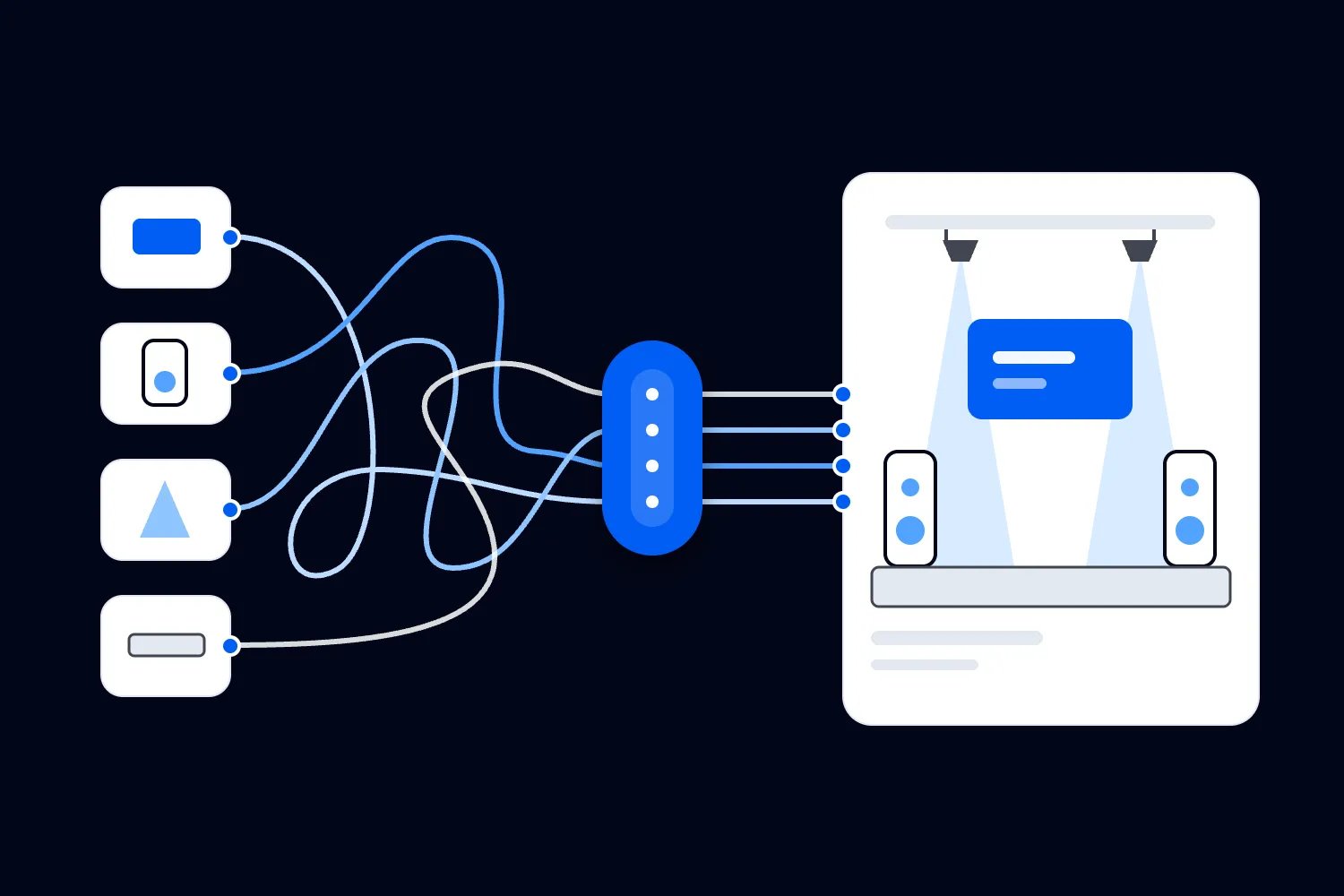
First, get clear about what your hire invoice actually buys. Equipment supplied for you to collect and operate is a different offer from equipment delivered, installed, operated and removed by a crew. People often call the first arrangement dry hire. The term alone doesn't tell you what accessories, support or insurance are included, so ask for the scope in writing.
Suppose a supplier's price includes a sound technician throughout your event. Buying the speakers doesn't remove that technician's job. Someone still has to prepare microphones, manage levels and handle faults. If your plan is to give those jobs to an existing employee, establish whether they have the skills and time. Put their additional working hours into the ownership calculation.
Also check what the venue already provides. House equipment may be included in the room price, available for an extra charge or restricted to an approved operator. Bringing your own equipment might still require a venue technician. You need the venue's actual terms before buying something on the assumption that it will replace a charge.
Write a short specification for the work your equipment must support. Describe the rooms, audience, programme, access and required results. Our event production brief template helps you give suppliers that information. Here, you're using the brief to establish a fair comparison between owning and hiring, rather than to choose every piece of equipment yourself.
Ask the supplier to price the equipment and services you could genuinely remove by owning it. Keep the work you'd still buy in both options. If the supplier offers a package discount, request a revised package quote after removing the equipment. The saving may be smaller than the itemised line you were hoping to eliminate.
Count uses the equipment can actually cover
Your annual event count is a starting point. The useful number is how many bookings the proposed purchase can serve instead of hired equipment. A compact speech system could suit your regular talks while being unsuitable for a larger music event. Both dates appear in your calendar, but only one helps justify that purchase.
Go through the upcoming programme with whoever understands your technical requirements. Mark the events where the equipment is suitable, the dates you can realistically deliver it and the occasions when the venue includes an adequate alternative. Keep tentative events separate from contracted dates. You can consider growth, but make the purchase work without assuming every interesting conversation becomes a booking.
Then add preparation and turnaround to the calendar. A system that finishes a late event may need checking, charging and repacking before it can leave for the next one. Equipment awaiting inspection or repair isn't available just because the cases are physically in your store. Give that work time and an owner.
Overlapping events need particular attention. If two events need the same kit on the same evening, one set cannot cover both. You may still save one hire charge, but you haven't saved two. Buying a second set to cover occasional clashes creates another purchase decision, with its own use forecast and storage requirement.
Look at geography too. Moving equipment between distant venues may cost more than hiring locally, especially when you need a vehicle and crew accommodation. Test the actual route, loading access and return arrangements. Ownership can work well within a regular local circuit and poorly for a programme spread across several cities.
Use last season's records to challenge next season's forecast. How often did the specification change? Which bookings were cancelled? When did you need extra equipment? You're looking for repeated demand that fits the kit, rather than a large number at the bottom of an event calendar.
Put the complete ownership cost on paper
The purchase cost needs to describe a working setup. Include suitable cases, essential cables, connectors, stands, chargers and the spares your technical lead recommends. A price for the main unit can look attractive until you buy everything required to move it safely and use it at an event.
Include delivery, initial setup and training. If equipment needs a paid software licence or subscription, establish its terms and what happens when it expires. Ask whether the equipment remains usable without an internet connection and whether its control software works with the computers you intend to use. Those answers affect what you're buying.
Storage has a cost even when you already have space. You may not need to invent a rent payment for a cupboard you cannot use for anything else. But if the equipment forces you to rent a unit, retain a larger office or give up usable stock space, include the additional cost. Describe the assumption so somebody reviewing the calculation can understand it.
Allow for insurance, maintenance, inspections and repairs across the period you intend to keep the kit. Get quotes where possible. Don't assume the warranty covers damage in transit, a dropped microphone or replacement equipment during a repair. Read the terms and ask the seller how service works when your next event is approaching.
Next, calculate the costs that happen every time the equipment goes out. Include collection from storage, loading, transport, setup, operation where it differs between options, removal, unloading and return checks. Staff already on payroll still have limited hours. Record whether ownership needs overtime, another shift or time taken from work that would otherwise get done.
The US Small Business Administration's guidance on buying business equipment identifies upfront cash, expected long use and responsibility for maintenance and replacement as parts of the buying decision. Its leasing guidance also makes clear that maintenance arrangements depend on the agreement. Check your actual offers rather than assuming either option includes support.
Finally, estimate what you could receive when you sell the equipment. Use comparable used equipment and, if available, an actual trade offer. Deduct selling fees and expected disposal costs. Keep this conservative. An advertised asking price isn't money someone has agreed to pay you several years from now.
A worked hire versus buy calculation
Here's a fictional comparison for a repeat event business considering a small production package. Every price, use count and resale amount in this example is an illustrative assumption, not a supplier quote, industry benchmark or promised saving. Replace them with actual figures. Amounts are in US dollars, and both options exclude the same live operating technician, whose work remains unchanged.
The business will compare costs over three years. It can buy the complete package, including cases and essential accessories, for $12,000. Initial delivery and training cost another $600. Storage, insurance, planned maintenance and inspection allowances total $1,800 each year. It assumes it can sell the package for $3,000 after the third year, net of selling costs.
Over those three years, the ownership costs that don't change with the number of uses are therefore $15,000. That's $12,000 plus $600, plus three years of $1,800, minus $3,000. We will call this the fixed ownership cost. It includes the full purchase outlay less expected resale, so don't add depreciation as another cost on top.
Each use also costs $180 for the additional handling labour, transport and consumables associated with owning the package. The comparable hire offer costs $780 per event, including its agreed equipment delivery, setup and collection. These are complete replacement bookings for the same requirement. Any charges shared by both options stay outside the comparison because they do not change the decision.
For this example, calculate hire cost by multiplying the number of uses by $780. Calculate ownership cost by adding $15,000 to the number of uses multiplied by $180. At twelve uses, hire costs $9,360 and ownership costs $17,160. At thirty uses, hire costs $23,400 and ownership costs $20,400.
The chart uses only those fictional assumptions. It shows the total estimated cost over the same three years, after assumed resale, at different numbers of suitable uses. It isn't an annual budget, a cash balance or evidence of what production packages usually cost.
| Label | Hire | Buy |
|---|---|---|
| 12 | 9360 | 17160 |
| 24 | 18720 | 19320 |
| 30 | 23400 | 20400 |
| 48 | 37440 | 23640 |
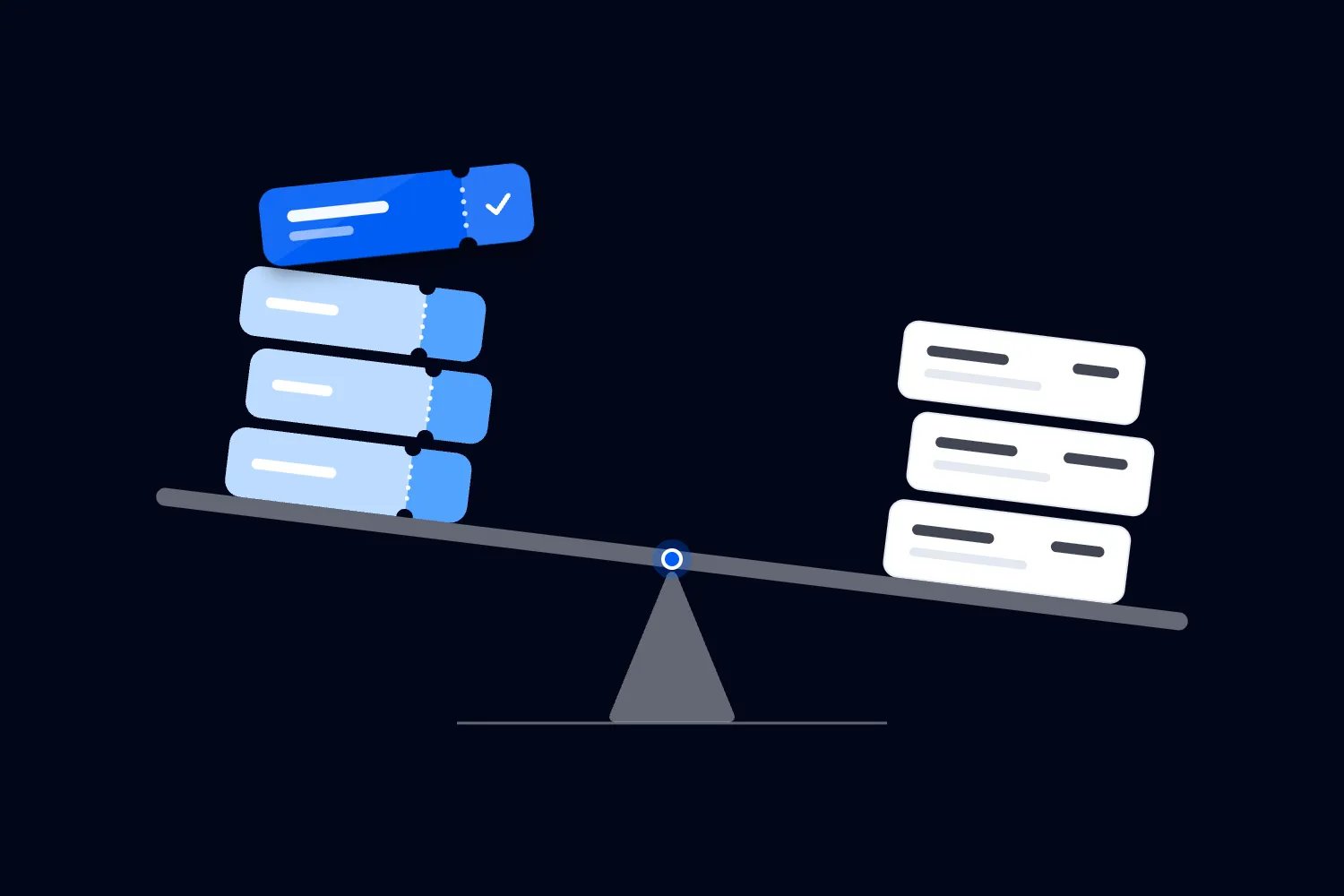
Each suitable use avoids $780 of hire spending but adds $180 of ownership spending. The difference is $600. Dividing the $15,000 fixed ownership cost by $600 gives twenty-five uses across three years. At twenty-five uses, both options cost $19,500. Ownership becomes cheaper after that point under these assumptions, before financing costs, tax effects or the value of keeping cash available.
Notice what happens at twenty-four uses. You're close to the crossing point, but hiring is still $600 cheaper. At thirty uses, buying saves $3,000 over the whole three years. That is a much smaller cushion than the headline purchase price versus repeated hire invoices might suggest. Decide whether it is enough to justify the extra work and uncertainty.
Change the assumptions before you accept the saving
A calculation is useful when it helps you see what could change your decision. Start with fewer uses. In our example, a forecast of thirty suitable uses produces an apparent $3,000 saving. Losing six of those uses puts you at twenty-four, where hire costs less. You haven't made a bad spreadsheet. You've discovered how much the purchase relies on the programme happening.
Now remove the assumed resale proceeds. The fixed ownership cost rises from $15,000 to $18,000. At thirty uses, ownership then costs $23,400, exactly the same as hiring. That's why a resale estimate needs scrutiny. A purchase justified only by a generous future sale price deserves a more cautious recommendation.
Test a higher per-use ownership cost as well. If handling and transport cost $280 instead of $180, the saving against each $780 hire booking falls to $500. With the original $15,000 fixed cost, the equal-cost point moves to thirty uses. Small errors in labour estimates can consume the entire saving.
| Label | Uses |
|---|---|
| Worked example | 25 |
| No resale value | 30 |
| Handling at $280 per use | 30 |
You should also check the hire alternative itself. Ask about a repeat booking arrangement, a season agreement or different collection terms. If a supplier reduces the comparable hire price, rerun the numbers. Treat the new quote as an actual offer with conditions, rather than applying an imaginary discount to whichever option you prefer.
Keep separate notes for things that are hard to price. Familiar equipment might reduce rehearsal problems. Owning it might also leave your team responsible for faults they previously handed to a supplier. Explain the practical difference and test it with a real event. Don't assign a convenient financial benefit simply to make the calculation come out in favour of buying.
Choose the comparison period around the equipment's likely usefulness to your business. Your next programme may require larger rooms, different presentation formats or a touring arrangement that makes transport impractical. Equipment can still function while no longer fitting your events. Ask what would make you stop using it, and test whether that could happen before the forecast savings arrive.
For a purchase that depends on expanding attendance, separate confirmed demand from ambition. Buying a larger system early can leave you paying for capacity you rarely use. Buying a smaller one can create repeat top-up hire charges. Ask a competent supplier to compare both configurations against the actual programme before deciding which purchase, if any, makes sense for you.
Check whether you can afford the timing
Lower total cost doesn't automatically make ownership affordable today. In the example, you pay $12,600 for equipment, delivery and training before you have served the future events that justify it. The assumed $3,000 resale receipt comes at the end. You can't use that future receipt to pay this month's venue deposit.
Put the proposed purchase into your event cash-flow forecast on its actual payment dates. Keep the storage, insurance, servicing and per-event costs on their dates too. Compare the lowest expected cash balance with what the business needs for confirmed commitments and plausible disruption. A profitable programme can still get into trouble when spending arrives before receipts.
If you borrow, use the lender's written offer. Include fees and interest in the comparison, and put repayments into the cash forecast. Don't count both the full purchase price and loan principal repayments as separate equipment costs. They describe the same purchase paid through different routes. Interest and financing fees are additional costs.
Leasing and hire purchase deserve their own comparison. Establish who owns the equipment during and after the agreement, what the final payment is, what maintenance remains with you and what happens if you need to leave early. A monthly payment that looks manageable can tie you to equipment you no longer need.
Ask your accountant to model tax treatment for your location and circumstances. The US Internal Revenue Service's Publication 946 on depreciation explains how eligible business property costs may be recovered through depreciation deductions, subject to its rules. A deduction changes taxable income. It doesn't refund the entire purchase price or prove that the equipment is commercially sensible.
Keep the first comparison before tax, with clearly stated assumptions, then add the relevant tax treatment consistently to both choices. That makes it easier to see whether a purchase works because you will use it well or because a tax explanation has distracted you from weak demand.
Decide who takes responsibility for the equipment
When you buy equipment, the work between events becomes your responsibility unless you pay someone else to do it. Name the person who keeps records, books servicing, checks returns and prevents faulty items going back out. If nobody can take that role, include an external service arrangement in the ownership cost.
For UK workplaces, the Health and Safety Executive's equipment maintenance guidance explains the need to keep work equipment in a safe condition and use competent people for maintenance. That matters to the buying decision because maintenance needs both time and money. A team member who enjoys using the equipment isn't automatically competent to repair it.
Don't invent a universal annual testing schedule. HSE's guidance on equipment inspection says the need for inspection and its frequency should follow risk assessment, equipment use and relevant recommendations. Ask a competent person to establish what your particular equipment and working conditions require. Requirements elsewhere depend on the jurisdiction and the installation.
Ownership also doesn't give you permission to install anything wherever you want. Ask the venue about electrical arrangements, equipment positions, permitted hanging points and who can carry out specialist work. HSE's electrical safety guidance for events covers organisers' and contractors' responsibilities for selecting, installing and maintaining event electrical equipment safely in the UK.
The practical decision is whether your business can maintain the necessary arrangements reliably. You can own equipment and hire competent people to install or operate it. You can also hire equipment while retaining important organiser responsibilities. Record who does each job, rather than treating the purchase or hire contract as a complete answer to safety.
Work out what happens when something fails
Ask each hire supplier what happens if equipment arrives faulty or fails during the event. Get specific about support hours, replacement stock, travel time and who pays. A promise to help isn't the same as a replacement reaching your venue before the next session. The supplier's response arrangements only have value if they fit your event and contract.
Then design the equivalent plan for equipment you own. Your technical lead should identify failures that need a spare, an alternative connection or a replacement hire. Establish who can authorise the spend and which supplier can realistically provide it. Put the cost of maintaining that capability into your comparison where it differs between options.
Don't assume a warranty provides continuity. The seller might accept a repair while your package is unavailable for several events. Ask about repair turnaround, replacement availability and costs outside warranty. If sending a unit away would force you to hire a replacement, that exposure belongs in the decision even when you cannot predict its exact timing.
Consider the event's actual promise too. A failed decorative light and a failed microphone can have very different consequences. Prioritise backup arrangements around what attendees need to receive the experience they bought. Avoid buying duplicate equipment indiscriminately, but don't remove necessary backup simply because it makes ownership look expensive.
For insurance, describe how the kit will really travel and be used. Ask about storage locations, unattended vehicles, hired-in replacements, accidental damage, theft and lending equipment to others. Get exclusions and excesses explained. You need confirmation for your circumstances, rather than an assumption that a general business policy covers every stage of an event.
Buy a repeatable core and hire the changing requirements
You don't need to choose one approach for the whole production budget. A regular paid workshop business might own a compact, suitable presentation package and hire larger sound or lighting when the programme demands it. A touring promoter might keep small standard accessories while hiring the main systems locally. These are planning examples, not recommendations for particular equipment.
Separate purchases by how consistently they fit the programme. Look for equipment that serves a repeated requirement, can be transported within existing arrangements and has someone accountable for its condition. Price each proposed purchase against the hire spending it can actually replace. A strong case for one item doesn't justify the rest of a shopping list.
Before buying, ask the people who will integrate it whether they can support it. Your owned microphone may need to connect to a hired system. Your display may need a different mount at another venue. Confirm compatibility, responsibility for accessories and what the supplier charges to work with customer equipment.
Wireless equipment deserves particular care when your events travel. In the UK, Ofcom's PMSE licence information distinguishes licensed and licence-exempt use and explains that relevant permissions depend on the equipment and frequencies. Check current requirements for every market you serve. Equipment being available to purchase doesn't establish that you can use it wherever your next booking happens.
Used equipment can reduce the initial outlay, but investigate condition and support before treating the discount as a saving. Ask for service history, proof of ownership, included accessories and a practical test under the intended use. Confirm whether parts, batteries and software remain available. An inexpensive unit with no workable repair route may be a poor choice for a repeat programme.
Agree the commercial terms as carefully as the equipment
A hire quote needs more than a price and equipment list. Confirm the chargeable period, including collection, rehearsal, event use and return. Ask what happens if the venue delays removal or your vehicle misses the return window. You want to know which changes extend the hire period and which trigger extra labour or transport charges.
Check cancellation and postponement terms against your own event commitments. If you cancel a date, you may still owe part of the hire charge. If you own the equipment, the purchase and ongoing storage costs remain even though that date no longer produces income. Compare the actual consequences of the same cancellation in both options, rather than assuming either route removes uncertainty.
Agree what happens when hired equipment is lost or damaged, how the supplier values a replacement and whether you need separate hired equipment cover. Ask who checks condition at collection and return, and how disputes are recorded. Photographs and an agreed inventory can help establish what changed, but they don't replace the contract's liability terms.
On the purchase side, confirm exactly which items, licences and accessories are included, the delivery date and how acceptance works. Arrange a practical check before the equipment becomes essential to a paid event. If the first meaningful test happens after doors open, you have given yourself very little time to resolve a missing connector or an unsuitable configuration.
Ask whether support belongs to the manufacturer, dealer or another service provider. Record who you contact, what information they need and which costs remain yours. If a seller describes a loan unit or rapid replacement service, get the conditions in writing. Availability, shipping and exclusions matter more than the phrase used in the sales conversation.
Keep the approved specification connected to the agreement. A substituted item might be perfectly suitable, or it might change the connections, staff skills or accessories you need. Ask the technical lead to assess the actual substitution before accepting it. Neither a lower price nor a familiar brand name answers that question on its own.
Be careful about earning money by hiring your equipment out
You might plan to cover quiet periods by renting the kit to other organisers. That can be a separate business opportunity, but it needs its own forecast. Don't use hoped-for rental income to rescue an ownership calculation that your own events cannot support. Someone needs to find customers, prepare quotes, manage returns and collect payment.
Check whether outside bookings compete with your own programme. The same popular dates could attract both, leaving you to choose between using your equipment and fulfilling a rental contract. Allow time to inspect and prepare returned items before your own event. A late return is especially awkward when you have already sold tickets for the next morning.
Price the additional wear, insurance, maintenance and handling involved. Establish who is permitted to operate the equipment and how damage or missing items will be dealt with. Giving another business access to your kit may change what your insurer covers. Get confirmation before accepting the booking, rather than discovering an exclusion after a loss.
Treat this income conservatively until you have evidence of paid demand and a reliable return process. Keep the hire-out result separate so you can see whether your event operation benefits from ownership on its own. You can then decide whether the extra rental activity is worth its work, rather than mistaking gross rental receipts for money available to spend.
Test ownership before you expand it
If the forecast supports buying, start with the smallest purchase that has a sound case. Don't add equipment just because the supplier offers a bundle. Ask what each extra item replaces, how often it will be used and who will maintain it. Buying unused accessories at a discount still spends money.
Run the proposed equipment through a real preparation and event cycle before relying on optimistic handling estimates. Time loading, travel, installation, repacking and return checks. Record what still needs to be hired. If the equipment needs more crew or storage than expected, change the cost comparison before buying the next package.
Keep that record connected to your event budget. Charge each event for the costs it causes and keep the wider ownership commitment visible to whoever reviews the business. Otherwise an event can appear cheaper because the equipment cost has disappeared into another department's spending.
After the initial events, compare expected and actual suitable uses, hire spending avoided, handling hours, repair costs and availability. Review the next programme before committing to further purchases. Keep information that changes the decision; you don't need a complicated equipment reporting process just to prove that the speakers left the store.
When the purchase works, you'll have a repeatable requirement, a credible cost advantage and people who can look after the equipment. When it doesn't, you can continue hiring without pretending that paying a supplier is wasted money. The supplier may be providing exactly the flexibility, specialist work or cash timing your event business needs.
Before signing, ask your technical lead and the person responsible for cash to review the same comparison. Show them the matched hire scope, realistic use calendar, complete ownership cost, failure arrangements and lowest forecast cash balance. Buy when that version works. If it only works after removing necessary labour or adding unconfirmed events, keep hiring and revisit it when those conditions change.

Author: By the Loopyah Content Team
The Loopyah Content Team shares expert insights, practical guides, and industry updates to help event organizers create unforgettable experiences and stay ahead in the event planning world.