· 27 min read
How to organise a paid tea-tasting event

You've found some lovely teas, a host who knows their subject and a room that feels right. Now you need to turn that into something people will pay to attend. How many teas should you serve? Does everyone need their own teapot? And how do you keep the evening moving when each tea wants a different brewing method?
Start with a small, guided comparison that you can serve consistently. Choose teas with a clear reason for being together, test their recipes in the venue, and cost the preparation and service before setting the ticket price. The tea itself may be a relatively small expense. Paying someone to brew, pour, explain and clear it properly can change the budget much more.
This guide works through a fictional seated tasting for ten adult guests, led by a tea host with a trained service assistant. It includes three teas and four small pours over two hours, with one tea brewed twice. The quantities, staffing and prices are examples to test, not industry standards. We'll use them to connect the tasting promise with the work required to deliver it.
Decide what the ticket is buying
A tea-tasting ticket needs a clearer promise than "discover the world of tea". A curious beginner should understand what they'll do, how much knowledge they need and what they'll take away. You don't need to teach the entire subject to make the evening worthwhile.
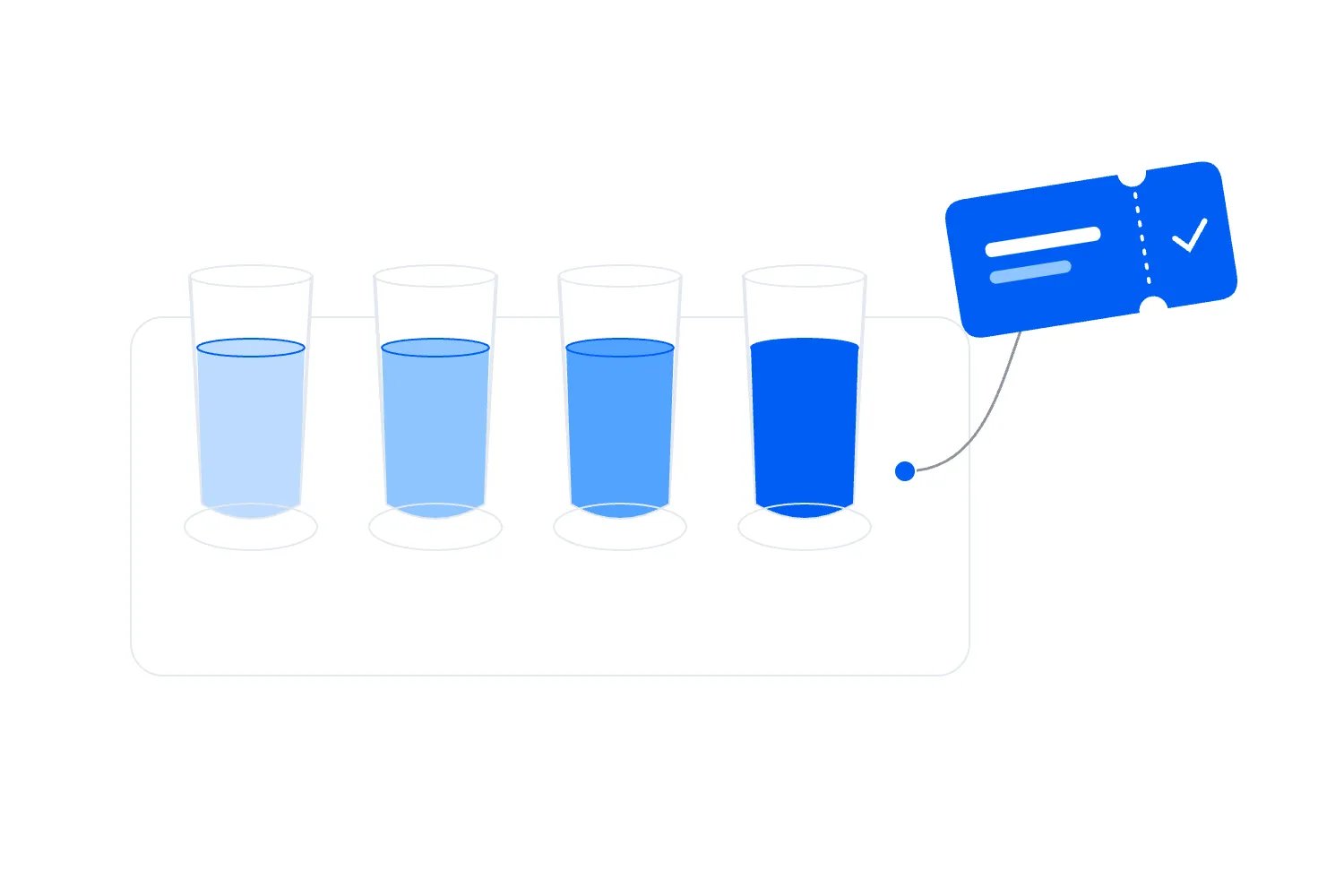
For our example, guests will compare a green tea, an oolong and a black tea, then try a second infusion of the oolong. An infusion is one brewing of the leaves. They'll practise describing differences, notice what changes when the same leaves are brewed again, and leave with the recipes used during the session. Conversation is welcome, with no requirement to speak to the whole room.
That promise gives the host something specific to deliver. A guest who usually buys tea by the colour of the box should leave with a better way to choose and prepare something they enjoy. They don't need to recognise every aroma the host mentions or agree on which cup is best.
Choose whether you're selling a guided tasting, a brewing workshop or a social gathering with tea. Each can work, but the service requirements differ. If guests will operate kettles and brew their own samples, you need more equipment, instruction and supervision. Our example uses staff brewing and individual cups, allowing guests to concentrate on comparison.
Our coffee-cupping class guide covers another kind of guided beverage comparison. Tea introduces a different operating problem. You may change water temperature between teas, remove leaves at different times and return to the same leaves for another infusion. Those steps need a service plan before they become an enjoyable lesson.
Keep retail purchases optional. A guest should receive the promised experience even if they buy nothing afterwards. If the host sells tea, explain that relationship openly and protect the advertised tasting time. People paid to learn and taste; they shouldn't discover that the final part of the session is a sales appointment.
Build a flight with a reason for every tea
A flight is the set of samples you serve for comparison. For a first beginner event, I'd choose a small selection with differences the host can explain in ordinary language. Adding another expensive tea is less useful than allowing enough time to notice the ones already on the table.
Our example starts with the green tea, moves to the oolong, returns to that oolong for a second infusion, then finishes with the black tea. The host tests this order using the exact products. It is a proposed teaching sequence, not a universal rule that every green tea must precede every oolong or black tea.
Avoid a heavily scented or smoked sample that overwhelms the earlier cups unless that contrast is central to your promise. Ask what someone will notice by tasting these particular teas together. If your answer depends on a long explanation of a feature they can't perceive, the selection may be better suited to a specialist audience.
Get the supplier information before writing the event page. Record the tea's name, producer information where available, origin, ingredients, batch and recommended preparation. Distinguish verified details from the supplier's tasting descriptions. A note suggesting peach doesn't necessarily mean peach is an ingredient, while a flavoured blend may contain added ingredients that matter for food information.
Be careful about what a comparison proves. If the three teas differ in origin, processing and cultivated variety, guests can describe their differences. They cannot isolate the effect of one factor from that exercise. The host can explain possible influences while being clear that several things changed together.
Choose the second infusion because it teaches something useful with that specific tea. Test how long the leaves wait, how the second brew is prepared and whether the difference is noticeable. Don't promise a dramatic transformation because repeated brewing sounds impressive. If the trial produces little worth discussing, choose another tea or revise the lesson.
Agree substitutions with the supplier and host before selling. A replacement needs to support the same learning promise and have verified ingredient information. If a named tea is a central reason to buy, replacing it may materially change the offer. Decide how you will tell buyers and handle their options under the terms and rules that apply.
Write a recipe for each actual batch
"Brew the green tea cooler" leaves too much for someone to interpret during service. Write down the product, leaf weight, water quantity, temperature, brewing time and when the leaves are separated from the drink. Keep a separate instruction for the repeated infusion, including the interval between brews.
The UK Tea & Infusions Association's brewing guidance suggests around 80 degrees Celsius for green tea and 90 to 98 degrees for black tea, while telling readers to follow the pack instructions. It also notes that water hardness can affect taste. Use that as background, then test the supplier's directions for your actual teas and equipment.
Those brewing temperatures don't establish a safe drinking temperature. Staff need a separate method for handling and presenting hot drinks, and guests should be free to wait before tasting. Don't turn "the recipe says eighty" into reassurance that someone can drink a sample immediately.
Weigh leaves when developing the event recipes. A spoonful changes with leaf shape and how tightly it is packed. A written weight also makes it easier for another trained person to reproduce the host's preparation. Use a suitable scale and check that staff can read it comfortably in the preparation area.
Test with the water you will actually use. A recipe developed at the host's home may taste different with the venue supply. If you decide to use another drinking-water source, include purchase, storage and transport in the plan. Consistency means controlling the things you can control, rather than assuming a premium leaf will overcome every preparation difference.
Separate brewing from service. When the recipe's brewing time ends, staff should remove the leaves or decant the tea completely into a suitable serving vessel. Otherwise, guests served later may receive a drink that has continued brewing. Test the complete decant and pouring process, including how much liquid the leaves and equipment retain.
Keep the recipe sheet plain enough to use under pressure. The assistant needs to find the next action without reading an essay about the tea. The host can keep the background story elsewhere. Record which version was used at rehearsal, so a last-minute change doesn't leave two staff following different instructions.
Choose shared brewing or individual preparation deliberately
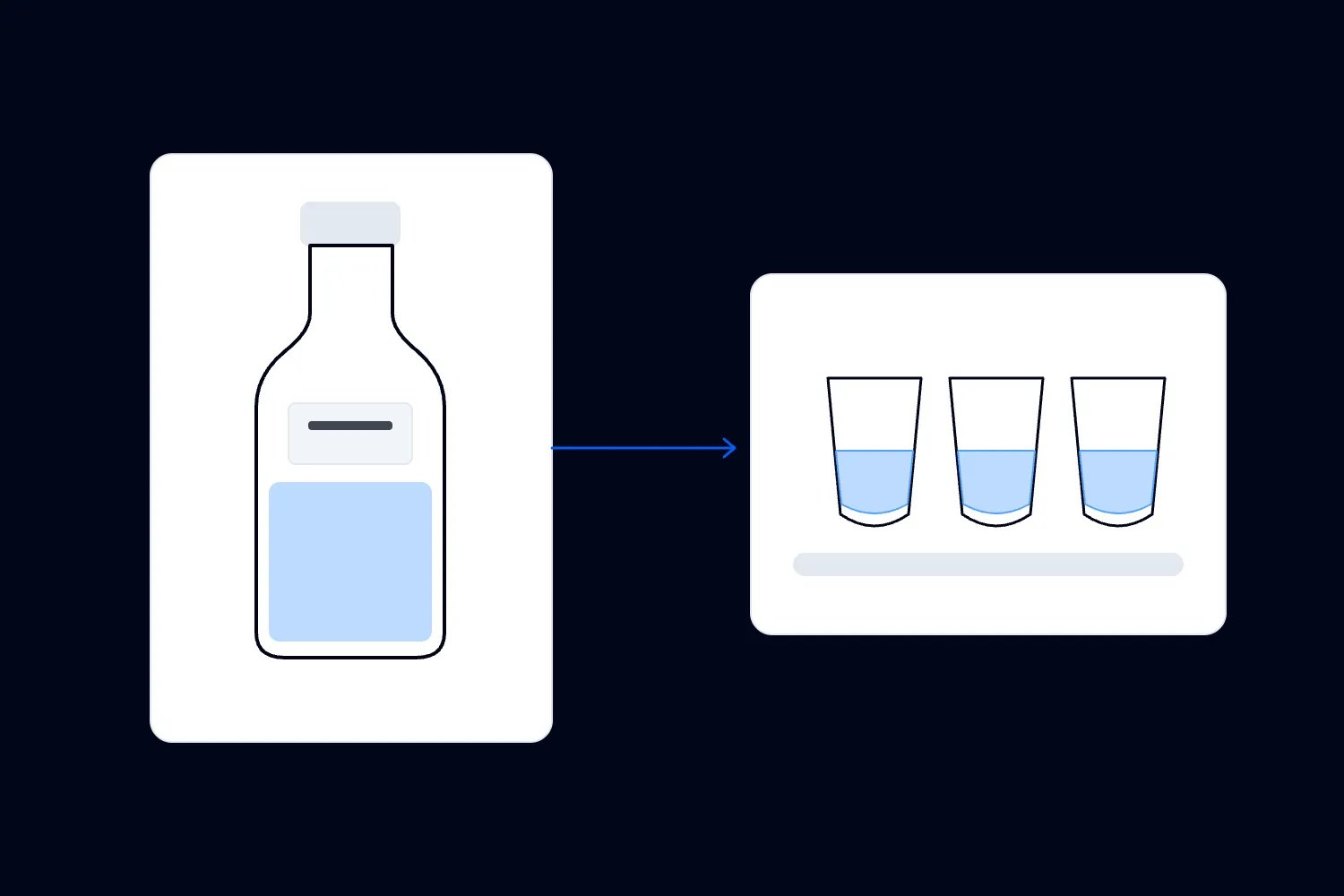
For this first event, shared brewing with individual service is the simpler choice. Staff prepare a batch, separate it from the leaves and pour each guest a small sample. Guests each have their own cup for each round. They don't share drinking vessels or pass a hot brewing pot around the table.
The benefit is consistency within a batch. The cost is a service job that needs doing while the host teaches. Our assistant handles that work under an agreed method, with the host checking the recipes and leading the comparison. Neither person should be expected to answer a complicated question while concentrating on a hot pour.
Individual brewing offers something different. Guests can practise weighing, timing and adjusting their own tea. That makes sense for a hands-on workshop, but it changes what you're selling. Count the brewing sets, scales, timers, water access and supervision before adding the activity. Sharing a single kettle among many beginners may create waiting and movement that the room cannot handle well.
You can demonstrate brewing without making everyone brew. The host might show how leaves are weighed and separated, then invite guests to observe the repeat infusion. Make the demonstration visible and describe each action aloud. If most people can only see the back of the host's hand, it isn't much of a demonstration.
Think through cup use before ordering. Our plan uses four personal cups per person, with a fresh cup for each pour. That avoids asking guests to wash their own cups during the guided tasting and keeps the rounds clearly identified. It also creates a larger washing and storage job that has to be paid for.
If you choose to reuse cups between rounds, agree a suitable cleaning process with the person responsible for food safety and build its time into service. An informal rinse isn't automatically an adequate process. A different cup system can work, but it needs to be designed rather than improvised because you ran out of clean cups.
Choose one approach for the pilot and rehearse it. Combining a demonstration, self-brewing stations and a seated flight can make a small event surprisingly complicated. Expand the format only when you know which added activity helps the guest and what it costs to deliver.
Count the full service, including the second infusion
Let's make the example tangible. Ten guests and two staff each receive a planned sixty-millilitre sample in each of four rounds. That requires 720 millilitres of usable tea per round, or 2.88 litres served across the session. Each guest is offered 240 millilitres in total. Nobody is expected to finish every sample.
Suppose the host's fictional trial uses nine grams of leaves and 900 millilitres of water for each batch. The second oolong infusion uses the same nine grams of oolong, with another 900 millilitres of water. The session therefore uses twenty-seven grams of fresh leaves and 3.6 litres of brewing water across the four batches. These are planning assumptions, not brewing recommendations.
The batch must yield at least 720 millilitres after leaf absorption, decanting and ordinary service losses. The difference between 900 and 720 is an allowance to test, not a guaranteed spare quantity. If the measured yield is smaller, change the recipe, portion or equipment before selling the promised flight.
For the example's purchase, allow fifty grams of each tea, or 150 grams altogether. Within each fifty-gram supply, allocate nine grams to the event, nine to a full service rehearsal, twelve to smaller recipe trials, ten to a possible remake and ten left sealed. Across the three teas, those allocations account for the whole purchase.
That stock plan depends on the recipes working within their trial allowance. If development consumes more, buy more and update the cost. The repeated oolong infusion doesn't need another fresh nine-gram dose, but a contaminated or incorrectly prepared batch may. Keep its remake allowance available rather than packing it as a gift.
Ten guests with four cups each need forty guest cups. The two staff sets add eight, taking the planned total to forty-eight before clean replacements. Include suitable brewing vessels, serving vessels, trays, scales, timers and a way to identify the rounds. Confirm safe working fill levels rather than choosing a pot by its advertised capacity alone.
Drinking water, equipment warming, washing and cleaning require additional water. The 3.6-litre figure covers brewing only. Test the full demand against the equipment's usable delivery and recovery time. A large urn may hold enough water while still failing to deliver the temperatures or refill sequence your recipes require.
Make the room work for hot-water service
Visit with the proposed furniture plan and equipment list. You need a preparation area that staff can use without guests crossing it on their way to a seat or toilet. The smallest room that holds ten chairs may leave no workable route for hot service, used cups or someone who needs assistance.
Our example keeps the brewing equipment in a staff-only area and seats guests at tables within sight of the demonstration. The service route stays clear of bags and coats. Staff use suitable trays and manageable loads, agreed during the risk assessment. Check that staff can reach every place without carrying hot equipment over a seated guest.
Ask the venue to confirm that the electrical arrangement suits the equipment operating together. Check cables, stable surfaces, drainage, handwashing and the position of hot taps or dispensing spouts. Don't add another heater on event day without checking the supply and the route around it.
Great Britain's Health and Safety Executive explains in its event management guidance that organisers need suitable arrangements, competent staff and monitoring throughout the event. Apply the relevant local requirements where you operate. A room hire agreement doesn't replace checking how your particular tasting will run.
Accessibility should include the activity. Can someone reach the cup, see the demonstration, hear the host and move to the toilet without crossing the hot preparation area? Offer practical information before purchase and invite questions. A step-free front door tells someone little about a cramped tasting table upstairs.
Check background smells and noise at the proposed time. A kitchen finishing a strongly scented service next door may affect the comparison. So can fragranced candles or cleaning products. Agree what the venue will be doing while you teach, and test under similar conditions rather than relying on a quiet morning visit.
Count everyone when agreeing room use. Ten public places plus two tasting staff already means twelve people, before venue workers, support people or other agreed attendees. The example's guest limit reflects a proposed service plan, not a safe staffing ratio or an occupancy approval. Reduce it if the actual room and rehearsal require that.
Settle food responsibilities and ingredient questions early
Confirm who operates the food and drink service, what the venue provides and what the event business brings. Put those responsibilities in writing. A cafe's existing systems may help, but hiring its tables doesn't automatically settle registration, hygiene or the handling of tea prepared by your staff.
The Food Standards Agency's food business registration guidance covers businesses handling and selling food and drink, including temporary premises. In England, Wales and Northern Ireland, registration is required at least twenty-eight days before trading where it applies. Check your arrangement with the local authority and use the relevant authority's rules elsewhere.
Our pilot serves the teas plain, plus drinking water. It includes no milk, sweeteners or food pairing. That is a deliberate choice to simplify comparison and service. It doesn't mean ingredient checks are unnecessary. Obtain the actual product information, keep packaging available and agree how staff will answer questions without guessing.
If you add biscuits, milk alternatives or blended teas, assess the whole addition. Check ingredients, storage, utensils and cross-contamination, as well as price. The FSA's allergen guidance, applicable to England, Wales and Northern Ireland, explains recording ingredient information and managing cross-contamination. Keep your event's information current when a supplier or recipe changes.
Describe sensory notes separately from ingredients. A host may describe a plain tea as nutty, but that observation isn't an allergen declaration. Likewise, an attractive label doesn't justify promising that a blend is safe for a particular guest. Have the responsible person check the verified information and the actual handling process.
Agree cleaning, clean storage, handwashing, used-cup collection and waste disposal before the session. Give the assistant a clear replacement procedure for a dropped cup or contaminated batch. If a problem affects safety, pause service. An explanation to the room is preferable to quietly serving something whose status nobody has established.
Explain caffeine without making personal health promises
Tell buyers that the tasting contains caffeinated teas. Small pours help describe the format, but they don't establish the amount of caffeine someone will consume or whether participation suits them. The leaves, recipes and individual choices all matter, and a person may have had other caffeinated drinks that day.
The US Food and Drug Administration's caffeine guidance notes variation in sensitivity and product caffeine content, and explains that decaffeinated tea still contains some caffeine. Keep the invitation factual. Avoid promising a universally safe flight or estimating a precise caffeine total from a generic cup figure.
Guests should be able to decline a pour, leave tea unfinished or stop tasting without having to explain themselves to the group. Tell them this at the start. Offer drinking water and space for their used cups. Staff shouldn't encourage someone to catch up by drinking quickly because the next infusion is ready.
If a buyer asks whether the event suits a medical condition or medication, suggest discussing that with their healthcare professional. Your host can explain the ingredients and service plan, but shouldn't make an individual medical judgement. Choose and publish an age policy suited to the event and local requirements; our fictional pilot is for adults only.
An alternative tasting is a separate promise. Replacing all the samples with herbal infusions may change the lesson, ingredients and service. If you can accommodate that properly, describe the alternative accurately. If you can't, explain the format clearly before purchase so the person can decide whether to book.
Pay for the whole job before judging the ticket price
The leaf cost can make a tasting look cheaper to run than it is. Start with everything required to deliver the promised evening, including the work before guests arrive and after they leave. Our event budget guide explains the wider process; the figures below show how it applies to this small session.
All amounts in this fictional example are US dollars. Suppose each paid booking leaves $65 after sales taxes and actual ticketing and payment costs. This is retained income, not necessarily the advertised checkout price. Those selling costs are already removed, so we won't subtract them again. No refunds are assumed in the example.
Allow the following costs for the ten-place event:
$180 for the host's preparation and event-day work.
$90 for the assistant's training, service and clearing time.
$100 for the venue booking, including setup and clearing access.
$45 for all three tea supplies, including trials, rehearsal and reserve.
$35 for equipment use, base washing and cleaning supplies.
$40 for promotion, organiser administration and an allocation of shared business overhead.
$30 for unexpected costs, treated as spent when assessing the result.
These costs total $520 and stay the same across the attendance cases below. The labour allowances must cover the agreed hours, including rehearsal and follow-up. They are invented totals, not recommended rates. Replace them with real quotes, required employment costs and a proper allowance for your own work.
Allow another $5 per attending guest for individual consumables, printed notes and additional washing supplies. Staff supplies are included in the fixed allowances. At $65 retained per paid booking, each paying guest leaves $60 after that $5 to cover the $520. Eight paid guests produce a $40 loss, nine leave $20, and ten leave $80. Nine is the first whole number of paid places that covers this plan.
The US Small Business Administration explains the break-even calculation as fixed costs divided by price less variable cost. Here we're using retained ticket income in place of the gross price because selling charges and sales taxes have already been removed. Purchase costs include taxes the business cannot reclaim. Borrowing costs and business income tax are outside this example.
Now add $60 of extra preparation. The ten-sale result falls to $20 and nine sales lose $40. Or admit nine paying guests and one complimentary guest at the original cost level. You retain $585, spend $50 on ten guests and pay the $520, leaving $15. The complimentary place uses both inventory and supplies.
These are small returns for the work involved. If your actual costs look similar, test whether buyers value a higher price or whether a simpler offer reduces costs without harming the experience. Selling extra places beyond the tested service limit isn't a sound fix for an underpriced session.
Separate the sales decision from the cash you need
Knowing that nine bookings cover the plan doesn't tell you when to pay the bills. Put the venue deposit, tea order, staff commitments and expected ticket payouts on a calendar. You may need cash before the event even when the final budget shows a profit.
For example, buying the $45 tea order and paying a $50 venue deposit requires $95 upfront. That is only part of the advance cash requirement. The deposit belongs within the $100 venue cost, so it isn't another expense on top. Staff preparation or promotion may also need paying before enough ticket income is available.
Choose a booking review date before important cancellation or commitment deadlines. Use actual sales and remaining obligations to decide whether to continue. A hoped-for last-minute group booking shouldn't be the reason you commit money you cannot afford to lose.
If sales are below plan, compare the real options. Cancelling may still cost money and create refund obligations. Proceeding may limit the loss if much of the cost is already committed. The final result includes everything spent, while the decision today should also consider what further spending each option requires. Write both down so they don't get confused.
Check discounts before announcing them. Two $10 reductions in retained income reduce the ten-sale example's $80 result to $60, assuming the same attendance and costs. The promotion may be worthwhile, but it has a cost even when the room fills. Use our workshop pricing guide to examine the offer before treating a discount as the default response.
Keep possible tea sales out of the base event result. Record retail income and the cost of stock sold separately after it happens. A supplier's hope that people will buy a tin doesn't pay your assistant. If a partner contributes money or stock, confirm the terms and value it consistently rather than counting an informal promise as cash.
Write the booking page around the actual evening
The page should help the intended beginner picture participating. Start with the tasting and the level of guidance. A catalogue of rare tea names may excite an enthusiast while leaving a newcomer unsure whether they belong. You can provide the interesting supplier details after the basic offer is clear.
For this example, the main description could read: "Compare three teas in a relaxed, guided tasting for beginners. We'll serve four small pours, including a second brewing of the same oolong leaves, and help you describe the differences in your own words. Your ticket includes the teas, use of the equipment and recipe notes to keep. You can join the conversation or taste quietly."
Then add the exact date, arrival instructions, start and finish times, venue and host details. State the adult age policy, caffeinated format, plain service and absence of food or take-home tea. Explain whether equipment is borrowed during the event. "Everything included" is too vague if someone reasonably expects a meal or a gift bag.
Our event description guide shows how to turn those details into a coherent invitation. Keep the tone warm without promising that everyone will make friends or discover a favourite tea. You can provide opportunities for conversation and comparison; you can't determine every person's response.
Publish useful access information and a contact for questions. Explain cancellation, transfer and material-change terms under the rules where you trade. Decide how late arrivals join without interrupting hot service. These are buying decisions, so they belong where someone can find them before payment.
Use the host's credentials accurately. Confirm any qualification or affiliation you name, and distinguish expertise in tea from experience teaching beginners. A knowledgeable supplier may still need support with pacing and explanations. Agree the teaching role and preparation work rather than assuming subject knowledge settles both.
Promote a real example of what guests will do. The host could explain how comparing two samples helps someone decide which they prefer. Avoid making the invitation a vocabulary challenge. A person who currently says "this tastes strong" should recognise a useful starting point, not a reason to stay home.
Rehearse the full pour and the explanation
Run the service at the planned size with the actual vessels, water supply and staff. Measure the usable yield of each batch, the time to pour it and the equipment's recovery before the next one. A successful single cup doesn't show that twelve samples will arrive coherently.
Test the second oolong infusion in its real position in the programme. Record how the leaves are held between brews under the agreed food-safety method, the waiting interval and the next recipe. The host needs to know whether that timing supports the comparison. If it doesn't, change the sequence before you publish it.
Then try the explanation with people who resemble your buyers. Ask them to describe a difference without offering the supplier's notes first. Notice where they hesitate. They may need help understanding drying sensation, identifying a cup or knowing whether disagreement is welcome. Those are teaching questions that an equipment test won't reveal.
Prepare original notes with the tea codes, a space for observations and the final recipes. Useful prompts include which sample feels more drying, what changes as it cools and which the guest would choose again. Explain unfamiliar terms in place. Don't reproduce another organisation's tasting chart in a commercial handout without checking permission.
Agree staff actions during each part. The assistant handles arrivals before service, follows the brewing and pouring instructions, collects used items and alerts the host to delays. The host leads the lesson and decides when an explanation should pause. Both need to know who handles an incident and how to reach the venue lead.
Include a deliberate disruption in rehearsal, such as discovering that a sample needs replacing. Practise the response without creating an actual hazard. Does the host know what to tell guests? Is there enough time and stock? If the only solution is to rush a hot pour, revise the plan while nobody has bought a ticket.
Give each round enough time to be worth tasting
Our fictional public session runs from 6:30 pm to 8:30 pm. Staff setup and clearing happen outside those two hours and are included in the paid booking arrangements. The timetable only becomes usable after rehearsal confirms that brewing, service and discussion fit.
6:30 to 6:40: welcome, personal cups, participation choices and how the tasting works.
6:40 to 6:55: introduce the teas and demonstrate the preparation method.
6:55 to 7:15: serve and discuss the green tea.
7:15 to 7:35: serve and discuss the first oolong infusion.
7:35 to 7:45: a short break, drinking water and preparation for the next round.
7:45 to 8:00: serve the second oolong infusion and compare the experience with earlier notes.
8:00 to 8:20: serve the black tea and revisit preferences across the flight.
8:20 to 8:30: final questions and explain the recipe notes and follow-up.
The comparison with the earlier oolong uses guests' recorded observations. The first and second infusions aren't served at identical temperatures at the same moment, so don't present this as a controlled test of infusion number alone. If simultaneous comparison matters to your promise, develop a different preparation method and explain its limitations.
Let people make a private note before inviting discussion. A confident guest naming a particular fruit can influence what everyone else says next. The host can ask for differences and preferences without announcing a correct sensory answer. Correct factual misunderstandings about ingredients or preparation calmly and specifically.
Keep optional conversation easy to join. A prompt to compare notes with a neighbour can be offered without making everyone introduce themselves around the room. Someone who enjoys the tea quietly has participated. Staff should watch the pace and comfort of the room without treating silence as a problem to fix.
Know what to change when service goes wrong
If the first batch is too weak or over-brewed, establish the cause before changing every variable. Check the recorded leaf weight, water quantity, temperature and timing against the agreed recipe. Replace the batch if necessary using the reserved stock. Don't tell guests that an obvious preparation error is simply an unfamiliar tea style.
A late pour needs an honest adjustment. The host can extend a useful observation exercise while the assistant resolves a practical delay, provided the published experience still fits. If the programme is already running behind, shorten background explanation before cutting the promised comparison. Avoid shifting the whole finish without telling people who have travel plans.
If a guest cannot taste the difference, help them make a simpler comparison or leave the observation open. They don't owe the host an impressive answer. Ask whether they notice a difference in strength, drying sensation or preference, and accept that their experience may differ. The event should make curiosity easier, without manufacturing agreement.
For a spill or equipment fault, follow the agreed incident procedure and pause the affected service. Keep guests away from the problem while staff deal with it. A backup method is useful only if it has been assessed and tested. Borrowing an unfamiliar heater from a neighbouring room may create another problem rather than restore the plan.
Afterwards, record what actually happened and the cost of the response. An extra batch, longer venue access or additional cleaning should appear in the event result. Small service failures can explain why the apparent ticket profit disappeared, and they give you something specific to improve before the next date.
Use the first event to decide whether another is justified
Send the promised recipes and tea identities in a form guests can use at home. Include the actual products and methods, with any supplier-approved alternatives clearly distinguished. A short note about adjusting their next brew is more useful than a large file of tea terminology they never practised.
Loopyah's attendee email tools support event updates to ticket holders and distinguish those messages from promotions, with marketing permissions and opt-outs handled for the appropriate audience. Use that distinction when following up. The practical information promised with this ticket and an invitation to buy another event have different purposes.
Review whether guests could describe a difference or make a more informed choice. Ask which part felt rushed and whether the notes help them repeat something at home. Don't assume a room full of polite compliments proves the learning promise worked. The host's observations and specific guest responses can show where the next version needs attention.
Settle the complete cost next, including unused stock, extra labour and any refunds. Distinguish stock still usable for a future event from stock consumed, while keeping this example's conservative purchase allowance visible. Compare the actual result with the booking forecast before deciding that a sellout means the format is profitable.
Our recurring event series guide explains the next booking decision. Start with the evidence from this date. If people learned well but the assistant couldn't keep up, change the service or reduce the group. If delivery worked but the return was too small, test a price or cost change. Confirm that revised plan with the host and venue before putting the next tickets on sale.

Author: By the Loopyah Content Team
The Loopyah Content Team shares expert insights, practical guides, and industry updates to help event organizers create unforgettable experiences and stay ahead in the event planning world.