· 27 min read
How to plan a ticketed heritage railway dining experience
So you've found a heritage railway, the dining car looks wonderful, and you can already picture the evening. Now you need to find out whether you can actually sell it. How many people can dine together? Who controls boarding? What happens to your customers' money if the train stays in the station?
To plan a ticketed heritage railway dining experience, agree the journey and meal with the railway before building the public offer. Confirm the carriages, usable dining places, access arrangements, service plan, payment deadlines and response to changes. Then price the tickets against what you're committing to buy, including the seats and meals you might not sell.
For a first event, I'd choose one return journey with the railway's established catering team and a straightforward meal. You have enough to coordinate without also introducing an unfamiliar kitchen operation. The interesting part is making the journey and the dining work together. Guests should have time to enjoy both, while the business gets paid for the work involved.
This guide explains what to settle with the railway, how to allocate tables and meals, and how to test the budget before launching. We'll use one fictional small event throughout, then work through the decisions you need when bookings, dietary requests or railway operations change.
Define what the ticket buys
Start with a description you could put in a booking confirmation. For example, an adult dining departure with a reserved place at a shared table, a set meal, water and coffee, returning to the same station. State whether other drinks cost extra. Explain whether the ticket includes any travel outside this departure. Don't let ordinary railway admission and your dining reservation become interchangeable in the buyer's mind.
Choose who the experience is for. Couples celebrating an occasion might care about a private table. Railway enthusiasts may care about whether the train is steam or diesel, and the route. Local diners might come mainly for the chef. Those are different reasons to buy, with different promises attached. A particular locomotive becomes a much bigger commercial issue when it's the headline attraction rather than a pleasant possibility.
Be specific about what is confirmed and what can change. If steam operation is subject to operational availability, that qualification belongs near the description and booking terms. It doesn't belong in tiny text beneath a photograph naming a guaranteed engine. Ask the railway to approve the wording, then check that it accurately describes your agreement and the consumer rights that apply.
Decide whether you are booking a private dining carriage, buying a block of places on an existing service, or commissioning a separate departure. Private use of the dining space doesn't necessarily mean private use of the whole train or station. Guests should know which parts of their visit are exclusive and which are shared with the railway's other passengers.
For our worked example, imagine an event called Cedar Line Supper. It has one adult-only return departure, two agreed dining cars, an established caterer and a fixed menu with confirmed alternatives. The name, layout, timetable and money in this example are invented. They aren't a description of a real railway, a recommended capacity or a market price.
The paid pop-up restaurant guide covers the wider dining business decisions. Here, the extra job is making a paid meal fit an operating railway. You can't assume the kitchen, boarding time or return journey will behave like a restaurant booking.
Keep railway decisions with the railway
Before discussing table decorations, ask who your railway contact is and who controls the service on the day. You need a booking contact for the commercial agreement and an operational contact for boarding and running the event. Establish how those people communicate with your host and catering lead. A salesperson's enthusiastic yes isn't permission to change a railway procedure.
Your event team should work within the railway's instructions for platforms, boarding, doors, movement through carriages and emergencies. Confirm which duties your hosts may perform, what briefing they need and which duties remain with railway staff. Don't assign a general event steward a railway safety role because they're available and wearing a radio.
Requirements depend on the railway and jurisdiction. In Great Britain, the Office of Rail and Road explains that some lower-risk non-mainline operations still need a safety management system even where certification is not required. Mainline requirements differ. Ask the operator which framework applies to your proposed service and how your event fits its arrangements. This guide isn't an operating instruction or a way to decide whether a railway is authorised.
Describe every activity you want to add. That includes a welcome speech, musician, photographer, drinks service, decorations and any proposed station stop. The operator can then assess the actual event. A performance involving guests standing in the aisle presents a different proposition from a seated host speaking briefly before departure.
Agree how you raise a problem while travelling. Your host needs a reliable route to the relevant railway person without distracting someone doing a safety-critical job. Ask what happens if phones have no signal and what communication equipment your team may use. Rehearse the agreed contact method with the people who will actually be there.
Also settle who can pause meal service, who speaks to guests about a delay, and who approves a commercial remedy. Those decisions interact, but they have different owners. Your host can explain the dinner; the railway controls railway operations. Write the responsibilities down in words the whole team can follow.
Inspect the actual dining cars and access route
Visit with the railway and catering lead before you settle the offer. Walk the journey a guest takes, beginning with the car park or public transport arrival. Find the meeting point, toilets, waiting area and boarding location. Then inspect the particular dining cars proposed for your booking. A photograph of another coach tells you very little about this departure.
Access needs that level of detail. Severn Valley Railway's accessibility information distinguishes dining cars from its other accessible facilities. It explains that narrow dining-car doors and gangways prevent wheelchair accommodation at a table in those carriages. That's an example from one railway, checked in October 2026, rather than a statement about every heritage service. General station accessibility cannot answer whether a guest can use a particular dining place.
Ask about boarding assistance, door widths, steps, table access, toilets and the route between them. Confirm what happens at every planned stop, including the return station if it differs. Ask how assistance dogs, mobility aids and companions are accommodated. Let the railway explain its procedures and have an appropriate access specialist involved where needed.
Publish useful information and a contact route before payment. A guest shouldn't have to buy a ticket to discover a restriction that prevents them attending. Where a requirement needs an individual conversation, arrange that before confirming the booking. Avoid asking the guest to decide whether an unexplained description such as "heritage access" will work for them.
Check comfort as well as physical access. Discuss heating, ventilation, lighting, toilet availability and space for coats or bags. Confirm what the railway can actually provide. If you need guests to dress for a carriage with variable temperature, say that plainly. Don't describe modern climate control because the publicity photograph looks luxurious.
If your intended audience cannot use the proposed cars, change the arrangement before launch. A different carriage or a station-based meal combined with suitable train travel may be worth exploring with the operator. Check whether it still offers the experience you want to sell, and cost it again. An inaccessible dining car isn't a problem that better confirmation emails can solve.
Agree the commercial deal before announcing a date
Get a written agreement describing the space and service you are buying. Name the operating date, stations, proposed times, carriage arrangement, dining places, catering scope and permitted event activities. Confirm loading and preparation access as well as passenger travel. An event that finishes at the advertised return time may still need staff to clear tables and remove equipment.
Check whether the railway permits your business to market and sell the agreed experience to individual customers. Clarify whose name appears as seller, who handles payment and complaints, and who approves publicity. If the railway also sells places, agree the exact allocation and how changes are communicated. Never sell against a capacity that both parties think they control.
Ask what the quoted price includes. It might cover a carriage and movement, or a package including food and service. Break out optional drinks, staff meals, extra hours, cleaning, linen and damage charges. If catering is included in the railway's price, don't add the same meals again in your budget. If it's excluded, confirm the complete catering charge separately.
Read the deadlines against the version of the terms that applies to your booking. North Yorkshire Moors Railway's dining and exclusive-use terms show why this matters. They distinguish booking types and travel dates, with separate commitments for menus, seating and dietary requirements. Their exclusive-use terms, updated 16 October 2026, also describe operational changes and dining in stationary carriages. Use the terms applicable to your agreement rather than borrowing a deadline from another service.
Record deposits, balance dates, minimum passenger or meal charges, reduction deadlines and cancellation costs. Ask what happens if a carriage becomes unavailable or the journey is shortened. Have the contract reviewed for your actual business arrangement, including insurance and local licensing responsibilities. A supplier's cancellation clause doesn't automatically settle what you owe your own customers.
Make partner promotion concrete too. If a railway newsletter placement matters to your sales plan, agree when it runs, what it says and where readers book. Permission to use the railway's logo is a separate question. You need confirmed promotional work and approved materials before counting the partnership as a source of ticket buyers.
Turn the approved layout into bookable places
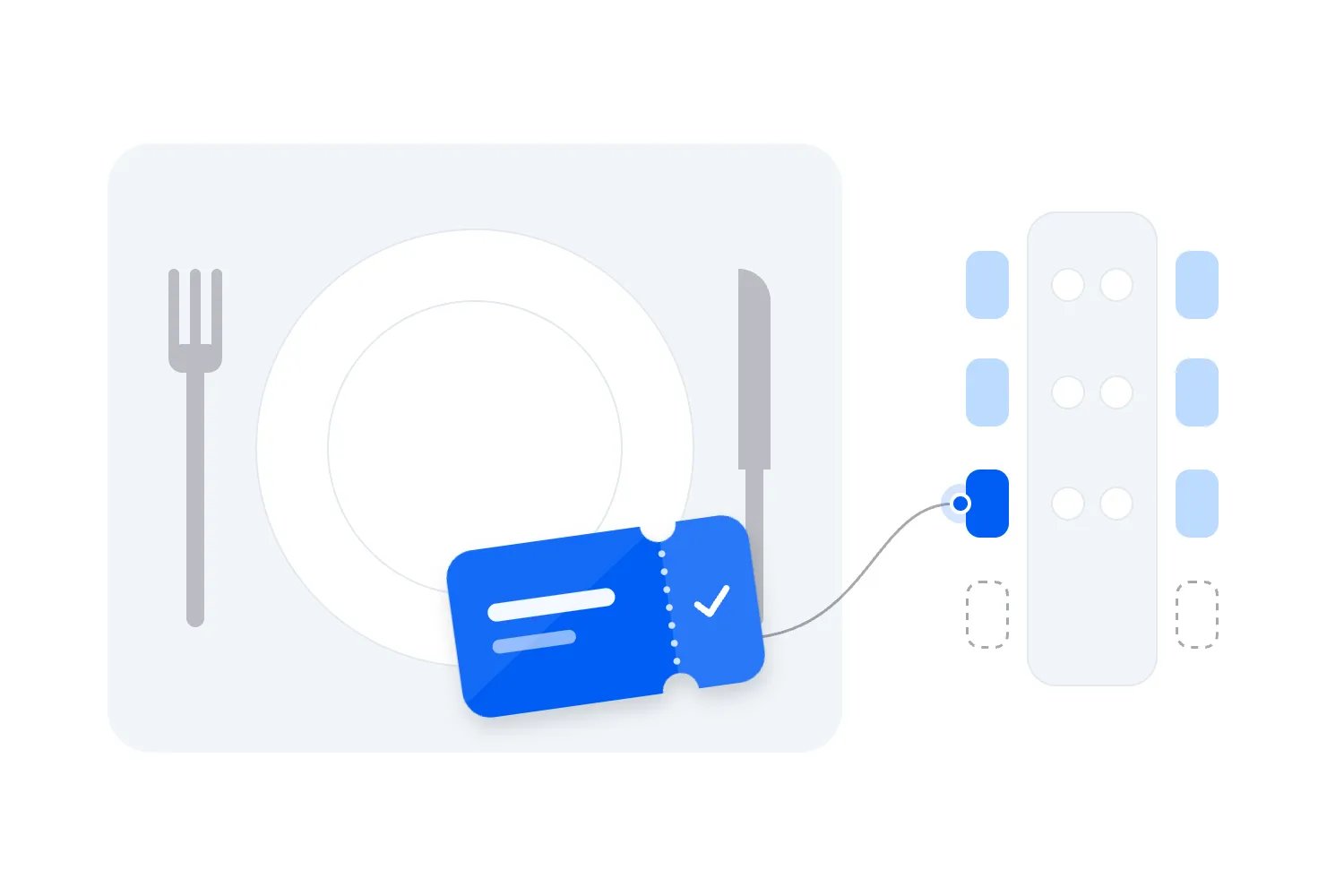
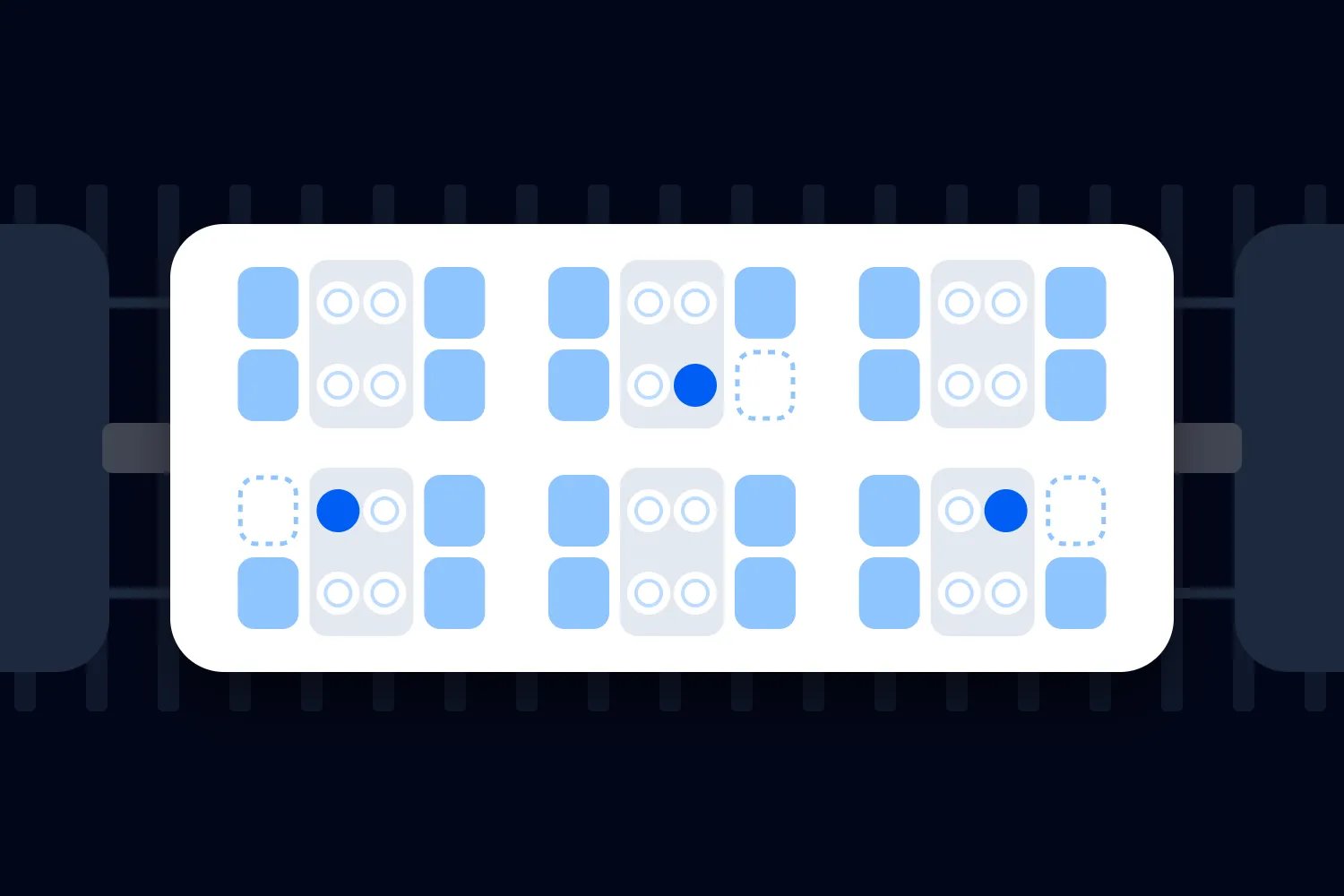
Get a labelled seating plan from the railway and walk through it together. Confirm which tables can be used, where staff work and which places must remain unavailable. The approved passenger arrangements, service needs and access arrangements come first. Your sales allocation is a consequence of those decisions, not a way to establish the train's safe capacity.
In our fictional Cedar Line layout, the railway has approved 12 four-place dining tables across two cars. For this example, table 12 is reserved for two hosts and its other two places are held back. That leaves 11 tables and 44 places for paying diners. Railway and catering staff have separately approved working and travel arrangements. They aren't extra people we simply ignore because they don't buy dinner tickets.
Now decide what a booking means. If you sell individual places at shared tables, say that clearly. If you sell private tables, set the price and occupancy for each table. A couple buying two individual places shouldn't discover at boarding that they were expected to buy the other two places to sit privately.
Party sizes affect what remains sellable. Suppose nine four-place tables are full and two tables each hold a party of three. You've sold 42 places, leaving two single places. A couple asking to sit together cannot use those two places without an agreed rearrangement. "Two tickets left" would be incomplete information for that buyer.
Work through these cases before launch. Can parties share? Can you move an existing booking with its agreement? Do guests choose exact seats, or do you allocate them? Keep that promise consistent across the page, checkout and confirmation. A preference request should never appear to be a confirmed private table.
Use one agreed record of allocations, with a named person responsible for changes. Reconcile any railway-held places, partner bookings, guest invitations and your own sales before releasing more inventory. When a party changes size, check the table and meal consequences before accepting the change. A cancelled ticket doesn't necessarily create a place you can resell to any buyer.
If buyers will choose exact places, Loopyah seat charts let you draw labelled seats and tables and connect the chart to an event. Buyers select places on the map. Build it from the railway's approved layout and check the result with the operator before launch. The map records what you're selling; it doesn't approve carriage access or decide whether a dietary request can be fulfilled.
For this first event, I'd favour a clear shared-table offer with parties kept together wherever the confirmed layout permits. If private tables are central to the audience's reason to buy, sell and cost that version instead. Don't build a shared-table budget and then promise privacy to close individual sales.
Test the budget against the places you can sell
Our event budget guide helps you organise the full costs. For railway dining, pay particular attention to what remains payable when fewer diners attend. Train hire, host shifts and a guaranteed catering order can leave you with almost the same bill whether the cars are full or half empty.
Here's Cedar Line's invented budget in USD. Assume no sales tax for this calculation and use tax-inclusive supplier costs. A real budget needs the taxes that apply to your business. These figures are teaching assumptions, not railway quotes, typical prices, customer results or Loopyah fees.
Railway hire and movement cost $3,200, excluding catering.
Two paid hosts, including their preparation work, cost $550.
Promotion costs $350.
Event-specific insurance and administration cost $250.
Printing and service materials cost $100.
Two host meals cost $110.
A budget allowance for additional costs is $440.
Those fixed costs total $5,000. The established caterer charges an assumed $55 for each paying diner's complete meal and service. Railway and catering crew costs are covered within the agreed hire and catering charges, with no additional staff-meal bill in this example. Check that detail in your real quote rather than assuming it.
Each ticket costs the buyer $195. Assume selling and payment charges of $15 per paid ticket, leaving $180. Subtract the $55 diner cost and each sold place leaves $125 towards the fixed costs. At 40 paid diners, $5,000 is covered exactly. At 44, the budget has a $500 surplus. At 36, it loses $500.
Cross-check the full-house case. Gross ticket receipts are $8,580. The assumed charges total $660, leaving $7,920. Diner catering costs $2,420. Subtract that and the $5,000 fixed budget and you have $500 left. The allowance is already treated as spent in this cautious forecast. Any unused allowance can be released when you reconcile the actual bills.
That's a fairly narrow result for a departure with substantial commitments. If the audience won't pay the required price, negotiate a workable cost reduction or change the offer before booking. Hoping the final tables sell isn't a commercial plan. Nor is quietly treating your own preparation time as free after the budget becomes uncomfortable.
Check the catering minimum separately
The calculation above assumes the diner charge changes with the number of paid diners. Now suppose you must pay for 44 diner meals regardless of final sales. The catering bill stays at $2,420. With 38 tickets sold, you retain $6,840 after the assumed selling charges. Subtract meals and fixed costs and the forecast loses $580.
Under that 44-meal commitment, 40 ticket sales no longer break even. You need to cover $7,420 with receipts of $180 per ticket. At 41 sales you are $40 short. At 42 sales you have $140 left. This difference is why the catering guarantee belongs beside the ticket target rather than in a supplier email somebody reads later.
Test discounting on the same basis. If ten of the 44 tickets sell for $20 less and the assumed $15 charge remains unchanged, the full-house surplus falls from $500 to $300. Add an unbudgeted $350 production charge and it becomes a $50 loss. These are separate changes combined in one scenario, not a prediction of what will happen.
Don't add projected bar takings unless your agreement gives your business that income. If the railway runs the bar and keeps the receipts, the money belongs to its budget. Include sponsor income only once the payment and delivery obligations are agreed, then count the cost of fulfilling them.
Put sales decisions before the next payment commitment
Build the calendar from the railway's actual deadlines. You need enough time to decide whether the event is viable before another deposit becomes non-refundable, a balance becomes due or the caterer fixes the minimum order. A sales decision made after those dates can change what you do next, but it can't remove a bill you've already agreed to pay.
For illustration, suppose Cedar Line has negotiated a decision point six weeks before travel and a final seating and meal deadline four weeks before travel. Those are fictional contract terms, not suggested industry deadlines. Some services require much earlier commitments. Write your sales plan around the dates in your own agreement.
At the decision point, review paid bookings, the remaining table combinations, confirmed requests and the cost of continuing. Distinguish money already spent from money you can still avoid. Continuing might reduce an unavoidable loss, or it might add another large loss. You need to compare the actual options, including lawful refunds and supplier cancellation charges.
The 40-place break-even figure isn't automatically your go-ahead target. You may need more sales to cover a meal guarantee, or more room in the budget to make the work worthwhile. Choose a target that reflects those conditions and the business's ability to fund a weaker result. Agree who can make the decision before launch.
Cash needs a separate check. An event forecast can show a surplus while the railway balance falls due before your ticket funds are available. Confirm actual payment and payout timing with the relevant providers. Put the amounts and dates in the plan, and identify how the business funds the gap without assuming future ticket sales will arrive in time.
Keep money available for the remedies you may owe buyers if the event changes or is cancelled. A supplier refund might cover only part of your customer obligation, and an insurance claim may take time or be excluded. Ask the insurer about your exact arrangement. Treat unconfirmed cover or a hoped-for supplier concession as unavailable money.
Build a meal that fits the journey
Ask the catering lead to design the service around the railway's approved operating plan. Confirm where food is prepared, loaded, stored, finished and served. Identify the points where service must stop and which movements staff are permitted to make. You need an approved working method for the actual cars and route, rather than a restaurant menu transferred onto a train.
For a first departure, fewer choices can make the offer easier to deliver. One main menu with assessed alternatives gives the caterer a clearer order than a long list of combinations. That doesn't mean every guest must eat an identical dish. It means you only sell options the team has costed and confirmed it can provide.
Work backwards from the useful dining time. A three-hour journey doesn't give you three hours of uninterrupted meal service if boarding, operational pauses, introductions and clearing also need time. Ask when hot food can reach every table, when dishes can be collected and what happens if the train is delayed. The meal must remain safe and acceptable under the agreed procedure.
Rehearse with the actual team and equipment. Test the longest approved service route, the narrowest working point and the handoff between cars. If part of the train can't be crossed during service, provide the staff and supplies each area needs. Guests shouldn't wait for coffee because the only equipment is in another carriage nobody can reach.
Agree drinking water, included drinks and extra purchases. Confirm who operates alcohol service, the permissions needed, how bills are settled and who handles a guest who should not be served more alcohol. Including wine in the ticket doesn't settle the licensing question. Obtain the appropriate local advice for the train, stations and route involved.
Don't add entertainment until the meal works. A brief introduction about the railway may suit the journey. A long speech during a hot course can spoil it. Check sound, permissions and the guest experience in both cars before advertising a performance. You are selling time to enjoy dinner and travel, so leave people enough time to do that.
Confirm dietary requests before promising a meal
A dietary note in a booking doesn't confirm that the caterer can fulfil it. Give buyers a clear route to discuss requirements before paying, then arrange a response from the person who can assess the actual menu and preparation. If the request cannot be accommodated, tell the buyer before accepting that booking. Don't leave the conversation until the food is being loaded.
For England, Northern Ireland and Wales, the Food Standards Agency's allergen guidance for food businesses explains information and handling requirements. It recommends written information supported by a conversation for non-prepacked food. It also distinguishes vegan choices from allergen-free claims. Use the rules and qualified food-safety advice applicable where you operate; a menu label alone doesn't establish whether a meal is suitable.
In Cedar Line's example, a guest asks whether the vegetarian main can be made without dairy. The host forwards the requirement through the agreed private route. The caterer checks the recipe, bought-in ingredients and preparation before responding. The guest receives a specific answer and, if confirmed, the booking and service record show the agreed meal. The host doesn't improvise an assurance about the kitchen.
Set your customer deadline early enough to resolve questions before the supplier deadline. Someone needs time to contact the guest, obtain the caterer's answer and correct the final order. Make the process for a late request clear too. You can promise to ask; you cannot promise that an unassessed change will be safe or available.
Give the service lead a final meal count linked to the correct tables and diners. When someone moves seats, reconcile the meal assignment as well. Train the team to refer uncertain questions to the catering lead and stop an affected service rather than guess. Include the railway's emergency contact procedure in the team briefing, without turning the host into a medical or railway specialist.
For final sign-off, use a short record that both the railway and catering lead can check. Include these fields in the version they receive:
Departure date, booking reference and the time this version was issued.
Each party's booking reference, number of diners, carriage and table.
Meal quantities, including the two host meals in our example.
A confirmation reference for any agreed adaptation, shared only with staff who need it.
Unavailable places and the remaining places authorised for sale.
The person who approved the record and the route for reporting a correction.
Ask each receiving lead to acknowledge the same version. If a change follows, record who accepted it and replace the affected instructions. Sending a corrected document without checking receipt can leave the host and caterer serving from different plans.
Keep personal information proportionate. The UK Information Commissioner's Office describes collecting only the data necessary for the purpose; its guidance is currently under review following legislative changes. Agree the lawful collection, sharing and retention arrangements for your booking process. Restrict access to dietary and access information to the people who need it. A public table card should help staff identify the place, not disclose a guest's health information.
Make the ticket page answer the practical questions
Lead with the experience, date, departure station and total ticket price. Then make the arrival instructions visible. Guests need to distinguish the time they should report to your host, the boarding window and the scheduled departure. "Dinner at six" is poor guidance if check-in is earlier and the railway cannot wait for a late passenger.
Write the dining and seating description as carefully as the menu. Say whether a ticket buys one place, whether tables are shared and how parties are allocated. Explain included drinks, separately purchased extras, age restrictions, dietary enquiries and access information. State the scheduled return and make any operational qualification understandable before checkout.
With Loopyah ticket selling, you can set ticket prices and quantities, and the confirmation email links buyers to their QR tickets. Door staff can receive check-in access and scan tickets using their phones. That handles the ticketing part of your arrival process. The railway must still agree where you check people in and how your confirmed guests are authorised to board.
Your dining allocation still needs to match the approved carriage plan. Don't assume a QR ticket confirms a private table, a meal adaptation or permission to join any train. If your event confirmation and the railway's documents serve different purposes, explain what the guest must bring. Test the instructions with someone who hasn't helped organise the event.
A usable offer description for our fictional departure would read something like this. "Your ticket includes one reserved dining place at a shared table, the confirmed set menu, water and coffee on Cedar Line Supper's return journey. Other drinks are purchased separately. Parties are allocated together within the agreed table layout; a private table is not included. Contact us before booking about access or dietary requirements."
That paragraph still needs the actual date, stations, times, menu, contact information and reviewed terms around it. It's a starting description for this example, not terms to copy without checking. Have both the railway and your own team read the whole page before you announce sales.
Promote the departure buyers will actually receive
Use the railway partnership to explain the experience with confidence and detail. Show the actual proposed dining space, describe the meal and make the journey understandable. Get permission for images and say when an image shows an example rather than the confirmed carriage. Avoid borrowing a luxury interior that belongs to a different service.
Start with audiences that have a reason to care about this departure. That could be the railway's dining audience, the caterer's customers or people who have bought a related paid experience from your business. Confirm which partner messages are authorised and where readers book. Access to a partner's audience doesn't mean you can copy its customer list.
Check sales against the table plan as well as the total. If couples are asking about private seating while you sell shared tables, decide whether the offer needs changing for a future departure. Don't promise something different in private messages just to complete the booking. Every exception becomes a service commitment somebody has to fulfil.
Use real availability in promotional copy. Two isolated single places and one private table for two are different offers. Explain the places you can still sell, and keep the booking route consistent with that explanation. If the remaining places don't suit a prospective buyer's party, tell them rather than suggesting the host will sort it out at boarding.
Rehearse check-in, boarding and the meal together
Create a shared running order with your railway contact and catering lead. Our event run-of-show template explains how to record the action, time and responsible person. For a railway event, your running order supports the operator's arrangements. It cannot change a departure, boarding procedure or operational instruction.
Here's an invented Cedar Line sequence to discuss with the operator. Hosts report at 15:30 for the final briefing, document checks and preparation. Guests report at 16:15. Boarding is planned for 16:40, with a scheduled departure at 17:00 and return at 20:00. These times have no connection to a real timetable and would need explicit operational approval.
The catering lead proposes a welcome before departure, starter service from 17:15, the main course from 18:00, dessert from 19:00 and coffee and clearing before the return. The railway and caterer must confirm that the sequence works with movement, stops and the actual equipment. If it doesn't, change the meal or sequence before publishing it. The example isn't permission to serve at those times on another railway.
The hosts' job is to reconcile the arriving party with the final booking and table allocation, resolve commercial questions and direct guests to the agreed boarding point. Railway staff control the railway aspects of boarding and departure. Confirm how you count and hand over the group, including any non-paying participants. A check-in total alone doesn't prove everyone has boarded.
Agree what happens to a late arrival. Give the host a contact route and approved wording. Don't suggest that guests can drive to a later station or join another service unless the railway has expressly arranged it. An improvised attempt to catch up can create more confusion and doesn't restore the meal they've missed.
Brief both cars from the same final version. Test the staff contact method, confirm who has the table records and identify who takes over if a host is unavailable. Include clearing, lost property and the handback to the railway after passengers leave. A successful return isn't the end of the paid work.
Decide what happens if the journey changes
Work through changes before you sell. Ask about a replacement locomotive, replacement carriage, delayed departure, shortened route, changed station, static dining and full cancellation. Each can affect the experience differently. You need to know what the railway can offer your business and what your business must offer its buyers.
Don't copy a railway's supplier terms into your customer policy and assume the job is finished. In Australia, the ACCC's guidance on selling event tickets explains that cancellations and significant changes can give consumers refund rights, depending on the circumstances. Other jurisdictions have their own rules, including rules relevant to transport and combined offers. Have the actual arrangement reviewed before taking money.
For Cedar Line, suppose the railway can provide dinner in stationary carriages but cannot run the journey. The food may be unchanged, but the paid journey has disappeared. Contact buyers with the confirmed change and the lawful options, including any remedy they're entitled to. Don't describe static dining as the original event simply because it avoids throwing away the meals.
Keep a record of the original offer, the operational information you receive, the decision and the messages sent. Your railway contact confirms the operating facts. Your designated organiser handles customer communication and the approved remedy. Give guests one reliable source of instructions so they don't arrive at a changed station using an earlier message.
Use Loopyah attendee email tools to build the message and send yourself a test before the wider send. Check the station, time, affected departure and contact details in that test. For urgent changes, agree additional contact methods appropriate to the situation. Sending an email doesn't establish that every affected passenger has seen it.
If the event is cancelled, explain what has happened, what buyers need to do and how the refund process works. Our event cancellation email guide develops that communication. Keep the explanation factual and coordinate it with the railway. You can explain an operational problem without speculating about its cause or promising a new date you haven't secured.
Use the first departure to decide whether to repeat
Reconcile the railway invoice, catering order, ticket receipts, selling charges and paid working hours after the event. Count held places and unsold places separately. Review whether the table combinations made apparently available inventory difficult to sell. If you purchased meals that went unused, record why before treating them as an unavoidable feature of railway dining.
Ask the railway and caterer where the event made their work harder. Then ask guests about the specific promise they bought. Did the shared tables match the description? Was there enough time to enjoy the meal? Were the arrival instructions clear? These answers help you change a particular part of the next departure rather than adding more entertainment to solve an unrelated problem.
Repeat once you can explain what buyers valued, what the business retained and which terms you need next time. Before committing another deposit, agree the next carriages, service and costs again. Then sell that confirmed experience with the same care you put into the first one.

Author: By the Loopyah Content Team
The Loopyah Content Team shares expert insights, practical guides, and industry updates to help event organizers create unforgettable experiences and stay ahead in the event planning world.