· 27 min read
How to run a fishbowl discussion at a paid conference

So you've put an interactive discussion on your conference programme. You want delegates to compare what actually happens in their businesses, question each other's assumptions and contribute something of their own. But you also need the session to make sense to someone who chooses to listen. A fishbowl can do that, provided you plan how people enter the conversation and what happens when they do.
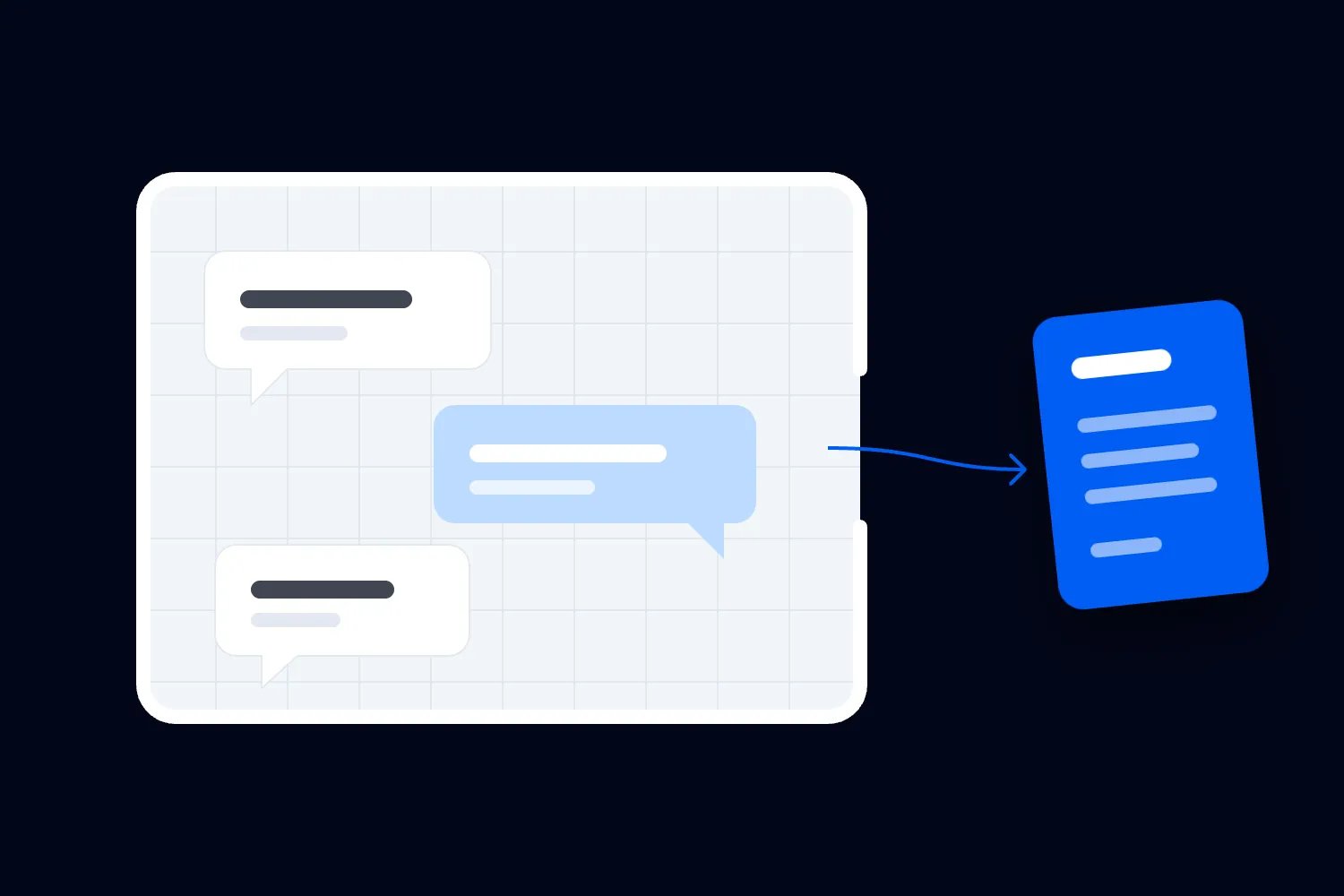
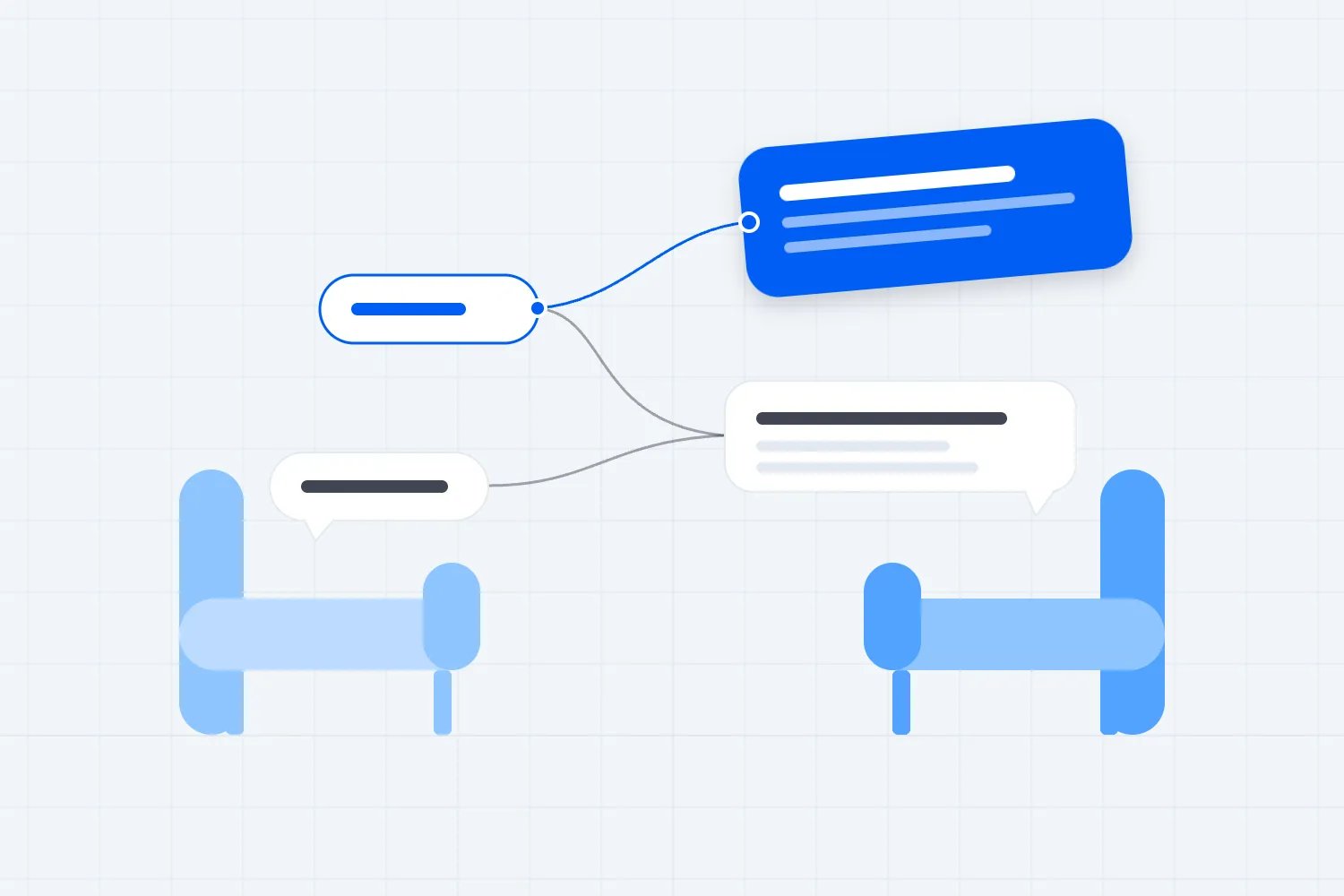
In a fishbowl discussion, a small group talks in an inner circle while the wider audience listens around them. Participants change during the session, either individually or in planned groups. That changing conversation is the reason to choose the format. The circular seating alone won't make a fixed panel more participatory.
For a paid conference, we'd start with an open fishbowl on one practical question, a facilitator who can manage both discussion and rotation, and a clear way to contribute without moving seats. Explain those arrangements before people book. Then rehearse them in the room you're actually using, including the microphones and the route into the discussion.
This guide develops a fictional session about customer onboarding at a conference for service business owners. We'll work through the participation rules, room, facilitator brief, timetable, awkward moments and follow-up. Its timings, headcounts and costs are planning examples, not industry benchmarks or results from an actual event.
Decide whether a fishbowl suits the question
A fishbowl works when the audience benefits from hearing people examine different experiences of the same problem. Someone explains what they tried, another person identifies a condition that changes the answer, and a delegate joins with a relevant exception. The rest of the room can follow that development without having to speak themselves.
Our example question is, "Which parts of customer onboarding should a small service business standardise, and which should stay personal?" One business owner might use the same welcome process for every new customer. Another might change it according to the work involved. Both can bring a concrete case, and the facilitator can ask where each approach becomes unhelpful.
That's a better starting point than "The future of customer experience". A broad subject invites prepared opinions and long introductions. A decision about the first customer handover gives participants something to compare. You can still discover an unexpected issue, but you have a way to decide whether it belongs in this session.
Don't use the format to deliver information people need in a fixed order. If delegates must learn how a process works before they can discuss it, teach that first or choose a workshop. If the main attraction is hearing from named experts who need substantial uninterrupted time, a moderated panel discussion may fulfil the promise more honestly.
The distinction from a conference roundtable matters too. A roundtable can keep the same small group together to develop a question in depth. A fishbowl lets a wider audience follow a smaller conversation and, under the agreed rules, change who takes part. Choose it because those changes improve the discussion, rather than because the programme needs something labelled interactive.
Ask what someone should understand by the end even if they never enter the circle. For our session, they should be able to identify an onboarding step worth standardising, recognise an exception and decide what to check before changing their own process. Listening is a valid way to get there. You don't need to make public speaking a condition of receiving value.
Choose open entry or planned group rotation
The World Bank's Art of Knowledge Exchange guide distinguishes an open fishbowl, where audience members can join during the discussion, from a closed fishbowl, where groups enter and leave together. These are different ways to organise participation. In this context, "closed" describes rotation; it doesn't automatically mean the discussion is confidential.
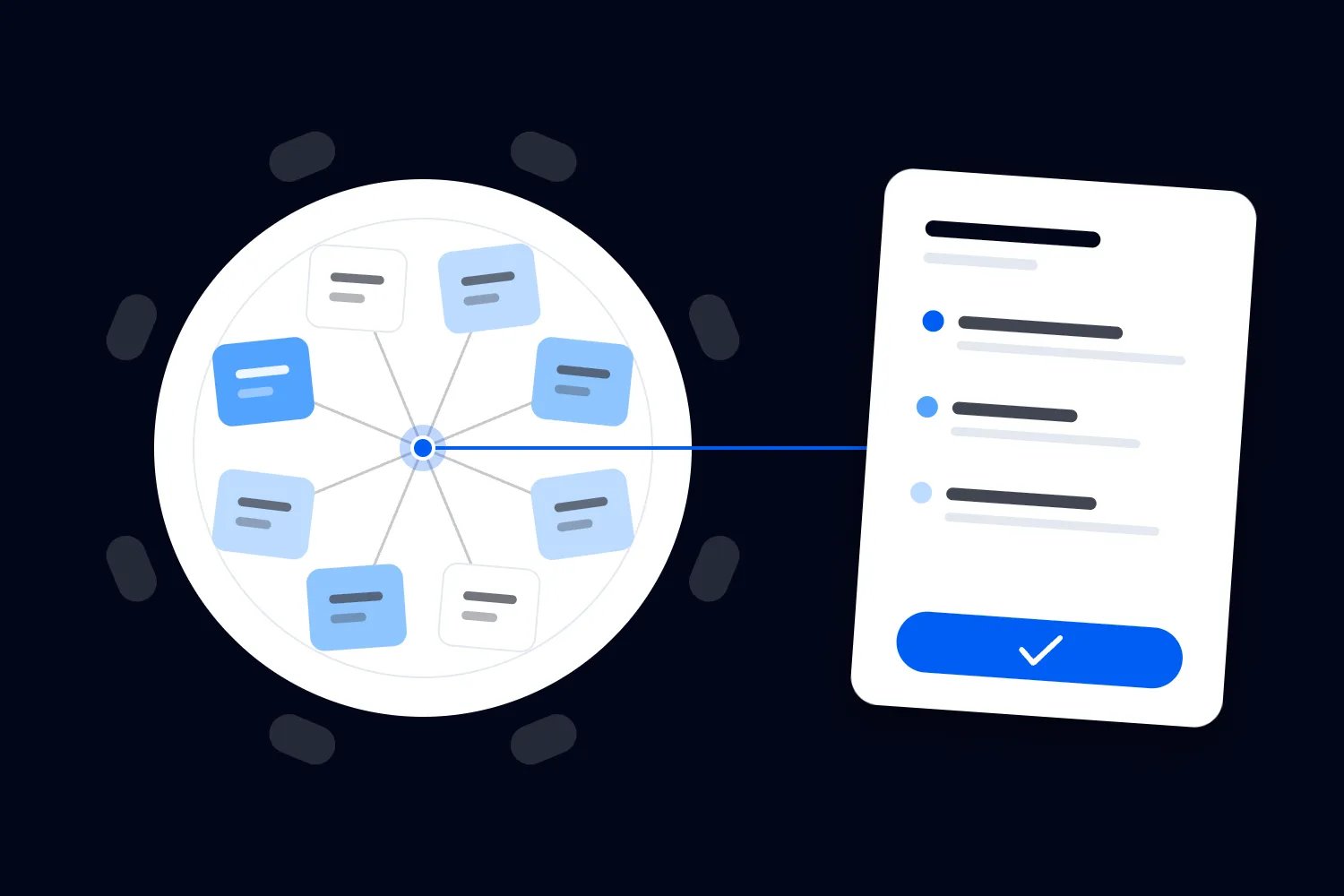
For our fictional conference, use open entry with four discussion positions. Three contributors begin, leaving one position available. When a newcomer joins, an existing contributor finishes their current point and leaves, making room for the next person. The facilitator stays outside that rotation and manages the exchange. Nobody needs to negotiate a departure while trying to finish a sentence.
That rule needs a little more detail. Newcomers signal to the session host before entering. The host confirms whose turn is next and indicates when the position is ready. If two people volunteer together, the host handles the order. We would favour someone who hasn't yet contributed over an immediate repeat contribution, while allowing the facilitator to make a relevant exception and explain it.
You can instead schedule changes between groups. That suits a session comparing different experiences, such as businesses with a dedicated onboarding employee and businesses where the owner does the work. Give each group the same central question, then ask the next group to respond to what it heard. Otherwise you get separate presentations with furniture changes between them.
Planned groups give you more control over whose experience appears, but they create another responsibility. Explain how people were selected and what the audience can contribute between rounds. Don't call the session open participation if all speaking places have already been allocated. Observers may still find it valuable, provided the description matches the experience.
Avoid combining several rotation systems in the same session. An empty position, shoulder tapping, timed replacement and a separate hand-raising queue can each mean something different to a newcomer. Pick the rule the host can explain and the facilitator can enforce. If you change it during the session, stop briefly and tell everyone what now happens.
What a planned-group version would change
If open entry feels unsuitable for your audience, you can adapt our example without changing its central question. Select twelve willing contributors in advance and organise them into three groups of four. The remaining forty-eight delegates listen and can submit questions. Explain that arrangement before booking; this version doesn't offer every person a turn in the inner circle.
Keep the first ten minutes for instructions and reflection. Give the first group minutes ten to twenty-two, the second twenty-two to thirty-four and the third thirty-four to forty-six. Each twelve-minute block includes its changeover, so rehearse how the next group becomes ready. The final fourteen minutes still cover testing the advice and checking the summary.
The second group should begin by responding to a distinction the first group identified. Ask what matches its experience and what needs changing. Brief the third group to examine the comparison again, rather than repeat introductions and start the subject afresh. The facilitator can carry an unresolved question between groups so the audience hears one developing discussion.
This version needs a different contributor brief. Nobody joins midway through a group's block, there is no empty position inviting entry, and the host manages the scheduled changes. The final group helps test the advice using points gathered from the earlier contributors and observers. Don't quietly switch to open entry because someone asks from the audience; the people waiting for their scheduled turn prepared for a different arrangement.
Make the invitation match the participation you can offer
Your programme description should tell delegates what they'll discuss, who begins, how they can join and whether they can simply listen. They shouldn't need to know the word fishbowl already. Explain the experience in ordinary language before using the format name as shorthand.
For the example, you could write, "Compare how small service businesses welcome new customers. Three invited contributors will begin a facilitated discussion, and delegates can request a turn to join it. You can also submit a question or listen throughout. We'll finish by identifying which steps might be standardised and where a personal conversation still matters."
Add the practical limits immediately below. A conference pass includes access to this session, subject to the stated room arrangements; entry to the room doesn't guarantee a speaking turn. Name any reservation requirement. If you've sold a separate session ticket with a stronger promise of individual participation, you need a delivery plan that can fulfil that promise.
Our fictional session admits sixty delegates in total. Contributors are part of that total as they move between the audience and discussion positions. Staff and any support professionals still need to be accounted for in the venue's actual occupancy assessment. Moving a delegate to the centre doesn't create another saleable place at the back.
Use your conference session capacity plan to decide who manages arrivals, reservations, standby places and re-entry. Keep that separate from the speaking queue. A person can hold a confirmed room reservation without being next to speak, and someone leaving the inner circle may still intend to remain in the audience.
Tell people what preparation would help, without turning attendance into an application essay. For our example, ask them to think of one onboarding step they repeat and one exception that required a conversation. They can bring a short note for themselves. No slides, customer records or public disclosure of a business problem are required.
Recruit opening contributors for useful differences
Your opening contributors establish what counts as a worthwhile contribution. If they spend their first turns describing their companies, the audience will copy them. Brief them to begin with the situation, the action they took and the part they're still trying to understand. Their relevance matters more than the length of their biography.
For our example, invite an owner who uses a consistent welcome sequence, an owner whose customers need a more tailored start, and a person who has changed between those approaches. These are roles in a fictional session, not claims about particular businesses. You want enough shared context for comparison and enough difference to make the comparison useful.
Ask each contributor to describe their case during preparation. "We improved onboarding" is too vague. "We send the same project-start checklist, but a member of staff phones customers who can't answer one of its questions" gives the facilitator something to examine. What does the checklist resolve? Which questions trigger a call? Who decides whether a customer needs a different approach?
Tell them explicitly that they will leave the inner circle. A named contributor might reasonably assume they're booked for a full panel unless you explain otherwise. Agree which opening material they should cover, how departure works and whether they may rejoin later. Their willingness to give someone else a turn is part of the job.
Don't promise a sponsor permanent occupation of a discussion position while advertising equal access to the conversation. If a sponsor representative begins, describe that role and apply the same contribution rules. A commercial presentation needs its own clear description. The facilitator must be able to interrupt a pitch without discovering that someone sold an exemption.
Prepare a reserve contributor who understands the topic and can begin if somebody is absent. They don't need to manufacture an opposing view. They can offer another relevant experience or ask a well-prepared question. Tell the audience about a substitution where it changes the advertised line-up; a familiar face in an empty chair doesn't automatically replace a promised expert.
Test the room for movement, hearing and visibility
Visit the room with the facilitator, venue contact and technical lead. Mark the discussion positions, audience places, host position and routes people will actually use. Someone entering the conversation needs a clear destination. Someone leaving it needs somewhere to return without squeezing through a queue of people waiting to speak.
The UK's Health and Safety Executive includes exits and audience circulation among the factors limiting venue capacity and site suitability. Its guidance applies in Great Britain. For your own venue, have the responsible people check the proposed arrangement against the applicable requirements and approved conditions. A sketch of circular chairs is a discussion idea, not a capacity assessment.
A perfect circle isn't essential to the learning. A more open arrangement may let people see the contributors, captions or interpreters more easily. Test actual sightlines instead of assuming that everyone can turn around. Keep positions for people using mobility equipment connected to the conversation, with a choice of where to sit and a workable route out.
Microphones need a plan for changing speakers. If microphones stay at the discussion positions, check that everyone can use them comfortably. If the host passes one, rehearse the handover and the wait before someone speaks. A lively exchange becomes difficult to follow when the person responding has already started while the microphone is travelling across the room.
Listen from the less favourable audience places. Check neighbouring room noise, air-conditioning and what happens when people enter late. Ask the technical lead how the audio reaches any captioning or assistive listening service you've arranged. The facilitator hearing a contributor clearly doesn't tell you what the audience or those services receive.
Give the host a way to contact the programme team without leaving the discussion unattended. They may need help with a full room, a failed microphone or a conduct concern. Decide which problems require a pause and who can authorise a different arrangement. Those decisions belong in the preparation, when there's time to think about them.
Offer contribution without requiring a seat change
The most important accessibility question is whether someone can take part without performing the physical movement your format assumes. A delegate may have something useful to say and still find moving into the centre difficult, tiring or uncomfortable. They shouldn't have to explain a disability to the room to contribute.
W3C's accessible events checklist recommends considering barriers in activities, providing materials in accessible formats and giving people time to process questions. It also explains why a microphone can matter even in a small room. Apply those principles to the whole exchange, including audience contributions, rather than only the invited speakers' opening remarks.
In our example, a delegate can ask the host to join the speaking order from their current place. The facilitator brings them into the conversation, the host supplies the agreed microphone, and one existing contributor pauses their participation. The number of active discussion contributors stays controlled even though one of them hasn't changed seats. Explain this option to everyone at the beginning.
Offer a written route too, with a practical alternative for someone who can't use the chosen method. The host can read a question with the submitter's permission, without naming them if that's the agreed arrangement. Tell people that submitting a question doesn't guarantee it will be read. The facilitator still needs to select questions that advance the discussion within the available time.
Avoid making a rapid physical response the only way to get a turn. A published concept note for a UN Forest Pavilion session at COP30 described a fishbowl variation allowing a non-contact signal as an alternative to shoulder tapping. That is one planned variation, not evidence of how the session performed. For our conference example, we'd use the host-managed request for everyone and dispense with tapping entirely.
Share the central question and participation instructions beforehand. Read essential instructions aloud as well as displaying them. Explain changes in the speaking group verbally so someone who can't follow the movement visually still understands who is responding. Rehearse access arrangements with the people responsible for delivering them, and agree any individual adjustments privately.
Give the facilitator authority to manage the conversation
Fishbowl discussion facilitation involves two connected jobs. The facilitator needs to follow the substance closely enough to ask useful questions, and manage the changing group well enough that the audience can follow it. Subject knowledge without turn management can leave one person talking indefinitely. Turn management without understanding can interrupt the point the session needed to explore.
Ask a prospective facilitator to respond to a practice contribution. Someone says, "Personal onboarding is always better." A useful follow-up might be, "Which part needs to be personal, and what happened when you tried to make it repeatable?" That develops the question. Asking whether anyone agrees can produce a string of opinions without clarifying the decision.
Give the facilitator a short written brief covering:
The session question, audience and intended learning.
The starting contributors and what each case adds.
The entry, departure and repeat-turn rules.
The contribution options that don't require movement.
The timetable, closing point for new turns and fallback plan.
The sharing rules, sponsor arrangements and conduct contact.
Agree who watches the queue. In our example, the host handles requests and signals the next contributor, while the facilitator decides when the discussion is ready for the change. The note taker records the reasoning. The technical lead handles the sound. One person may cover more than one role in a simpler event, but check what they would have to do simultaneously.
Rehearse an awkward exchange before the conference. Ask a colleague to answer a different question, challenge another contributor or continue talking after the agreed cue. Let the facilitator practise an interruption that preserves the useful point. You learn more from this than from a promise to keep the session engaging.
Make their authority visible to contributors and sponsors. They can stop personal criticism, end a contribution, decline an irrelevant question and pause the session when necessary. They can't promise refunds or resolve a complaint about someone's wider conference experience. Give them a named person who can take those matters away from the conversation.
The opening explanation is worth writing out. For our open version, the facilitator could say, "We're comparing which parts of welcoming a new customer can follow a standard process and which need a conversation. Our starting contributors have brought different experiences. You can listen throughout, submit a question, or ask our host for a turn to contribute. You don't have to move seats to speak."
Then explain the change itself. "When the host invites someone in, an existing contributor will finish their point and leave the discussion. I'll manage that change. Please respond to the question we're examining rather than introduce your whole business. We'll give priority to people who haven't yet contributed, and we may not reach every request."
Finish the introduction with the practical agreement. "There is no recording or photography in this session. Please use examples you can share without identifying customers or staff. We'll check a short summary together before we finish. If anything about contributing is unclear, our host can help you privately." Those words describe this example's choices. Change them wherever your actual offer differs, and rehearse the complete introduction within its allotted time.
Build a sixty-minute plan that leaves room for rotation
Our fictional session runs for sixty minutes. The room is already prepared, and the programme provides separate time for delegates to arrive. We would allocate the session as follows. These are choices for this example, not minimum timings for every fishbowl.
Minutes 0 to 6: explain the question, participation, sharing rules and host's role.
Minutes 6 to 10: give people time to consider the question and note an example or submit a question.
Minutes 10 to 22: hear and examine the three opening cases.
Minutes 22 to 46: develop the comparison through audience contributions and rotation.
Minutes 46 to 54: test the emerging advice against a different customer situation.
Minutes 54 to 60: check the summary and explain the follow-up.
Those blocks total sixty minutes. At minute forty-six, the host stops accepting requests for new speaking turns. Contributors already in the discussion help test the advice, while selected written questions can still inform that test. Explain the closing point during the introduction so somebody joining the queue near the end understands the limit.
The host also tells anyone whose request hasn't been reached that open rotation has ended. Offer to pass their question to the facilitator for the testing block, with permission, but don't promise another turn. Keep a record of unaccommodated requests for your review. The person waiting needs an answer now, even if the programme team will use that record later to assess demand.
The opening cases need conversation within their twelve-minute block. Don't give every starting contributor four minutes of uninterrupted presentation and expect the facilitator to examine the differences afterwards. Ask for brief cases, then use follow-up questions to establish what happened. Rehearse that block so you know whether the material fits.
The rotation period isn't a schedule of equal-length mini speeches. A new contributor should respond to the current question, explain a relevant case or ask something that changes the comparison. Allow enough time to understand the contribution before replacing them. If many people want to speak, the facilitator can shorten turns and ask the host to prioritise first-time contributors.
Prepare a shorter version before you need it. If the session starts late, reduce the number of cases or the time for open rotation, while preserving essential instructions and a useful ending. Tell delegates what changed. Don't recover an overrun by silently removing the part where everyone checks what the conversation established.
Keep the wider conference agenda and breaks realistic. Rotation inside a session doesn't replace time to move between rooms, take a break or speak privately to the host. Your facilitator shouldn't have to choose between delivering the advertised discussion and releasing delegates in time for their next booking.
Ask what happened, then test where the answer changes
For our onboarding session, begin with an action. "Describe one thing you do for every new customer, and the problem it is meant to prevent." That gives the audience something concrete to understand. The facilitator can then ask whether the other opening contributors face the same problem and what they handle differently.
Suppose one contributor describes a standard project-start checklist. Ask which answer changes the work that follows. If every answer leads to the same process, the checklist may only collect information. If a missing answer prompts a personal call, the interesting question becomes how the business recognises that exception and who responds to it.
Now invite a different experience. "Has anyone found that a standard welcome process creates extra work for the customer?" In our fictional session, a delegate might describe customers receiving requests for information they've already supplied. The facilitator can explore where the duplication happens and whether simplifying the process would resolve it before adding another personal conversation.
Keep a distinction between a contributor's report and a general claim. "This reduced questions in our business" invites a follow-up about what they observed. It doesn't establish that the same change will reduce questions for every business in the room. Ask what else changed, which customers were involved and where the approach didn't help.
During the testing block, change one condition. "Suppose a new customer can't complete the standard form. What would your process let them do instead?" That question connects consistency, personal attention and access without needing a completely new topic. It also reveals whether the group has recommended a useful default or created a requirement that excludes somebody.
You don't need a long list of clever questions. Prepare a few that connect, then listen closely enough to use them at the right moment. The most useful follow-up may be, "Can you explain what you did next?" It gives the audience the missing step that a confident speaker can otherwise skip.
Prepare for the moments that can derail rotation
When nobody volunteers, let the opening group continue examining a real difference. Give the audience a moment to think, repeat the contribution options and invite a written question. The host can approach a willing person privately if that's been agreed. Don't select an unsuspecting delegate because the empty position looks awkward.
If volunteers still don't appear, use the fallback you've prepared. The facilitator can continue a clearly moderated discussion with the opening contributors and include audience questions. Say what you're doing. A useful conversation is better than repeated appeals for participation, but you should later review why the advertised invitation didn't work.
When several people want to enter, stop the movement briefly. The host confirms the next turn and where others should wait without obstructing routes. The facilitator finishes the current point, then introduces the newcomer. You can keep discussion flowing without making delegates race for a chair or decide among themselves whose request came first.
If an opening contributor won't leave, apply the agreement you've already made. "I'm going to bring another example in now. Please finish that sentence, then we'll make the position available." A departure should not depend on a newcomer publicly asking a senior person to move. The facilitator carries that responsibility.
If someone joins with a speech, interrupt at the point where its relevance becomes clear. "You've described your service. What did you change in the first customer handover, and what happened?" If they continue pitching, end the contribution and return to the question. Thanking someone doesn't require giving them unlimited time.
Disagreement needs a different response from misconduct. Two owners can reasonably prefer different onboarding approaches because their customers need different things. Ask each to explain the conditions. Personal attacks, discriminatory remarks or repeated disregard of instructions require the event's conduct response. Pause if necessary and involve the named lead, rather than turning the incident into another discussion prompt.
An equipment failure can also change the format. If people can't hear, stop and resolve the sound or use the agreed alternative. Don't allow the conversation to continue for those nearest the speakers while others wait for access to return. Tell the programme team if the remaining time or room conditions no longer support the promised session.
Agree recording and sharing before people contribute
A delegate who joins from the audience becomes a contributor, but they may not have received the same information as your booked speakers. Explain recording, photography, notes and intended publication before they request a turn. Repeat the essentials at the start, and give late arrivals a way to check them with the host.
For our fictional session, choose no recording or photography, with a short unattributed learning summary. Contributors should use examples they're entitled to discuss and avoid identifying customers or staff. The note taker checks the summary's main points with the room before the session ends. This is the example's stated arrangement, not an automatic property of fishbowls.
If you advertise the Chatham House Rule, read its current official explanation. It permits use of information while protecting participants' identities and affiliations; it doesn't make all information secret. The current guidance also prohibits recording, photography or video in the room and AI notetaking or transcription. Don't attach the label to an arrangement that promises a recording afterwards.
Discuss access needs that interact with recording or note-taking privately before confirming the arrangement. Work with the person and relevant specialists on a suitable way to participate. Don't ask a delegate to negotiate an exception in front of the audience, and don't quietly change the session's published sharing terms without addressing the consequences for everyone involved.
For a more sensitive subject, use the confidential conference discussion guide to decide whether an open audience and changing contributors are appropriate at all. A fishbowl isn't a reason to ask people for live customer disputes, confidential documents or information they lack authority to share. Use a fictional case or choose another discussion.
Tell the photography, social and production teams about the arrangement. A rule announced by the facilitator won't help if a roaming camera captures the inner circle for a conference highlight reel. If you intend to publish attributed material instead, arrange the relevant permissions and contributor briefing in advance, including what happens when an audience member joins.
Cost the session before you sell the promise
A fishbowl can use simple furniture and still require significant preparation. The facilitator needs time to understand the cases, the host needs to manage rotation, and the production team may need to reset a room between sessions. Include those jobs in the budget instead of assuming that an unscripted discussion needs little work.
Here is a fictional budget for some of the session's costs, in USD. Allow $450 for facilitator preparation and delivery, $120 for the session host, $150 for the technical reset, $100 for preparing and checking the notes, $180 for additional room time and $100 contingency. Together these total $1,100. These are invented planning amounts, not supplier prices or a recommended conference budget.
Add the actual cost of access support, equipment and any other requirements before making a decision. The example doesn't price those, the wider conference, financing or taxes. If a cost is already included in your event contract, identify the share of that cost you're assigning to the session without counting it again as another supplier payment.
Separate staff time from additional cash spending. A salaried employee's preparation still uses time that could have supported another task, even if payroll doesn't increase. Conversely, a contractor's deposit may leave your bank account before the conference. You need to understand both the resources required and the payments due, rather than treating a single total as the answer to both.
If the session is included with admission, it doesn't generate separate ticket income just because sixty people attend. Judge whether it improves the programme enough to justify its cost, compared with the alternatives you can deliver. Don't assign speculative extra ticket sales to it simply to make the calculation positive.
If you charge separately, specify what the fee buys. A smaller session that guarantees a contribution needs a different allocation of time from our sixty-delegate example. Keep the price, refund terms and participation promise consistent. Sponsorship can help pay for delivery, but deduct the work and benefits you've agreed to provide before treating the whole payment as available session income.
Leave delegates with the reasoning they heard
The note taker should capture an approach, the circumstances where it was discussed and the remaining uncertainty. For our example, "Use a standard welcome checklist" is incomplete. "Use a checklist for information needed on every project, with a personal route when a customer cannot answer a required question" gives the reader a more useful decision to examine.
That possible summary is fictional. The real one must reflect what your contributors actually said, including disagreement and corrections. Don't turn the facilitator's preferred interpretation into a consensus statement. If the group didn't resolve who should handle an exception, say so and identify the question someone needs to answer next.
Read the main distinctions back during the final block and ask what you've misunderstood. A person may correct the circumstances rather than reject the whole recommendation. Keep that qualification. It could be the detail that stops a delegate applying the advice badly in their own business.
Afterwards, send the checked summary through the route you promised. Loopyah's attendee email tools let you build and send attendee messages. They can support that follow-up, but you still need to confirm the appropriate recipients and what you're authorised to share. A conference ticket purchase doesn't tell you automatically who contributed to a particular fishbowl.
Ask listeners as well as speakers whether the session helped them make the intended decision. Check whether they understood the entry rules, could follow the conversation and had a workable contribution option. Count requests that couldn't be accommodated alongside completed turns. A high number of chair changes alone doesn't tell you whether the discussion was useful.
Review the result with the facilitator and host while they still remember the difficult moments. Then write the next version of the brief. Keep the question if it produced a useful comparison, change the entry rule if people couldn't use it, or choose a different format if the subject needed more explanation. Before putting another fishbowl on sale, have someone unfamiliar with the plan read the description and tell you exactly what they think they're buying.

Author: By the Loopyah Content Team
The Loopyah Content Team shares expert insights, practical guides, and industry updates to help event organizers create unforgettable experiences and stay ahead in the event planning world.