· 28 min read
How do you report near misses during an event build?
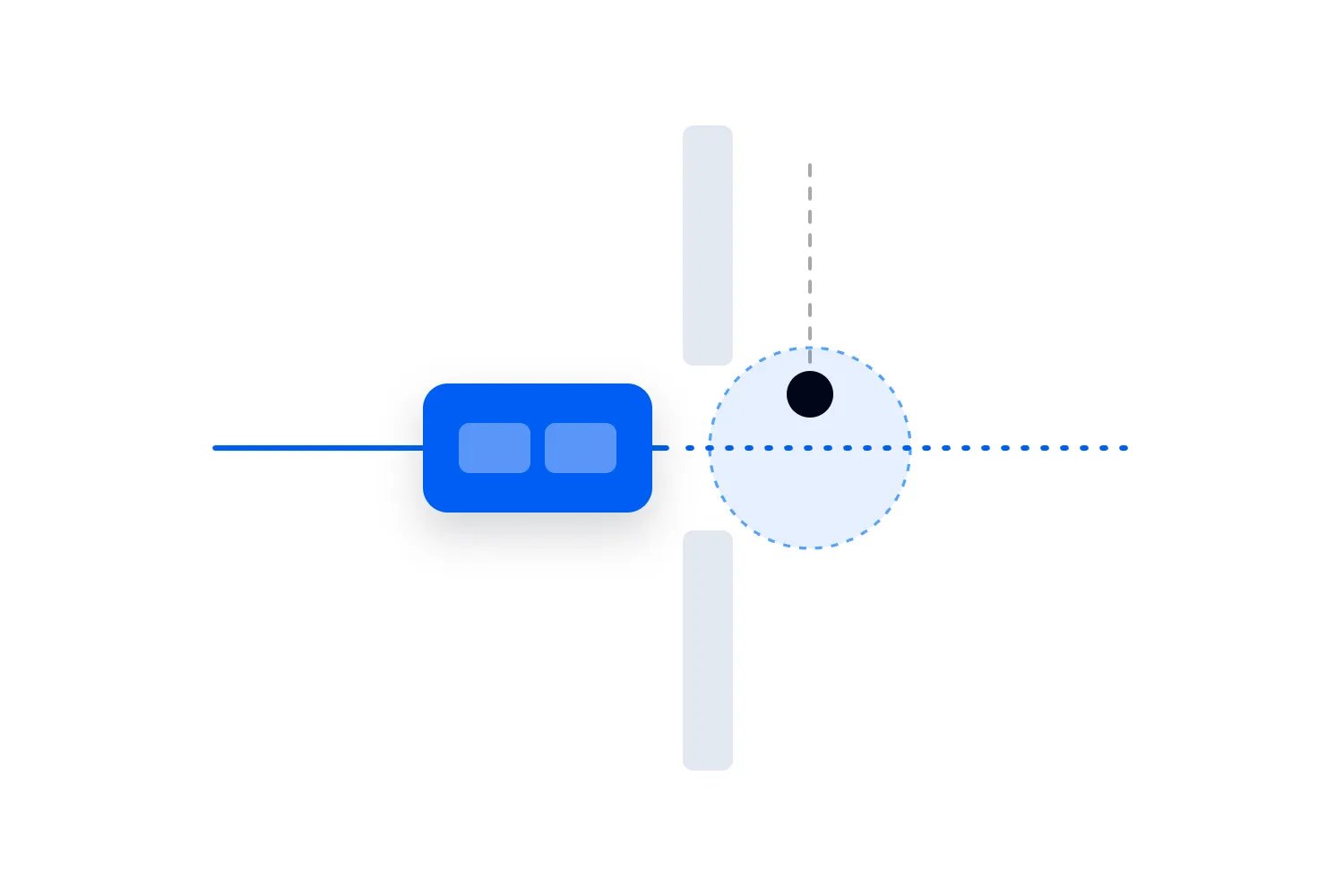
A loaded trolley comes through the service doorway while another crew is carrying equipment across it. Someone steps back, the trolley stops, and nobody gets hurt. The build is already behind schedule. It's tempting to thank everyone for reacting quickly and carry on.
But the next delivery still needs that doorway. So does the crew working on the other side. Unless something changes, you're asking the next people to avoid the same collision.
Event near miss reporting should lead to a decision about the work. Make the immediate situation safe, record what happened, and have the right people investigate why the protection failed. Assign the changes, check they work, and make sure everyone affected knows the conditions for restarting. Keep the review open for any unfinished follow-up, even after a particular activity resumes.
This guide is for organizers running paid events with several crews sharing a build site. We'll work through a fictional conference setup, including a short first report, the questions to ask suppliers, a restart decision and the handover to pack-down. The process should help your team act on a close call while you still have time to prevent another one.
The safety sources include guidance from Great Britain's Health and Safety Executive and U.S. workplace authorities. The legal reporting example concerns Great Britain, and the privacy example concerns UK data protection. Have the people responsible for your site's safety and compliance adapt the arrangements to your location, activities and duties.
What counts as a near miss on an event build?
A near miss is an occurrence where someone could have been harmed, but wasn't. A case falling from a stack beside a worker, a moving load narrowly missing a crew member, or someone catching themselves after tripping over a cable could all warrant a report. The absence of injury tells you the outcome this time. You still need to understand what happened.
A hazard report can be different. Someone might notice a cable across a route before anybody trips. You want that reported too, without requiring them to wait for a close call. If a falling object damages equipment, record the damage as well as the potential harm to people. Don't squeeze an occurrence into a harmless-sounding category to keep your injury record clear.
For an internal process, let people describe the event before asking them to classify it. A temporary crew member may not know whether your form calls something a hazard, an incident or a near miss. They can still tell you that a case fell beside the loading door and the next delivery is approaching. The person receiving the report can arrange the response and confirm the category later.
The Texas Department of Insurance's near-miss guidance recommends making reporting straightforward, investigating causes, taking corrective action and sharing what was learned. Those are useful steps for a build team. The particular reporting arrangements below are practical examples to adapt, rather than an official form or a universal legal procedure.
Consider who could be exposed as work changes. A route might be occupied by technicians during setup, exhibitors during a later delivery period, attendees at opening and cleaners after the show. A close call in the morning can reveal a problem with arrangements that several different groups will use. Check the later phases before deciding the concern has passed.
Your event risk assessment records the hazards and the controls you planned. The near-miss review checks what actually happened and what needs changing. Link the two records so the team can find the relevant assessment, but keep the original account of the occurrence intact. Updating a plan shouldn't erase the evidence that prompted the change.
Set up a reporting route every supplier can use
The first thing you want to do is make sure a person joining the build knows who to contact. Agree the reporting route before crews arrive, and include it in the site induction. Tell people how to raise an immediate danger, who receives a less urgent concern, and what to do if their first contact doesn't respond.
Use the location names on the current site plan. A report about "the back entrance" becomes confusing when the venue has several service doors and suppliers use different names for them. A doorway reference, nearby landmark and description of the work help the receiving person find the problem. The location system should work for someone who has never visited the building before.
Choose a primary contact and an available deputy for the build. They need authority to arrange a response and reach the relevant supervisor. Putting a name on a form achieves little if that person is driving equipment, away from the site or unable to hear the reporting channel. Check coverage as people change shifts and breaks begin.
Your reporting method also needs to work for people without access to your software. A visiting delivery driver might only be onsite briefly. A subcontractor may have no account in the organizer's system. Provide an agreed spoken reporting route and a way for the receiver to record the essentials. Test any digital form, and keep an appropriate alternative for a failed device or connection.
Make the first report short. Ask where it happened, what the person observed, whether anyone needs help and what danger remains. Collect the investigation details afterwards. If your form requires a supplier reference, an equipment number and a completed explanation of cause before it will submit, someone standing beside a live problem may abandon it.
Explain how acknowledgement works. The reporter should hear that the message was received and who is responding. If a crew member reports that a delivery route remains occupied and hears nothing back, they need a clear escalation route. An automatic receipt can confirm the form arrived; it doesn't confirm anyone has assessed the hazard.
Work this into your event team briefing, including supplier supervisors and temporary staff. Ask someone to describe how they'd report a fictional close call and what they'd do while waiting. You'll learn more from that short exercise than from asking a room full of people whether they understand.
Deal with the danger before collecting the full story
When a report comes in, find out whether anyone needs immediate assistance and whether others remain exposed. Use the site's agreed emergency arrangements where needed. A close call can become an emergency, and a person who initially says they're fine may later report an injury. Respond to the facts as they develop rather than treating the first classification as permanent.
Make sure the affected work is stopped or restricted through the site's arrangements, without sending untrained people into danger. Keep others away from the affected area and get the relevant supervisor or competent specialist involved. Nobody should approach unstable equipment, moving plant or an electrical fault just to obtain a photograph or fill a gap in the report.
Be precise about the restriction. "Hold deliveries through service door D2" tells crews more than "be careful in the loading area". The actual boundary and method need the right assessment for the situation. Check what the restriction does to nearby routes, emergency access and other activities, so moving one problem doesn't create another.
In our fictional conference, a supervisor stops movements through the affected doorway and asks the venue and build leads to attend. That doesn't automatically mean every activity across the venue must stop. Nor does it mean nearby work can continue regardless. The responsible people establish which activities are affected and whether they can be separated adequately.
Record any changes made for safety when it's possible to do so. If equipment has to be moved, note who moved it, why and when. Preserve relevant original evidence through the agreed process, but don't delay making the area safe to keep the scene untouched. A report can explain why the scene changed.
HSE's guidance on managing an event emphasises coordination, competent supervision and monitoring throughout setup and breakdown as well as the public event. For events in Great Britain, it also explains that coordinating contractors doesn't make the organizer responsible for every individual technical task. Agree the actual responsibilities with the venue and suppliers; a shared site still needs coordinated work.
Once the immediate restriction is in place, identify who will review the occurrence and who can authorise the affected activity to resume. These may involve different people. The event director can arrange resources and change the schedule, while a specialist must assess work within their competence. A commercial deadline cannot supply missing technical approval.
Record a first account another crew can understand
You can use your existing event incident report for the main record. A separate near-miss form isn't necessary if the existing process captures the occurrence and follow-up properly. What matters on a build is that a short first account reaches the person managing the work and remains connected to the later review.
For the fictional Independent Makers Conference, the first entry might read as follows. The event, names, references and times throughout this example are invented. They aren't a real case study or recommended response times.
Record: NM-04. Phase: build. Status: affected delivery movement on hold.
Location: service door D2, between the delivery corridor and exhibition hall, on site plan SP3.
Occurrence time: approximately 08:40, according to reporter Sam. First report received at 08:42.
Reporter: Sam, exhibition crew supervisor. Receiver: Jo, build control.
Observed event: Sam saw a loaded hand trolley pass through D2 while a member of another crew was crossing the doorway. The crew member stepped back and the trolley stopped. Sam saw no contact.
Immediate condition: equipment deliveries and pedestrian movements are still scheduled to use D2.
Outcome known so far: no injury or damage reported to Jo at the time of this entry. This remains subject to further information.
Immediate action: delivery movements through D2 paused under the site procedure. The affected crews have been told to wait for the build lead's instructions.
Response requested: build lead Alex and venue representative Pat to attend and coordinate the review with the supplier supervisors.
Information still needed: accounts from the people directly involved, current route instructions and confirmation of which crews received them.
Notice what this account doesn't decide. It doesn't say the trolley operator was careless, that the other worker used an unauthorised route, or that a supplier caused the delay. Those would be conclusions requiring evidence. It establishes the observed movement, the current concern and the response already underway.
Keep the reporter's account separate from details added by someone else. Sam may have seen the trolley stop but not how it reached the doorway. A later witness may describe the approach from the corridor. Attribute each account and make uncertainty visible. Don't combine them into a smooth narrative that implies one person saw everything.
If someone corrects a time or adds a missing fact, identify the later entry and its author. Preserve the original account according to the record procedure. This helps the review distinguish what the team knew when it acted from what became clear afterwards.
Ask why the planned protection didn't work
Start with the work everyone expected to happen. Which route should deliveries have used? Where should people have crossed? Who was coordinating the movements? Which instructions were current? Compare those answers with what people actually encountered. You need to understand the difference before choosing a remedy.
Read the relevant contractor information alongside the shared site plan and build schedule. Each supplier may have planned its own work reasonably while nobody resolved the conflict between the jobs. A catering delivery and an exhibition build can both look straightforward in isolation. They become a different problem when they require the same doorway at the same time.
In our example, Alex collects the current documents and speaks separately with the people involved. The organizer's delivery plan used D2 for equipment movements. An earlier venue instruction sent catering staff through the same doorway. A later layout revision changed the pedestrian route, but the distribution record doesn't show that the catering supervisor received it. Those facts now need checking against the accounts and the site.
The initial review identifies a coordination problem to address. It still doesn't prove every cause. Perhaps the updated pedestrian route was obstructed. Perhaps someone gave a different instruction on arrival. The reviewer asks those questions, records the evidence and distinguishes confirmed findings from possibilities. "Communication failure" is too vague to explain who needed which information and how the process missed them.
OSHA's incident investigation guidance encourages U.S. employers to investigate close calls and look beyond an immediate mistake to the underlying conditions. It specifically asks whether production pressure, procedures, training or other shortcomings contributed. Use that questioning approach to understand the work rather than stopping at a judgement about the person nearest the occurrence.
Ask workers what made the planned method difficult to follow. Could they find the route? Did the delivery booking match the actual arrival? Had a storage pile reduced the available space? Did supervisors know that another crew would arrive early? These questions test the arrangements people were working within. They shouldn't become a rehearsed exercise in getting everyone to agree with the organizer.
Check similar work elsewhere on the build. If the distribution process missed one subcontractor, another crew may also have an outdated plan. Correcting D2 alone wouldn't resolve that wider weakness. Ask supplier supervisors to confirm which revision their crews are using and how they brief people joining later.
Don't ask a worker to repeat the hazardous movement to demonstrate what happened. A review can use the site, accounts, documents and relevant safely obtained evidence. Specialist inspection or testing belongs with the people competent to perform it under suitable arrangements. The need to finish an investigation doesn't justify exposing someone again.
The useful finding names the failed arrangement and the change required. For example, "the revised delivery route wasn't confirmed with the catering supervisor before shared access began" gives you something to fix and verify. "Everyone must communicate better" leaves the next build team with the same unanswered question.
Prioritise the potential harm, not how lucky you were
Some close calls need an urgent specialist investigation even when nobody was injured. A moving load missing a worker or a falling object landing in an empty space can involve serious potential harm. Ask what could credibly have happened in the circumstances, which protections failed and whether the exposure continues.
Avoid making an enormous list of every imaginable consequence. The review should explain a credible sequence supported by the facts. In the doorway example, the concern is contact between the loaded trolley and people using the same space. The supervisor should describe the work and exposure accurately, then involve the competent people needed to assess it.
Prioritise action where people remain exposed, where the possible harm is serious, where the cause isn't understood, or where the same arrangement appears elsewhere. A familiar problem shouldn't become a lower priority simply because the crew has worked around it before. Repeated successful avoidance can conceal the fact that the planned protection keeps failing.
Your internal priority system should lead to practical instructions. A colour or score doesn't tell a supplier whether its delivery can move. Pair any rating with the affected activity, restrictions, response owner and conditions that must be satisfied. Use the system agreed for your event rather than inventing a universal score that pretends to settle every situation.
Also separate a minor immediate correction from a potentially serious underlying event. Moving a box out of a route may take little time. Establishing why a required access route repeatedly becomes storage could require a wider review of deliveries, space and supervision. The ease of moving the box doesn't determine how much investigation the occurrence needs.
Where the information is incomplete, keep the relevant restriction and arrange the expertise needed to decide. "We haven't found a fault" isn't the same as confirming that the arrangement is adequate. Write down what remains unknown and who must resolve it, especially when the next supplier is waiting for permission to start.
Handle an incomplete report without dismissing the concern
Sometimes a worker reports a close call without leaving a name. Perhaps they were only onsite for a delivery, couldn't find their supervisor, or didn't want to be drawn into a dispute between suppliers. You may have less evidence to investigate, but you can still check an identifiable location and the current work. Record the limits of the account and what the inspection establishes.
Don't require the reporter to prove the whole event before anyone responds. "A case nearly hit someone at D2" leaves questions, but it identifies a potential problem worth checking. Ask for clarification through the available route, find out whether the danger remains and record what you can confirm. Avoid turning the lack of a full account into a finding that nothing happened.
A concern may also prove to be different from the first description. For example, a caller reports a falling case, while the review establishes that a crew deliberately lowered it into a controlled area. Keep the original report and the checked finding. Explain the relevant arrangement to the reporter where possible. Correcting an account fairly helps people understand the site without discouraging the next report.
If someone fears that raising a concern will cost their crew future work, the organizer and employer need to address that through their reporting arrangements. Offer an appropriate alternative contact and explain how concerns will be handled. Don't promise that nobody will ever ask further questions. Prompt reporting and a fair investigation can coexist with proper accountability for conduct established by evidence.
Now suppose D2 has another close call after the revised arrangement begins. Treat it as a fresh occurrence, link it to NM-04 and reassess the relevant activity. Don't quietly append it as another witness account of the morning event. The time, people and conditions may differ, and the new report may show that the replacement control has failed.
Alex would need to establish whether the approved arrangement was followed, whether it was practical and whether something changed. A relief monitor might not have received the handover, or an unscheduled delivery might have used a different entrance. Those are possibilities to investigate, not findings to insert before speaking to the people involved. The response still starts with controlling the current exposure.
Use the linked records to ask a more demanding question about the fix. Did the team remove the conflict, or did it depend on an instruction that couldn't survive normal changes in staffing and deliveries? The next action may need a different method or additional resources. Reissuing the same reminder without checking why it failed leaves the build team trying the same arrangement again.
Turn each finding into work someone can verify
A corrective action needs a specific task and a named person able to arrange it. It also needs a deadline tied to the activity it protects. "Before delivery movements resume through D2" is more useful than "as soon as possible". Record an actual time as well when your coordination process requires one, and identify who will check the result.
For the fictional doorway review, an action record could contain these entries. The method itself still needs assessment for the real site, loads and people involved.
A1: Alex to coordinate revised delivery and pedestrian arrangements with Pat and the supplier supervisors. Keep affected movements on hold until those arrangements are assessed and approved by the relevant responsible people.
A2: Pat to check the proposed routes against the venue's access and emergency arrangements. Record any restrictions that the build team must preserve.
A3: Each supplier supervisor to brief their affected workers on the approved arrangement and explain it to later arrivals. Alex to obtain confirmation before the relevant work resumes.
A4: Jo to replace the superseded shared plan through the document process, record the current revision and flag the changed movement instructions.
A5: The appointed site monitor to check the arrangement when movements resume and report any failure immediately through the agreed route.
A6: Alex to review the separate pack-down movements with the incoming lead before handing over, since the build arrangement doesn't automatically suit removal work.
These actions connect a finding to something that can change onsite. They also show where an action depends on another decision. Jo shouldn't distribute a supposed final plan while the venue is still assessing whether its route is acceptable. Supplier supervisors need the approved instruction before they can brief their crews.
Prefer a change that deals with the conflicting work over repeatedly telling people to pay attention. Depending on the assessment, the solution might remove the shared movement, change the route or separate the activities. The relevant specialists and supervisors must determine the suitable controls. A warning alone shouldn't be accepted because it's cheap and can be issued immediately.
Record interim arrangements separately from the longer-term fix. A supervised restriction during the current build may require resources that won't be available for the next date. If the permanent change involves venue work or revised supplier booking, keep that action open with an owner. Don't describe a temporary measure as a completed permanent solution.
For each action, state what completion evidence will be. An approved plan, a checked route and confirmation of the affected briefings answer different questions. A photograph of an empty doorway doesn't establish that the movement arrangement works when deliveries resume. Match the evidence to the actual control you're checking.
Make a restart decision for the affected work
Before restarting, check that the required controls are in place, the relevant assessments have been reviewed and the affected people know the revised method. Confirm any technical or venue approvals through the people authorised to give them. The restart record should explain what is permitted and what remains restricted.
In the fictional example, the responsible team checks a separate pedestrian route P1 with the venue and affected supervisors. D2 is retained for booked equipment movements, with the approved access controls and logistics cover in place. The checks include where both routes lead and the work around them. These invented labels describe the decision; they aren't a route design for another venue.
Alex confirms the affected suppliers have received the same instructions on plan SP4. Pat confirms the venue checks within Pat's responsibility, and the appointed monitor is in position for the resumed movements. Jo records the decision and the plan revision used.
One completed action entry could say: "A3, owner Sam for the exhibition crew; due before that crew's next movement through D2; briefing completed 09:12 against SP4; Alex checked the instruction back with Sam and the crew at 09:16; evidence B3 held with NM-04." The catering supervisor needs a separate confirmation for that crew. Sam's confirmation doesn't cover another employer's workers.
The restart entry at 09:20 identifies the booked equipment movements permitted through D2, the controls checked, the responsible decision makers and the monitor's contact. It keeps unscheduled movements on hold pending review. If P1 becomes obstructed or the required access control is unavailable, crews contact build control and the affected movement stops under the agreed procedure. The fictional times illustrate a record, not a safe waiting period.
Those checks are specific to this invented occurrence. They don't authorise a reader to restart lifting, electrical, structural or other specialist work using a general management signature. Your review needs the competence and approvals appropriate to the actual hazard. Record any limits on the decision so another supervisor doesn't apply it to a different activity.
Be careful with partial restarts. You might permit one supplier's movement under the revised arrangement while another activity remains on hold. Name both. "Build restarted" is too broad when some crews are still awaiting approval. Tell the people controlling access which movement is allowed, under what conditions, and who can change that instruction.
Consider what will happen after the first few minutes. The monitor may need a replacement during a break. Another delivery may arrive outside its slot. An exhibitor might open a door the crew has been told to keep controlled. Identify these foreseeable changes and the response when a condition can no longer be maintained.
Record the first check of the resumed activity without treating it as proof for the rest of the event. The arrangement can change again as equipment accumulates, crews leave and the public phase approaches. Monitoring should follow your assessment and the actual work. If the agreed conditions fail, use the stop and escalation arrangements again.
At this stage, the operational restriction may be lifted while the review remains open. You may still need a supplier's account, a wider document-distribution review or confirmation of a later-phase change. List those separately. Let the status show that the activity resumed with verified controls and that specified follow-up still has an owner.
Check external reporting separately from your internal form
An internal near-miss report doesn't settle whether an occurrence must be reported to a regulator or notified elsewhere. Have the appropriate responsible person check the applicable rules promptly, without waiting for the entire investigation to finish. The venue, individual employers and organizer may have different duties to consider.
In Great Britain, HSE's dangerous-occurrence guidance explains the specified incidents covered by Schedule 2 of the Reporting of Injuries, Diseases and Dangerous Occurrences Regulations, known as RIDDOR. Some occurrences can be reportable despite nobody being hurt. Equally, your internal label "near miss" doesn't mean every report meets those legal categories.
Record who checked the requirement, the facts considered, any advice obtained and the decision. Where a report is required, record who must submit it, the applicable deadline and evidence of submission. A message saying "supplier dealing with it" needs confirmation of which duty and which submission it means. An informal agreement doesn't transfer a legal responsibility.
Don't use the fictional trolley example as a legal classification. The real circumstances and applicable rules matter. Check separate employer, venue, licensing and insurance notification conditions where relevant, and reopen the assessment if new information changes the facts. A later injury report can affect decisions initially made when no injury was known.
Keep this work connected to the operational review without making crews wait for a completed legal opinion before raising a danger. The first reporter needs a clear route to help. The responsible people can assess the reporting requirements alongside the response and within any applicable deadlines.
Tell the next crew what changed
A supplier manager receiving an amended plan doesn't prove that the people moving equipment received it. Ask how the instruction reaches the actual crew, including relief staff and subcontractors. For a significant change, have the supervisor confirm the relevant instructions back and show where they apply onsite.
Keep the shared operational update focused on the work. "Use the approved D2 movement arrangement on SP4; contact build control before any unscheduled delivery" is more useful to a new arrival than a long account of who disagreed during the review. The exact instruction must match the assessed arrangement. Point people to the current version and remove superseded working copies through your process.
People investigating the occurrence may need original accounts and necessary contact details. The whole supplier group usually doesn't. Keep the operational instruction separate from restricted evidence, and decide who can access the fuller record. Explain how information will be used rather than promising witnesses absolute confidentiality.
For UK operations, ICO guidance on data minimisation says personal information should be sufficient for its purpose, relevant and limited to what is necessary. Apply that principle when collecting worker details and sharing findings. Have your privacy arrangements cover the record, access and retention; don't invent a single retention period for every occurrence.
If the changed build affects public arrival, prepare a separate attendee update. On Loopyah, event attendee email supports event updates and a test send before distribution. Use it to communicate an approved opening or access change to ticket holders. Your site team still needs its direct reporting and instruction process; attendee email doesn't coordinate an urgent build restriction.
Check the wider arrival arrangements too. An email alone won't reach everyone before they travel. Brief entrance staff, update the relevant public information and provide appropriate information at the venue. Only announce a confirmed change or a clear next update time. The safety review should determine what can open, and the audience message should describe that decision accurately.
Understand the schedule and cost without letting them decide safety
A close call during a paid event's build can expose an uncomfortable choice. You're paying for the venue, suppliers want to finish, and ticket holders expect the doors to open on time. Record the commercial consequences so you can manage them. Have the people responsible for the safety assessment determine the required controls before you approve the revised spending and schedule.
Here's a fictional cost example for the same conference. All amounts are invented USD planning figures, not market rates or a claim about the cost of preventing an injury. Suppose the approved response requires $480 of additional logistics cover, $220 of revised route materials and $300 of supplier overtime. Those selected additional costs total $1,000.
The organizer has a separate $2,500 allowance available after protecting the existing event commitments. Spending the $1,000 leaves $1,500 of that allowance. It doesn't establish that the event is profitable or that every remaining expense is covered. Tax, buyer remedies, further delay costs and other obligations are outside this simplified calculation.
If a supplier initially requests $600 of overtime but the agreed final extra charge is $300, record the approved $300 once. Keep the request and approval linked so the later invoice can be checked. Similarly, don't count a deposit already included in the original event costs as a new near-miss response payment.
You can use this record to understand what the revised arrangement required and improve the next budget. You can't use it to claim that the response "saved" a guessed injury cost. Nor does paying the extra bill settle fault, liability or insurance cover. Those questions need their own evidence and relevant professional advice.
Review the schedule with the same care. In this invented build, movements stop at 08:42 and the approved partial restart is recorded at 09:20, a 38-minute interruption to that activity. Other work may have continued, and some tasks may depend on those deliveries. The event isn't automatically 38 minutes late, but you also can't assume the delay disappears.
Update the event production schedule using the actual dependencies. Check which work moved, who has to stay longer and whether opening checks still have enough time. Don't recover the delay by dropping the very checks needed to establish readiness. If the revised completion can't support opening, escalate that decision and communicate the resulting change.
Carry the finding into pack-down and the next event
The team that builds the event may leave before the team that removes it. A solution checked for morning deliveries can fail during pack-down if the route, staffing or work sequence is different. Schedule a handover that identifies the occurrence, the current restrictions and the decisions the incoming lead must review before removal starts.
In the fictional conference, Alex's final handover doesn't just say "D2 issue resolved". It identifies the approved build arrangement, the conditions that supported it and the need for a separately checked pack-down plan. The incoming lead confirms receipt, checks the planned movements with the venue and suppliers, and records any revised arrangements before the affected work begins.
Bring the worker observations into the supplier review as well. Ask whether the revised method was practical, what happened when deliveries ran late and whether any unplanned workaround appeared. Your supplier evaluation should distinguish the original problem, the supplier's response and the evidence of improvement. A contractor who reports a close call promptly shouldn't be judged by the report count alone.
Compare reports cautiously across dates. More reports might reflect better reporting access, different work or greater exposure, as well as more problems. Fewer reports might reflect improvement or a reporting route nobody uses. Review the circumstances, repeated failures and action verification before treating a count as a safety result. Avoid setting a target that rewards crews for keeping quiet.
Look at whether actions survive changes in people. If a route change depends on one experienced supervisor remembering last month's problem, update the actual booking instructions, induction and plan distribution. Check the version used for the next event rather than assuming a completed review means the change has already reached production.
Before closing the review, confirm the required reporting decisions, action evidence and handovers. Keep longer-term tasks visible if your process permits the occurrence review to close before every improvement is finished. Name who will monitor them and where they're tracked. Closure should make the state of the work easier to understand.
For your next build briefing, bring one actual route plan and a fictional close call. Ask the reporting contact to receive the message, the supervisor to identify what stops, and the next shift lead to explain what evidence they'd need before resuming. Then check the paperwork against the site. Fix the missing contact, conflicting instruction or unassigned decision before crews start relying on it.

Author: By the Loopyah Content Team
The Loopyah Content Team shares expert insights, practical guides, and industry updates to help event organizers create unforgettable experiences and stay ahead in the event planning world.