· 27 min read
14 Awesome Bar Event Ideas to Pack the House Every Time
A busy bar event can still leave you wondering where the money went. You paid the host, added a bartender, discounted the drinks, and filled the room with people who were happy to stay all evening. Then you counted what was left.
The best bar event ideas fit the people you can reach, the room you can operate, and a price that covers the extra work. Trivia, live music, workshops, comedy, and tastings can all work. The first decision is which experience your customers would book ahead for, and why they'd choose yours over an ordinary visit.
This guide develops fourteen formats for operators running paid events. You'll find ways to package each one, the service problems to plan around, and a method for deciding whether to repeat it. Selling every seat isn't your only measure of success.
There's a broader appetite for live experiences, but you still need evidence for your particular night. PwC's 2025 entertainment and media outlook discusses global consumer spending across categories including cinema and live music. It doesn't establish demand for your local bar or show that a themed night will increase your profit.
Your useful evidence is closer to home. Look at the nights with empty tables, what regulars already ask for, which local performers can bring paying fans, and the offers that have previously sold. Start with one event you can deliver well, then use its actual results to plan the next.
1. Themed trivia nights
Trivia suits a bar with group seating, a host people can hear, and a quiet evening you want customers to plan around. A broad theme such as local history is easier to open to newcomers. A detailed fandom quiz works when you already know how to reach that particular audience.
Sell a clear booking unit. If the ticket covers a team table, say how many people it admits and whether all guests need to arrive together. If you sell individual seats, explain whether strangers may share. Don't discover at the door that someone thought a team entry included six separate drinks.
Write the questions for the room you want to attract. A quiz where only the host's friends understand the references can discourage first timers. Mix easier questions with harder rounds, test the answers before the night, and establish a process for disputed scores. A photo round needs screens everyone can see or printed sheets they can read.
The pacing matters commercially. Put a service break between rounds so guests can order without missing a question. Ask the host to announce when the kitchen will close. Avoid making the bar team deliver a surge of orders just as answer sheets need collecting.
You might test a monthly film quiz before committing to a weekly calendar. Price the host, question preparation, equipment, and prizes into the event. Bar credit has a cost too, even when it looks cheaper than a cash prize. Review how much each table actually bought and whether the event displaced regular diners. Longer visits help only when the orders and costs make sense.
2. Live music performances
Book for the room before you book for the poster. An acoustic duo may fit a narrow bar with seated guests. A full band may need equipment, setup space, and sound control that changes how much of the room you can sell. Walk through the layout with whoever handles sound before confirming capacity.
When you speak to an artist, ask what their previous local ticketed shows looked like. Social followers can help you discover an act, but you need a reason to believe people will buy this particular date. Agree who announces the show, where the ticket link appears, and what promotional materials the artist supplies.
Put the commercial agreement in writing. It should explain the fee or ticket split, which costs come out first, payment timing, set lengths, equipment responsibilities, and what happens if either party cancels. If you're using a split, define the sales figure you will split. Gross ticket sales and money remaining after refunds and fees are different amounts.
Check music permissions before advertising. BMI's guidance for bars and restaurants explains its US public performance licensing. Its catalogue licence isn't universal permission for every song or use. Confirm what your venue needs with the relevant rights holders where you operate.
Also protect the experience after the first sale. Publish doors and performance times separately, keep service routes clear, and explain any seating restrictions. A guest paying to hear an intimate set shouldn't arrive to find a television competing with the singer.
3. Cocktail workshops
A cocktail workshop gives people something specific to buy. They know they'll learn a skill, use the tools, and leave with recipes they can try again. That makes the offer easier to explain than a general promise of a fun night at the bar.
Choose the learning outcome first. A class about balancing a sour needs time for tasting and adjustment. A broad tour of several spirits needs more explanation and may need fewer practical builds. Keep the format manageable for someone who has never used a shaker.
Run the full class with staff before setting the public capacity. Lay out the equipment, measure ingredients, and see how long it takes to reset. Your limit may be the number of usable workstations or the instructor's ability to help, well below the room's legal capacity.
Price every inclusion. Ingredients, ice, garnishes, glasswashing, breakages, preparation time, and the instructor all belong in the cost. Specify whether guests work individually or share tools. Explain how you accommodate guests who want to participate without consuming alcohol, and check any relevant licensing conditions before bundling drinks into admission.
If you offer a return voucher, put its terms and cost in the plan. A discount that only applies on another expensive event can frustrate guests who expected an ordinary bar visit. State when they can use it and what it covers.
Afterward, ask which technique guests still feel unsure about. Their answers help you develop a follow-up class with a real purpose, rather than renaming the same workshop every month.
4. Karaoke nights
Karaoke needs a host who can manage expectations as well as a microphone. Guests can enjoy watching their friends, but a long, unexplained queue makes the experience difficult to sell again.
Decide what admission includes before choosing the price. You might sell entry to a hosted themed session with table seating. You might sell private group time if your space supports it. Neither offer should imply that everyone can perform repeatedly when the schedule can't accommodate that.
Estimate singing opportunities from the actual running time, average song length, and transitions. Leave room for announcements, technical problems, and breaks. If buyers are paying specifically for a chance to sing, explain the queue rules and any limits before purchase. A host shouldn't have to invent a fair system halfway through the evening.
Themes such as film soundtracks or a particular decade can make promotion more specific. Check that your licensed karaoke library actually includes enough relevant songs. Otherwise the advertised theme and the available choices will disappoint people.
Plan how staff move through the room while guests stand, film, and cheer. Keep microphone cables away from walkways, provide a place for drinks away from equipment, and brief the host on how to handle harassment or inappropriate song choices. Confirm the permissions required for the karaoke system and public music use.
Film only with appropriate permission. Some guests want to sing badly among friends without becoming the next promotional video. You can show the setup, host, and available song choices without making a reluctant customer your advertisement.
5. Stand-up night
A comedy night works best when you can create a room where people listen. Start by checking the sound, sightlines, seating, and interruptions. Ice machines, a loud kitchen hatch, and standing conversations can make a professional comedian struggle.

Choose a host who can manage the room and support the performers. Agree the running order, set lengths, interval, arrival time, and payment with the acts. For a first show, a coherent shorter programme may be easier to deliver than a crowded bill that runs past the advertised finish.
Be clear about reserved seats and general admission. If you bundle food, say what it includes and when guests need to arrive to eat. Avoid quietly adding a compulsory drink purchase after someone has paid for entry. Any minimum spend needs to be visible before booking and appropriate under local rules.
Late arrivals need a plan. Reserve an arrival route that doesn't cross directly in front of the performer, and let the host or door team choose a suitable moment to seat people. Schedule order taking around the performance instead of expecting servers to talk over punchlines.
Discuss the show's audience and content with the booker. Publish relevant age restrictions and communicate house rules without promising that every guest will like every joke. Staff still need a clear response to disruptive behaviour.
After the show, look at ticket revenue alongside the extra staff, performer fees, and any food margin. A full room with an expensive headliner may be less useful than a smaller recurring show people trust you to book well.
6. Sports viewing parties
A sports event already gives people a reason to gather at a fixed time. Your job is to make watching at your bar worth arranging and paying for. That could mean a genuinely reserved table, dependable views, a meal package, or a hosted supporter evening.
Check the screening rights for the specific competition, broadcast, and territory. A household streaming subscription isn't evidence that commercial screening is allowed. Ask the provider what your venue can show, whether admission charges affect the terms, and what permissions apply to promotional materials before you sell tickets.
Test every advertised seat. A screen visible from a standing position may disappear behind another guest when everyone sits down. Confirm the audio zone, backup connection, and who can troubleshoot the system. Make ticket descriptions honest about restricted views.
The service problem is predictable. Many people will want food before the start, another order during a break, and their bill at the end. Simplify the event menu around what your kitchen can deliver in those windows. A complicated special that slows every other order can cost more than it adds.
Have a policy for schedule changes or an interrupted broadcast and make it available before payment. Avoid casual betting, raffles, or prize promotions until you've confirmed their local requirements. A simple prediction discussion can create atmosphere without adding a poorly understood promotion to an already busy night.
7. Board game nights
A board game night can suit guests who want a quieter social experience, but occupied tables don't automatically produce a good evening financially. Work out what you're charging for and how long each booking lasts.
A hosted introduction to unfamiliar games can justify a ticket more clearly than access to a cupboard of games people already own. Offer a beginner session, a guided game rotation, or a particular game with a knowledgeable host. Describe the experience so customers know whether to arrive with friends or expect introductions.
Choose games that fit your tables and service. Large boards, fragile components, and drinks don't always mix. Test a setup with the glasses and food plates you actually use, and keep somewhere clear for servers to put orders. Replace missing pieces before opening, rather than discovering the problem midway through a paid session.
Explain who handles rules disputes and how guests join a table. A solo buyer shouldn't have to wander around asking established groups for permission to participate. Ask about experience level during booking only when you will actually use the answer to plan sessions.
Timing needs care too. If the ticket has a fixed finish, choose games that can realistically conclude and announce the last starting time. Stopping a long game just as it becomes interesting will feel like poor planning.
Include game purchases, replacements, hosting, and the cost of the table time in your calculation. If food is part of the offer, use dishes guests can manage without moving the entire board. Repeat the format because people book and the costs work, rather than because the room looked occupied.
8. Wine or beer tasting events
The useful question for a tasting is what guests will understand by the end. A comparison of local lagers is a clearer proposition than an unspecified selection of interesting drinks. You can explain the differences, tell buyers how the tasting runs, and order stock against a defined menu.
Confirm the supplier and host before advertising their involvement. Ask who supplies the stock, glassware, tasting notes, and service team. Free samples can help with costs, but they don't eliminate preparation, staff time, or wastage.
Decide the number and size of pours, then check the full session with whoever is responsible for alcohol service. Include water, an option to leave drinks unfinished, and food where appropriate. An educational tasting shouldn't depend on everyone consuming every sample.
Your ticket page should explain the theme, session length, seating, included food, and alternatives. If you plan to sell bottles or packs afterward, confirm that your licence permits those sales and explain whether purchases cost extra. Don't treat retail revenue as guaranteed when deciding the entry price.
A supplier representative can add detail, but brief them on your audience. Guests who've booked an accessible introduction may not want a technical sales presentation. Encourage comparison and questions, and allow enough time for people to taste without rushing to the next pour.
For repeat events, change the learning question as well as the products. You might compare production methods after an introductory session. Invite interested guests to the relevant next date using the permissions they've given you, and watch whether those invitations lead to paid bookings before expanding the calendar.
9. Themed costume parties
A costume party needs an experience beyond asking guests to dress up. The theme should affect the music, host, room, and programme enough that buyers can picture the night. Otherwise you're charging for the same bar visit with an extra task attached.
Choose a theme your existing audience understands and can participate in without an expensive outfit. Explain whether costumes are optional and whether you offer simple accessories at the venue. Someone joining friends after work should know whether they will feel welcome.
Plan admission around the actual event layout. Decorations, a photo area, a DJ position, and dancing can reduce the floor available to guests. Use the approved capacity for that arrangement, and keep entrances and exits clear. Tell buyers if seating is limited rather than letting an event image imply everyone gets a table.
If you run a costume contest, publish how entry and judging work, when winners are announced, and what the prize is. Staff need a practical policy on props, masks, and costumes that obstruct identification or movement. Decide this before people arrive carrying items you can't allow inside.
Menu choices should support service. An elaborate drink photographed beautifully during preparation may be impossible to serve at the pace a party demands. Test the preparation and select a manageable set of specials.
For the selling plan, How to Sell More Tickets for an Event. explains the wider work around the offer and promotion. Your theme gives you material to advertise. The booking page still needs to explain what happens, when to arrive, and what guests receive for the price.
10. Host a non-alcoholic night
Guests who aren't drinking alcohol still need something appealing to do together. A hosted tasting, music evening, or cocktail workshop can be a good reason to visit. You don't need to make assumptions about anyone's health, recovery, religion, or reasons for choosing the event.
Build the menu with the same care you give the rest of the bar. Think about flavour, preparation time, glassware, and food. Set the price from your costs and what the whole experience offers, then explain that offer. Calling every drink premium doesn't tell a buyer why the ticket costs more than a normal visit.
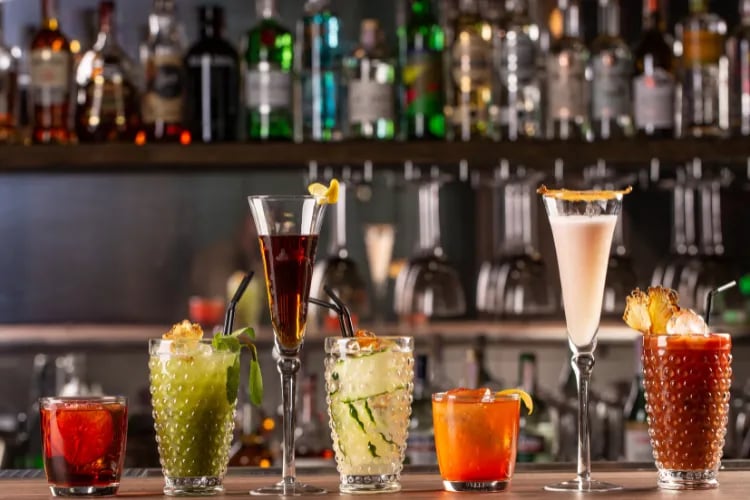
Be precise about ingredients. Bitters, fermented products, and products marketed as non-alcoholic can need closer checking. The US TTB's malt beverage labelling guidance distinguishes non-alcoholic malt beverages from alcohol-free ones. That guidance is specific to its category and jurisdiction. Verify each product and describe your actual menu without extending the terminology to everything you serve.
That last detail matters. An event advertised as an alcohol-free evening can disappoint guests if the next table is holding a drinking competition. Choose whether you're changing the whole venue or running a clearly described separate session. Brief staff so customers get the same explanation when they call, book, and arrive.
11. Partner with a brand for an activation
A brand partnership can help fund a bar event when both sides want to reach the same people. Start with the attendee experience, then work out the brand's role. A useful tasting hosted by someone knowledgeable can justify a ticket. A room filled with logos may not.
Separate confirmed cash from products, promotional promises, and staff time. A sponsor offering stock hasn't necessarily covered the fee of the host or the extra server. Put a value and an owner against each promised contribution, and keep the event viable if the partner's social post produces no bookings.
Define the deliverables in writing. Specify where branding appears, who approves the event description, which samples are included, who provides staff, and what happens if materials arrive late. Agree what you will report afterward, such as actual attendance or products sampled, and avoid promising ticket sales you can't guarantee.
If the brand wants customer information, settle that before advertising. Purchasing a ticket should not quietly subscribe someone to an unrelated company's emails. Keep necessary event administration separate from optional marketing permission, and explain any intended sharing clearly.
Evaluate the relationship after the event too. Did customers enjoy it, did each side deliver what it promised, and did the payment cover the extra work? A partner who brings a suitable audience and pays on time may be more useful than a bigger logo with a long list of expensive requirements.
12. Charity events
A charity partnership deserves the same commercial planning as any other event, plus a clear explanation of how the beneficiary receives money. Choose an organisation whose work you can describe accurately and ask permission before using its name or logo.
State the donation mechanics before selling. A fixed donation for every paid ticket is easy for buyers to understand. If the contribution depends on sales or profit, explain which sales qualify, which deductions apply, and whether there's a maximum. Avoid a vague promise that proceeds go to charity when you intend to recover substantial costs first.
Agree who collects and transfers the funds, who keeps the records, and when the beneficiary will receive payment. Check the relevant requirements for charitable promotions, fundraising, auctions, or raffles where the event takes place. A good cause doesn't remove those obligations.
Keep the event appealing in its own right. A musician, tasting, or hosted activity can give people a specific reason to buy while the cause gives them another reason to support it. Don't rely on the charity to fill the venue unless it has agreed to particular promotional work.
Afterward, publish the confirmed donation and a plain explanation of the calculation. Get permission before sharing beneficiary stories or identifiable guest images. If you haven't completed the transfer, say when you expect to do so rather than presenting the planned contribution as money already received.
When assessing whether to repeat it, include the donation in the event's actual costs and respect the objective you agreed with the charity. A fundraiser can succeed for its beneficiary while still needing a different ticket price to be sustainable for your venue.
13. Open mic nights
An open mic can help you build a programme around local performers, but be realistic about what the audience is paying for. An unknown list of beginners may attract friends and supporters. A hosted showcase with selected performers offers a different, more predictable experience.
Choose the format and describe it accurately. If anyone can sign up, explain how slots are allocated and whether performing requires a ticket. If you select the lineup in advance, say so. Don't sell a performance opportunity that disappears when the room gets busy.
Appoint a host and timekeeper who can manage changeovers. Confirm the equipment performers can use, the length of each slot, and whether they need to supply backing tracks beforehand. Sound checks and loading arrangements matter even when the performers are unpaid.
Set expectations around conduct and recording. Performers should know how the host handles harassment or material that breaches your house rules. Ask before recording a set or reusing it to advertise the next event, and don't assume permission from the audience covers the performer too.
For a ticketed night, watch how the audience changes through the programme. If every performer's friends leave as soon as their set finishes, the last acts may play to an empty room. A capable host, coherent running order, and a clearly advertised finish can make the evening easier to follow.
You can develop a separate paid showcase for performers who are ready for it. Book and pay them on clear terms, promote the actual lineup, and review its results separately. That gives returning customers a reason to trust the new offer instead of assuming every night has the same format.
14. Food and drink pairing events
A pairing event can sell well ahead because the buyer understands the occasion. They book a place, expect a defined menu, and make time for the whole session. That advance commitment is useful only if your kitchen and bar can deliver the menu at the promised pace.
Start with the facilities and staff you have. A small set of well-planned dishes can be more convincing than a long menu requiring equipment you need to hire. If you bring in a chef or food vendor, agree preparation, storage, cleaning, service responsibilities, and payment before choosing the ticket price.
Check dietary requests before confirming that you can accommodate them. The FDA's food allergy information explains major allergens in the US context. Your practical work includes checking ingredients, communicating with guests, and preventing cross-contact. Don't call an alternative allergy-safe unless your process supports that claim.
Publish the menu, drink inclusions, arrival time, and expected finish. Explain how the non-alcoholic pairing differs, and decide what happens when someone arrives after service begins. Every course needs a plan for preparation, plating, delivery, and clearing so the next drink doesn't arrive at a crowded table.
Cost the complete event per guest, including alternative menus and preparation waste. If you offer a takeaway bottle, verify the permission to sell it and keep the extra price visible. Review what guests left unfinished as well as what they praised. A popular dish that creates a service delay may need a different portion, preparation method, or place in the running order.
Choose the idea your audience can understand and buy
With fourteen options, it's tempting to build a full calendar immediately. Start with the decision your venue needs to solve. Is a particular night empty? Do you have a room that could support ticketed performances? Are regulars asking for a class? These lead to different formats and different prices.
For each candidate, write a plain event description without promotional adjectives. Who comes, what happens, how long does it take, and what does the ticket include? If you can't explain the value yet, more promotion won't resolve the uncertainty for buyers.
Loopyah's Worth It Event Index, fielded through Pollfish on February 11, 2026, asked 500 US consumers what makes an event feel worth buying. The chart shows every option from question 13 as the unweighted share of respondents selecting it. People could choose more than one, so the values do not total 100%.
| Label | Respondents |
|---|---|
| Value for money | 50 |
| Lineup/program | 49.2 |
| Past reviews | 45 |
| Ticketing partner | 25.8 |
| Photos/videos | 24 |
| Friends | 22.6 |
| Reputation | 20.8 |
| Clear logistics | 15.6 |
| Other | 0.2 |
Source: Loopyah Worth It Event Index, US, n=500, February 11, 2026, Q13. Chart labels mean clear value for money, strong lineup/program, positive past reviews, trusted ticketing partner, real attendee photos/videos, recommendations from friends, professional organizer reputation, clear logistics, and other, respectively. These are broad event preferences, not findings about your local bar audience, predictions of attendance, or evidence that one change causes sales.
The useful implication is to show what people will experience before asking them to book. For a class, explain what they'll learn and make. For comedy, publish the acts and the seating. For a tasting, describe the selection and host. Then test whether your audience buys that offer at the price you need.
Calculate the price before you commit to the date
Work out the extra costs of the event and the income you can reasonably expect. Keep money collected separate from money available after refunds, processing costs, taxes, and anything you owe a partner. Count staff preparation and cleanup as well as the hours guests are in the room.
Here's a hypothetical calculation to show the method. Suppose your extra fixed costs are $600. You retain $25 from each ticket after relevant deductions, and the food or materials included in that ticket cost $10 per guest. Each sale contributes $15 toward the fixed costs. You need 40 paid guests to cover those additional costs. Ordinary overhead and any profit from normal trade you displace still need to be accounted for.
Now check whether you can actually sell and serve those places. If the usable layout holds only 36 guests, that offer doesn't cover its fixed costs even when it sells out. You need to raise what you retain per ticket, reduce the cost, secure confirmed outside funding, or change the format.
Calculate the result at lower attendance as well. In that same hypothetical example, 30 guests contribute $450 and leave $150 of fixed costs uncovered. That tells you how much exposure remains if sales disappoint. Decide when you'll review sales and what you can still change before supplier cancellation deadlines pass.
Treat additional bar purchases cautiously. Use the amount left after the cost of those sales, rather than the whole till total, and compare with an ordinary equivalent night. Your event may use tables that regular customers would otherwise occupy. A packed room can still replace more profitable trade.
Plan the booking and arrival experience together
The event page should tell buyers the date, local time, address, age policy, access information, ticket inclusions, refund terms, and any minimum spend. Distinguish an individual ticket from a group table. If the ticket includes a drink, describe the permitted choices and any alternative without alcohol.
Loopyah's ticketing tools let you create ticket types and sell through an event page. Use those ticket types to make the offer understandable. You still need to decide what each purchase promises and make sure the door, bar, and kitchen teams can honour it.
Walk the guest route after setting up the actual room. Check the entrance, queue, seating, toilets, service access, and exits. Ask the venue's responsible people to confirm capacity and accessibility for that setup. Publish concrete information about steps, accessible routes, and seating arrangements, with a contact for questions. An unexplained accessibility symbol leaves too much for guests to guess.
Brief staff on late arrivals, duplicate tickets, dietary requests, cancelled acts, and complaints. Assign someone who can make decisions during the event. Keep age checks and responsible alcohol service in the plan, including when guests have prepaid. A ticket doesn't remove the need to decide whether service is appropriate.
Work backward from the first event
Before you announce anything, set the decisions that would make you change the plan. Suppose you're considering a ticketed tasting. You need confirmed stock, a host, a service layout, and enough paid places to cover the agreed costs. Find out when each supplier requires a firm commitment. That is more useful than choosing an arbitrary sales target the evening before the event.
Launch only when the offer and booking page agree. Ask someone who hasn't helped plan it to read the page and explain what they think they're buying. If they assume a full dinner when you've planned small tasting portions, fix the description. Check the confirmation message too, because that may be the only information a guest consults on the day.
At your sales review, compare paid bookings with the costs you can still avoid. Talk to partners before changing the date, inclusions, or capacity. If you must cancel, contact buyers using the terms you published and explain what happens to their payment. Quietly changing the event page leaves existing customers with a different promise from the one they bought.
Before doors open, run through an order as a guest would experience it. Arrive at the entrance, check the ticket, locate the seat, ask a menu question, and work out how to order. You may find that the only person who can answer everything is the manager who will be occupied elsewhere. Resolve that now with a staff briefing and clear information at the relevant point.
Keep a short record during service of questions people ask repeatedly. Confusion about arrival times needs clearer booking information. Long gaps between courses need a service change. Empty tables after strong advance sales need a closer look at attendance. Those are different problems, and understanding which one you have will make your next decision much easier.
Promote the specific experience, then review what happened
Show enough of the event that a buyer can picture attending. A workshop clip can demonstrate the technique. A comedy announcement can introduce the actual acts. A tasting post can explain the selection. Every announcement needs a clear route to the current booking page.
Start with people who have a relevant reason to care, including previous attendees who've agreed to hear from you. The ICO's electronic mail marketing guidance explains the UK rules, including consent and a conditional existing-customer exception. Check the rules where you operate and honour opt-outs. An address collected for a receipt isn't permission for every future campaign.
Agree promotion with artists, hosts, and partners before launch. Tell them the booking link, announcement date, and useful details to share. Track which activity produces paid bookings so you can compare its cost with the income those bookings leave. Likes alone can't tell you whether the next event needs the same advertising budget.
After the event, reconcile actual income and costs while the details are fresh. Ask staff where service slowed down and guests what they would book again. Record the changes you intend to make, then decide whether to repeat, revise, or stop the format. You can build a reliable calendar one tested date at a time.
For another way to develop the experience, read 9 engaging event activation ideas. Choose the concept that fits your customers and your room, price it properly, and get the first date ready for sale.
Start selling bar event tickets with Loopyah
Author: By the Loopyah Content Team
The Loopyah Content Team shares expert insights, practical guides, and industry updates to help event organizers create unforgettable experiences and stay ahead in the event planning world.